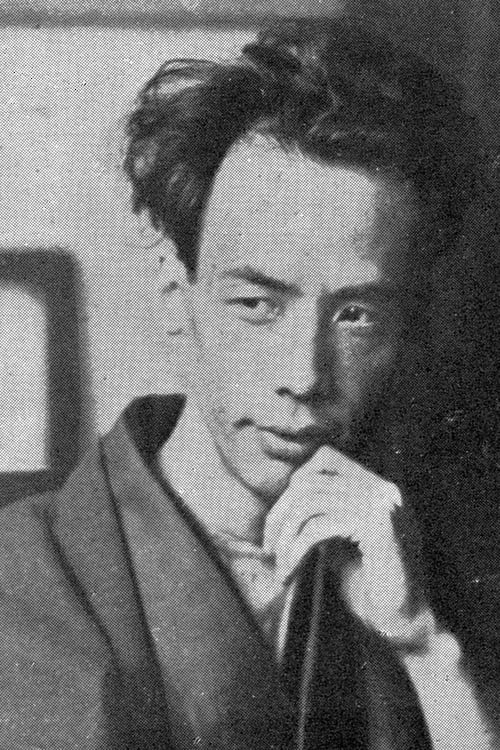
Ryūnosuke Akutagawa
Writing
Biography
Ryūnosuke Akutagawa (芥川 龍之介 Akutagawa Ryūnosuke, 1 March 1892 – 24 July 1927), art name Chōkōdō Shujin (澄江堂主人) was a Japanese writer active in the Taishō period in Japan. He is regarded as the "Father of the Japanese short story" and Japan's premier literary award, the Akutagawa Prize, is named after him. He committed suicide at the age of 35 through an overdose of barbital.
Known For

Four people recount different versions of the story of a man's murder and the rape of his wife.
Rashomon

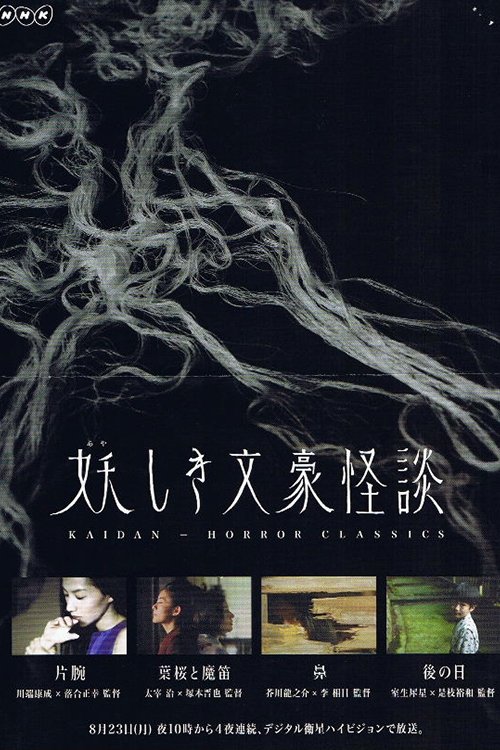
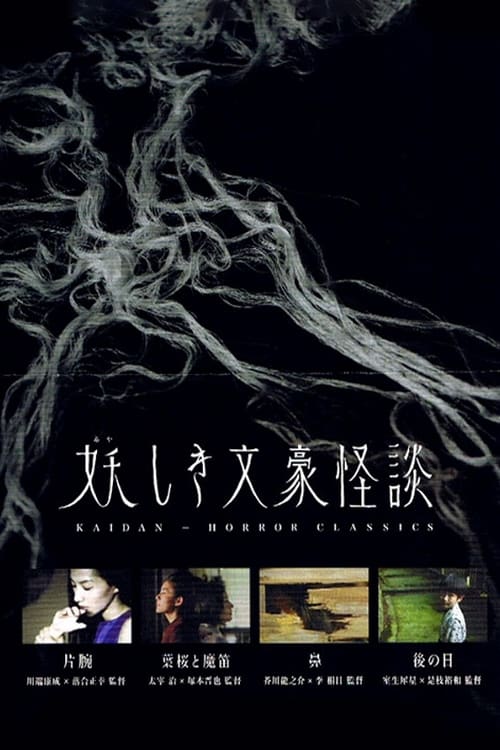
Four renowned Japanese directors each adapt a supernatural short story by Japanese literary masters for the KAIDAN HORROR CLASSICS omnibus series. In his adaptation of Yasunari Kawabata's THE ARM, Masayuki Ochiai reveals the inner world of fetishists in an eerily unsettling tale of a man who convinces a woman to let him borrow her arm for a night. Meanwhile, Shinya Tsukamoto explores death and unrequited love in Osamu Dazai's THE WHISTLER, about a woman who spies on her dying sister's secret love life after her own romance is dashed by her father. After VILLAIN, Lee Sang-Il looks at social outcasts once again in Ryunosuke Akutagawa's THE NOSE. The story follows a priest with a hideous nose who kills a young local boy in a moment of blinding anger. Meanwhile, Hirokazu Kore-eda creates a gentler ghost tale with Saisei Muro's THE DAYS AFTER, about a married couple who thinks the young boy who visits their house daily may be the ghost of their dead infant son.
Kaidan Horror Classics

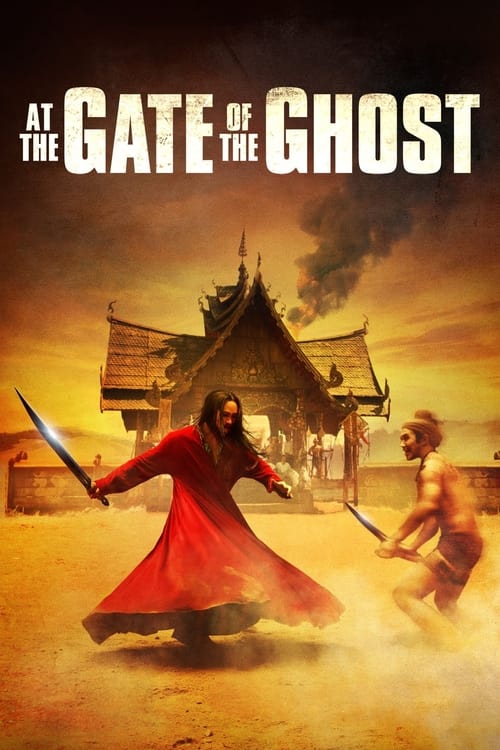
In this worthy adaptation of the Japanese film Rashomon, a young monk is left to determine the truth behind three competing perspectives after a bandit's disturbing murder trial.
At the Gate of the Ghost

Ryuichi Okagawa, a Japanese writer who worked as a reporter in China has been sick ever since his return home. While in China, Okagawa had met a devoutly religious girl named Jin-hua. Okagawa was born with a predisposition to agonizing recurrent migraines, but found happiness with Jin-hua and married her. Unfortunately, he already had a wife in Japan, and this revelation crushed Jin-hua. When Okagawa returned home, leaving Jin-hua behind, she was forced to work as a prostitute, catching both a severe case of the flu and a rather less socially acceptable condition. Meanwhile, Okagawa's guilt has torn him apart enough for him to return to China in an attempt to bring Jin-hua home with him to get medical attention, but the girl is already too far gone for his help.
The Christ of Nanjing

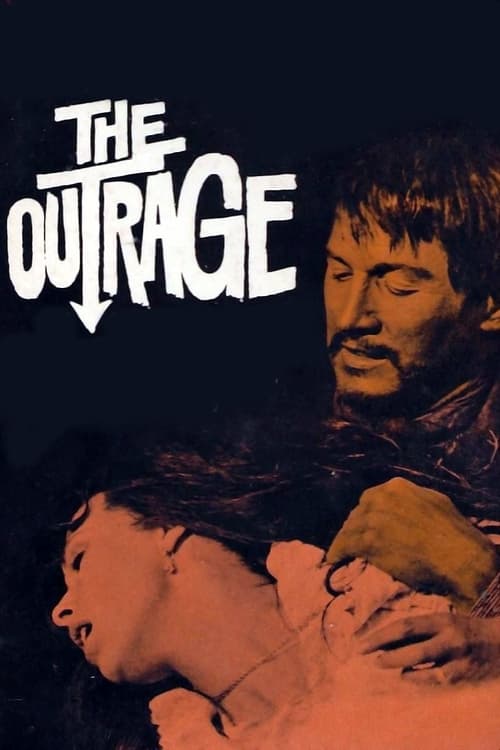
At a disused railway station, three men -- a con artist, a preacher, and a prospector -- discuss the recent trial and sentencing of the outlaw Juan Carrasco for the murder of a man and the rape of his wife. In their recounting, the three explore the conflicting testimonies of the parties involved in the crimes. Disconcerting new questions arise with each different version of the event.
The Outrage

Set in ancient Japan, Rashomon follows the aftermath of a bandit’s attack on a warrior and his wife, as the bandit, the wife, the husband, and a woodcutter each offer different versions of what happened. Directed for "Play of the Week" by Sidney Lumet, the production uses the story’s shifting testimonies to examine truth, self-image, violence, and moral uncertainty.
Play of the Week: Rashomon

Witnesses of a murder. Remake of Akira Kurosawa film Rashomon.
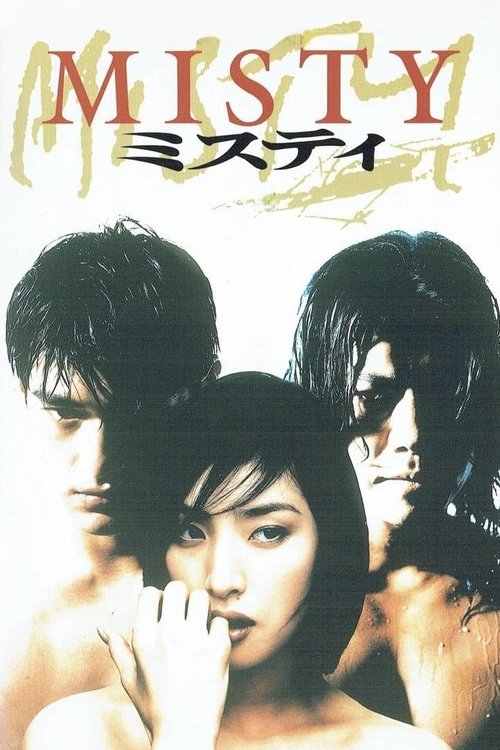
Misty

Oshima, a rich girl married Shinzo, and her cousin girl Sawa has been jealous of Oshima deeply. Sawa cursed Oshima so Shinzo could not hold her and do anything at all. Shinzo hated Oshima, and he made love with Sawa.
The Possessed

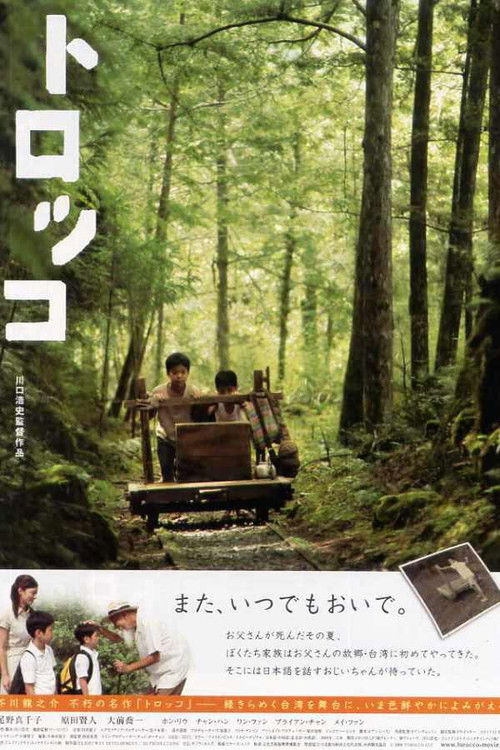
A tale of two islands and growing up as a stranger in a strange land, told with an artistry that recalls Hou Hsiao-Hsien at his best. Based on Ryunosuke Akutagawa’s short story of the same title (1922), Kawaguchi’s film moves the original early 20th-century Izu Peninsula to present-day Taiwan, where the strength of family ties is singularly put to the test. Yumiko (Machiko Ono), who married against her parents' wishes, has struggled on in stubborn determination since her husband’s death, moving her family from their Tokyo home to the verdant, rural Taiwan village of her in-laws. Her son Atsushi, strongly conscious that in ethnocentric Japan he is "different," is in a state of rebellion against both the society in which he has grown up and his mother. In their new home the family rediscovers the bonds that unite it.
Rail Truck

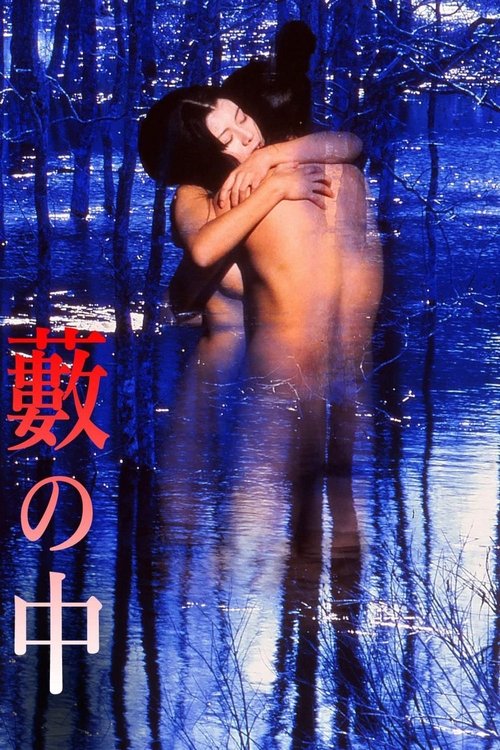
Sato's re-imagining of In a Grove, on which Rashomon was based. In this version, instead of a web of lies and agendas, we get a web of desires, perversions like incest, and occult phenomenon like an oracle-demon, hallucinations, and human sacrifice. Once again, the story starts with a detective trying to unravel the story of a man and a woman encountering a bandit-rapist in the woods, but the real story keeps turning out to be unfathomable as layer upon layer of strange motives and events keep turning up.
In a Thicket

Four short films based on ghost stories written by award winning modern Japanese writers.
Kaidan Horror Classics

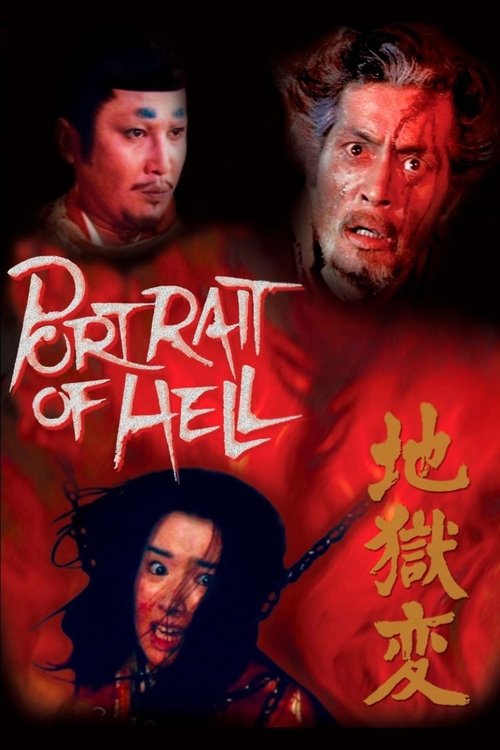
The story, set in the Heian era, depicts the conflict between Korean painter Yoshihide (Nakadai) and his Japanese patron, the cruel and egotistical daimyo Horikawa (Nakamura). It is based on the 1918 short story Hell Screen by Ryūnosuke Akutagawa.
Portrait of Hell

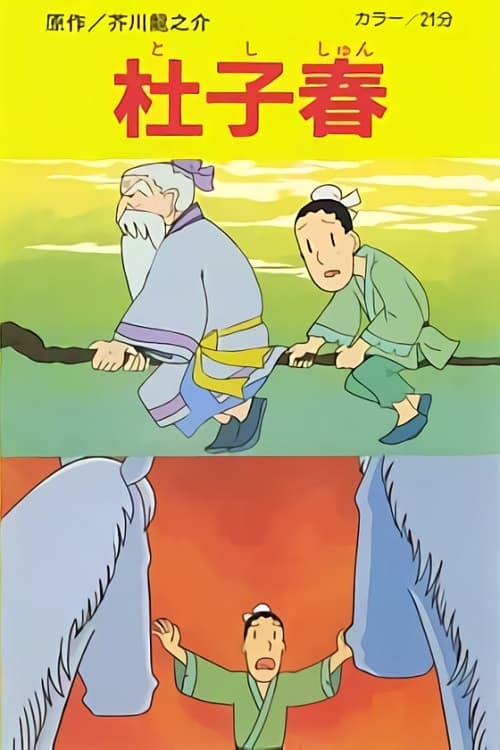
The Chinese tale of a poor young man. His mother married to the cruel king of the state and he wants to take his mother back. One old man comes from the heaven and makes his three wishes come true.
Toshishun

Based on Ryunosuke Akutagawa's In a Grove, story takes place during the times of Tsar Alexander II. A lady-in-waiting tells the Emperor in his bedroom a metaphysical story about a 13th century prince who is killed in the woods under mysterious circumstances. Fairy tale characters who have witnessed the terrible death, all share their version of the events, gradually shedding light on what really happened.
The Bottomless Bag

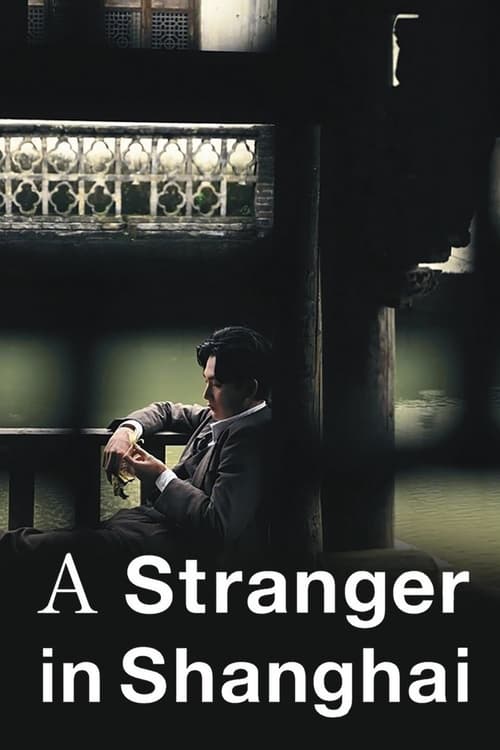
China is tumultuous in 1921 when the famed Japanese author of "Rashōmon", Ryūnosuke Akutagawa, visits Shanghai as a correspondent. Here he encounters revolutionaries, courtesans and much more…
A Stranger in Shanghai

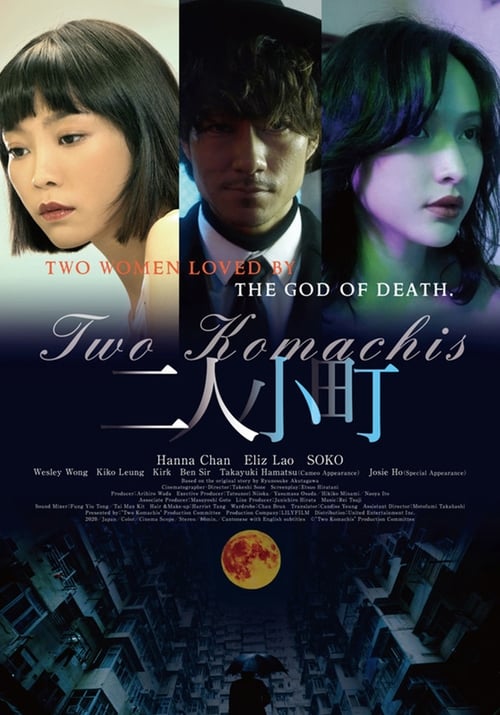
One of the Angels of Death comes to the Earth in order to take the 25-years-old Komachi. Desperately trying to escape from her unfortunate destiny, the young girl makes up a pregnancy and begs him to deceive the Underworld and take another 25 years-old Komachi, who is friend of hers. Death falls in love with two women and has to come to terms with itself, in this story that takes inspiration from a Japanese classic, here set in a misterious and seductive Hong Kong, shown over the course of decades.
Two Komachis

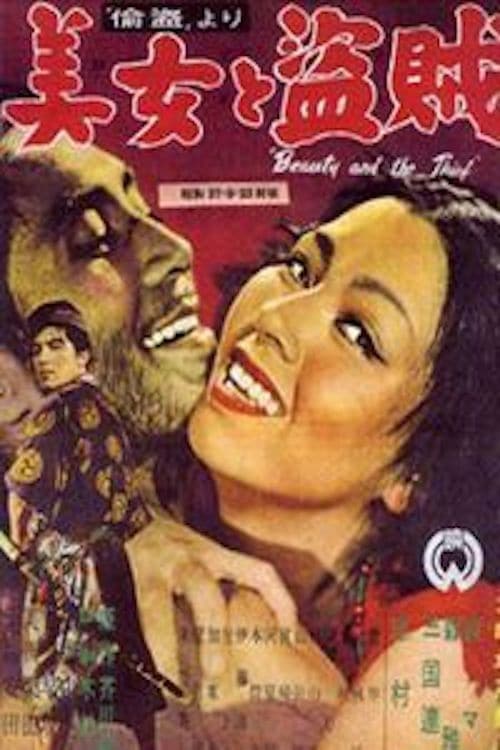
The picture belongs to the jidai gekki (historic) genre. It is a powerful story of violence and eroticism, picturing a world at once sordid and poetic, with two central themes which intermingle to compound an admirable panel of a critical period in Japanese history: the great famine in the mid 19th Century.
Beauty and the Thief

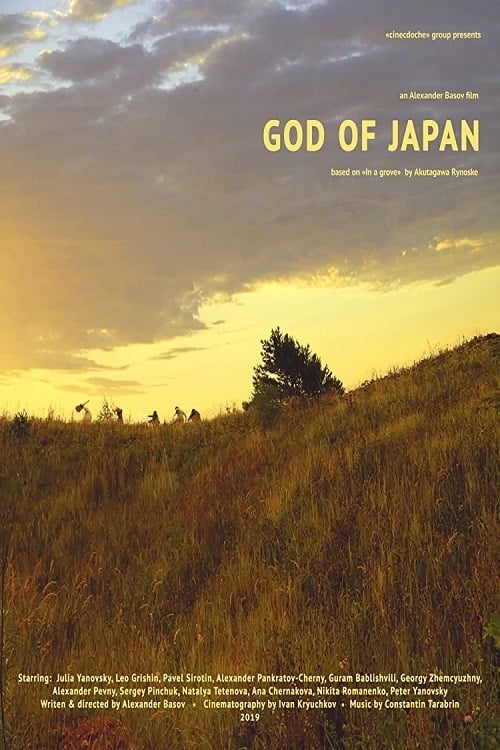
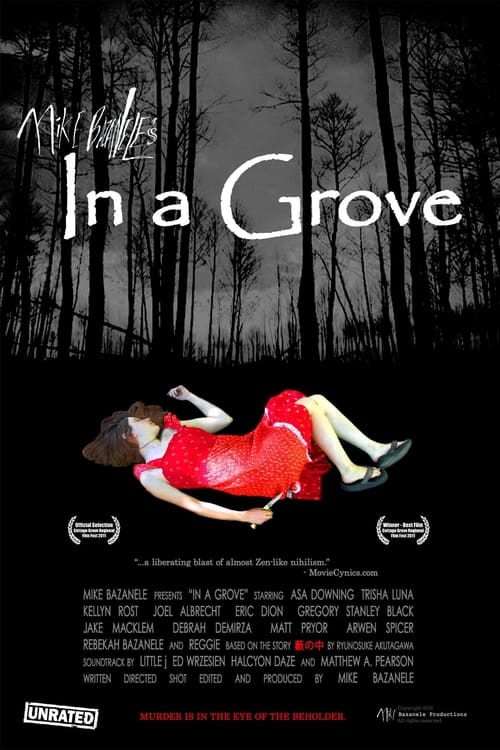
Based on "In a Grove" by Akutagawa Rynoske. One shiny summer day the investigation group comes at former quarry check of indications of accused, witnesses and victims of the murder and the rape took place there half a year ago.
God of Japan

No description available.
The Spider's Thread
Taiwanese director Jo Jo Wang's 1985 adaptation of Ryunosuke Akutagawa's short story "The Christ of Nanking". Taiwan's Government Information Office demanded cuts to the erotic scenes, objected to the poster (depicting lead actress Lu Hsiao-fen crucified nude), and demanded a change of the Chinese title.