Acting
Der Kommissar is a German television series about a group of detectives of the Munich homicide squad. All 97 episodes, which were shot in black-and-white and first broadcast between 1969 and 1976, were written by Herbert Reinecker and starred Erik Ode as Kommissar Herbert Keller. Keller's assistants were Walter Grabert, Robert Heines, and Harry Klein who, in 1974, was replaced by his younger brother Erwin Klein.
No description available.
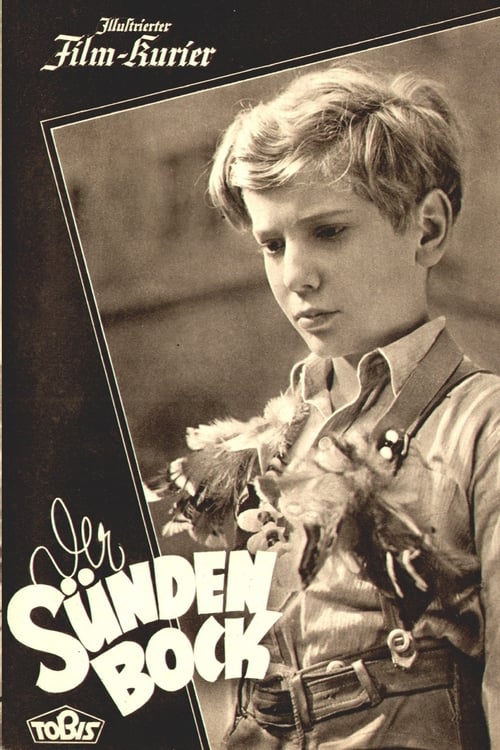
A group of German boys are ordered to protect a small bridge in their home village during the waning months of the second world war. Truckloads of defeated, cynical Wehrmacht soldiers flee the approaching American troops, but the boys, full of enthusiasm for the "blood and honor" Nazi ideology, stay to defend the useless bridge. The film is based on a West German anti-war novel of the same name, written by Gregor Dorfmeister.
A film for scatterbrains. Everyone's constantly forgetting something – the daughter the little dog, the father the files, the chauffeur forgetting to close the roof of his taxi when it's pouring rain and his passenger gets soaked. Everyone rushes through life and doesn't even have time for themselves. Then a "young" student (Hans Söhnker) returns to his hometown. He receives a lavish welcome and, at 34, is probably one of the oldest students in German film history. He has three fathers who support him financially and studies on their money. Interminably. Now he has to accept that his fathers have run out of money for his studies. So he rolls up his sleeves, forgets about the expensive degree, and switches to a trade. He does hair, he drives, he assembles film, he shaves, and he pins seams. There he meets a young lady, has time to serenade her, and then learns that his biological father is a millionaire, who now lends him a hand and distributes cash to the other cash-strapped fathers.
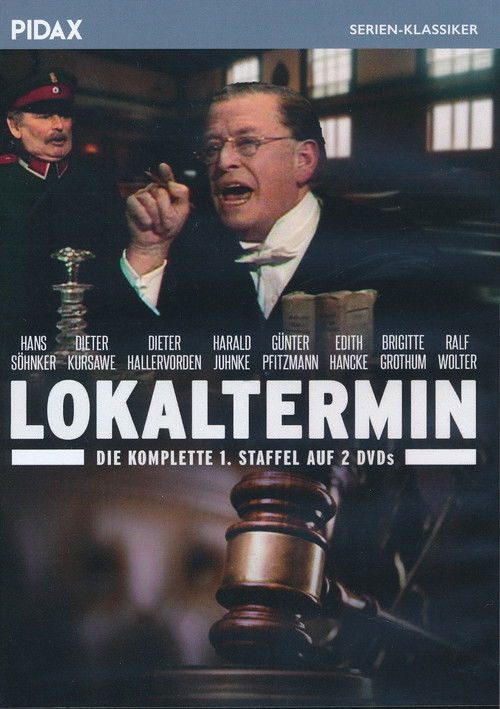
Lokaltermin is a German television series.
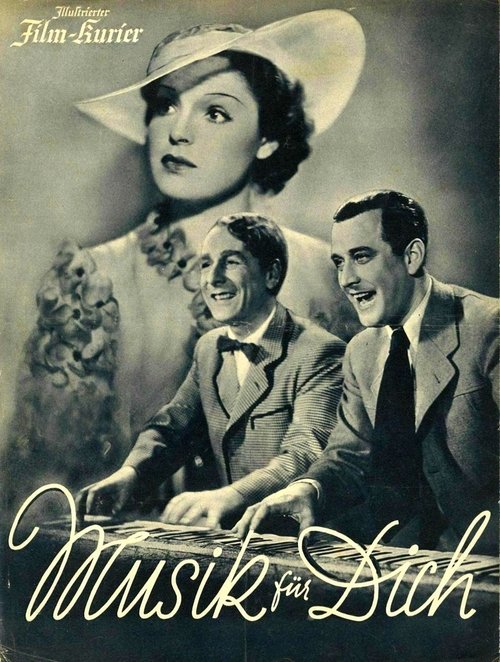
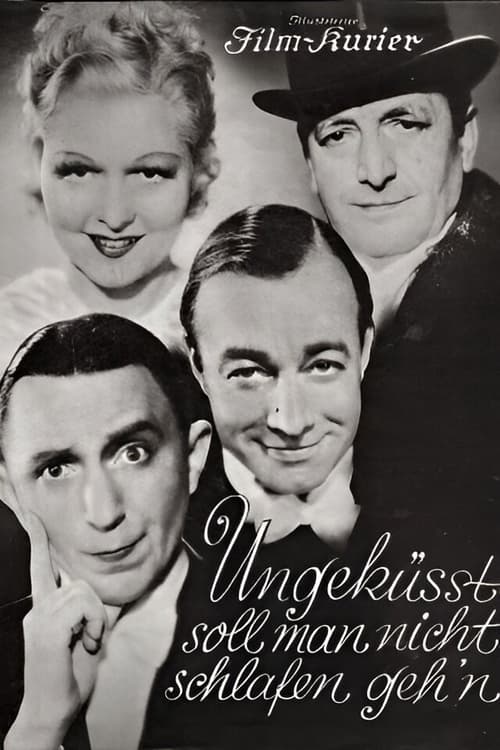
On the occasion of a charity ball in Vienna a kiss of a famous actress should be auctioned. Misunderstandings between the manager of the film star, a record producer and a student lead too all kinds of mistakes, during which a student is mistaken for a prince in disguise and almost breaks his hapiness. - Quickly and expertly produced mistake comedy with a lot of singing desposits and an at than popular comedian line-up, which offers amusing surface entertainment.
For many years, Ulrich, the hereditary forester, and Steinbach, the landowner, were the best of friends. But one day, this friendship is put to a severe test: Driven by financial need, Steinbach wants to have the forest cleared, which Ulrich condemns as brutal exploitation of nature – and therefore refuses to grant permission for the project. To clear the way for his plan, Steinbach ensures that Ulrich is dismissed as forester. When, a few days later, the dam built by Steinbach is blown up and the floodwaters inundate Steinbach's sawmill, suspicion immediately falls on Ulrich. The hereditary forester is ostracized, threatened, and even fears for his life.
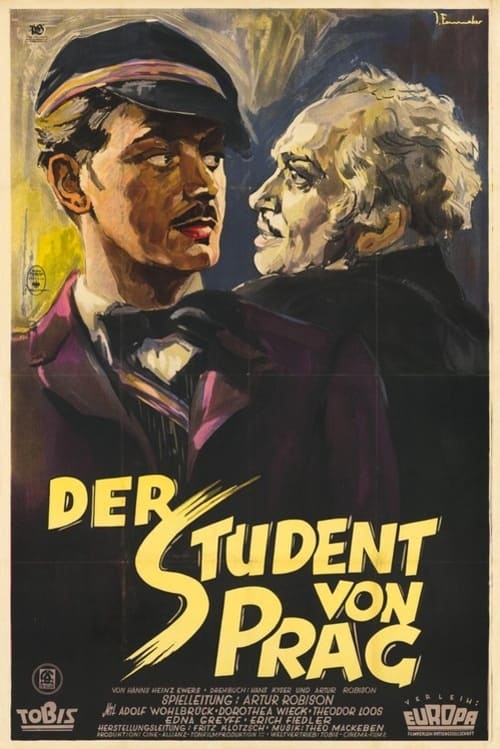
Prague in the 1860s: Balduin is a popular, handsome student, the best fencer in town, in amicable rivalry with his friend Dahl for the affections of Lydia, the innkeeper's niece. While the students are celebrating Lydia's birthday, the opera singer Julia Stella arrives at the inn - and Balduin's life begins to unravel. He is immediately infatuated with the glamorous singer - but she is already kept by an admirer, the wealthy and foppish Baron Waldis. How can a poor student hope to compete? The mysterious Dr. Carpis, who also has ties to Julia and is jealous of the Baron, intervenes. But the price will be higher than Balduin can ever imagine. He risks his sanity and his life - perhaps his very soul - haunted by his own reflection.
A British attorney working on a small island wants to return home to London, but first has to solve a mysterious crime.
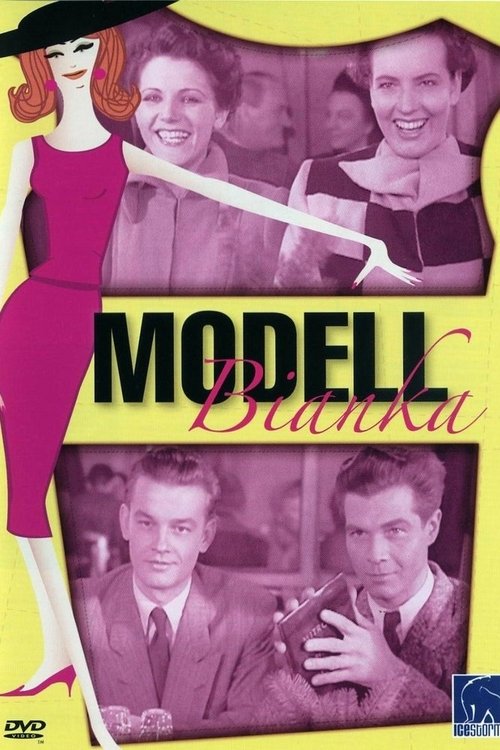
The friends Jochen and Gerd both work at the fashion boutique "Saxonia", which has only recently designed a new collection. Therefore, Jochen and Gerd are shocked when they meet two young ladies during their well-deserved holiday who are already dressed in two of the new pieces. And as if that was not enough, they pass the creations off as their own, even though they are employed at the competing company "Berolina". Naturally, the two men refuse to let the matter rest, although they do not actually want to raise a quarrel with the pretty ladies. After some turbulent entanglements they become aware of the foolishness of their squabbling and, eventually, the four of them present the disputed designs as a co-production at the fashion fair in Leipzig.
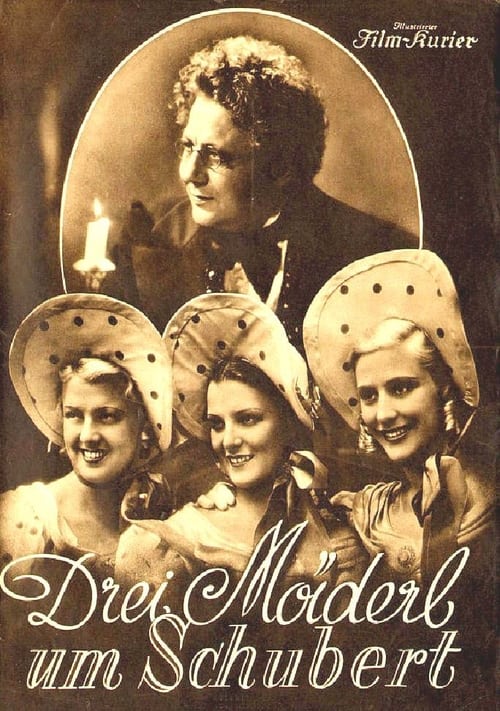
Composer Franz Schubert becomes involved with a family with three daughters, falling in love with the two blonds, first one, then the other; but will he notice the quiet brunet third daughter, who has fallen madly in love with him?
The young Styrian woman Therese Brandl desperately wants to work in the theater and therefore travels by train to Vienna to pursue artistic training. The scholarship granted by the elderly Countess Hoyer is intended to guarantee her financial independence. Unaware that she is to be picked up from the Vienna train station, the student immediately takes a taxi upon arrival and asks for recommendations for both an affordable hotel and a charming little pub. Therese gets approached by an older gentleman, a gray-haired bon vivant with considerable life experience. After several glasses of wine, they leave the establishment together and go to Therese's room. Apparently, things escalate there, and they spend the night together without having been introduced. The surprise is all the greater for Therese when she goes to the drama academy the following day to begin her training: her future teacher is none other than the gallant and lover from the previous night, Dr. Alexander Dahlen.
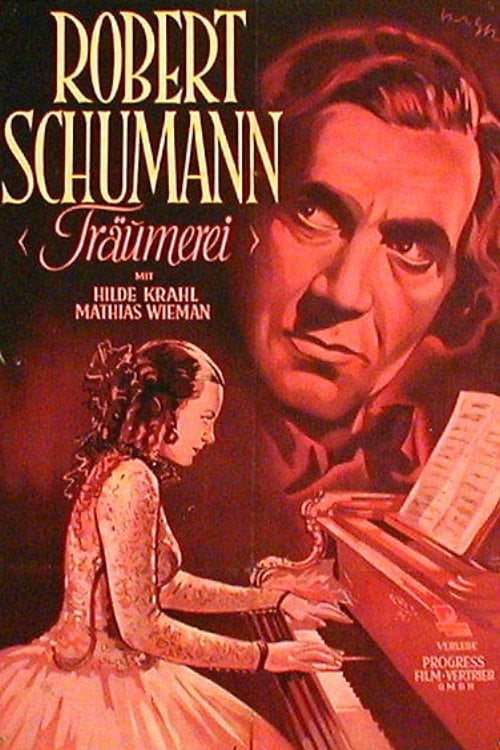
A musical film based on biographical facts about Clara Wieck's love for composer Robert Schumann (1810-1856), her marriage against her will, Schumann's triumph, and his tragic end due to mental illness. The film is beautiful and entertaining, full of noble spirit and beautiful words about art and love, which only conflict in a theoretical context; not least thanks to its solid cast, this film is quite serious and far from kitsch. Completed in 1944, during World War II, the film was rejected by the Nazi leadership, but was eventually released and enjoyed success with an audience already weary of war.
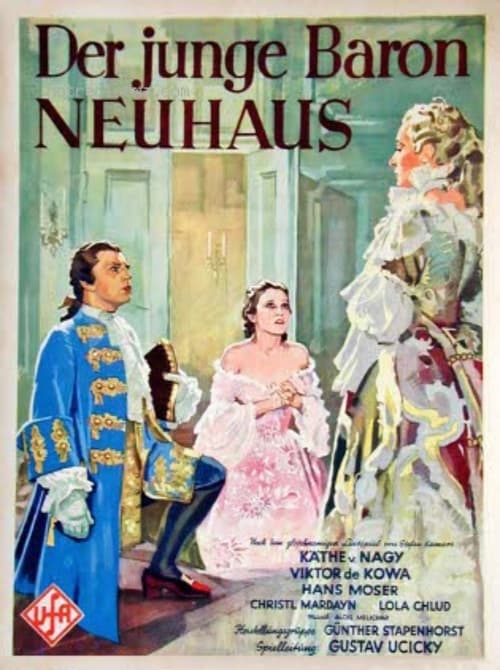
Vienna, 1753. Baron Neuhaus is flirting with two ladies-in-waiting, hoping to get a job at the imperial court. He succeeds, and the empress orders him to investigate the immoral conduct in the palace of which Neuhaus himself is the cause.
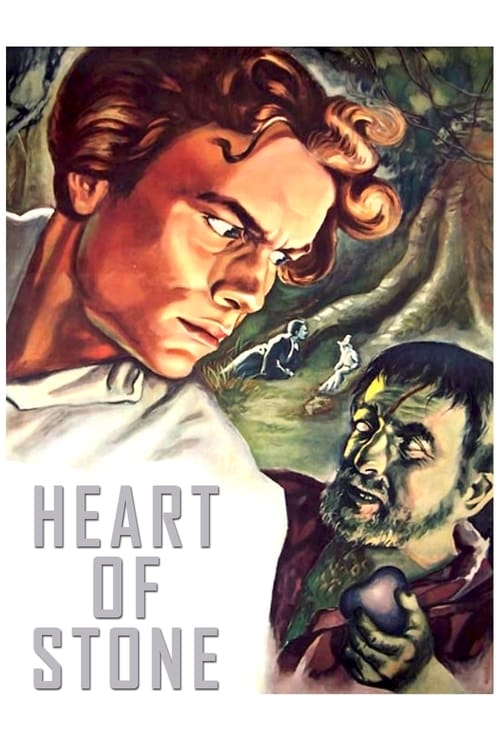
Lavish adaptation of Wilhelm Hauff′s fairy tale: Young charburner Peter Munk dreams of joining the upper class. He makes a deal with the sinister Holländer-Michel, who offers to trade Peter′s human heart for one made of stone. Once he has the "cold heart" in his body, Peter eventually strikes a fortune and enjoys great wealth, but at the same time, he becomes a bitter and emotionless man – and, having lost all traces of humanity, even murders his wife Lisbeth. Only then does Peter Munk finally realize what has become of him, and he decides to regain his real heart from Holländer-Michel.
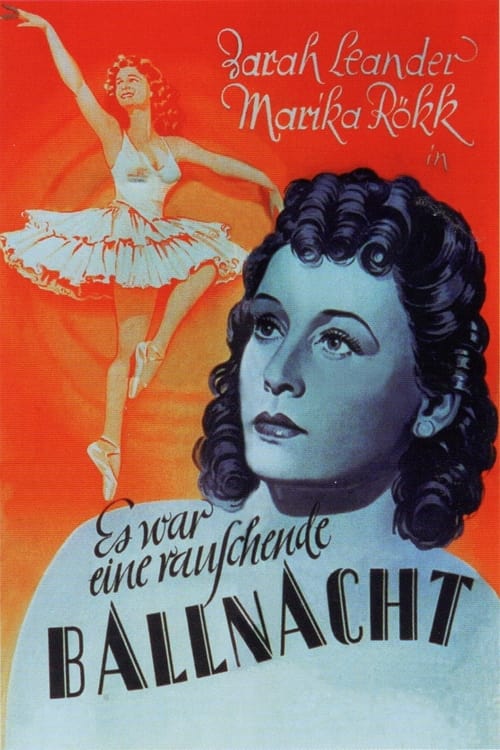
1865. Katharina goes to a ball in Moscow. There she meets again Tchaikowsky, her first and only love. The young, who is now married to wealthy Michael Iwanowitsch Murakin, a man she does not love, has not forgotten Piotr Illich, the (not yet) famous composer. Both are still in love with each other but Piotr is engaged to Nastassia, a dancer, while for her part Katharina cannot leave her husband. Tchaikowky's first love then decides to sacrifice her happiness to the success of the composer, sponsoring him in secret. Something Piotr will learn only years after. When Katharina finds herself free at last it is too late: Tchaikowsky is dying of cholera and she only has time to close his eyes.
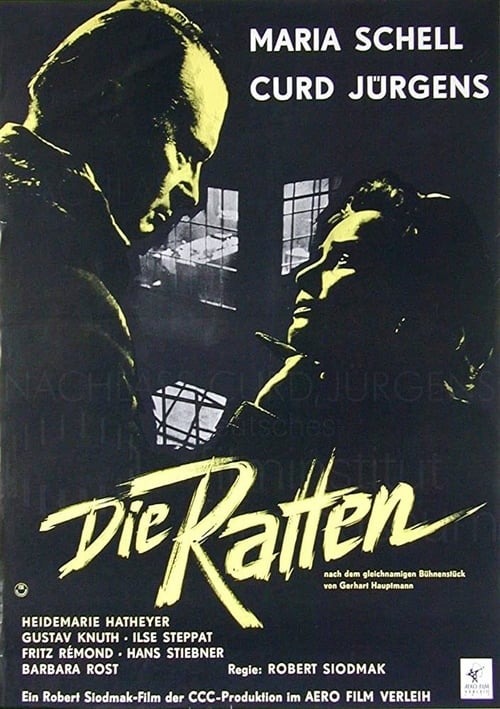
Soon after World War II, a pregnant Polish refugee, Pauline, wanders Berlin looking for the boyfriend who abandoned her. She has no option but to sell her child to another woman, Anna. After the birth, Pauline decides she wants the baby back.