Acting
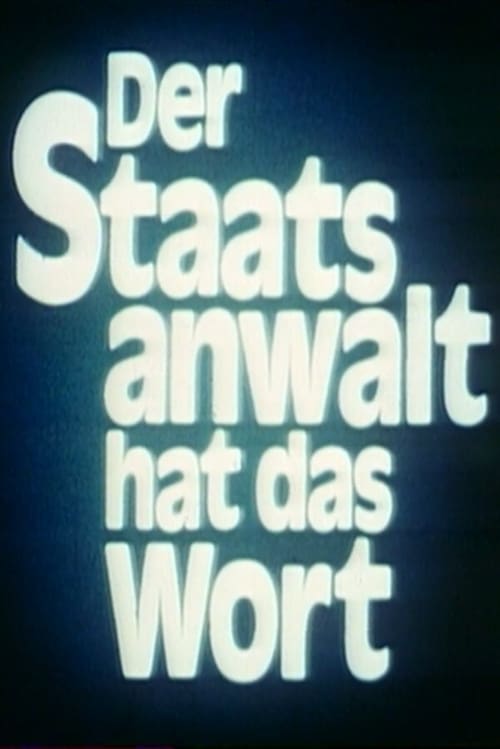
Der Staatsanwalt hat das Wort was an East German television series.
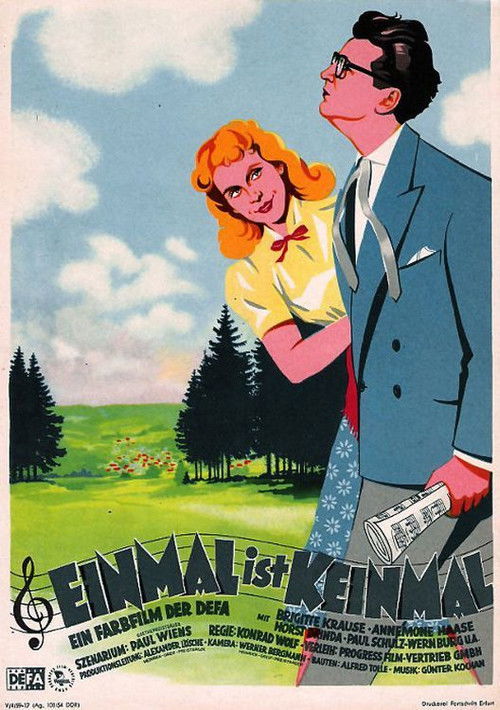
A musician seeks a peaceful vacation in a Vogtland village but is soon overwhelmed by requests for a symphonic composition and a pop song for a local dance band, leaving him with no time to relax.
A funny adventures of the twelve years old girl Antje who is fascinated by the stories about a famous pirate Stortebeker.
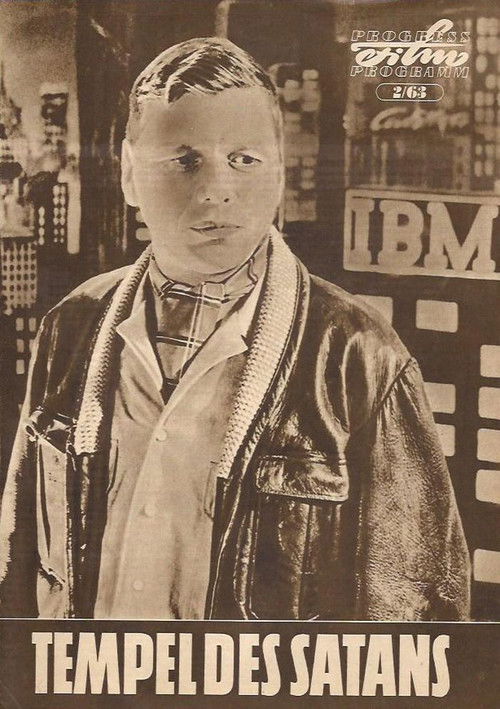
A few Conti Press journalists are granted exclusive coverage of the launch of the newly developed Skylight 3 intercontinental ballistic missile from the CBA rocket center. But the test ends in disaster. Parts of the rocket break loose and the head, armed with napalm, drifts off uncontrollably. Former pilot and star reporter Pit Nordfors succeeds in uncovering the scandalous background to the false launch. But the Conti Press retracts his article as it turns out that the CBA is a major shareholder in the newspaper group. Nordfors soon gets the opportunity to beat the powerful with their own weapons.
No description available.
The love story of Emma and Johannes begins during the hard years of the Great Depression. Emma repeatedly tries to encourage her husband, who is suffering terribly from unemployment. However, the crisis continues to intensify and social disintegration affects millions.
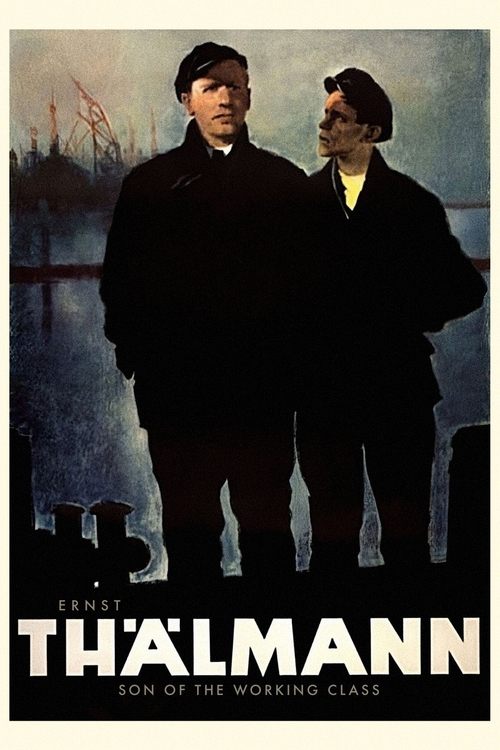
This film is the first of a two-part historical and biographical portrait of the communist politician and anti-fascist Ernst Thälmann. In early November 1918, Ernst Thälmann is an unwilling soldier serving on the western front. As the revolutionary movement at home is threatened by the betrayal of the Social Democrats and fissures in the working class, Thälmann calls on his fellow soldiers to put down their weapons and unite with the workers in the communist struggle at home. Thälmann’s qualms about which side he is fighting on continue, but when the local police attempt to prevent a shipment of provisions and supplies from reaching the people in Petrograd, he intervenes and the ship is unloaded. With this moment of clarity, Thälmann continues to follow his political convictions and joins the workers at the Hamburg uprising in October 1923.
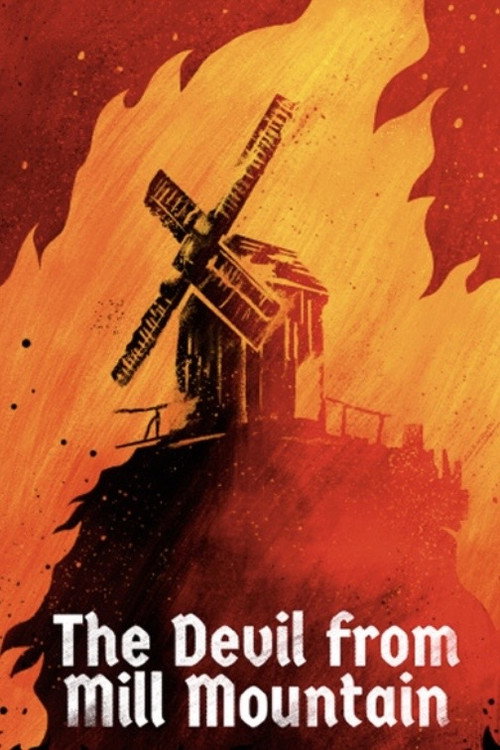
This film is set in a medieval mill town in the Harz mountains. The greedy and brutal millman and his accomplices, the castle steward and the mayor, set fire to a forest mill that the farmers used for processing their grain. Without their mill, the farmers must now rely on the millman's services. When the farmhand Anna uncovers the millman’s crimes, he swiftly detains her and a young miller, Jörg. The forest spirits have a different plan, however, and they free the young couple with the charge to rebuild the ruined forest mill and turn things around for the villagers.
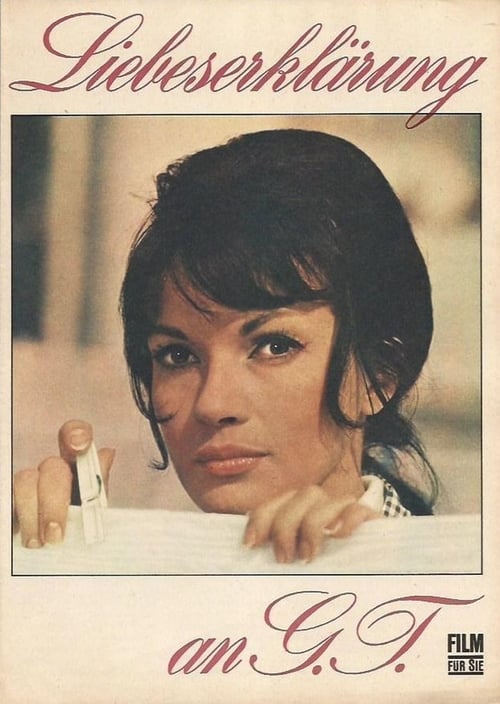
Dr. Gisa Tonius, a physicist in her thirties who has a nearly adult stepdaughter, cherishes the desire to have her own child. Suddenly, a big interdisciplinary research project threatens to significantly change Gisa′s life. Uncertain whether to look for professional or private fulfillment she asks her family and friends for their opinions. They all have different views on the point at issue. While her husband is afraid of losing her to her profession, her professor thinks that because of her talent she has an obligation towards science. In the end, Gisa reaches a decision: She wants to have a baby as well as take on the research project.
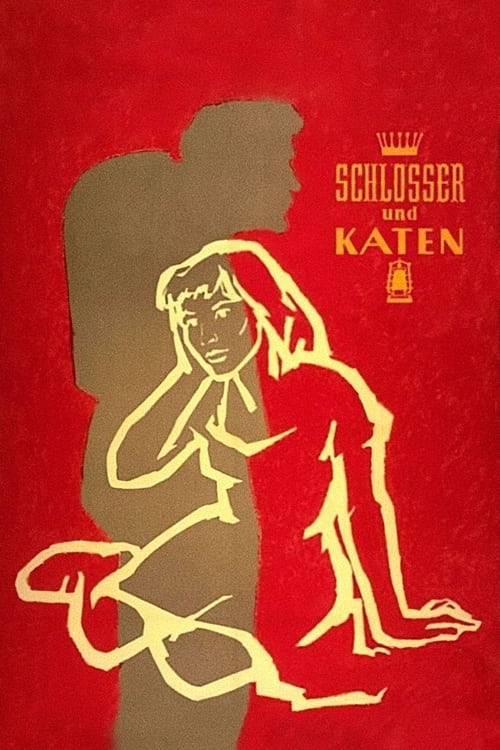
Lifelong hard work for the count makes the servant Anton a cripple. Everybody calls him Crooked Anton. When, after the end of the war, the land of the count gets divided amongst the farmers, Anton receives a piece and hopes to be able to work freely. But an old debt and intrigue keep Anton and his family from finding peace. The farmers of the village begin to discover their own power when Annegret, Anton's daughter, leaves. Is a new beginning possible for Anton? This film paints an impressive panorama of the development of a minor village in Mecklenburg from the end of the war to the uprising of 17 June 1953.
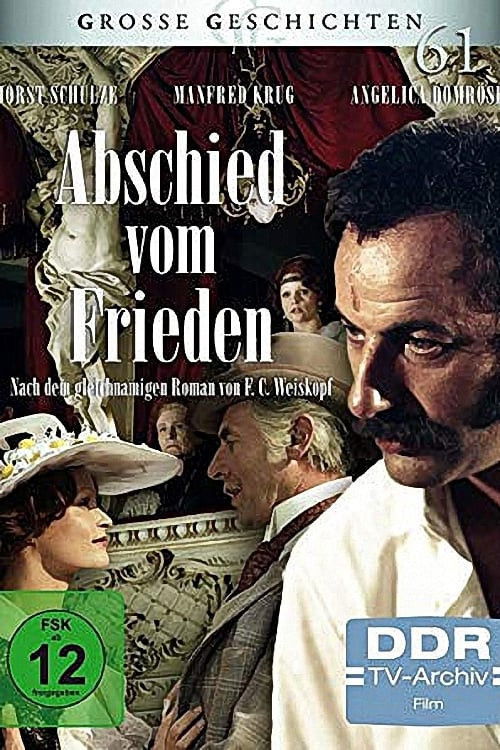
Prague 1913: The family of newspaper publisher Alexander Reither, traditionally reunited for a New Year’s dinner, moves along convoluted and secretive paths in everyday life. Granddaughter Wally is impressed by the opaque businessman Marko Gelusich. Her cousin Adrienne meets the young socialist Joseph Prokop at an illegal anarchist meeting. On a business trip to Vienna, Alexander Reither falls in love with Irene v. Claudi. Adrienne wants to move completely into Joseph Prokop’s proletarian world, but her mother Kalivoda makes her a painful announcement. Joseph already has a girl. Alexander finds Irene v. Claudi in Budapest. They spend happy days in Vienna. In Prague, the printing workers go on strike. Adrienne fights alongside the workers and Robert Kalivoda. She experiences class struggle with her cousin Guido Frank. Alexander tries to introduce Irene to the family.
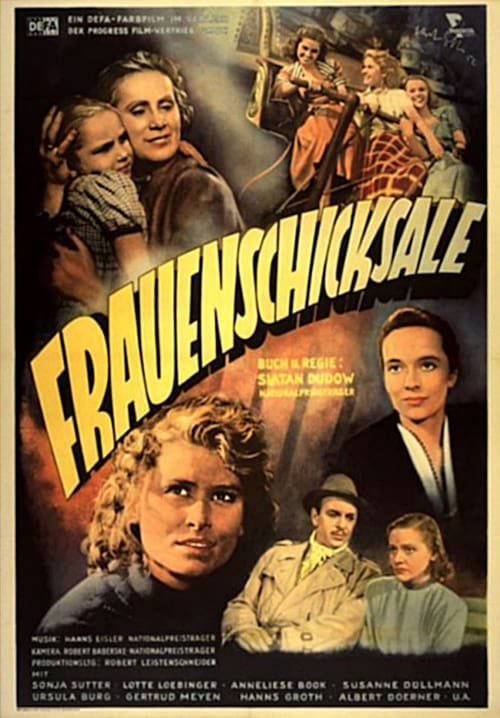
Berlin 1952, seven years after WWII. Four women are looking for a good man and happiness in the divided city. Their destinies are loosely connected through one person: the West Berlin dandy and womanizer, Conny.
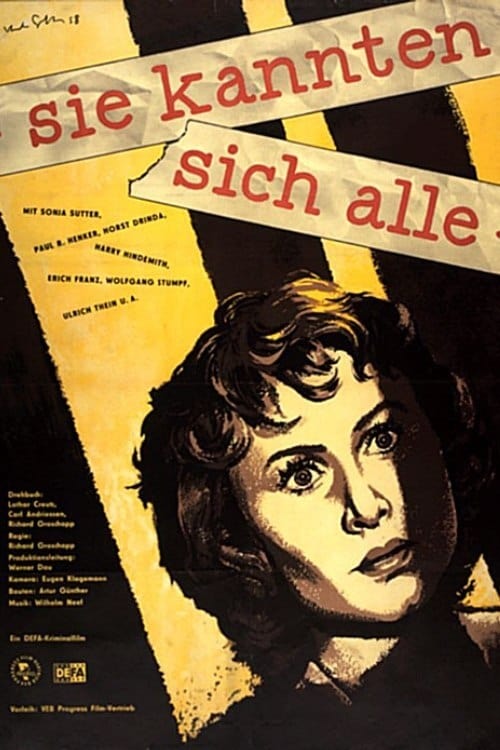
A car factory in the GDR. During a test ride there is a major accident. One driver is dead, another is seriously injured. The investigation reveals: sabotage.
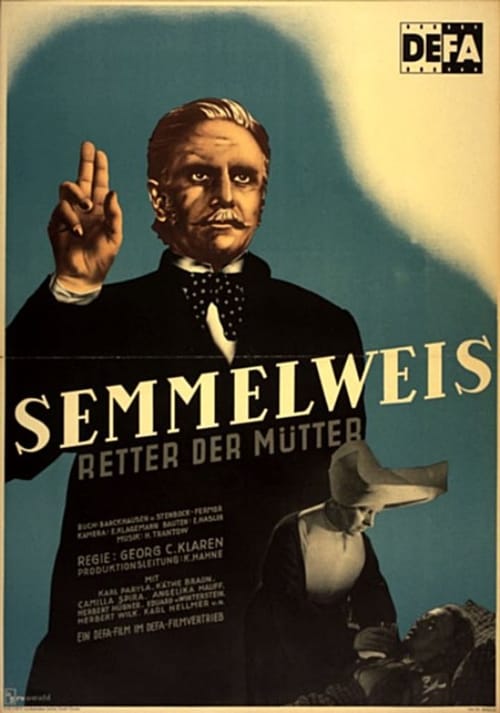
In the middle of the 19th century, almost one in three women who gave birth died of puerperal fever. The Hungarian doctor Ignaz Philipp Semmelweis also observed these terrible occurrences in his clinic in Vienna. He came to the conclusion that it was primarily the unhygienic conditions in the clinic itself that led to this disease, as his colleagues were constantly shuttling back and forth between the anatomy department and the delivery room. He tries to convince the doctors of the absolute necessity of thorough disinfection by washing their hands with chlorinated lime. He meets with fierce resistance from his colleagues until he himself sets up an exemplary clinic in Budapest.