Acting
Polizeiruf 110 is a long-running German language detective television series. The first episode was broadcast 27 June 1971 in the German Democratic Republic, and after the dissolution of Fernsehen der DDR the series was picked up by ARD. It was originally created as a counterpart to the West German series Tatort, and quickly became a public favorite.
Der Staatsanwalt hat das Wort was an East German television series.
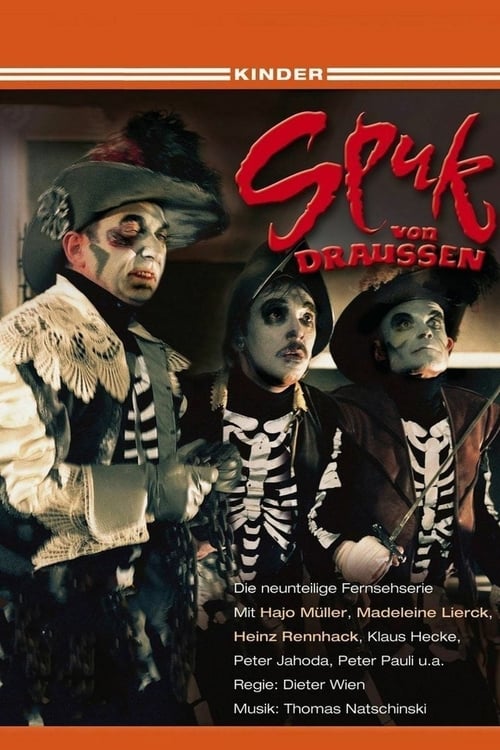
An adventures of a Berlin family spending summer in haunted house.
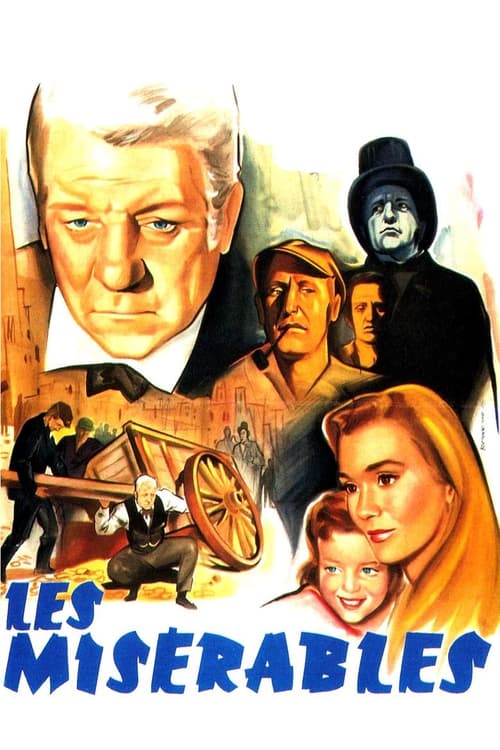
In 19th century France, Jean Valjean, a man imprisoned for stealing bread, must flee a relentless policeman named Javert. The pursuit consumes both men's lives, and soon Valjean finds himself in the midst of the student revolutions in France.
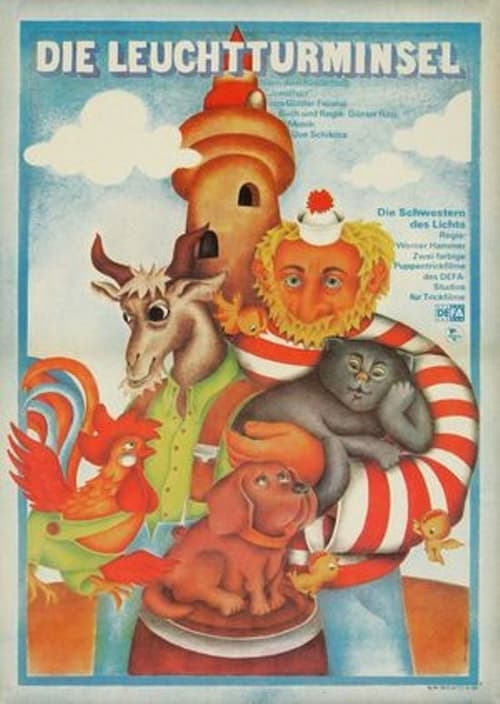
The lighthouse keeper Jonathan not only has to restore the old tower, but living together with a lazy tomcat, a nagging goat and the dog Moonlight also causes some problems. Thanks to Jonathan's empathetic help, they all find a way to live together.
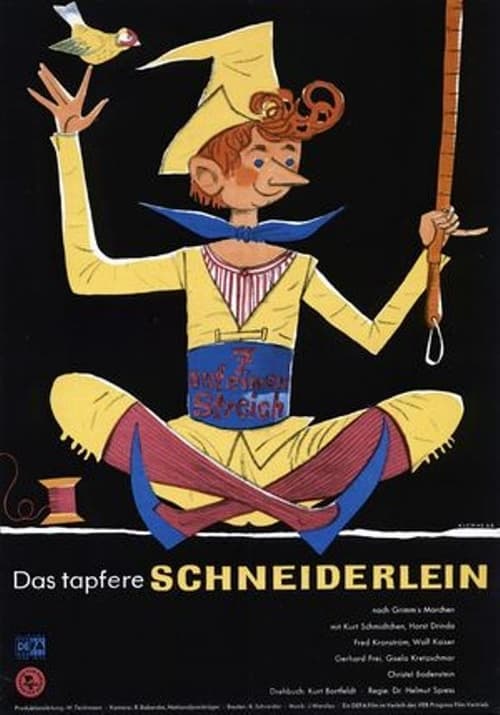
When Prince Vain got his shirt fixed, he proclaims that he had slain two lizards in front of the tailor's house - "two in one strike". When the tailor swats seven flies at once, he sows himself a banner saying "seven in one strike", and together with his bird he starts a journey into the world to pronounce his deed.
Stationed in a secluded Bulgarian village in 1943, Walter – a German Wehrmacht sergeant and artist – lives in almost idyllic distance from the war. Then a transit camp is set up for Jews arriving from Greece. When Ruth, one of the internees, asks Walter to help a pregnant woman, the two form an unlikely bond.
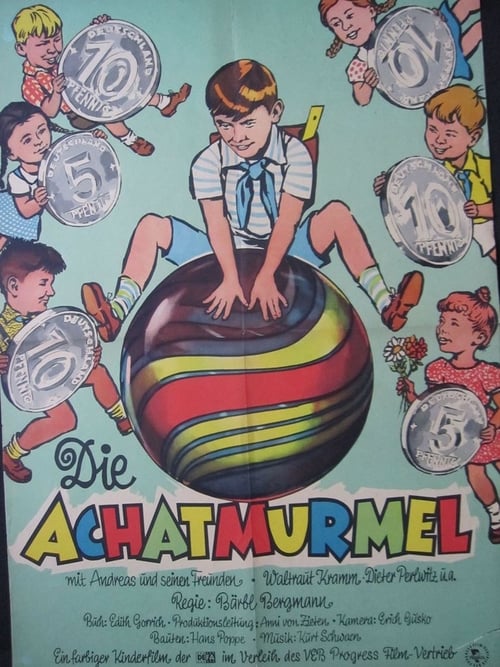
Andreas wanted a special marble for his birthday, but didn't get one. His friends then buy him one and lose it in the tall grass. Andreas finds the marble and quietly keeps it...
Twenty-year-old electronics technician Liane, desperate to escape her broken home, resists a demotion at work and falls for research student Jürgen. Fiercely defending colleague Kalle against unfair accusations, she overshadows her own troubles, including an unplanned pregnancy. When Jürgen betrays her, Liane collapses, and she wonders if a new beginning with steadfast Kalle is possible.
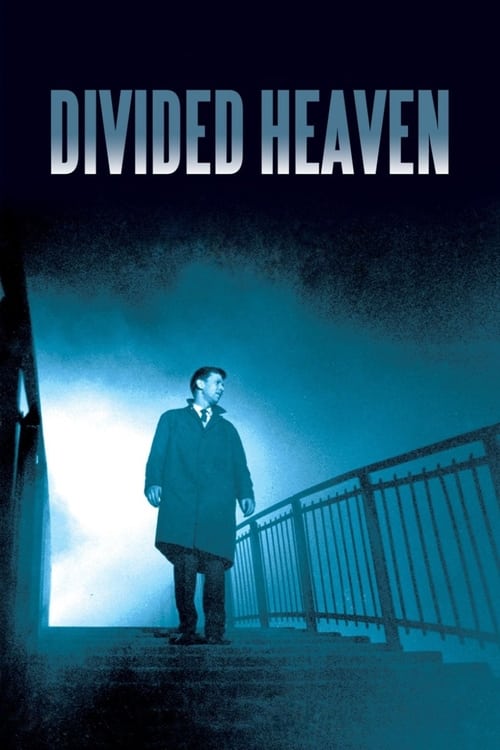
After a breakdown, Rita returns to her childhood village in 1961. As she recovers, she remembers the past two years: her love for the chemist Manfred, ten years her senior; how his enthusiasm about his new chemical process turned to bitter disappointment in the face of official rejection; how he escaped to West Berlin a few weeks before the Wall was built and hoped that she would follow him …
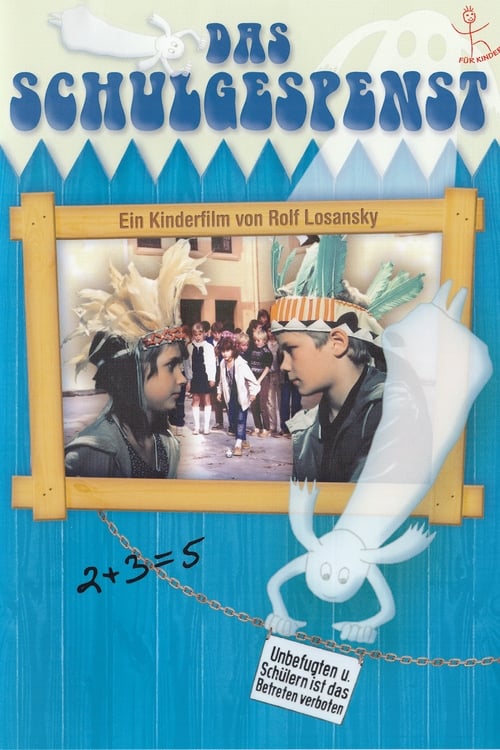
Carola is a mischievous girl who doesn't care much for school- except for sports and recess, of course. Without her good friend Willi to keep her on the straight and narrow, she would really be in trouble. One day at school, Carola has an idea. She invents what she calls "International Ghosts' Day" and a ghost named "Buh" to go with it. When Buh turns out to be less-than-imaginary the two decide to switch places, with Buh taking on all the schoolwork, and Carola taking the opportunity to play practical jokes on all her friends...
Princess Aurinia goes with her maid Lisa to the castle of King Ewald, his son Ivo, to whom she is promised as a wife. On the way, Lisa forces the princess into a role reversal, her secret plan is that she herself wants to be queen.
Early 1921: a man is on his way home. Gleb Chumalov, regimental commander, worker and Hero of the Order of the Red Banner, returns to his home town from the Civil War. The victory over the enemies of the Russian people gives him the conviction that a new, better time will dawn overnight. Gleb looks for his comrades from earlier years, but only finds people who are emaciated by their efforts. The cement works where he used to work has been plundered and abandoned. With great effort, Gleb and his comrades try to get the plant up and running again. The struggle seems to begin anew... It is the time after the victory of the “Great October Socialist Revolution“ and the time of building a new society.
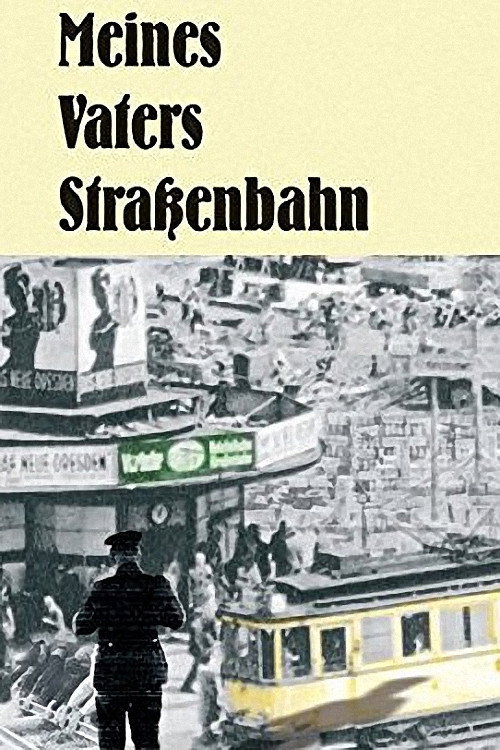
Ralph grows up in pre-war Dresden as the eldest son of a principled and orderly streetcar conductor. With the rise to power of the Nazis, the war, the collapse and the hesitant new beginning, his firmly established middle-class world is also thrown off course. His father is one of the first to be called up to the front. His mother is left alone with the responsibility for Ralph and his younger brother Achim. In the air-raid shelter, during the nights of bombing and later in the daily struggle against misery and hunger, the mother quickly abandons all moral baggage and develops a pragmatic will to survive, for which she admires Ralph. At the same time, the boy is frightened by his mother's desperate claim to happiness because he perceives her affairs as a betrayal of his father, who has gradually faded into a symbol of a happy, carefree childhood.
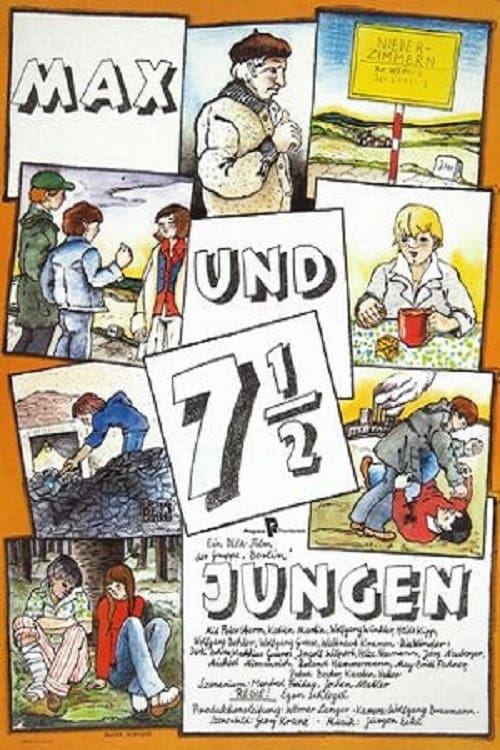
Max Stricker, an old anti-fascist, informs a class of eighth graders before their planned visit to the former concentration camp in Buchenwald. But the boys and girls are not very interested in Max′s lecture and instead stop his lecture with their constant interferences. On the trip to Buchenwald, the class roughnecks around wannabe hoodlum King also want to cause trouble. Thus, a small group of pupils secretly leaves the train before it arrives. Max notices the runaways, follows them, and offers them a bet: He challenges them to get to Weimar on their own, with only five Marks left.
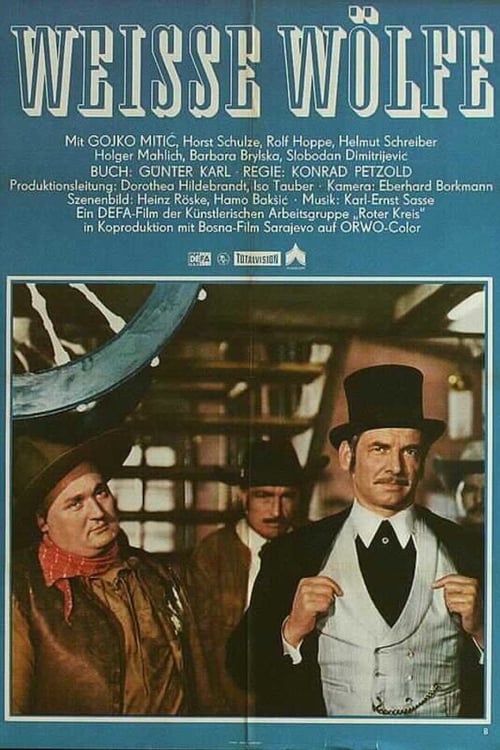
Farsighted Falcon, chief of the Lakota, seeks refuge in the Black Hills with his wife Blue Hair and two warriors, sole survivors of their tribe. When they are attacked by the outlaw Bashan, Falcon strikes out for the town of Tanglewood to take on Bashan's boss, mining magnate Harrington.
Lifelong hard work for the count makes the servant Anton a cripple. Everybody calls him Crooked Anton. When, after the end of the war, the land of the count gets divided amongst the farmers, Anton receives a piece and hopes to be able to work freely. But an old debt and intrigue keep Anton and his family from finding peace. The farmers of the village begin to discover their own power when Annegret, Anton's daughter, leaves. Is a new beginning possible for Anton? This film paints an impressive panorama of the development of a minor village in Mecklenburg from the end of the war to the uprising of 17 June 1953.
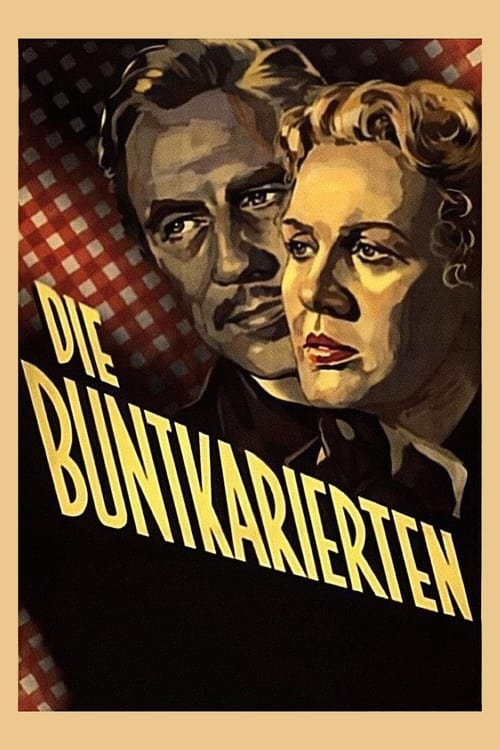
A moving saga focusing on the women in a family that spans three generations and almost 70 years of German history, from the Wilhelmine period through the end of WWII. This film shows that it takes a combination of hard work, political consciousness and family work in tandem to face the tragedies of war, economic hardship and death.
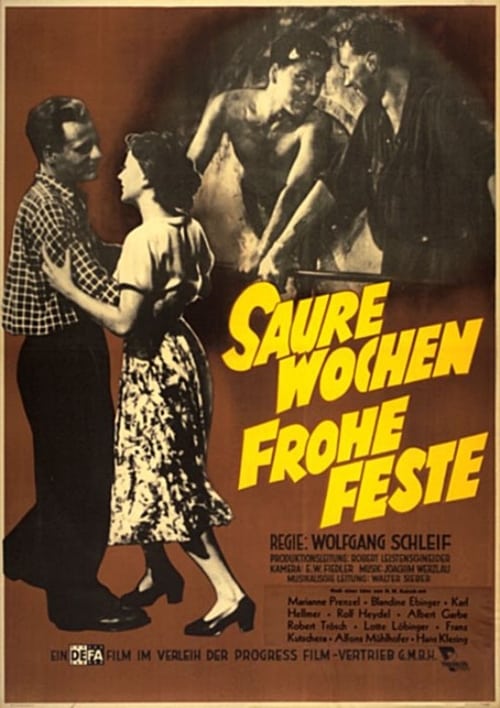
A theater competition breaks out on the occasion of the four-year anniversary celebrations at the Hennigsberg power plant. The old hands want to perform the kitschy musical comedy "Gärtnerliesl". The youngsters are against it and are planning their own program with which they want to skewer events from the plant in a cabaret style. But first, everyone has to work together on a turbine breakdown. On the day of the festival, the "Gärtnerliesl" fails with timpani and trumpets, while the youth's program is met with great applause, which the rivals join in with.
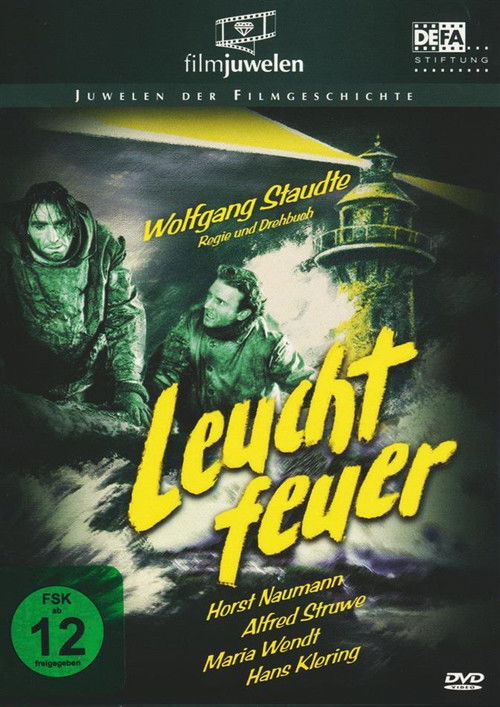
On a barren and stormy island, fishing families eke out a meager existence on what they can catch during summer, and what washes ashore during winter. But little has been washing ashore of late, and their situation worsens. Elders recall how twenty years ago, when the lighthouse keeper’s beacon went dark, a cargo ship broke apart on the cliffs. It proved a bountiful accident for the fishermen. Today people on the island view the conscientious lighthouse keepers with evil hungry eyes...