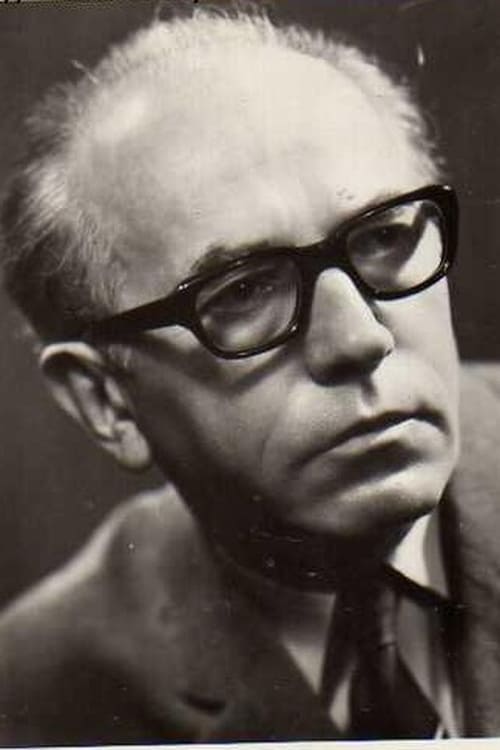
Vladimír Šmeral
Acting
Known For

No description available.
F. L. Věk

No description available.
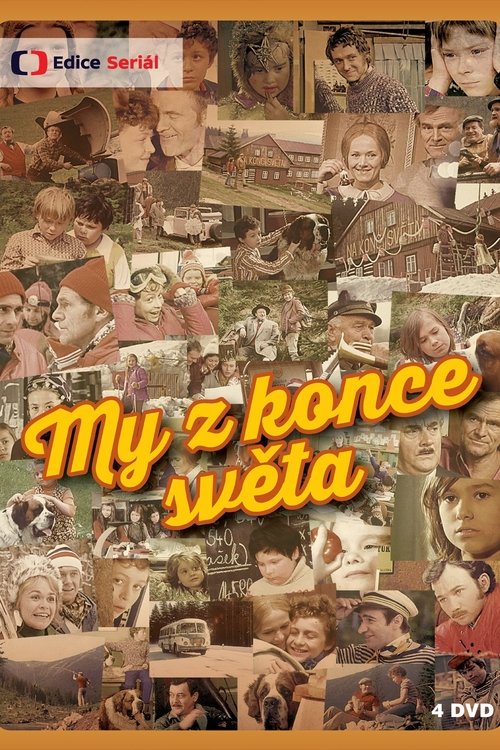
My z konce světa

Muž na radnici was a Czechoslovak television program which was broadcast in 1976. The program was directed by Evžen Sokolovský. In 2011, it was announced that the program, along with 17 others, would be released on DVD within three years.
Muž na radnici
No description available.
České pohádky

No description available.
Byl jednou jeden dům
No description available.
Rozsudek

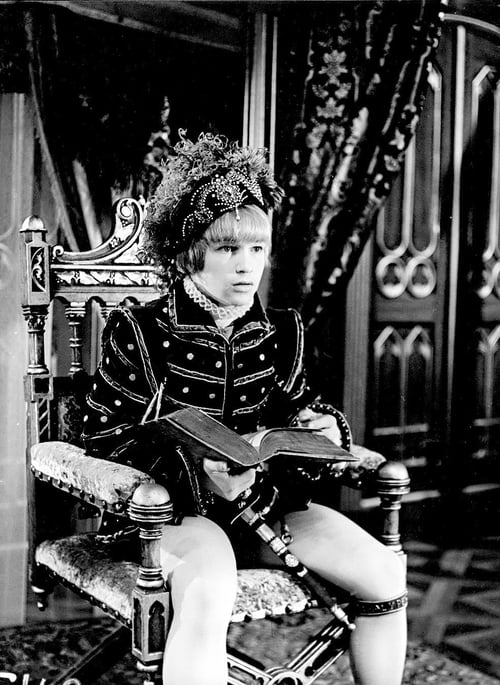
A prince meets a young man to whom he bears a striking resemblance. The two exchange places and learn to be better people in the process.
Princ a chuďas

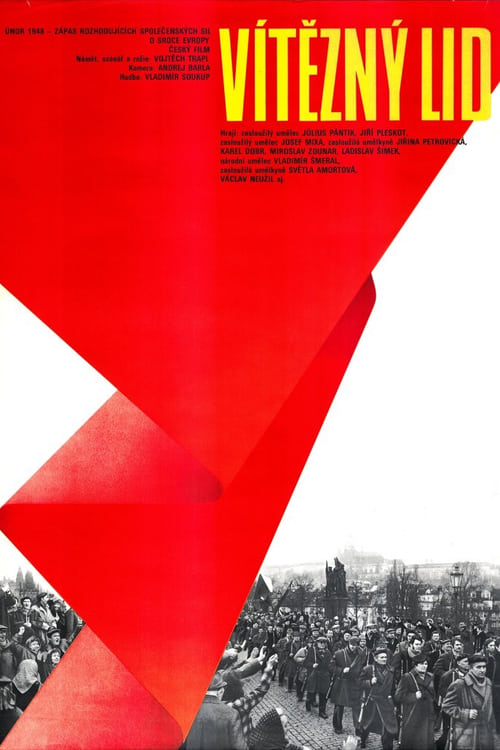
On 20th of April 1945 the Soviet army launches its attack on Berlin. The end has come for Nazi Germany and Hitler decides to commit suicide. In Prague K.H. Frank (Nazi Secretary of State and Chief of police in the Protectorate of Bohemia a Moravia) discusses with his commanders how to transform the city into an impregnable fortress, but the Praguers do not intend to wait any longer. From the early hours of 4th of May people start assembling in the streets and tearing down German signs. On the next day, the 5th of May, the uprising begins.
The Liberation of Prague

Sixteen-year-old students of a grammar school are supposed to write essays on "Love". The class best student Andrea (Jaroslava Schallerová) writes about a patriotic love to a country as she has no experience with a partner love. She has been living alone with her divorced pretty mother Eva (Milena Dvorská), a dentist, for many years. Recently, however, Eva met her former school-days love at a graduates' party, nowadays a famous hockey goalkeeper Brukner (Frantisek Velecký). Also his marriage fell apart; he leaves the national team and decides to leave Prague for his home town and to share flat with Eva. He takes with him his son Petr (Oldrich Kaiser), in Andrea's age, who gets his last chance to finish a grammar school in the town.
Love
No description available.
Německé pohádky

In post-WWII Communist Czechoslovakia, several characters considered bourgeois are sentenced to work in a junkyard for rehabilitation. Among them is a young man who pines for a female convict.
Larks on a String

In the Škoda factory, where they are feverishly rearming in 1914, works the foreman Kalina, the father of the young men Pavel and Jan. Pavel is a supporter of the monarchy, while Jan, on the contrary, defends the idea of our national independence. Just before mobilization, Jan escapes to Russia, where he joins a group of volunteer legionnaires called the "Czech Company", fighting against the Austro-Hungarian monarchy. Pavel enlists in the Austrian army. The brothers do not meet again until July 1917 in the battle of Zborov in Ukraine, which marked a successful breakthrough of the Austro-Hungarian front.
Zborov

In a country whose people have just been successfully persuaded of their superiority and the justification for military expansion by the fiery speeches of a dictator, the bacillus of a highly destructive form of leprosy has spread. It is called morbus Tshengi, or popularly „white disease“. The only one who has developed an effective cure for it is a physician of the poor named Galén. But he refuses to reveal the secret of his cure as long as the powerful destroy human lives through wars.
The White Disease

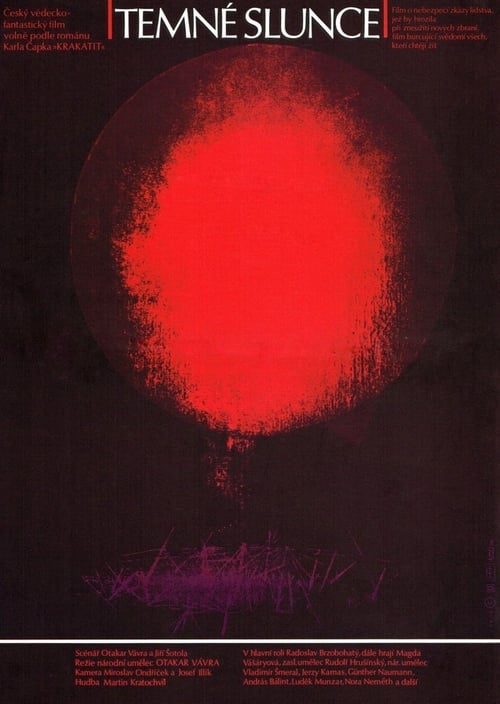
A remake of Vávra's 1948 atomic age thriller Krakatit. Engineer Prokop creates the devastating explosive “Krakatit” and soon confronts manipulative agents and imperialist conspiracies. Realizing his invention’s threat, he fights to prevent its misuse, risking everything to stop those who seek to exploit his epochal discovery.
Dark Sun

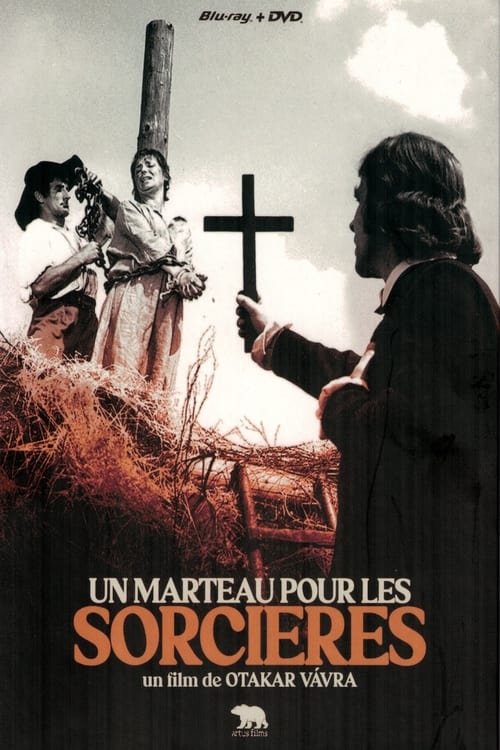
In the 1600s, an overzealous clergy hauls innocent women in front of tribunals, forces them to confess to imaginary witchery, and engages in brutal torture and persecution of their subjects.
Witchhammer

This feature film based on the events of 1938 is a chronicle of the futile efforts of the Czechoslovak president Edvard Benes (Jirí Pleskot), politicians and ordinary citizens, to save the independence and the territorial integrity of the state from the advance of Hitler's Germany. On the 29th of March 1938 the leader of the Sudeten Germans Henlein (Werner Ehrlicher) has a meeting with Hitler (Gunnar Möller). Hitler orders him to intensify pressure on the Czechoslovak government. On the 24th of April in Carlsbad, the Sudetendeutsche Partei (Sudeten German Party) decides upon eight demands that are unacceptable to the Czechoslovak President, since they would ultimately lead to the break-up of the Republic. Benes still shows a certain willingness to negotiate, and Henlein resents this. The Germans are determined to make further negotiations impossible through incidents and violence.
Days of Betrayal

This Czechoslovakian children’s film takes place during the last days of the Austro-Hungarian empire. The young son of a horse trainer loves nothing more than riding his horse, until he is stricken by polio…
Jumping Over Puddles

A colour-printed melodramatic selanca from the beginnings of the organised labour movement in Bohemia... Antonín Zápotocký, the second workers' president, is the author of the literary novel Rozbřesk - the plot is said to be inspired by the fate of his grandmother and mother.
Čas lásky a naděje
When the handsome parish priest takes on a single mother with a child, he has no idea what kind of malicious gossip he will be exposed to. But he is determined to take care of his brother's girlfriend, who left for America for a long time, not knowing that he had become a father, despite all the difficulties...
In Temptation
Mist on the Moors examines fates of just about a few people. Their stories are outlined in a short space of time and are a symbolic representation of the drama of life, struggle for justice, human cognizance and the healing power of love. One of the most important components of the film is the nature, which ceases to be a mere stage for its plot—it serves almost as an autonomous plot agent. The movie landscape is a precisely defined and localized one. Only the South Bohemian ponds can serve as the right environment for development of such earthy and typically human stories as we encounter in the Mist on the Moors.