Richard Pearce
Directing
Biography
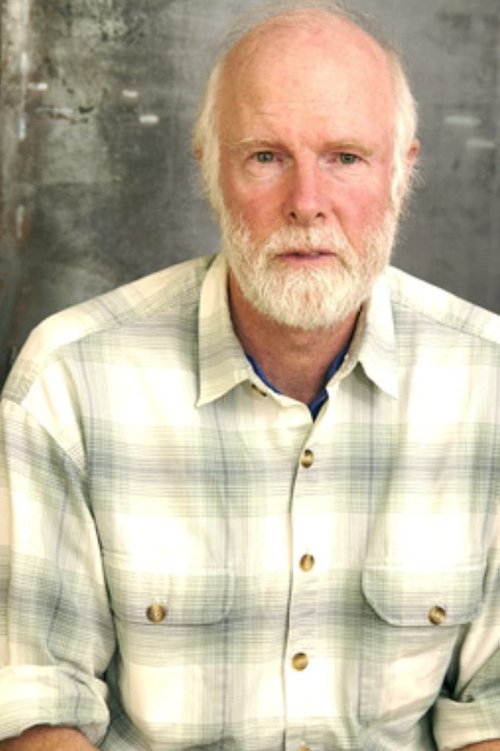
From Wikipedia, the free encyclopedia. Richard Pearce (born January 25, 1943 in San Diego, California) is an American film director and producer. He prepped at St. Paul's School and then earned a B.A., English from Yale University in the Class of 1965. While in college, he was a guitarist for, and a leader of, the Augmented Seven, a singing group that featured three guitarists. It was the only singing group at Yale at that time that was not strictly a cappella. He was also a member of Scroll and Key Society. Pearce is credited as the cinematographer of Hearts and Minds (1974), documentary film about the Vietnam War. He won the Golden Bear award at the 30th Berlin International Film Festival in 1980 for his film Heartland. Description above from the Wikipedia article Richard Pearce, licensed under CC-BY-SA, full list of contributors on Wikipedia.
Known For

The show follows Crime Scene Investigators working for the Miami-Dade Police Department as they use physical evidence, similar to their Las Vegas counterparts, to solve grisly murders. The series mixes deduction, gritty subject matter, and character-driven drama in the same vein as the original series in the CSI franchise, except that the Miami CSIs are cops first, scientists second.
CSI: Miami

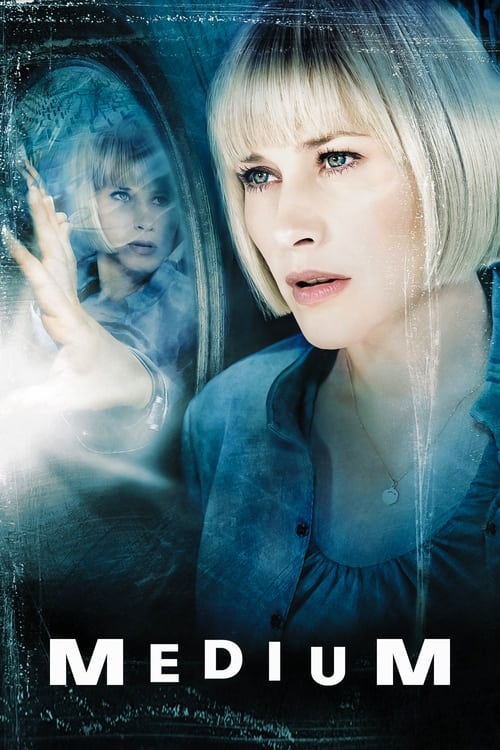
Allison Dubois works in the District Attorney’s office using her natural intuition about people and her ability to communicate with the dead to help to solve crimes. Her dreams often give her clues to the whereabouts of missing people.
Medium

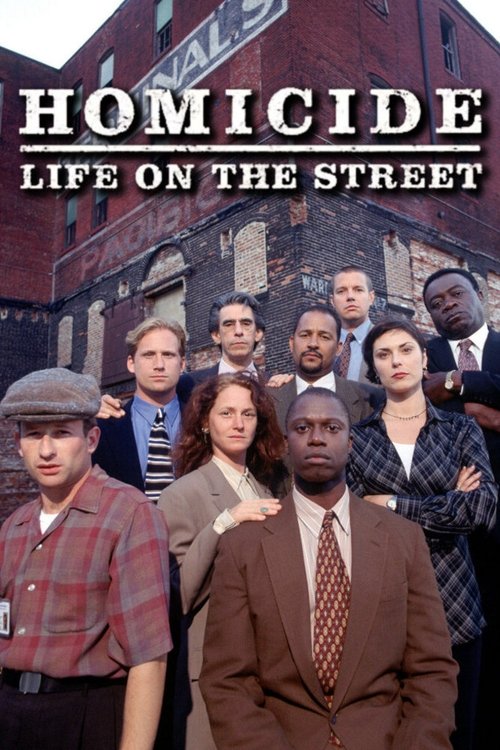
An American police procedural chronicling the work of a fictional version of the Baltimore Police Department's Homicide Unit.
Homicide: Life on the Street

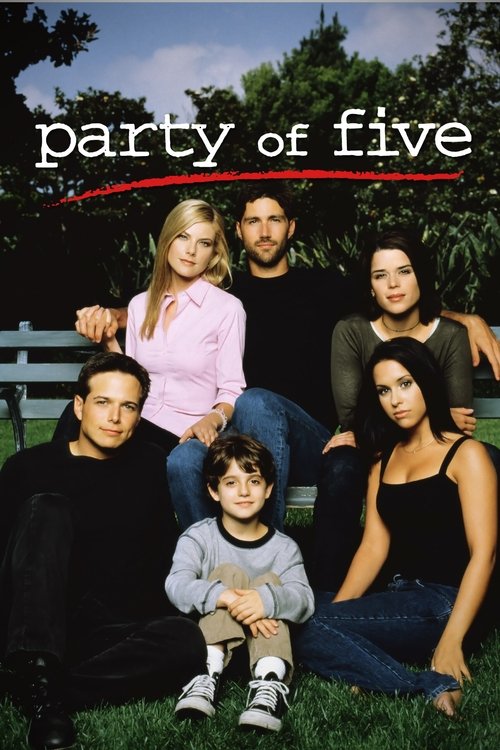
Five brothers and sisters are determined to stay together following the tragic loss of their parents.
Party of Five

The New Alfred Hitchcock Presents is an American anthology series that aired on NBC from 1985 to 1986, and on the USA Network from 1987 to 1989. The series is an updated re-imagining of the classic 1955 series Alfred Hitchcock Presents.
The New Alfred Hitchcock Presents

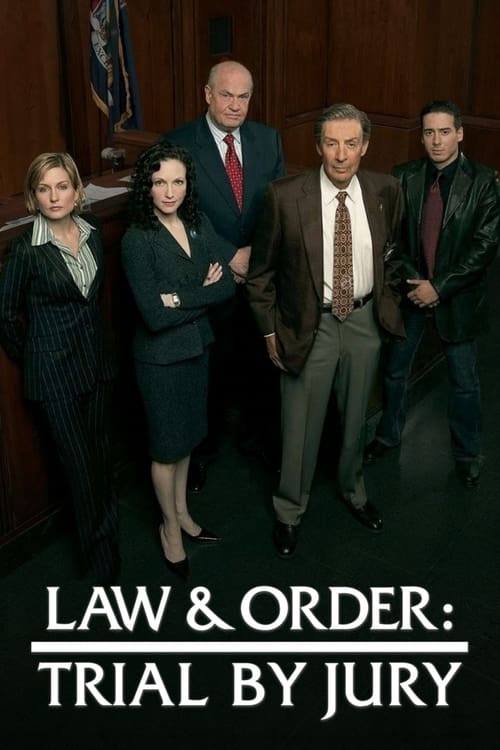
The inner workings of the judicial system, beginning with the arraignment, and continuing through the prosecutors' complicated process of building a case, investigating leads and preparing witnesses for trial.
Law & Order: Trial by Jury

The Blues (2003) is a seven-part documentary series produced by Martin Scorsese that explores the history and influence of blues music. Each episode, directed by a different filmmaker, traces a unique aspect of the genre’s evolution—from its African roots to its global impact. Originally airing on PBS, the series includes Scorsese’s Feel Like Going Home, Wim Wenders’ The Soul of a Man, Richard Pearce’s The Road to Memphis, Charles Burnett’s Warming by the Devil’s Fire, Marc Levin’s Godfathers and Sons, Mike Figgis’ Red, White and Blues, and Clint Eastwood’s Piano Blues.
The Blues

Long-running anthology program sponsored by Hallmark Cards. Beginning in 1951 and continuing into 2019, the series received 80 Emmy Awards, 24 Christopher Awards, 11 Peabody Awards, 9 Golden Globes, and 4 Humanitas Prizes. Early seasons were a weekly live drama, eventually transitioning to videotaped and then filmed productions broadcast as occasional specials.
Hallmark Hall of Fame

An intimate look at the Woodstock Music & Art Festival held in Bethel, NY in 1969, from preparation through cleanup, with historic access to insiders, blistering concert footage, and portraits of the concertgoers; negative and positive aspects are shown, from drug use by performers to naked fans sliding in the mud, from the collapse of the fences by the unexpected hordes to the surreal arrival of National Guard helicopters with food and medical assistance for the impromptu city of 500,000.
Woodstock

An outbreak of avian flu mutates into a virus that becomes transmittable from human to human.
Fatal Contact: Bird Flu in America

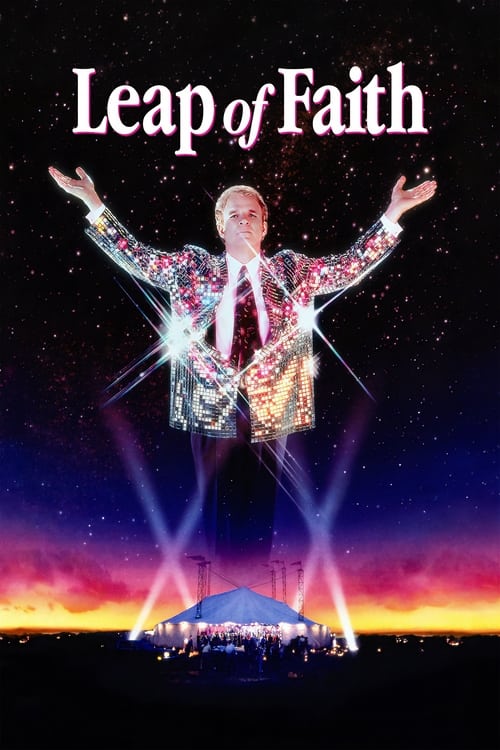
Jonas Nightengale is a fraudulent Christian faith healer who makes a living travelling around America holding revival meetings and conducting 'miracles' with the help of his friend and manager, Jane, and their entourage.
Leap of Faith

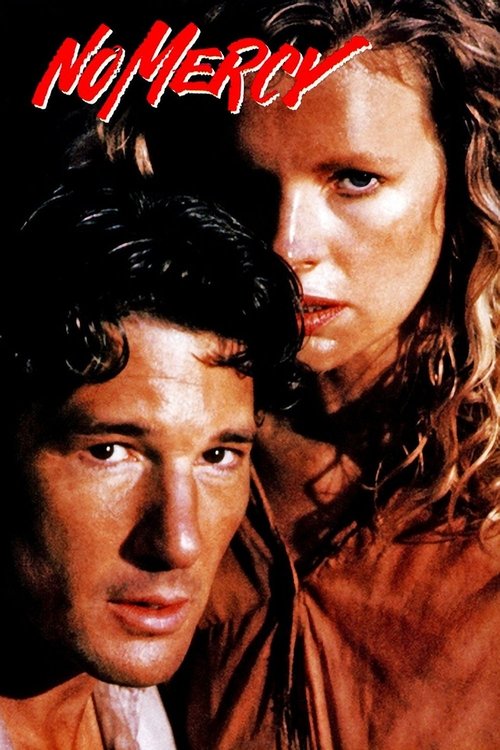
An unconventional undercover Chicago cop and his partner are recruited to commit the murder of a New Orleans criminal kingpin.
No Mercy

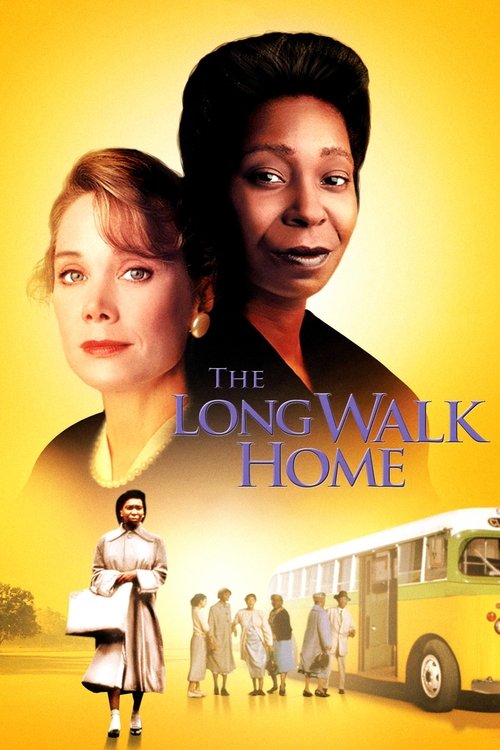
Two women, black and white, in 1955 Montgomery Alabama, must decide what they are going to do in response to the famous bus boycott led by Martin Luther King.
The Long Walk Home

Widowed Elinor Randall and her young daughter Jerrine arrive in a barren stretch of Wyoming in 1910 after Elinor's application for work as a housekeeper is accepted by Clyde Stewart, a rancher. The work is back-breaking and the isolation is brutal, particularly as winter arrives. Elinor begins to think about homesteading her own property near Stewart's ranch, but Stewart tries to dissuade her with explanations about the killing conditions and poor rewards, especially for a woman with no man to help her ranch. Although their temperaments are different and little affection exists, Elinor and Stewart agree to marry and combine homesteads. What lies ahead is the severest test of all.
Heartland

Many times during his presidency, Lyndon B. Johnson said that ultimate victory in the Vietnam War depended upon the U.S. military winning the "hearts and minds" of the Vietnamese people. Filmmaker Peter Davis uses Johnson's phrase in an ironic context in this anti-war documentary, filmed and released while the Vietnam War was still under way, juxtaposing interviews with military figures like U.S. Army Chief of Staff William C. Westmoreland with shocking scenes of violence and brutality.
Hearts and Minds

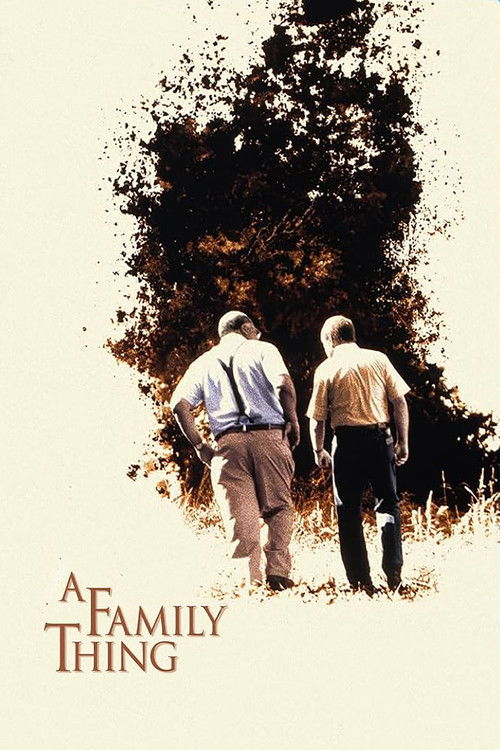
Earl Pilcher Jr. runs an equipment rental outfit in Arkansas, lives with his wife and kids and parents, and rarely takes off his gimme cap. His mother dies, leaving a letter explaining he's not her natural son, but the son of a Black woman who died in childbirth; plus, he has a half brother Ray, in Chicago, she wants him to visit. Earl makes the trip, initially receiving a cold welcome from Ray and Ray's son, Virgil. His birth mother's sister, Aunt T., an aged and blind matriarch, takes Earl in tow and insists that the family open up to him.
A Family Thing

Documentary filmmaker Robert Kenner examines how mammoth corporations have taken over all aspects of the food chain in the United States, from the farms where our food is grown to the chain restaurants and supermarkets where it's sold. Narrated by author and activist Eric Schlosser, the film features interviews with average Americans about their dietary habits, commentary from food experts like Michael Pollan and unsettling footage shot inside large-scale animal processing plants.
Food, Inc.

Tom Guthrie, a high school history teacher, is faced with raising two young sons after his wife leaves him. Maggie Jones, a fellow teacher, tries to provide comfort and support.
Plainsong

A drama about a community of senior citizens who are terrorized by a ruthless neighborhood gang. After learning that the police are stymied because the victims are too scared to testify against the bullying leader, a semi-retired toolmaker decides to take a stand.
Siege

A young marginally intellectually-disabled girl and boy meet, plan to marry, and convince the world that they are entitled to a life of their own -- despite attempts by the girl's parents to separate them.