Georges Rouquier
Directing
Biography
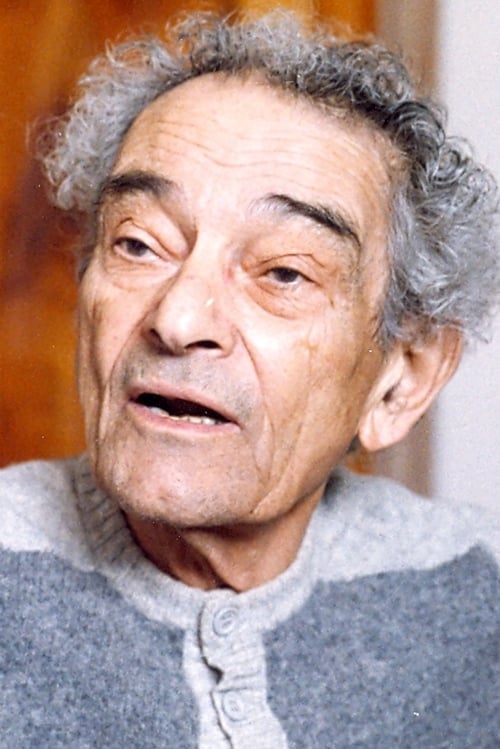
Georges Rouquier (23 June 1909 – 19 December 1989) was a French film director, screenwriter and actor. He worked principally on documentary films, and his best-known work is Farrebique (1947) a lyrical evocation of farming life in Aveyron.
Known For

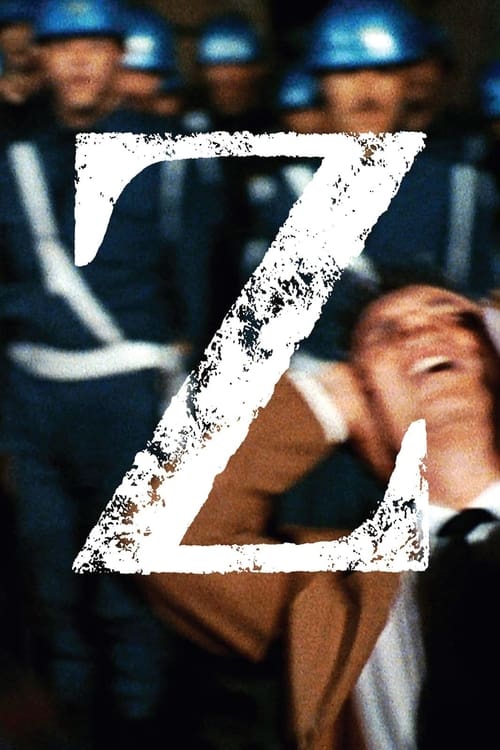
A prominent politician is murdered during a demonstration. The government and army are trying to suppress the truth, but a tenacious magistrate is determined to not to let them get away with it.
Z

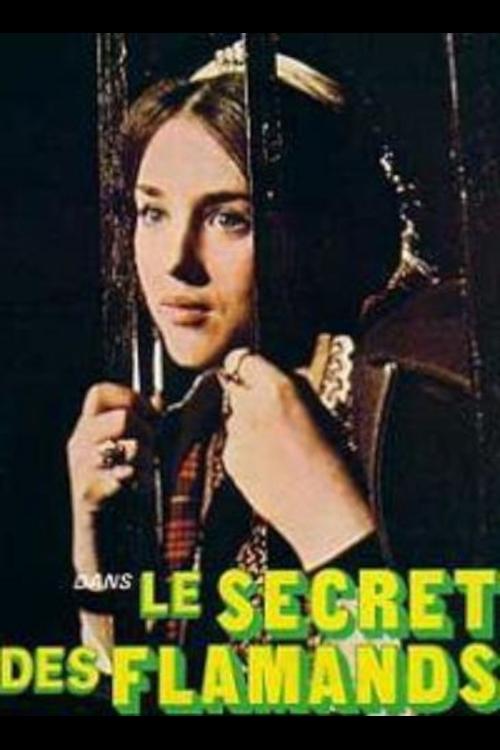
Inspired by the book The Lives of the Most Excellent Painters, Sculptors, and Architects by painter Giorgio Vasari, this historical soap opera, in which betrayals, kidnappings, murders and police investigations are interwoven, relates the discovery by the Italians of the secret of Flemish painting around 1470.
Le Secret des Flamands

A faceless traveller takes a journey through the barren reaches of a Siberia caught between tradition and modernity, imparting his philosophical musings on its people and places, wildlife and culture.
Letter from Siberia

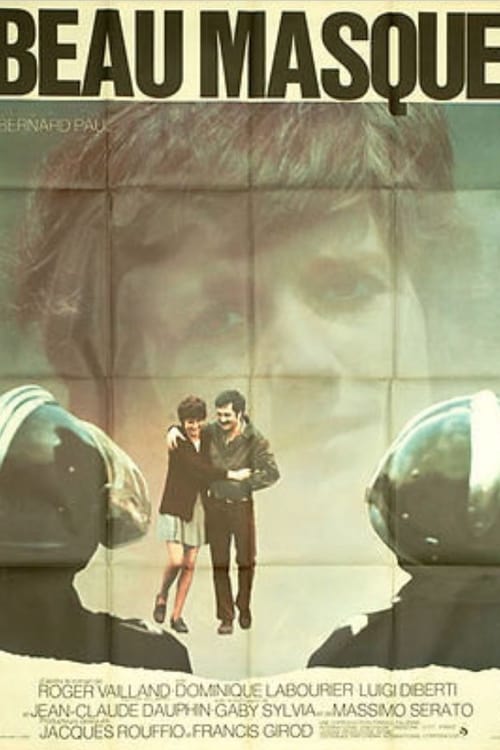
Pierrette, an active labor activist, marries Mario. He had little sympathy for his wife's political activities. Nevertheless, he takes part in a strikers' demonstration she leads, where he is bludgeoned to death by the CRS.
Handsome Face

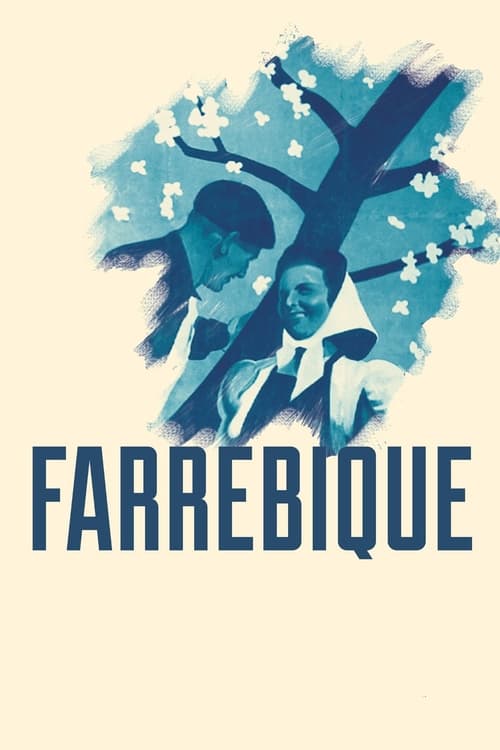
Farrebique, the first feature-length effort of French documentary filmmaker Georges Rouqier, is widely regarded as his finest film. Rouqier concentrates on a single French farm family, following them through the four seasons. As in the works of Robert Flaherty, the human characters and the land surrounding them are "one", and Rouqier never misses an opportunity to parallel their lives with the eons-old phases of nature. The final symbolic images of Spring, achieved through time-lapse photography, are almost unbearably beautiful. The winner of several festival awards, Farrebique nonetheless did not immediately result in an outpouring of financing for Rouqier's follow-up films (this was a common problem in the financially strapped French film industry of the 1940s). Perhaps as a result, Rouqier did not make his sequel, Biquefarre (filmed in the same region, with some of the same "actors"), until 1983.
Farrebique, or the Four Seasons

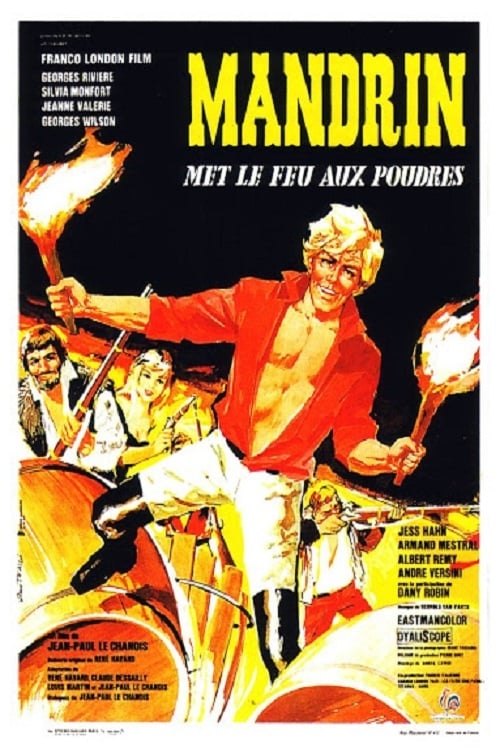
It was the reign of Louis XV and, in 1750, France was at war all the time, and the people, suffocated by taxes, liked their beloved Louis less and less. When the governor of Dauphiné arrived in Saint-Étienne-de-Saint-Geoirs, he had to deal with opponents of the regime who had gathered around cooper Louis Mandrin. Mandrin becomes the vigilante who respects his king, but does not tolerate the oppression of the poor through taxation.
Mandrin

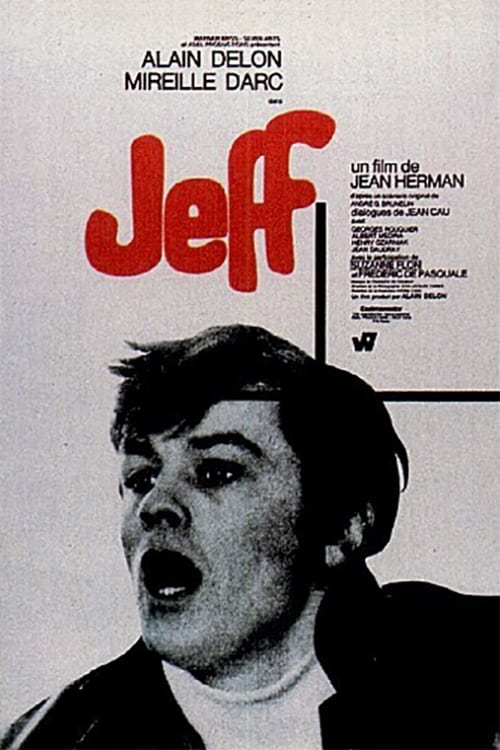
Jeff is a gangster who's disappeared with a million dollars, and Laurent is looking for him to catch him before the other members of the gang find him.
Jeff

Biquefarre is a small farm in Aveyron. The changing economics of farming lead Raoul, in late middle age, to decide to sell and move to Toulouse. At least two neighboring farmers want to buy Biquefarre: Lucien and the young Marcel. Behind the scenes, Henri, whose brother is Marcel's father and who is also Lucien's brother-in-law, negotiates with Raoul so that Marcel's father can secretly sweeten Marcel's offer. Will dad and uncle succeed? In the background is the hard daily work of farming: milking cows, harvesting at night, and finding help when a farmer falls ill. Progress brings challenges: polluted water, factory farms, and skyrocketing land prices.
Biquefarre

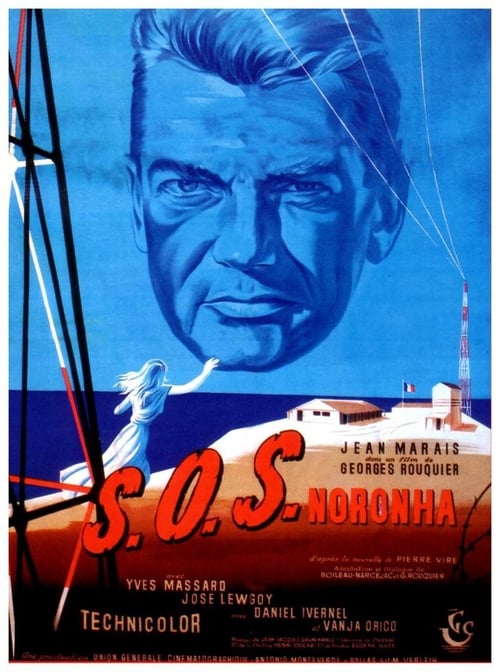
In 1930, on the island of Noronha in Brazil, the inmates of the penitentiary revolt. Frédéric Coulibaud, head of the aeropostale radio station, and his team-mates Mastic and Froment, try to prevent them from entering the concession where the island's governor and his daughter have taken refuge. They manage to repair the radio so as to follow and guide Mermoz as he attempts to cross the South Atlantic for the 53rd time. The aviator is forced to ditch and is picked up by a boat. Their mission accomplished, Coulibaud and his team boarded a British ship that had come to their rescue.
S.O.S. Noronha

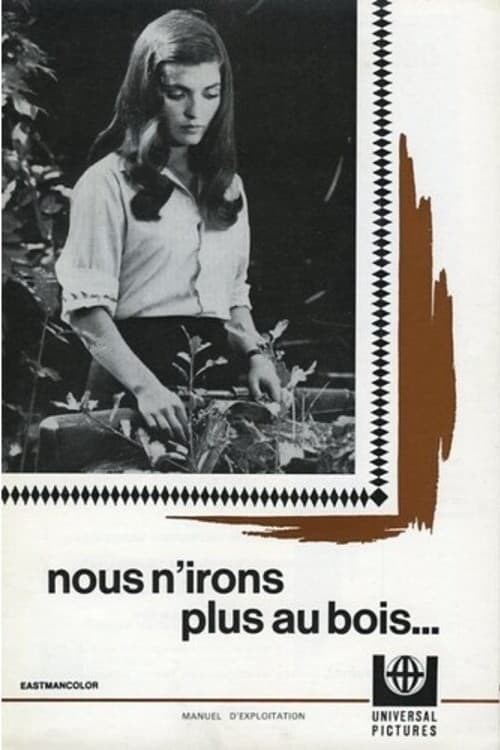
In the spring of 1944, in the Woëvre forest of Lorraine, a group of young maquisards takes in four German deserters. led by Saint-Brice is based in the Woevre forest. Lise, a nineteen-year-old girl, is their liaison officer. One evening, four German soldiers turn up as deserters. After a period of doubt, the maquisards agree to integrate them into their group. Lise falls in love with one of the newcomers, Werner, and becomes his mistress. One day, she leaves on a mission with Lucien, and comes across an enemy patrol. The SS shoot Lucien and free Lise. In the camp, people begin to think that the maquis has been betrayed.
We Won't Go to the Woods Anymore

Claire, a UNESCO interpreter, begins a romance with an oceanographer named Simon. Their relationship is challenged when Claire receives a breast cancer diagnosis. Faced with her illness and the potential for a mastectomy, she struggles with her self-image and decides to push Simon away, believing the diagnosis will change their future together.
L'Amour nu

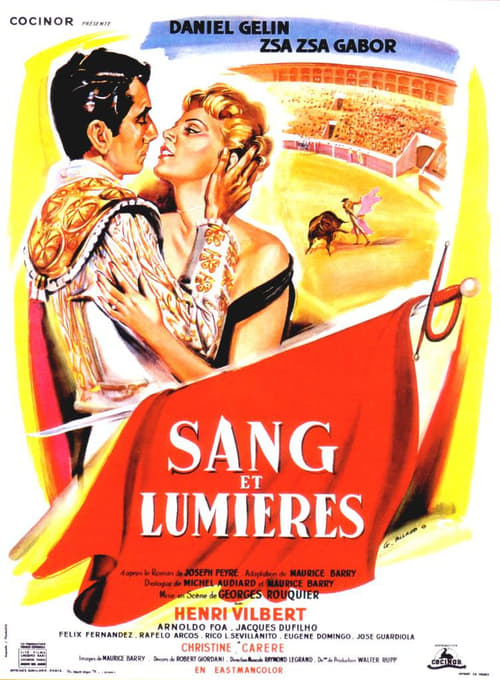
Matador Ricardo wants to end his career. His manager and his mistress manage to dissuade him and get him to sign two contracts.
Love in a Hot Climate

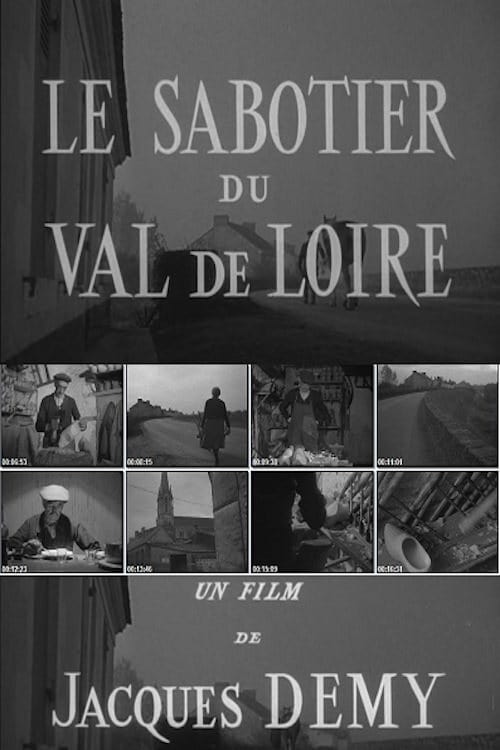
This is October 1955. The place is a village in Loire-Atlantique, La Chapelle-Basse-Mer, where an old clog-maker works and lives with his wife and their adopted son. The clog-maker's meticulous craft is described with love and close attention to detail. On the other hand, forthcoming death pervades the quiet everyday life of the elderly couple.
Le Sabotier du Val de Loire

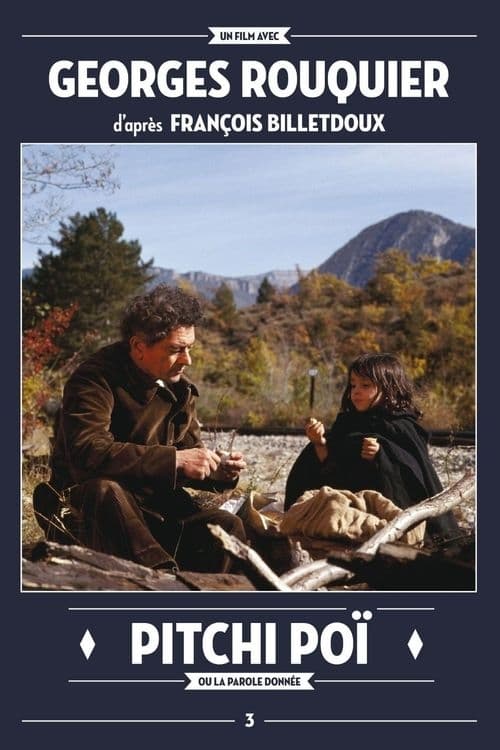
May 1944, in Provence, a young Jewish woman fleeing Nazi persecution, entrusts her three-month-old granddaughter to a stranger, Mathieu, a solitary shepherd who will raise her alone. Once the war is over, he will leave with her, in search of the mother. A research that will last more than twenty years and that will lead them to several European countries.
Pitchi-Poï ou La parole donnée

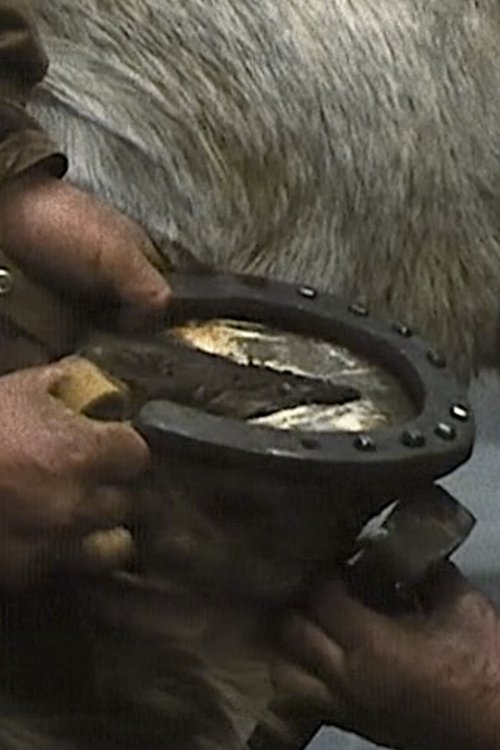
In this film, Georges Rouquier describes the activity of the farrier in the multiplicity of its aspects. But the filmmaker does not limit his remarks to a pure technical description, he does not forget the man nor his family and village environment, nor the history where his life was written at a given moment. The director films Marcel Laforge, a blacksmith living in a small village in the Charentes, Garrat. Shot in one week, the film is a reconstruction; everything has been staged from fragments of multiple realities. This short film is articulated around three themes, sometimes confronted, but often confused: the man, the history and the trade.
The Farrier

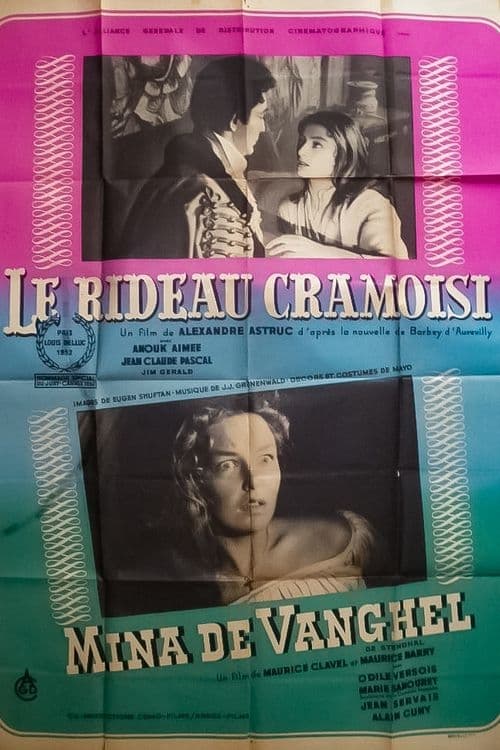
A romantic German girl is brought to France. After an interlude with an old roue, she falls in love with a simple, but married, man. She goes to work for him as a servant, but after a night of love with him, she commits suicide.
Mina de Vanghel
The first film made by French filmmaker Georges Rouquier. This silent, black-and-white documentary captures the grape harvest in southern France, showcasing the rhythms of rural life and agricultural tradition. Funded independently by Rouquier, the film reflects his early passion for authentic, observational storytelling. Though now considered a lost film, Vendanges marks the beginning of Rouquier’s celebrated career in documentary cinema.
Vendanges
Hunters track a wild boar in the Sologne forests
La bête noire

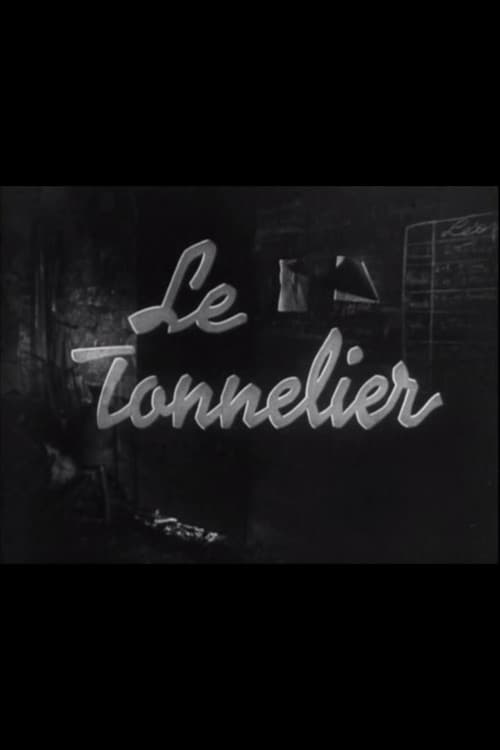
A short documentary about the barrel making process.
Le tonnelier

The life of the pilgrims in Lourdes and the cases of healing recorded by the Bureau of Medical Findings.