FEEL IT.STREAM
Ken Takakura

Ken Takakura

Acting

Biography

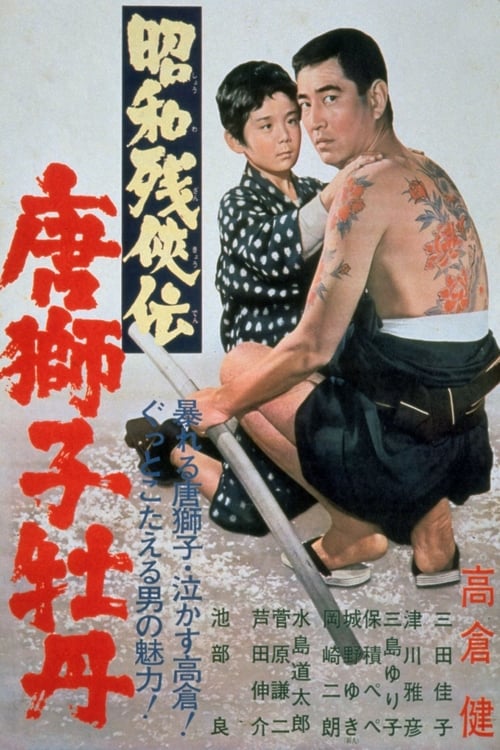
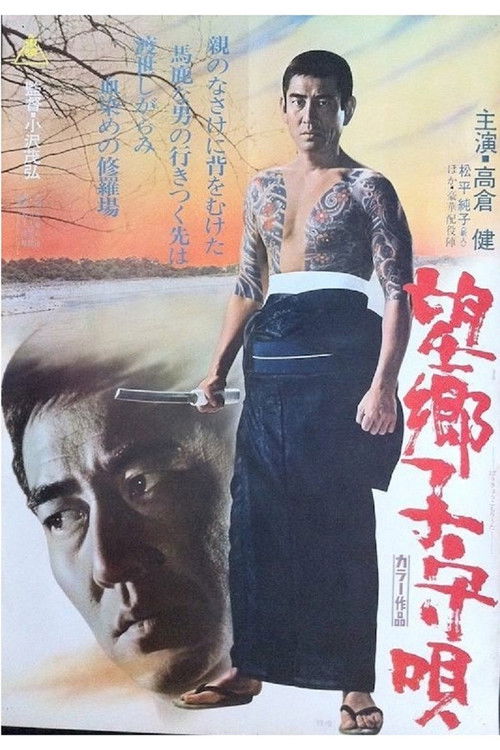
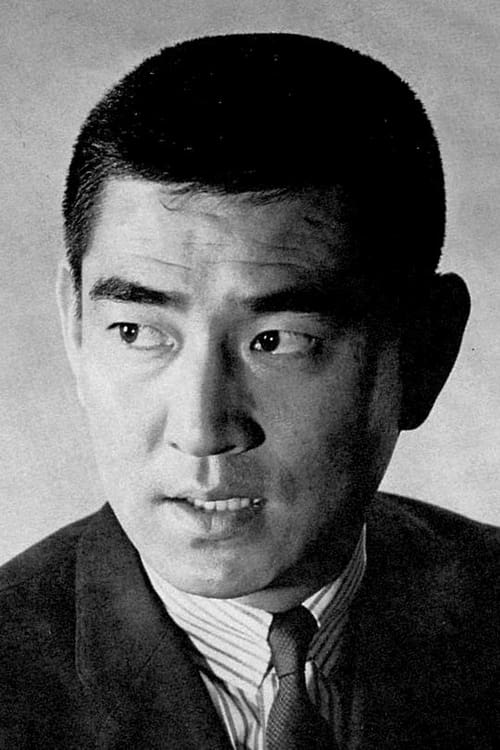
Ken Takakura (高倉 健, Takakura Ken), born Gouichi Oda (February 16, 1931, in Kitakyūshū, Fukuoka, Japan), was a Japanese actor best known for his brooding style and the stoic presence he brings to his roles. Takakura gained his streetwise swagger and tough-guy persona watching yakuza turf battles over the lucrative black market and racketeering in postwar Fukuoka. This subject was covered in one of his most famous movies, Showa Zankyo-den (Remnants of Chivalry in the Showa Era), in which he played an honorable old-school yakuza among the violent post-war gurentai. A graduate of Meiji University in Tokyo Takakura happened by an audition in 1955 at the Toei Film Company, and decided to look in. Toei found a natural in Takakura as he debuted with Denko Karate Uchi (Lightning Karate Blow) in 1956. Japan experienced a boom in gangster films in the 1960s as the Japanese people struggled with the generational differences between those raised in pre-war and post-war Japan and these were Takakura's stock and trade. His breakout role would be in the 1965 film Abashiri Prison, and its sequel Abashiri Bangaichi: Bokyohen (Abashiri Prison: Longing for Home, also 1965), in which he played an ex-con antihero. By the time Takakura would leave Toei in 1976, he had appeared in over 180 films. Takakura gained international recognition after starring in the 1970 war film Too Late the Hero as the cunning Imperial Japanese Major Yamaguchi, the 1975 Sydney Pollack sleeper hit The Yakuza with Robert Mitchum and is probably best known in the West for his role in Ridley Scott's Black Rain (1989) where he surprises American cops played by Michael Douglas and Andy García with the line, "I do speak fucking English". He again proved himself bankable to Western audiences with the 1992 Fred Schepisi comedy Mr. Baseball starring Tom Selleck. While he has slowed down a bit in his older years, he is still active. His most recent film was the 2005 Riding Alone for Thousands of Miles by Chinese director Zhang Yimou. Description above from the Wikipedia article Ken Takakura, licensed under CC-BY-SA,full list of contributors on Wikipedia.

Known For

SMAP×SMAP
8.5

SMAP×SMAP was an ongoing weekly Japanese variety show on Kansai TV and Fuji TV starring the members of SMAP. The show began on April 15, 1996 and it aired from 22:00 to 22:54 every Monday. The show's usual ratings were higher than 20%, which is considered high since most variety shows range from 10-20%. Each episode begins a variety of skits, comedic performances, and/or games.  These are followed by Bistro SMAP, in which the SMAP members compete against each other to impress celebrity judges with their gourmet cooking.  Last is a musical performance by SMAP which may include celebrity guests, as well.

SMAP×SMAP

1996
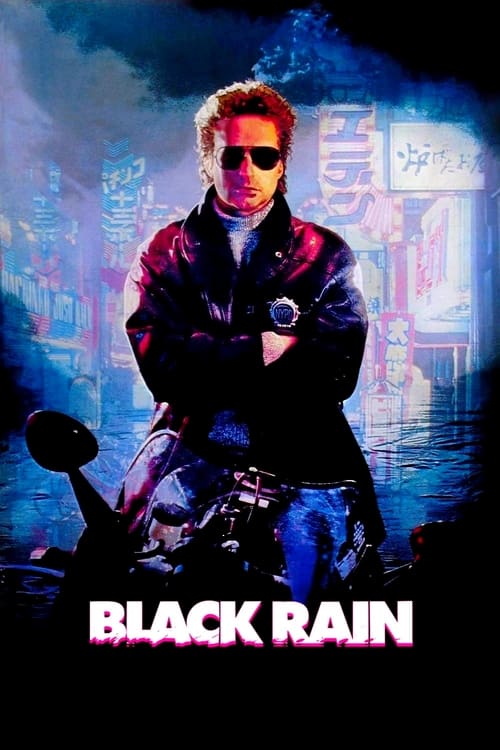
Black Rain
6.6

Two New York cops get involved in a gang war between members of the Yakuza, the Japanese Mafia. They arrest one of their killers and are ordered to escort him back to Japan. However, in Japan he manages to escape, and as they try to track him down, they get deeper and deeper into the Japanese Mafia scene and they have to learn that they can only win by playing the game—the Japanese way.

Black Rain

1989
The Bullet Train
6.8

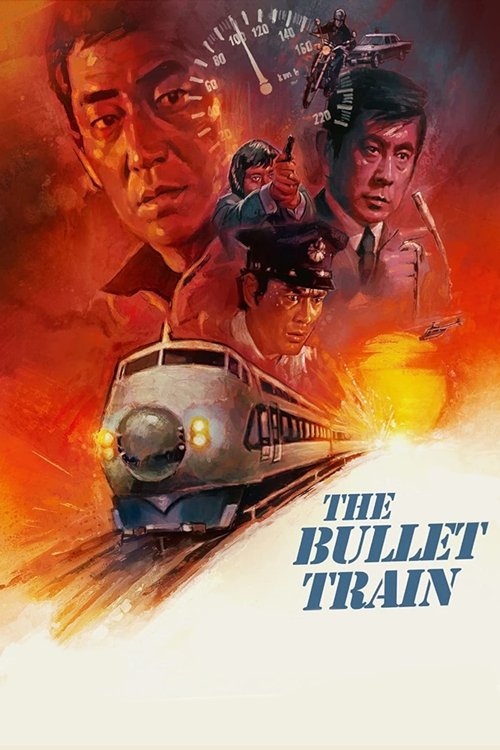
A Japanese bullet train is threatened with a bomb that will explode automatically if the train slows below 80 km/h, unless a ransom is paid. Police race to find the bombers so the train crew can learn how to defuse the bomb.

The Bullet Train

1975
Mr. Baseball
5.8

Jack Elliot, a one-time MVP for the New York Yankees is now on the down side of his baseball career. With a falling batting average, does he have one good year left and can the manager of the Chunichi Dragons, a Japanese Central baseball league find it in him?

Mr. Baseball

1992
Older brother
N/A

The series tells about the life of construction foreman Eiji and his sister. Both have a love interest: she has a boyfriend, and he has a young girl. The sister is thinking about marriage, and the brother has too strict principles to recklessly rush into the abyss of passion.

Older brother

1977
The Yakuza
7.2

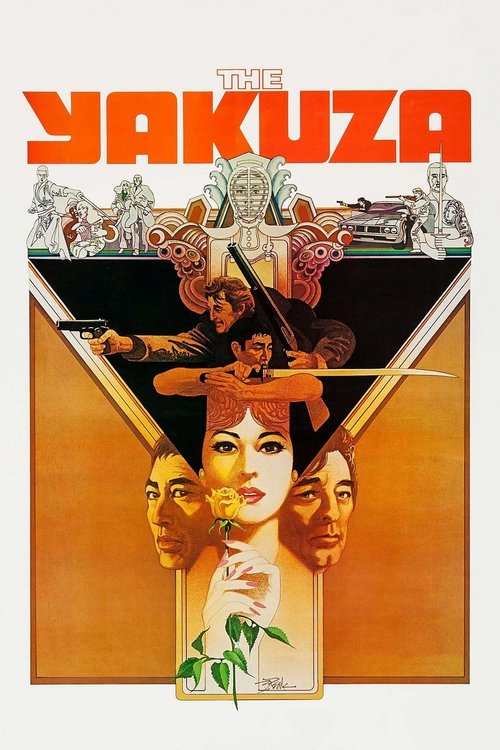
When George Tanner does business with high-ranking Yakuza Tono, Tono kidnaps his daughter, and George summons his old friend, private eye Harry Kilmer, to Japan to investigate.

The Yakuza

1974
Railroad Man
7.1

A railway stationmaster at a dying end-of-the-line village in Hokkaido is haunted by memories of his dead wife and daughter. When the railroad line is scheduled to be closed, he is offered a job at a hotel, but he is emotionally unable to part with his career as a railroader. His life takes a turn when he meets a young woman with an interest in trains who resembles his daughter.

Railroad Man

1999
Korekara: Umibe no Tabibitotachi
N/A

Through the lives of people aging in a seaside retirement home, the drama depicts the aging process that comes to everyone.

Korekara: Umibe no Tabibitotachi

1993
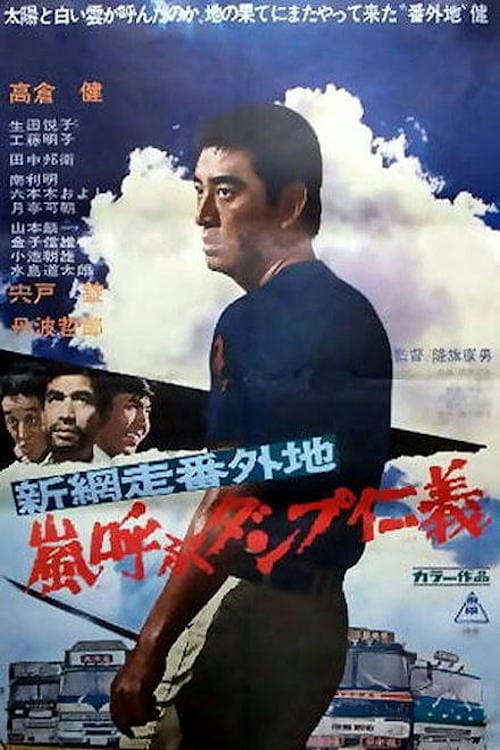
Abashiri Prison: Duel in Hokkaido
8.0

No description available.

Abashiri Prison: Duel in Hokkaido

1967
Manhunt
6.2

A tough prosecutor is falsely accused of theft and goes on the run to clear his name. He is assisted by the beautiful daughter of a rich man.

Manhunt

1976
Mount Hakkoda
6.6

Two infantry regiments of the Imperial Japanese Army—210 men overall—tackled Mt. Hakkoda in the winter of 1902 to prepare for war with Russia.

Mount Hakkoda

1977
Station
6.3

A detective goes out of his way to crack the case of a serial killer who specialises in murdering police officers.

Station

1981
Antarctica
7.2

Two Japanese scientists, Ushioda and Ochi, develop a bond with their sled dogs while on an expedition in Antarctica.

Antarctica

1983
A Fugitive from the Past
7.3

Three robbers escape with loot from a heist before one of them kills the others. Their corpses wash up near the aftermath of a maritime calamity, provoking a policeman's interest.

A Fugitive from the Past

1965
The Yellow Handkerchief
7.0

A convict, newly released from prison for murder, joins two strangers on a road trip through Hokkaido to visit his ex-wife, whom he hasn't seen in four years, knowing that if she puts a yellow handkerchief on the window, it would mean that she wants him back at home.

The Yellow Handkerchief

1977
Never Give Up
6.2

Special forces officer Ajisawa leaves his paramilitary group to take care of his newly-adopted daughter, Yoriko: the sole survival of a bloodbath for which he is responsible. Years later, Ajisawa is forced to return to the scene of the tragedy for his new job as a claims adjuster where he is subsequently arrested for his suspected involvement. But the threat of jail time is the least of his worries as his former organization comes gunning for him.

Never Give Up

1978
Too Late the Hero
6.4

A WWII film set on a Pacific island. Japanese and allied forces occupy different parts of the island. When a group of British soldiers are sent on a mission behind enemy lines, things don't go exactly to plan. This film differs in that some of the 'heroes' are very reluctant, but they come good when they are pursued by the Japanese who are determined to prevent them returning to base.

Too Late the Hero

1970
A Distant Cry from Spring
7.4

The quiet life of a mother and her young son living on a farm in Hokkaido is changed by the arrival of a man who ignites flames of romance in the heart of the mother and shows her boy the importance of grit and kindness, but then he leaves with the autumn wind.

A Distant Cry from Spring

1980
The International Gang of Kobe
5.7

In 1947, in Kobe, Japan, a local street gang fights for their survival when its turf is overrun by United States occupation forces and international gangs.

The International Gang of Kobe

1975
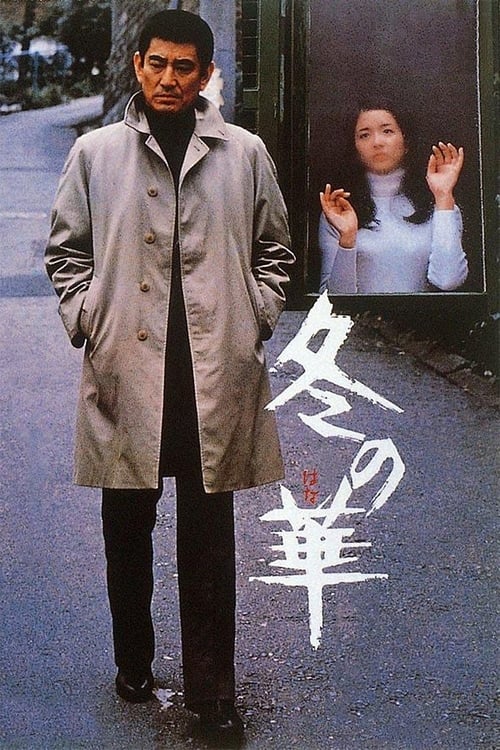
Winter's Flower
6.4

Kanno is a Yakuza. He had to kill Matsuoka who betrayed their boss. Kanno knew Matsuoka had a 3-year-old daughter named Youko. Before he gave himself to the police, he asked his trusted man to take care of her. While in prison, Kanno kept sending letters to Youko, disguising as an uncle in Brazil. 15 years later, Kanno is released. He is determined to live legitimately, however the Yakuza has not forgotten his wicked deed!

Winter's Flower

1978