Jacques Rivette
Directing
Biography
Jacques Rivette (March 1, 1928 - January 29, 2016) was a French film director. With Jean-Luc Godard, Jacques Rivette was one of the more experimental of the French New Wave (nouvelle vague) directors. In common with many of his peers, he had a background in film criticism, where he expressed his admiration for popular American cinema, especially genre directors such as Robert Aldrich, Howard Hawks and Frank Tashlin. Rivette's films progress in unconventional ways—often following multiple plots that can be romantic, mysterious, and comic all at once and employing extensive improvisation—and are often extremely long.
Known For

No description available.
Reflets de Cannes

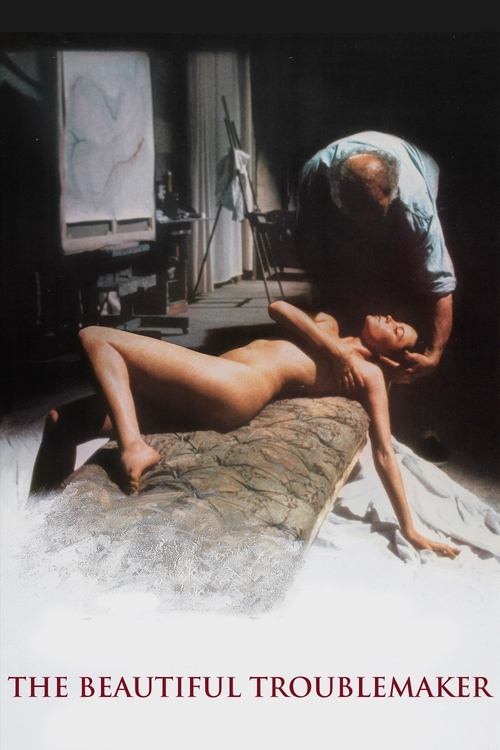
The former famous painter Frenhofer lives quietly with his wife on a countryside residence in the French Provence. When the young artist Nicolas visits him with his girlfriend Marianne, Frenhofer decides to start again the work on a painting he long ago stopped: La Belle Noiseuse. And he wants Marianne as model.
La Belle Noiseuse

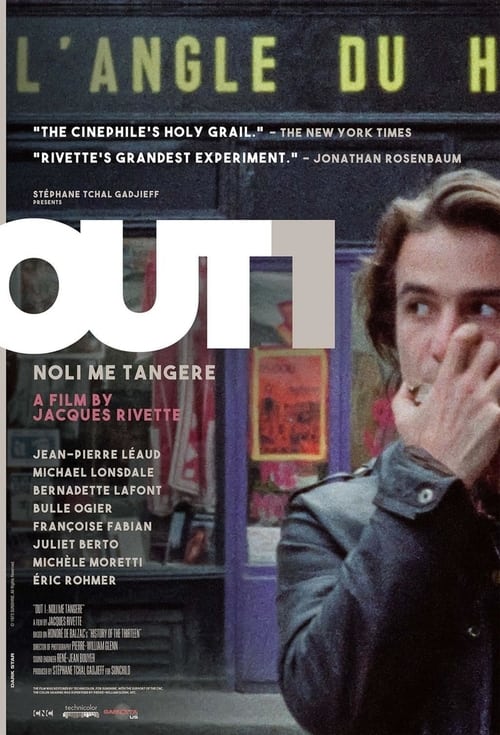
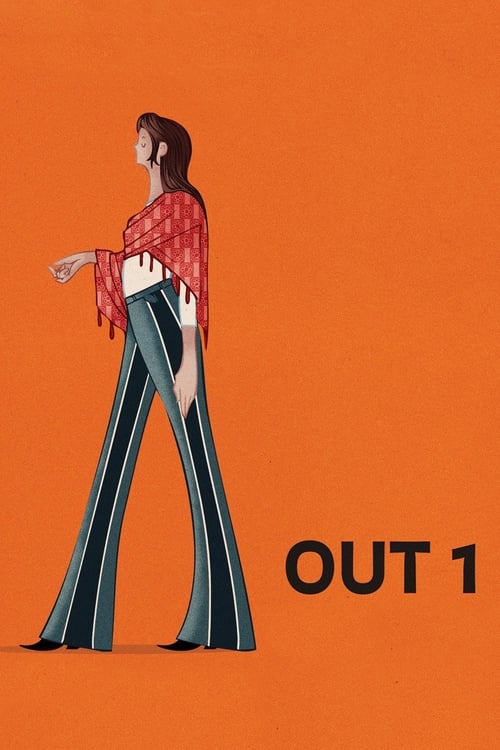
Following the May 1968 civil unrest in France, two theater groups rehearse plays by Aeschylus while two solitary individuals wander the Parisian streets hustling the populace for cash.
Out 1

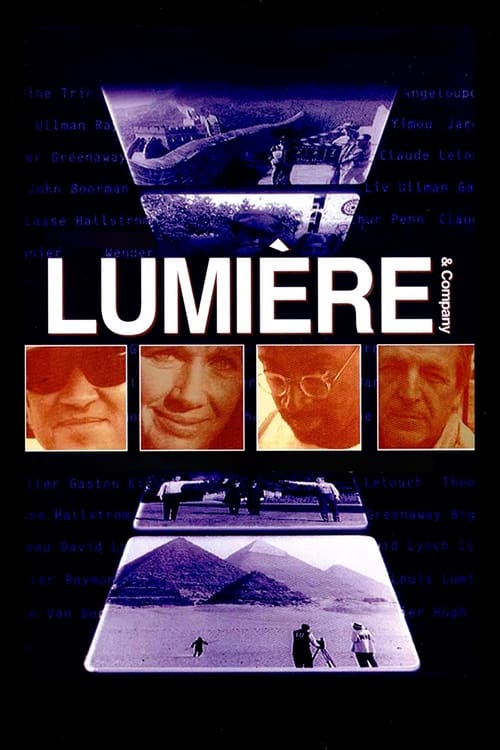
40 international directors were asked to make a short film using the original Cinematographe invented by the Lumière Brothers, working under conditions similar to those of 1895. There were three rules: (1) The film could be no longer than 52 seconds, (2) no synchronized sound was permitted, and (3) no more than three takes.
Lumière & Company

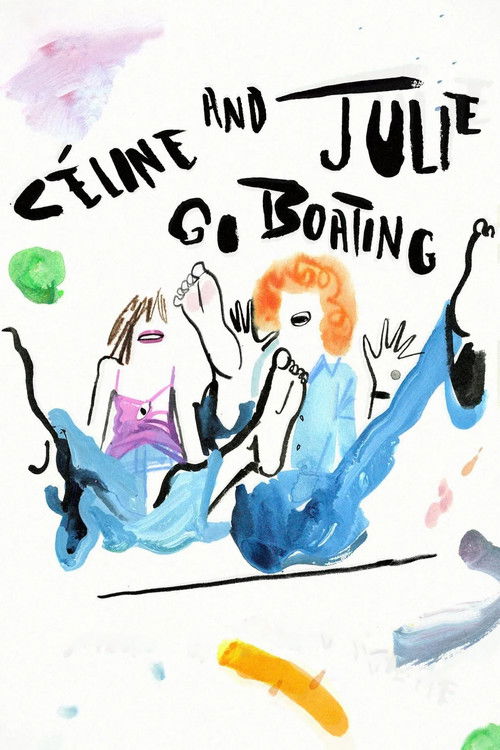
Julie, a daydreaming librarian, meets Céline, an enigmatic magician, and together they become the heroines of a time-warping adventure involving a haunted house, psychotropic candy, and a murder-mystery melodrama.
Céline and Julie Go Boating

While two theater groups rehearse plays by Aeschylus, two solitary individuals wander the Parisian streets hustling the populace for cash.
Out 1

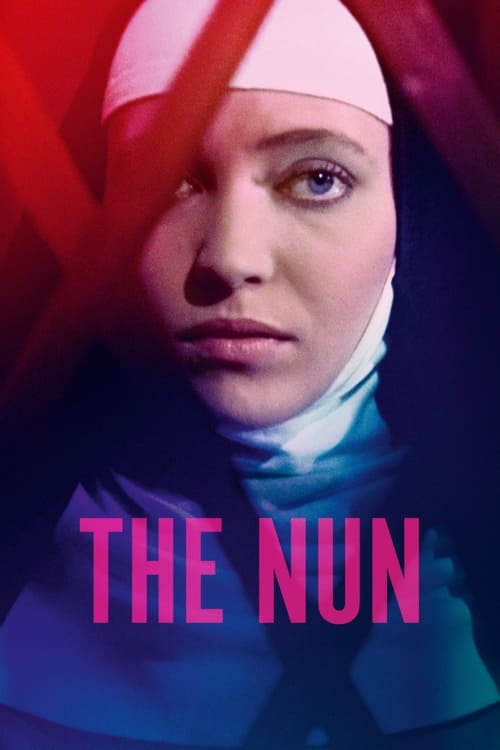
In eighteenth-century France, a girl is forced against her will to take vows as a nun. Three mothers superior treat her in radically different ways, ranging from maternal concern, to sadistic persecution, to lesbian desire.
The Nun

More than just an abbreviated form of "La Belle Noiseuse", Rivette re-cut his footage with some important differences in point of view - this one being more from Marianne's point of view
La Belle Noiseuse: Divertimento

At a Spanish cloister, a celebrated French general of the Napoleonic Wars recognizes the voice of one of the nuns and recalls how, five years ago, she was the Duchess of Langeais, and he her most persistent suitor.
The Duchess of Langeais

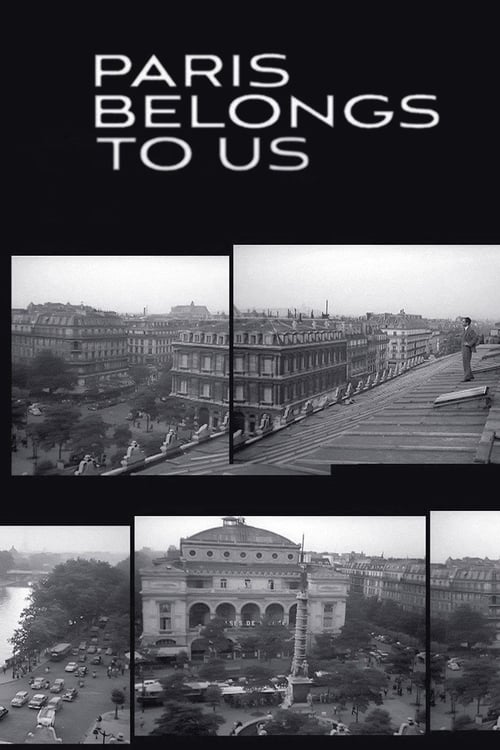
A young woman joins a theatrical troupe where she slowly believes that the director is involved with a secret group and that he is in grave danger.
Paris Belongs to Us

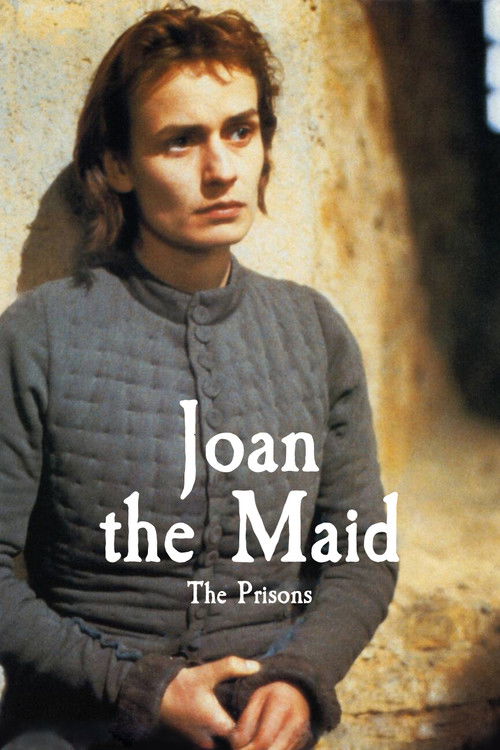
Convinced only she can lead France to victory against the invading English, Jeanne leaves her childhood home to plead with Charles, heir to the French throne, to allow her to guide his troops on the battlefield.
Joan the Maid I: The Battles

A troubled marriage is tested by the couple's involvement in a theatrical production of Racine’s Andromaque.
L'Amour fou

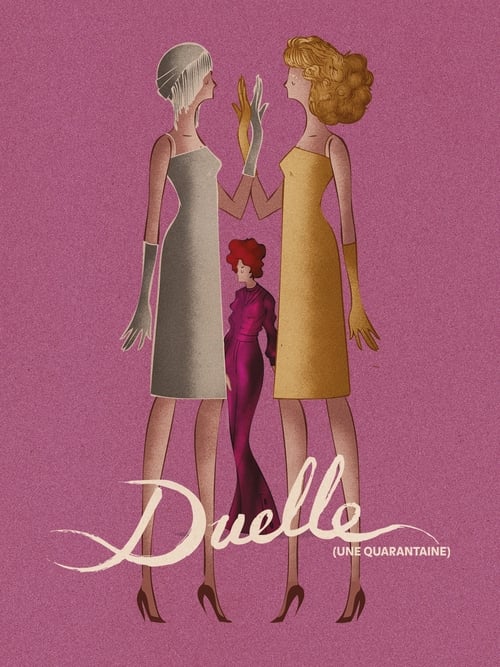
Two enigmatic women separately arrive in Paris, both with a hidden but shared motive. As they navigate the city and their search progresses, various characters become entangled in a conflict, which increasingly comes to take a fantastical turn. These characters too, driven by their own desires, strive for their own goals in the struggle. From a Paris, drenched in an otherworldly ambiance, a tale of desire and power emerges through mystery and secrets.
Duelle (Une Quarantaine)

After biologist Sylvie discovers her brother Paul trying to steal a gun from her lab, he explains that he wishes to avenge the death of their father whom he suspects died at the hands of his business partner.
Secret Defense

Marie is just out from prison when she runs into Baptiste, a young paranoid needing companionship. In their pursuit of a mysterious briefcase carried by Marie's former lover, they roam the street of Paris, transformed into a giant board game, a maze spotted with mysterious traps, puzzling clues, and chance encounters. Maybe they are bricks in some sinister scheme, maybe they are playing a board game, maybe it's a fairy tale, maybe it's yet something else...
Le Pont du Nord

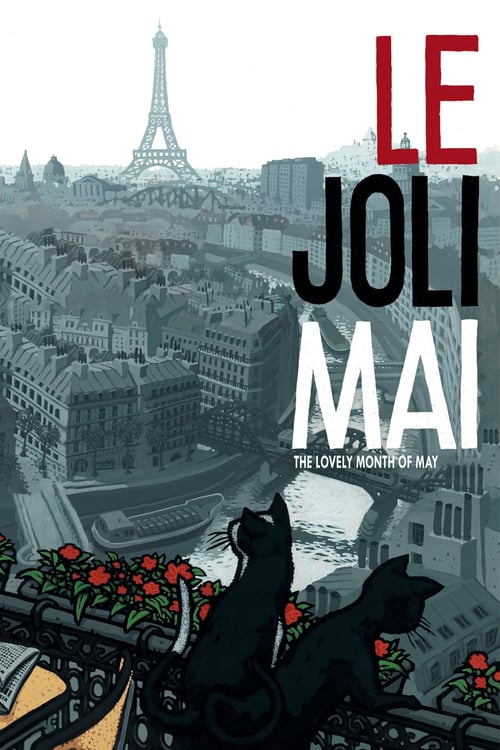
Candid interviews of ordinary people on the meaning of happiness, an often amorphous and inarticulable notion that evokes more basic and fundamentally egalitarian ideals of self-betterment, prosperity, tolerance, economic opportunity, and freedom.
The Lovely Month of May

This film of interviews with the film director Jacques Rivette was produced in collaboration with Serge Daney, film critic from “Cahiers du cinéma”, then of “Liberation”. In the course of their conversations, the two speakers discuss Rivette’s career, his relationships with the other film makers of the new wave, his use of “mise en scene” and his working with actors.
Jacques Rivette, the Watchman

Claire is a chic young Parisian woman married to a somewhat older husband, Jean. Claire meets her lover, Claude, at his apartment, where he gifts her a fur coat. Now Claire needs to figure out how to return home with this expensive gift without the affair being found out.
Fool’s Mate

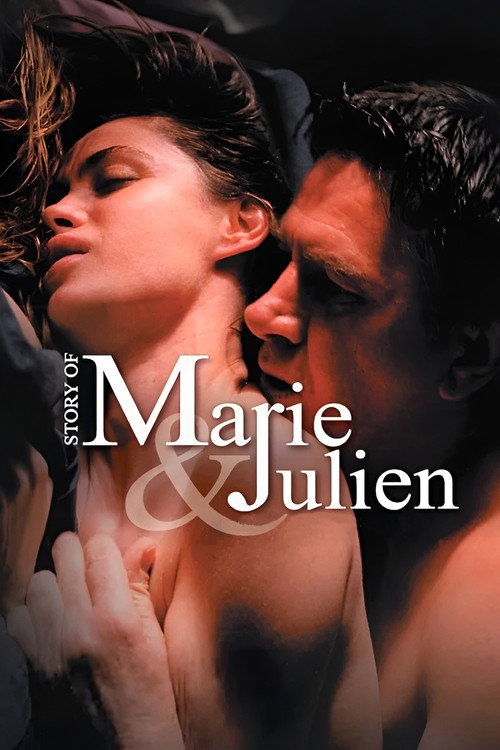
Julien is a clockmaker with destructive impulses who decides to blackmail Madame X, a rich, attractive woman who traffics in stolen antiques. What he doesn’t know is that she has an even more dangerous secret that leads him to Marie, with whom he had fallen in love a year earlier.
The Story of Marie and Julien

Jeanne has succeeded in lifting the siege of Orléans and Charles has been crowned King of France. However, she is injured in an attempt to take Paris, weakening her position at court. Captured by the enemy and put on trial, she finds both her life and the sanctity of her body at stake.