Acting
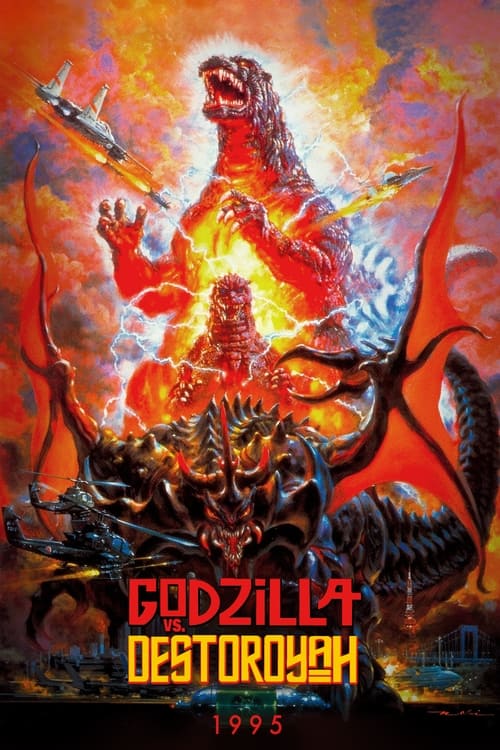
A burning Godzilla, on the verge of meltdown, emerges to lay siege to Hong Kong. At the same time horrifying new organisms are discovered in Japan. These crustacean-like beings are seemingly born of the Oxygen Destroyer, the weapon that killed the original Godzilla.
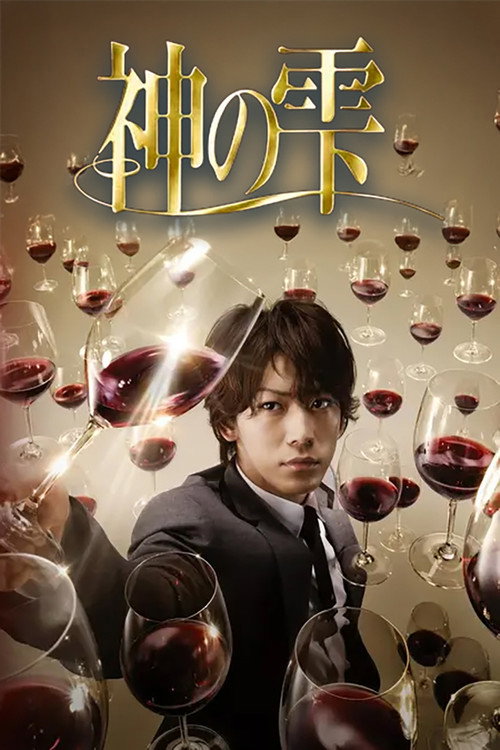
Kami no Shizuku is a Japanese multi-award-winning television comedy series, based on the manga series The Drops of God. Produced by Nippon Television and featuring Kazuya Kamenashi, Seiichi Tanabe, Riisa Naka, Nozomi Sasaki, and Yuki Uchida, it was first broadcast on January 13, 2009, and ran till March 10, 2009.
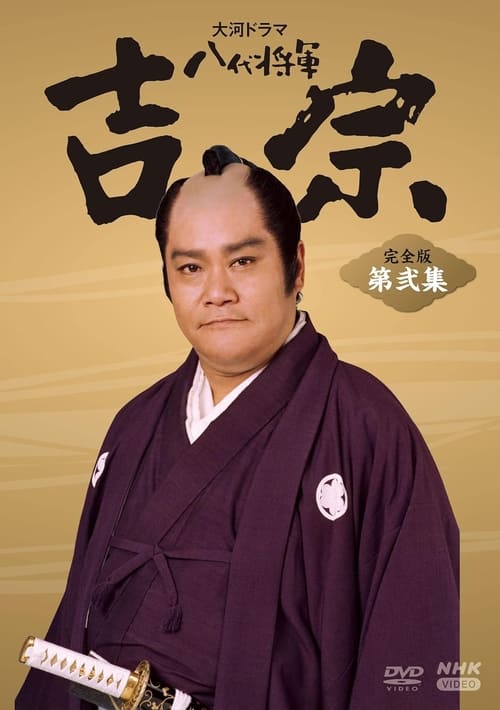
The drama is depicting the life and times in 17th and 18th century Japan during the rule of the eighth shogun, Tokugawa Yoshimune.
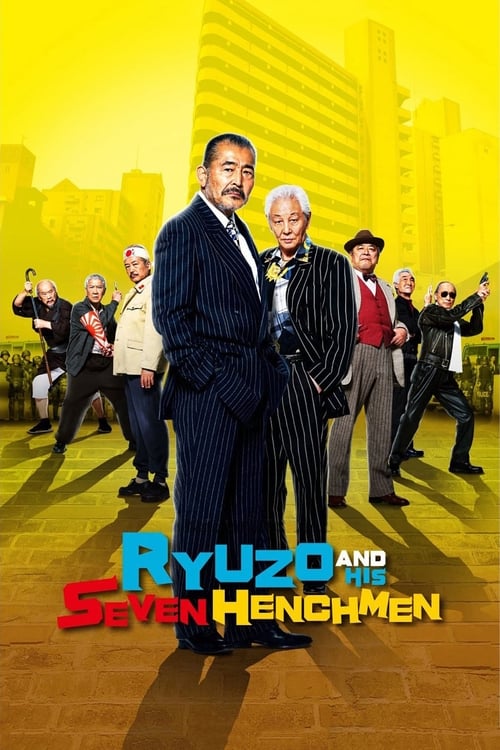
Ryuzo and his 7 former henchmen are all retired yakuza, but they now live as regular old men. One day, Ryuzo becomes the victim of a phishing fraud. He calls his 7 men together to reform their society.
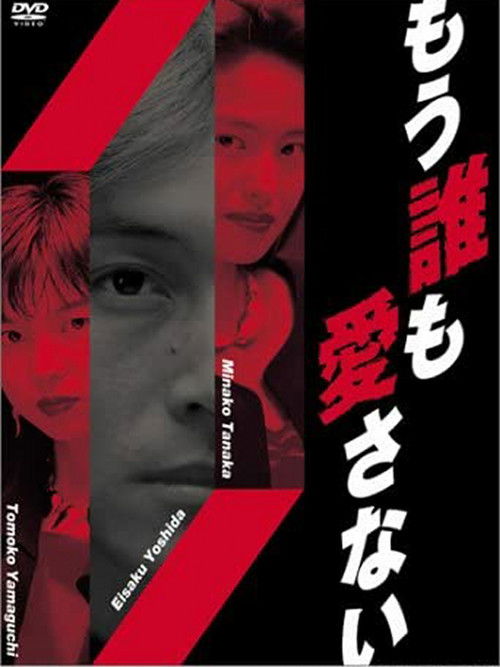
Miyuki works in a bank with Sayuri and Takuya. Sayuri and Takuya plot to get the money each of them needs. Miyuki is violently hurt by their scheme and her relationship with her fiance is affected. When Miyuki discovers the people responsible for all that has happened to her, she plans her revenge.
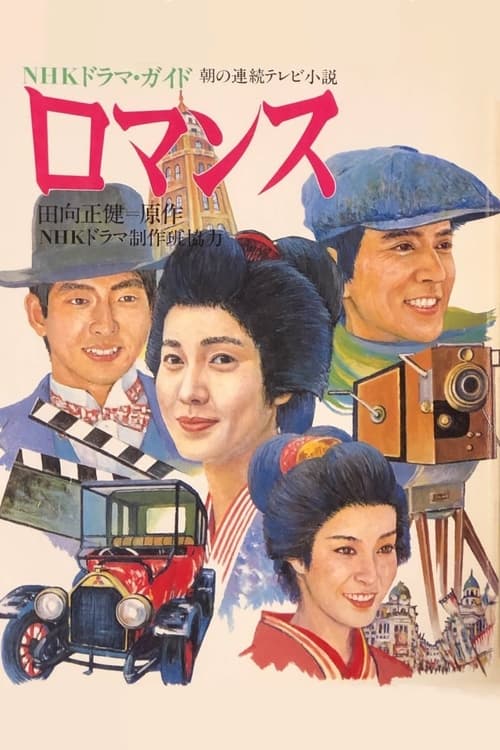
The 32nd NHK Asadora. Starring Takaaki Enoki as a young man who becomes a film director. The first Asadora with a male lead since 1967.
Set in the year 1985, an arson-murder case takes place at an apartment in Tokyo. The victim is novelist Kohei Kimizuka. Ritusko Ikematsu is soon arrested for his death. Ritusko Ikematsu and Kohei Kimizuka were childhood friends. Prosecutor Tsutaguchi takes charge of the murder case. He begins to contact people who knew Ritusko Ikematsu. Prosecutor Tsutaguchi learns of her unfortunate life and the men surrounding her. The men's impressions of Ritusko Ikematsu are all different. Prosecutor Tsutaguchi then learns of a case that took place in 1955 in Tsugaru, Aomori Prefecture, where Ritusko Ikematsu and Kohei Kimizuka grew up. He believes that case is the key to solve Kohei Kimizuka’s murder.
A silent love story of a young man who wishes to make the dream come true of a young woman who lost her light.
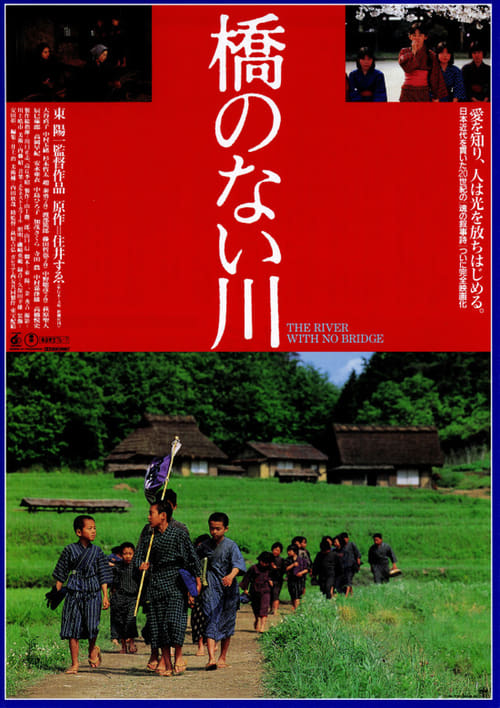
A widow and her two sons, Seitaro and Koji, live in the small town of Komori, where Buraku people are forced to reside. The two boys are continuously harassed by their teachers and classmates through their childhood as a result of their Buraku heritage. In the midst of the 1918 Great Rice Riots in Osaka, Seitaro meets with Asako, the daughter of a rice shop owner, and falls in love with her. She too is of Buraku descent. At the same period, Hideaki, an old friend of the brothers returns to Komori, and he along with Koji and the townspeople create "Zenkoku Suiheisha", the National Levelers Association, an organization pledged to build a bridge over the river of discrimination, making all people equal in every way.
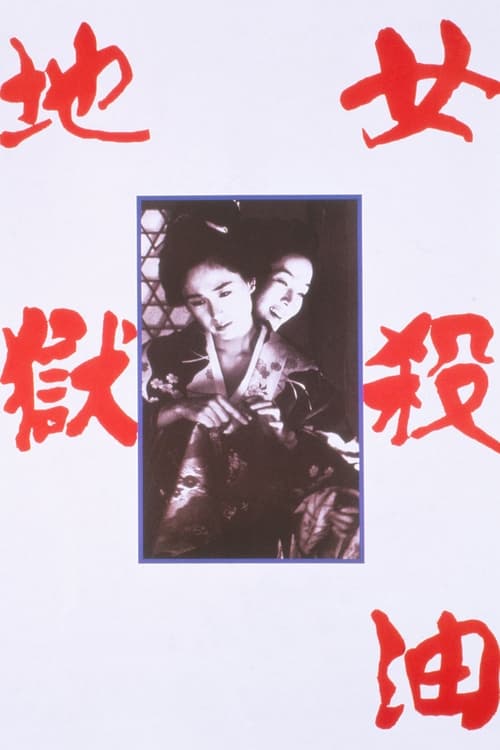
The indolent son of an oil vendor becomes a regular customer of a prostitute, racks up a mountain of debt, and is disowned by his parents.
No description available.
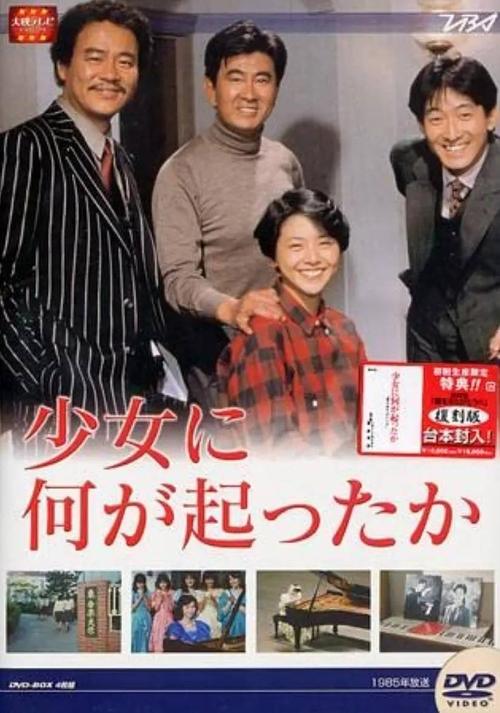
Nishimaru Nao (Saito Yuki) lives temporarily at the home of Hoshino (Hayashi Ryuzo), a university professor who is an old acquaintance of her mother (Aki Yoko) after the dormitory she was living in burns down and is being rebuilt. However, Hoshino's wife has already passed away, and the family has four sons, the eldest Hoshino Kyohei (Nukukawa Toshikazu), the second son Shinpei (Sawamuki Youji), the third son Yohei (Osawa Hidetaka), and the fourth son Junpei (Nakajima Daisuke), so that they do not make any mistakes and do not see Nao as a member of the opposite sex, Nao enters into a fake marriage and lives in the house as the wife of the family. However, the four brothers are curious about their new mother, Nao, and soon a love affair begins...
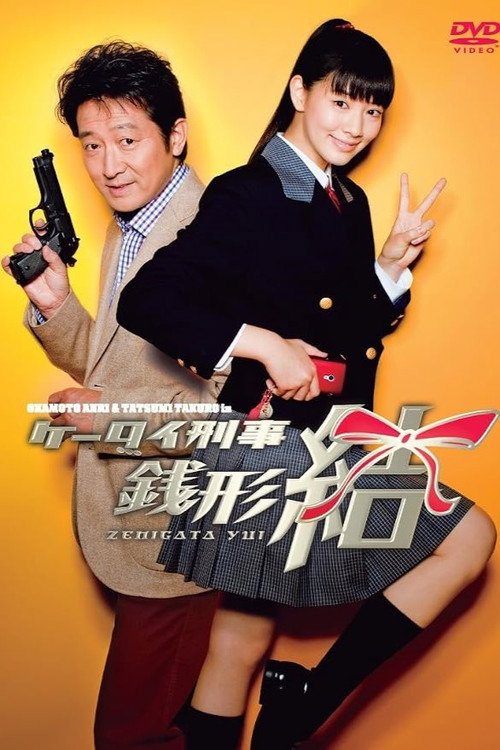
Zenigata Yui (Anri Okamoto) is a high school girl that works as a secret detective. She uses a mobile phone to help her solve the mysteries of various cases.
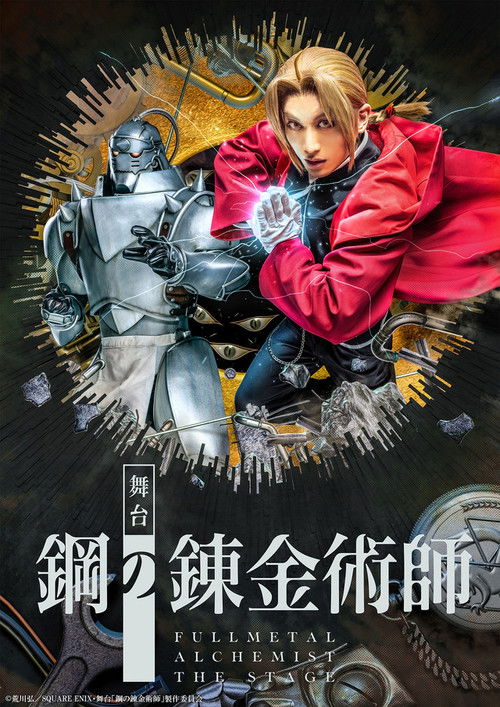
The first stageplay adaptation of Fullmetal Alchemist.
Aoi studies photography at a school in Tokyo. She undergoes a heart transplant operation and goes to the island of Okinawa to recover. Her uncle lives on the island. There, she holds a camera and walks along the island. Aoi hears the sound of a trumpet. She looks up and sees a young man playing the trumpet. His name is Zio.
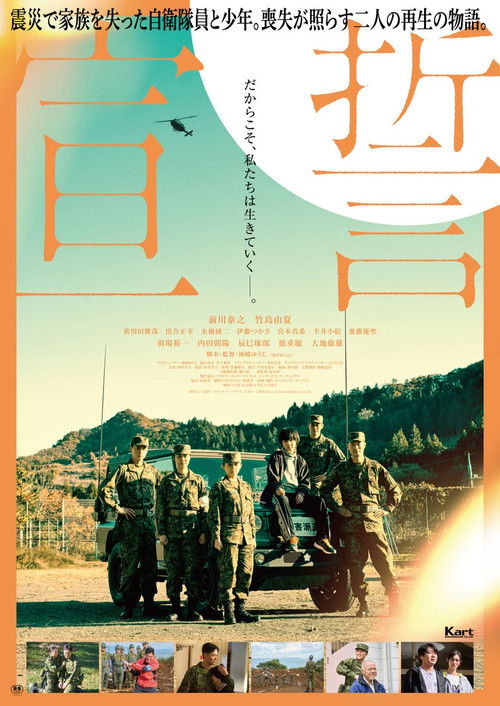
A member of the Japan Self-Defense Forces, Lieutenant Kasuga, was assigned to the earthquake-stricken area. Though he had lost his wife and young daughter in the tsunami, Kasuga concealed his own grief and devoted himself entirely to his mission. At an evacuation shelter, he encountered a boy named Kazuki Yoshimura, who had also lost his family and shut his heart. As Kazuki quietly observed the Self-Defense Forces at work, he eventually began to help people around him as well. Two people who met at the depths of despair decided to believe in hope and began to move forward. A story of “rebirth”, arising from loss.
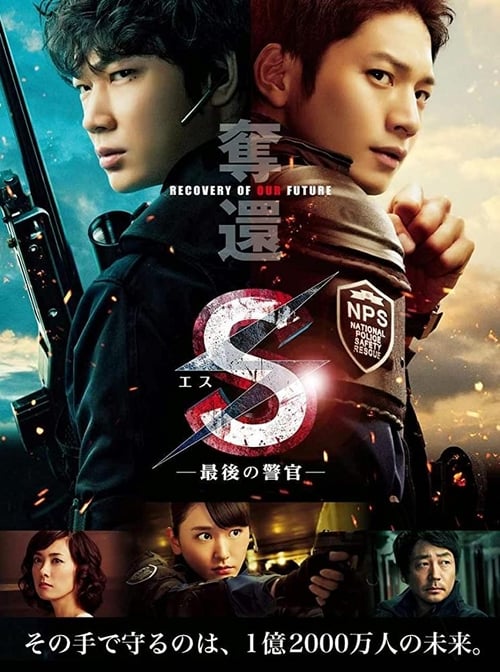
The NPS (National Police Safety Rescue), whose purpose is to catch extreme criminals alive, becomes the center of attention. A sit-in demonstration takes place. Members of the NPS, including Ichigo Kamikura (Osamu Mukai) go to the protest site. Meanwhile, a transport ship is hijacked in the Pacific Ocean.
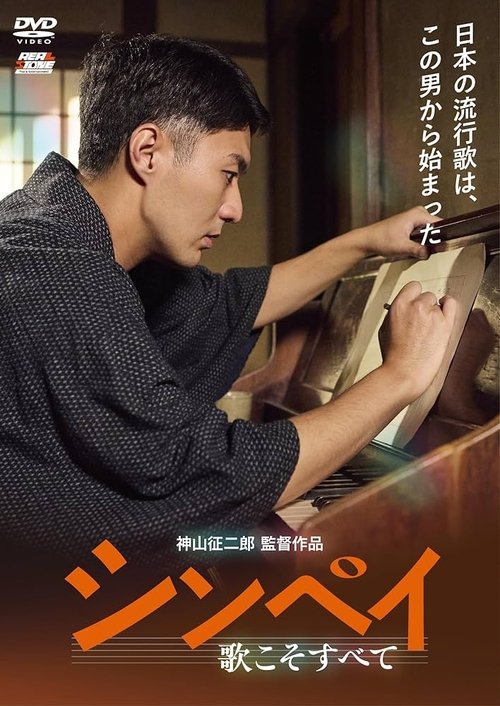
From Meiji to Showa, composer Shinpei Nakayama rises from Shinshu to Tokyo, crafting enduring hits like “Katyusha’s Song,” “Gondola no Uta,” and “Tokyo Ondo,” while navigating mentors, collaborators, and the changing media of his era.