Acting
No description available.
Amor Crónico follows Grammy-nominated, Cuban-born CuCu Diamantes as she embarks on a whirlwind tour of her home country. Interweaving glamorous live performances with a fictional romance, the film pays tribute to the history of cinema in surreal fashion. Backed by a high energy Latin soundtrack, Cucu's journey is a visual love poem to the sites, sounds, and people of Cuba.
In 1979 Cuba, flamboyant gay artist Diego attempts to seduce straitlaced David, an idealistic young communist, and fails dismally. But David conspires to be "friends" with Diego so he can monitor the artist's subversive life for the state. As Diego and David discuss politics, individuality and personal expression in Castro's Cuba, a genuine friendship develops between the two.
The story of Iluminada, a woman who, having studied to be a literature teacher, ends up working as an usher in an iconic cinema in Havana.
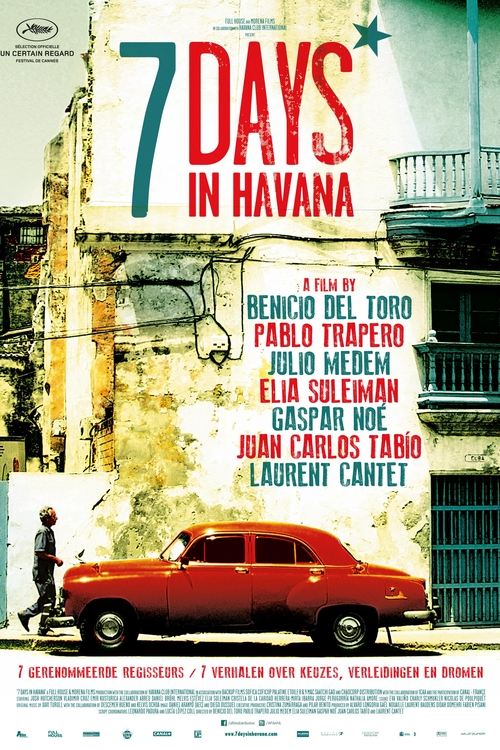
A lesbian, an aspiring actor, an aspiring singer, a low-class marriage, a neighborhood community and 2 renowned directors have memorable less-than-24-hour-long experiences while living in/visiting the capital of Cuba.
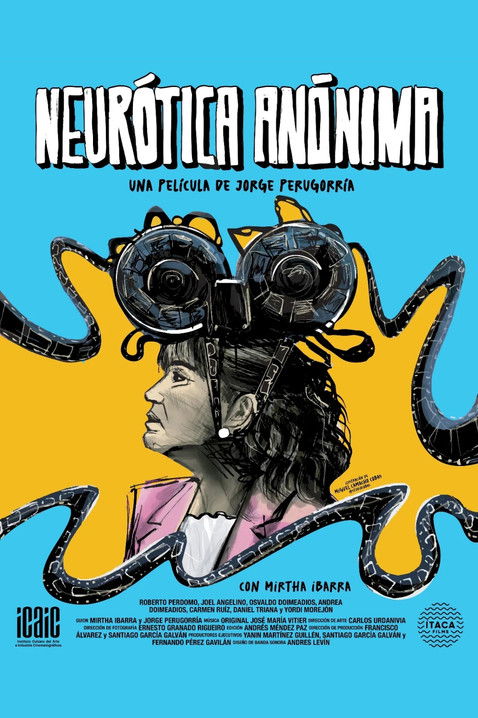
An anthology film presenting the stories of five different women who struggle for identity and self-esteem in their love relationships. A bittersweet image of Cuban reality.
An approach to a living myth of dance, Alicia Alonso, from the viewpoint of her passion, tenacity and devotion to art. It includes fragments of the ballet Giselle, choreographed by her, based on the original by Jean Coralli and Jules Perrot, and of La Diva, choreographed by Alberto Méndez.
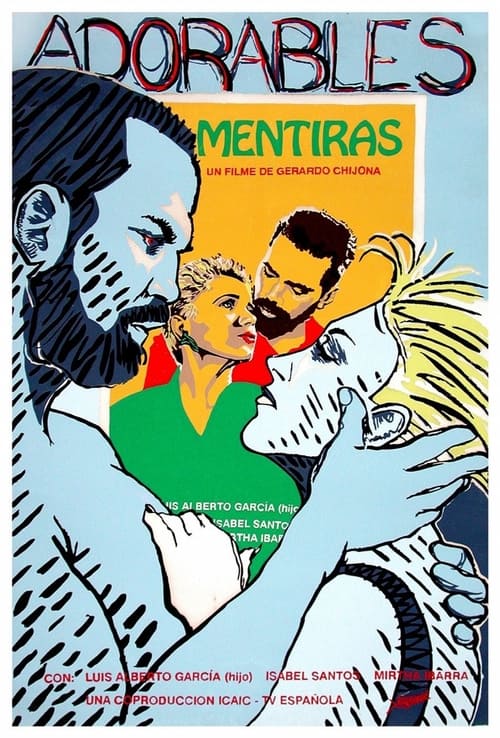
Jose Luis, a young boy with aspirations to become a scriptwriter and director of cinema, is dazzled on having known the beautiful Sissy. To impress her, he appears as the director who looks for a not professional actress. She, that the whole life has dreamed of being 'discovered' but that it is not naive with men, pretends not to be interested. They begin a relationship in wich both are not as they wanted to be.
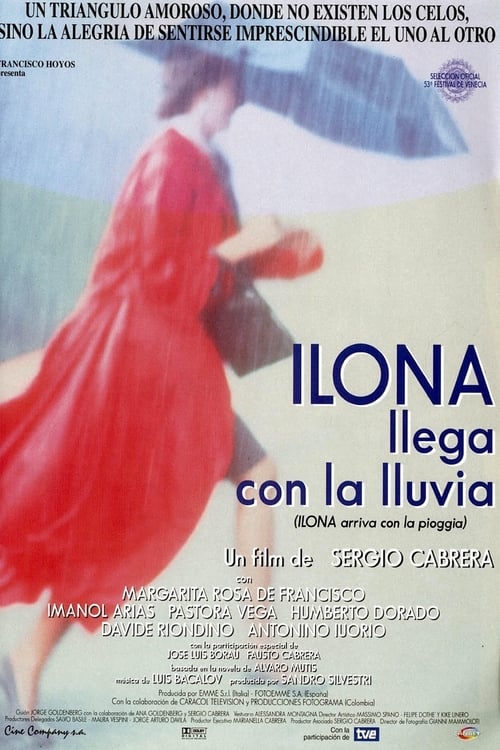
Maqroll, Ilona, and Abdul all share a common dream: to sail the world in a tramp-steamer. But who could afford such a thing? Over the years they have become separated. Alone in Panama City, smuggler Maqroll is finding neither great success nor happiness — until the tropical rains come, bringing Ilona: friend, lover, and partner in crime. Abdul, in Morocco, has found a steamer to suit them. In Panama, Ilona and Maqroll begin a new scheme, in search of impossible wealth. But fate has further twists in store.
Nicanor, his wife, and his in-laws watch Cuban television. In a single twenty-minute shot, the differences surface between Nicanor, who supports the Revolution, and his father-in-law Damián Rodríguez, a former Batista supporter. The two women try in vain to mediate, and the conflict seems irreconcilable. However, they have no choice but to make up with each other every night.
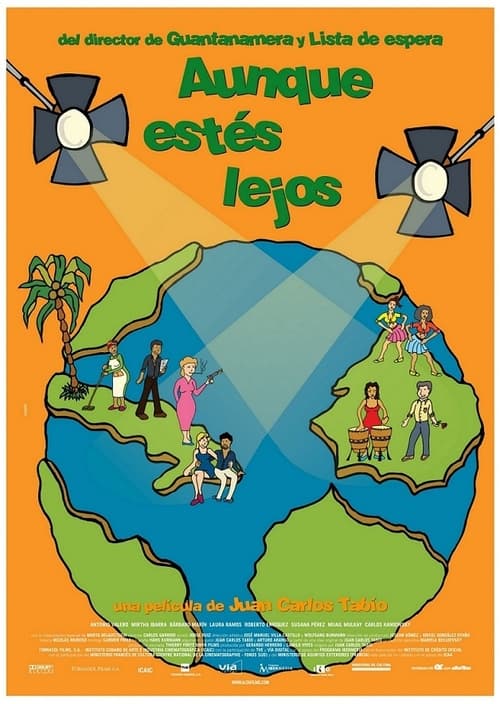
Mercedes and Pedro, Cuban producers and screenwriters, travel to Spain to close an agreement with Alberto, a Spanish producer. Together, they try to make a film about Cuban reality. A movie about those who leave the island, those who return, but also those who still want to leave but cannot. A simple idea that will slowly become more complicated because Spaniards and Cubans have a very different point of view on this reality.
Cuba is not a country for young gays. Teen rent boy Reinier falls in love with a mate in the slum soccer field in their neighbourhood in Havana. Although obsessed with moneymaking to hold up his baby, teen wife, and wife's grandma, gambler Reinier always fails to get the stroke of luck he looks for. At the same time he cannot help being infatuated by Yosvani. Handsome Yosvani will give up his older, wealthy girlfriend (whom he hooked up to pay for a lavish life in the big city), and the work he does for her father, a loan thug, so much in love he is with Reinier. But the boys would fight hard to keep this love in the reckless Havana streets.
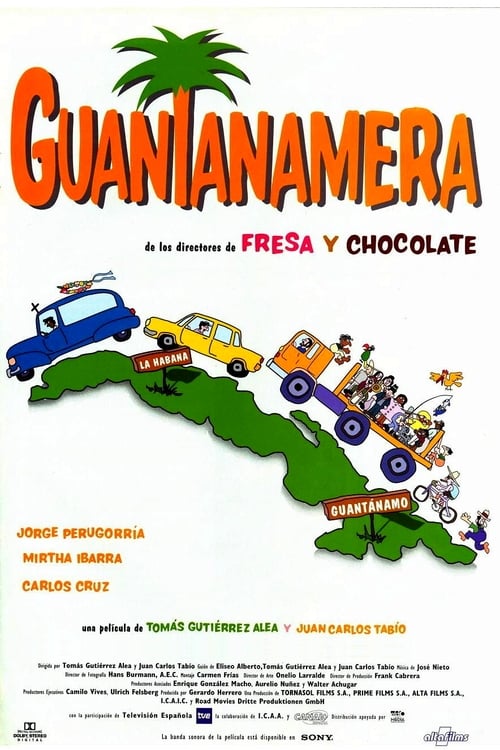
During the 'Special Period', the members of a funeral procession cross paths with truckdrivers who have to take the same route, and begin to talk about God and the world. They discover that life for both groups has many similarities, as well as a lot of differences.
A fugitive bursts into the home of two Catholic nuns. In an attempt to save his life, they hide him from the marauding military patrols, despite the danger they face if they are caught.
On December 31, 1958, a detective investigates the theft of a painting from the home of a wealthy widow in Havana. The relationship between the two, amid investigations and danzones, reveals the history of the house and the family. The arrival of the bearded men in Havana changes the course of events.
In Havana in the nineteen sixties, there were 140 movie theaters. Only a dozen remain today. For ten years, the cinema industry was a pillar of the Cuban Revolution, but the regime’s hardening and the economic recession precipitated its decline. Fifty years later, only a dozen movie theaters are still running in Havana, while a new generation of bold filmmakers struggles for the very existence of Cuban cinema. In the Heat of the Cold Years tells the story of Revolutionary Cuban cinema through the memories of a choral of elder filmmakers, such as Luciano Castillo, the director of the national film archives, as he scrambles for the preservation of this crumbling cultural legacy, and through a group of young Cuban filmmakers struggling to make their first feature film.
After the father of Marga’s unborn child dies, the young woman loses all hope, until she meets a dashing, handsome gentleman who just might be the man of her dreams -- aside from the fact that he happens to be gay…
A theater director and script-writer falls for a female worker from the Havana docks, but his machismo, social and working conflicts, and the Cuban woman's condition interfere with their relationship.
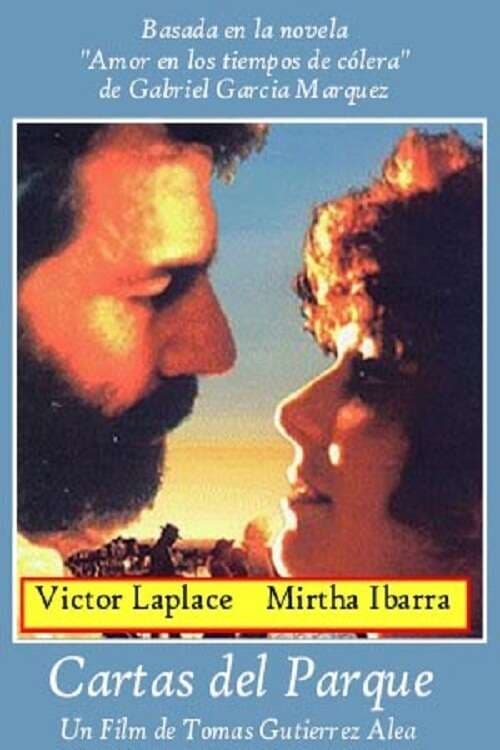
Matanzas, Cuba, 1913. Two young people who are in love communicate through letters written by penman. When the young man leaves town, to become a pilot, the girl discovers she is really in love with the one who wrote the letters.