FEEL IT.STREAM
Kenjirō Ishiyama

Kenjirō Ishiyama

Acting

Biography

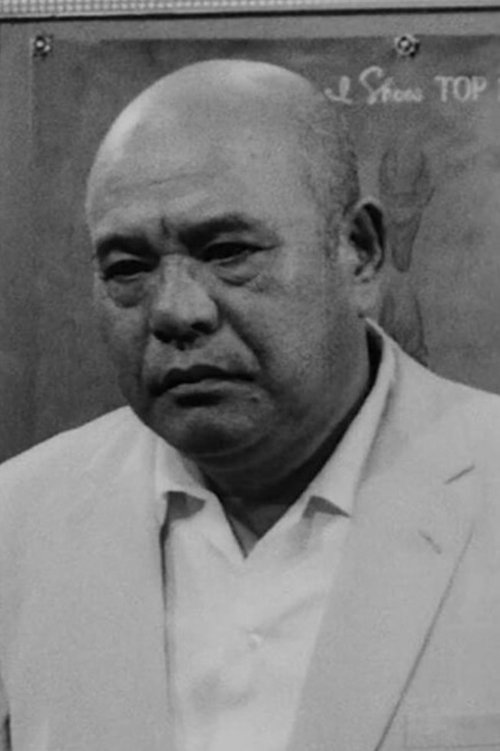
Kenjiro Ishiyama (石山 健二郎) was a Japanese actor. Born on 10 October 1903 in Hiroshima, Japan, he was known for High and Low (1963), Shiosai (1964) and Las Vegas Free-for-All (1967). He died on 10 May 1976.
Known For

Kogarashi Monjiro
8.0

Monjiro was born into a poor farm family in Mikazuki Village, Nitta County, Ueshu, and abandoned his hometown when he was 10 years old. He has been traveling aimlessly with a long toothpick in his mouth. Monjiro avoided getting involved in anything, but wherever he went, he ended up getting involved in incidents

Kogarashi Monjiro

1972
High and Low
8.4

A Yokohama shoe executive faces a wrenching choice when kidnappers mistakenly seize his chauffeur’s son but demand the ransom anyway.

High and Low

1963
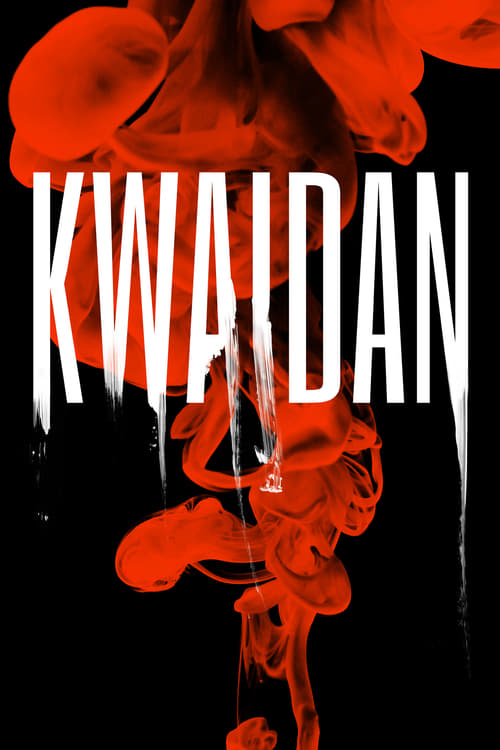
Kwaidan
7.7

Taking its title from an archaic Japanese word meaning "ghost story," this anthology adapts four folk tales. A penniless samurai marries for money with tragic results. A man stranded in a blizzard is saved by Yuki the Snow Maiden, but his rescue comes at a cost. Blind musician Hoichi is forced to perform for an audience of ghosts. An author relates the story of a samurai who sees another warrior's reflection in his teacup.

Kwaidan

1965
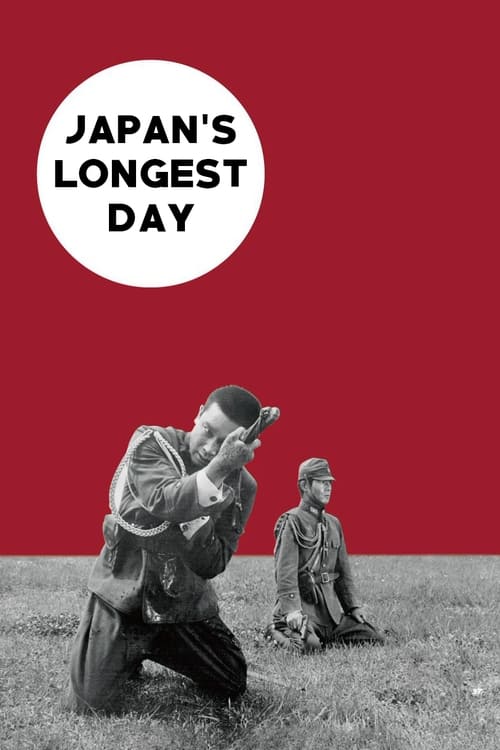
Japan's Longest Day
7.3

Following the detonation of the atomic bombs on Hiroshima and Nagasaki, the Japanese military and the government clash over the demand from the Allies for unconditional surrender. Minister of the Army Anami leads the military officers who propose to fight on, even to the death of every Japanese citizen. Emperor Hirohito, however, joins with his ministers in asking the unthinkable, the peaceful surrender of Japan. When the military plots a coup to overthrow the Emperor's civilian government, Anami must face the choice between his desires and loyalty to his Emperor.

Japan's Longest Day

1967
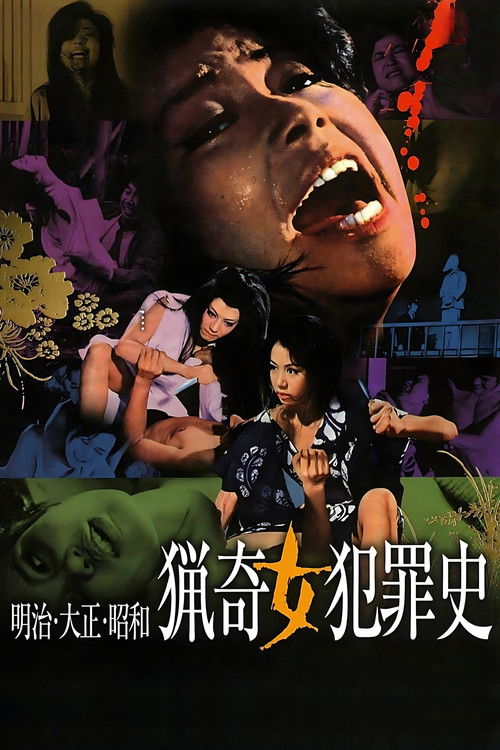
Love and Crime
7.2

A series of short stories about bizarre crimes committed by females in the Meiji, Taisho, and Showa Eras. Discover 4 famous Japanese murderers: Takahashi Oden, the last woman beheaded in Japan, Sada Abe, a crazy lover, Kunihiko Kodaira, a rapist-killer and finally, the Toyokaku case, a woman who did everything to own a hotel.

Love and Crime

1969
Admiral Yamamoto
8.5

As Japan joins in a political pact with Nazi Germany and fascist Italy, Admiral Isoroku Yamamoto is appointed supreme commander of the Japanese fleet. With Japan headed inexorably toward war, Yamamoto, despite his misgivings, believes the only possible victory lies in destroying the American fleet by surprise at Pearl Harbor. The attack succeeds, but fails to sink the American carrier fleet. Thus Yamamoto must lead the Japanese navy into war with ever-diminishing likelihood of success.

Admiral Yamamoto

1968
Wicked Priest
6.2

During the Taisho Period (early 1920's) a monastery of warrior monks was split apart between two factions. One of these factions was led by the Chief Abbot and his protege, Shinkai. When Shinkai intercedes in a fight between a rival priest and some ruffians it leads to his expulsion from the order. This story introduced us to the character of Shinkai, a "Karate Priest" and his long running feud with Ryotatsu, his greatest rival. There are touches of humor as Shinkai breaks all the commandments of a priest, including fighting, gambling, and running after women. All this leads to an awesome conclusion as he must destroy a gang of yakuza aided by corrupt priests. The fighting is fast and furious as Ryotatsu waits to see if Shinkai can live long enough to face him in the ultimate test! /Winterheart of CG

Wicked Priest

1968
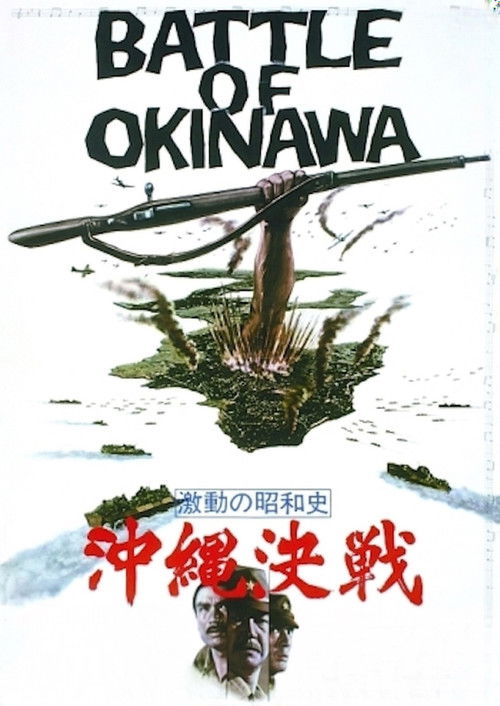
The Battle of Okinawa
7.8

The Americans are swiftly closing on Okinawa, an island just south of the Japanese mainland. The Imperial command sends top generals and several army divisions to defend it at all costs. The mission quickly degenerates as vital resources and troops are diverted to other islands. After a civilian evacuation ends in tragedy most of non-combatants are forced to remain on the island. Many convert to soldier status. Tokyo sends mixed messages that squander time and resources, as when they order the defenders to build an airstrip for aircraft that never come. The truth soon becomes obvious: the high command decides that the island cannot be held and effectively abandons the Okinawan defenders. When the Americans land many troops are deployed in the wrong places. As the slaughter mounts, a suicidal attitude takes hold. Okinawa becomes a death trap, for civilian volunteers and non-combatants as well.

The Battle of Okinawa

1971
The Kanto Scarlet Cherry Gang
6.8

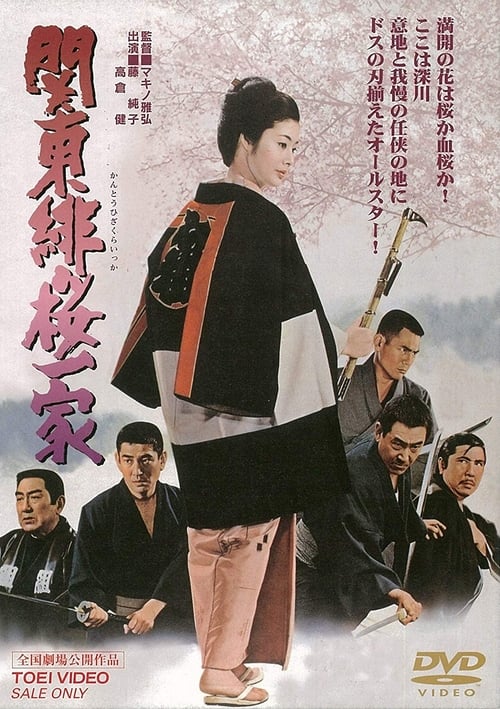
The Ni Family is the most well know and respected group of firefighters in the Kanto region. When their leader dies and the successor disappears, Tsuruji, a beautiful yet tough geisha, becomes the boss. But will she be able to confront a yakuza gang trying to take over the area?

The Kanto Scarlet Cherry Gang

1972
Miyamoto Musashi
7.3

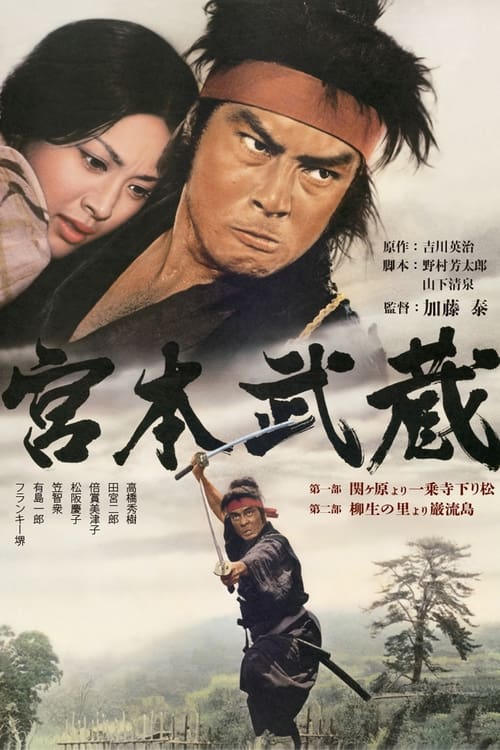
In Part I we see the young would-be swordsman setting out to achieve greatness in war, achieving nothing because fighting on the losing side, & then beginning his long period of wandering & training, with the goal always in mind of his duel with Kojiro. Part II builds toward that great duel on Ganryu Island, with considerable focus on Musashi's planning & forethought as to how to gain an advantage.

Miyamoto Musashi

1973
The Great White Tower
6.9

The story contrasts the life of two doctors, former classmates and now both assistant professors at Naniwa University Hospital in Osaka. The brilliant and ambitious surgeon Goro Zaizen stops at nothing to rise to a position of eminence and authority, while the friendly Shuji Satomi busies himself with his patients and research.

The Great White Tower

1966
Nunnery Confidential
5.5

Erotic Pinku film showcasing he life of Buddhist nuns during the Edo Period.

Nunnery Confidential

1968
The Militarists
7.5

No description available.

The Militarists

1970
Las Vegas Free-For-All
10.0

The Crazy Cats, a Japanese musical-comedy group, were showcased a series of comic adventures throughout the 1960s. Las Vegas Free-For-All, one of their most popular movies, featured scenes filmed on location in Las Vegas, Los Angeles, and Hawaii. Appearing with the seven Cats were the lovely Mie Hama and such Japanese musical artists as The Peanuts, The Johnnys, The Drifters, and Jackie Yoshikawa & the Blue Comets.

Las Vegas Free-For-All

1967
The Symbol of a Man
7.0

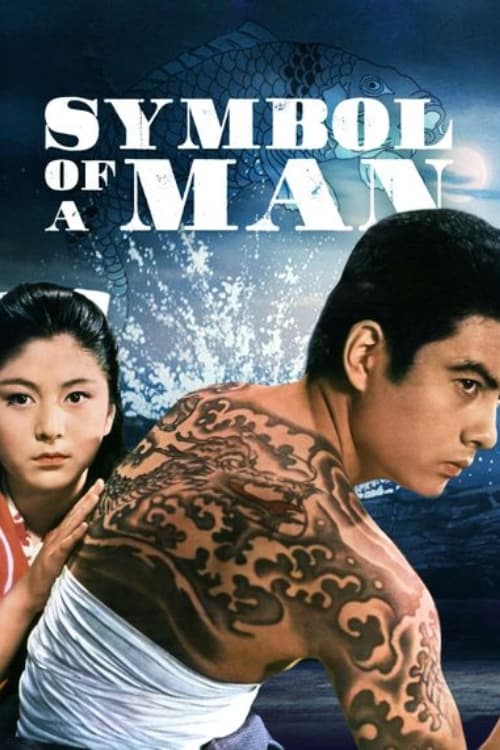
A Japanese intelligence officer faces personal crises in the years preceding the Manchurian conflict.

The Symbol of a Man

1963
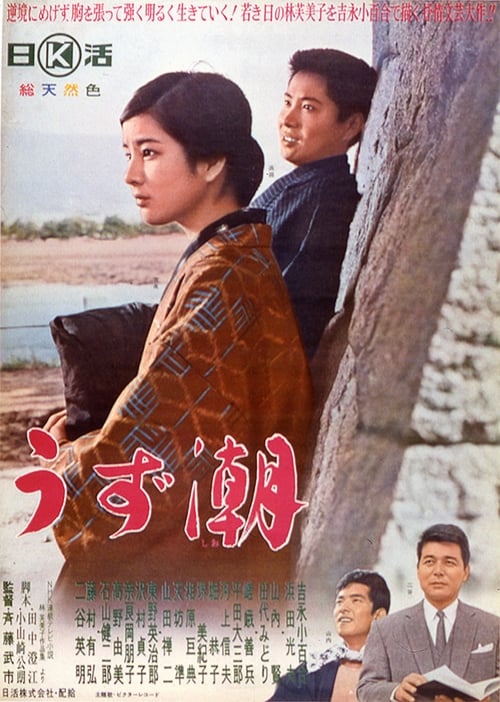
The Sound of Waves
7.0

On a small island, inhabited by only fourteen hundred people, a young fisherman's son, Shinji falls in love with Hatsue, the daughter of the richest and most difficult man on the island. Despite their differences in class, they begin to meet and rumors spread of them having an illicit affair. Soon after, Shinji jumps into a stormy sea to help a ship in distress. The vessel turns out to be owned by Hatsue's arrogant father, who now becomes an understanding and sympathetic parent and allows the two lovers to marry.

The Sound of Waves

1964
Red Peony Gambler: Here to Kill You
7.8

The seventh chapter of the stunning Hibotan Bakuto series. Many years have passed since Oryu the Red Peony began her soul-searching journey after her father was killed. In her travels, she meets villagers whose crops and livelihoods are being destroyed by pollution from a local factory. They seem to work out an agreement, but Oryu must help the poor villagers when the greedy factory owner and corrupt politicians betray them…

Red Peony Gambler: Here to Kill You

1971
Hatsu sugata ushimatsu gōshi
N/A

Fukagawa's chef Ushimatsu of the restaurant Kawatake fell in love with a maid named Omame and changed dramatically. He stopped gambling and womanizing much to the surprise of his friends. As their wedding day approached, Minosuke who had long been infatuated with Omame threatened her mother Okuma by using a promissory note for three ryō that he lent to her.

Hatsu sugata ushimatsu gōshi

1954
Industrial Spy
6.3

Kogure, an industrial spy, is tasked by Sawada, head of the research department of the Nisshin Corporation, to learn the secrets of the design of a new engine invented by a rival company. Kogure manages to obtain the secrets, but Sawada's goal was not the secrets themselves, but to use them to obtain the position of president of the company. Angered by Sawada's dirty tricks, Kigure begins to take revenge.

Industrial Spy

1968
Kojiro
8.0

Sasaki Kojiro tells the story of the genius who staked his love, glory, and life on a duel with the supreme master of the sword, Miyamoto Musashi (Tatsuya Nakadai). Oscar winning Hiroshi Inagaki directs this epic motion picture based on Genzo Murakami’s fascinating story. Despite his humble birth, the orphan Sasaki Kojiro (Onoe Kikunosuke) is determined to become the foremost swordsman in all Japan, a title that traditionally belongs to a nobleman. At fencing school, young Kojiro receives the contempt of his classmates because of his superior swordsmanship. When rumors of the upcoming civil war between Toyotomi and Tokugawa clans spread, Kojiro leaves the school and sets out, seizing every opportunity to realize his dream.

Kojiro

1967