Production
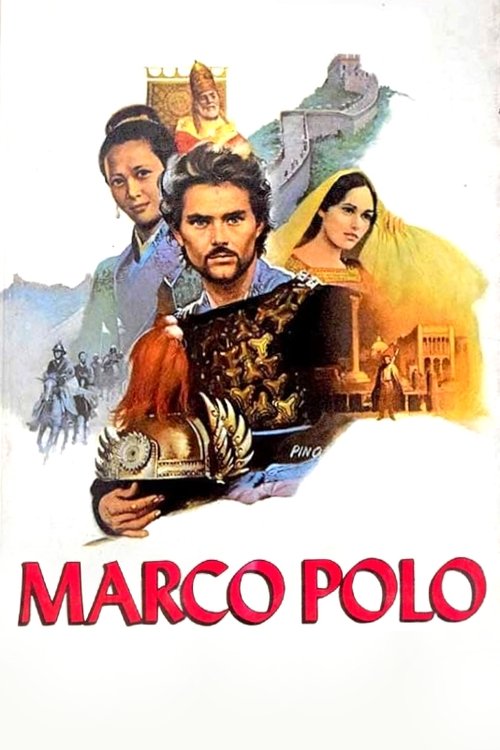
The life of the 13th-century Venetian explorer who sought to connect the civilizations of China and Europe through trade.
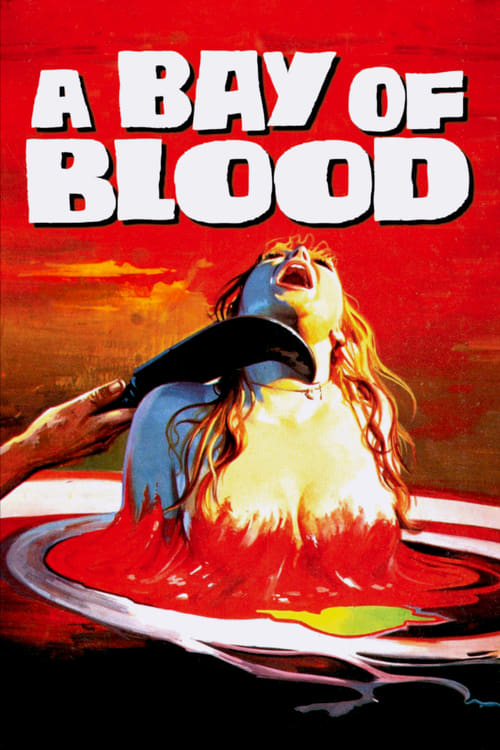
An elderly heiress is killed by her husband who wants control of her fortunes. What ensues is an all-out murder spree as relatives and friends attempt to reduce the inheritance playing field, complicated by some teenagers who decide to camp out in a dilapidated building on the estate.
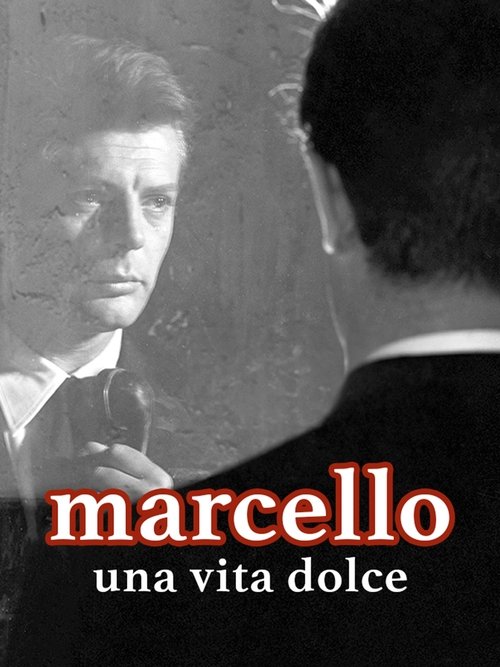
After shooting to fame with Federico Fellini’s “La Dolce Vita” (1960), actor Marcello Mastroianni (1924-1996) starred in more than 160 films in his nearly half-a-century career. Directors Mario Canale and Annarosa Morri look into the melancholic charm of one of the most famous Italian actors through interviews with his two daughters, Barbara and Chiara; directors Fellini and Luchino Visconti; actresses Claudia Cardinale and Anouk Aimee; and in archival footage of Mastroianni himself. The subject matter ranges from Mastroianni’s passion for kidney-bean pasta and his addiction to the telephone to his famous laziness, humility and talent. Shown in black-and-white, Mastroianni — elegantly holding a cigarette in between his fingers — is undeniably the dandy.
A Frenchman finds his runaway wife on an island in the Pacific.
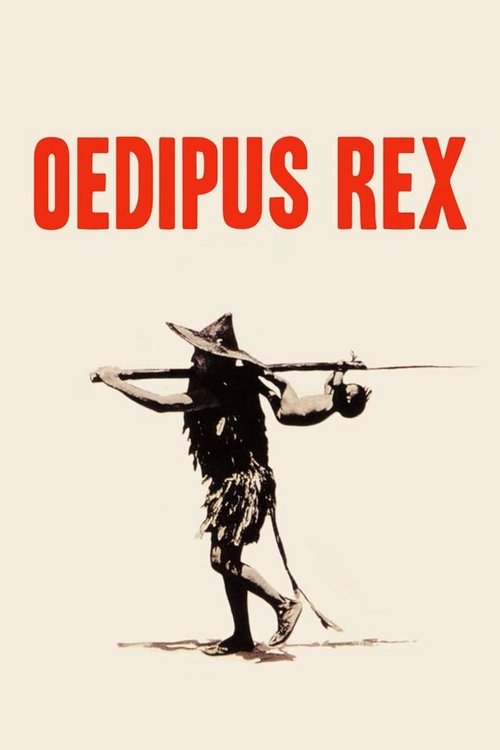
In pre-war Italy, a young couple have a baby boy. The father, however, is jealous of his son - and the scene moves to antiquity, where the baby is taken into the desert to be killed. He is rescued, given the name Oedipus, and brought up by the King and Queen of Corinth as their son. One day an oracle informs Oedipus that he is destined to kill his father and marry his mother. Horrified, he flees Corinth and his supposed parents - only to get into a fight and kill an older man on the road…
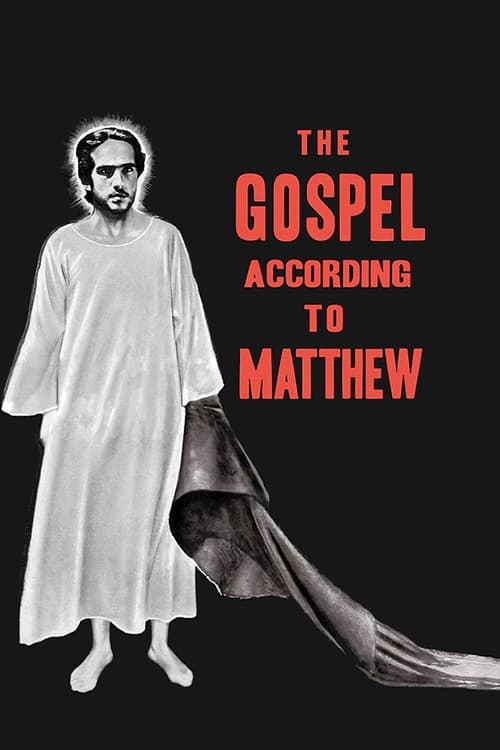
Along a rocky, barren coastline, Jesus begins teaching, primarily using parables. He attracts disciples; he's stern, brusque, and demanding. His parables often take on the powers that be, so he and his teachings come to the attention of the Pharisees, the chief priests, and elders. They conspire to have him arrested, beaten, tried, and crucified, just as he prophesied to his followers.
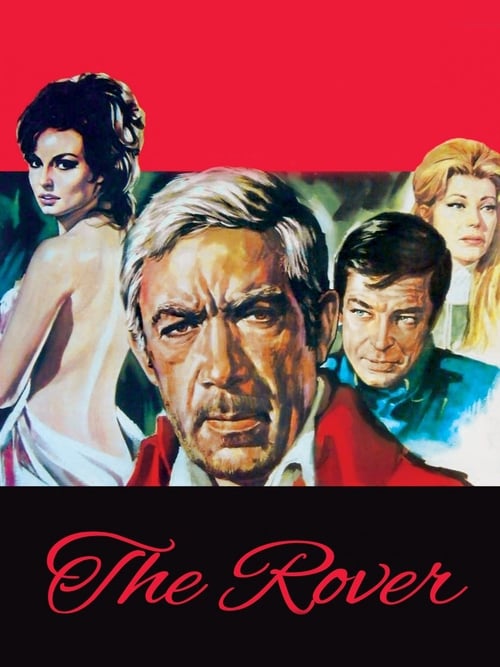
A former counterrevolutionary pirate befriends a mentally ill young woman and this in turn leads to tragedy when she falls in love with a French naval officer.
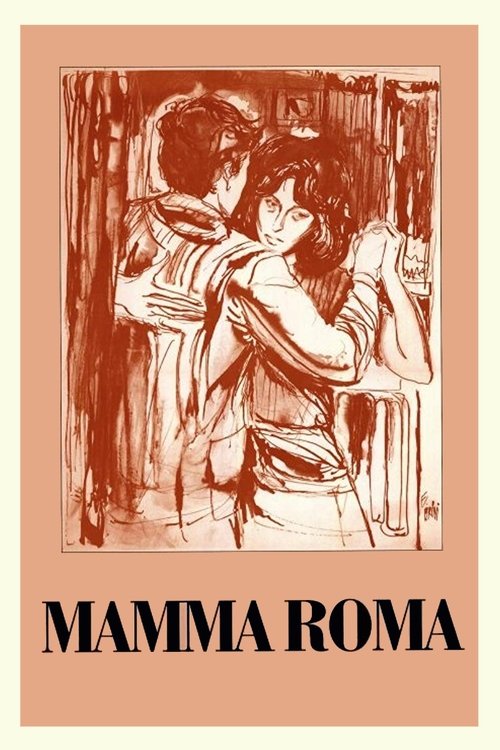
After years spent working as a prostitute in her Italian village, middle-aged Mamma Roma has saved enough money to buy herself a fruit stand so that she can have a respectable middle-class life and reestablish contact with the 16-year-old son she abandoned when he was an infant. But her former pimp threatens to expose her sordid past, and her troubled son seems destined to fall into a life of crime and violence.
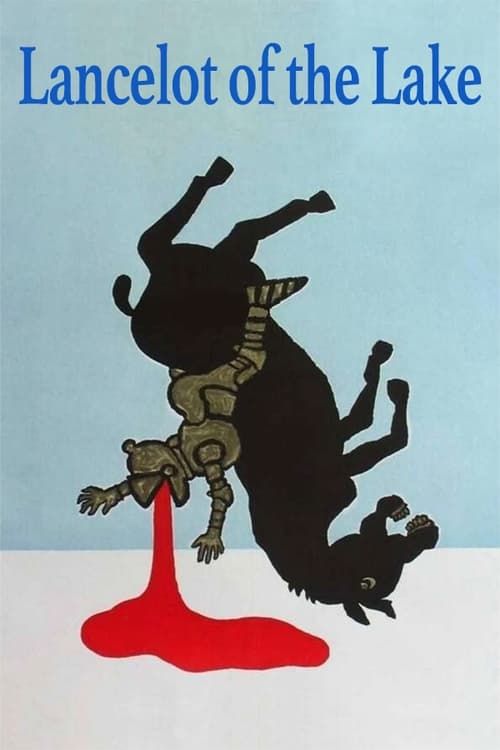
Having failed in their quest for the Holy Grail, the knights of the Round Table return to Camelot, their number reduced to a mere handful. Seeing a rift developing between Lancelot and Mordred, Arthur urges his knights to bury their differences and become friends. However, the king is unaware that Lancelot is having an affair with his queen, Guinevere. Lancelot is torn between his duty to his king and his love for the queen, whilst Mordred is determined to use his infidelity to destroy him.
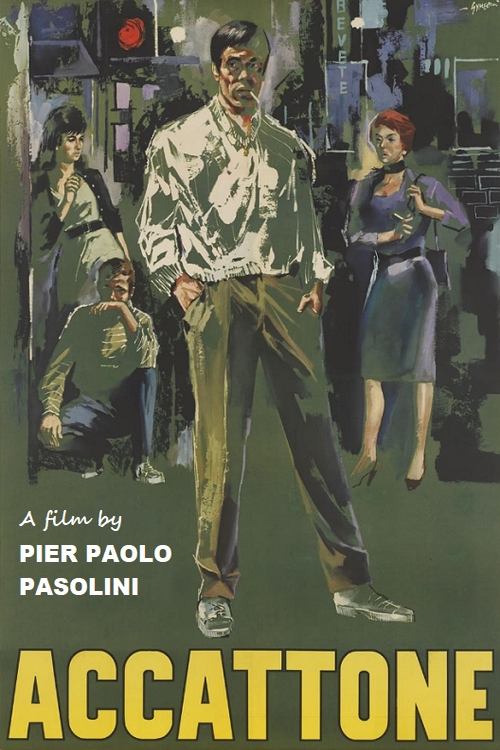
A pimp with no other means to provide for himself finds his life spiralling out of control when his prostitute is sent to prison.
A historian goes to a castle library to translate some ancient erotic literature. While there he discovers what he believes to be supernatural forces at work.
Four soldiers and a beautiful Greek nurse, thrown together in North Africa during World War II, team up to pull off a heist of two-million pounds in boxes marked "plasma."
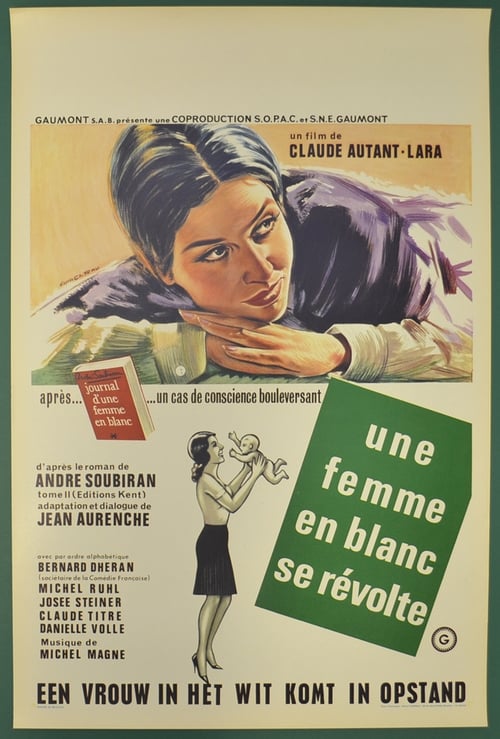
Preparing her gynecology thesis, Claude Sauvage, at the urging of a village doctor, Vincent Ferrière, agrees to replace him for a few days. During this time, she took it upon herself to abort the schoolteacher, who was afraid of giving birth to a handicapped child. But an anonymous letter denounces her, and she goes on trial.
Problems arise for Antonio Magnano when he is unable to consummate his marriage to the beautiful Barbara Puglisi and his virility is called into question. Despite the fact that he loves his beautiful wife and they have otherwise been happily married for a year, his problem becomes a source of contention for all concerned.
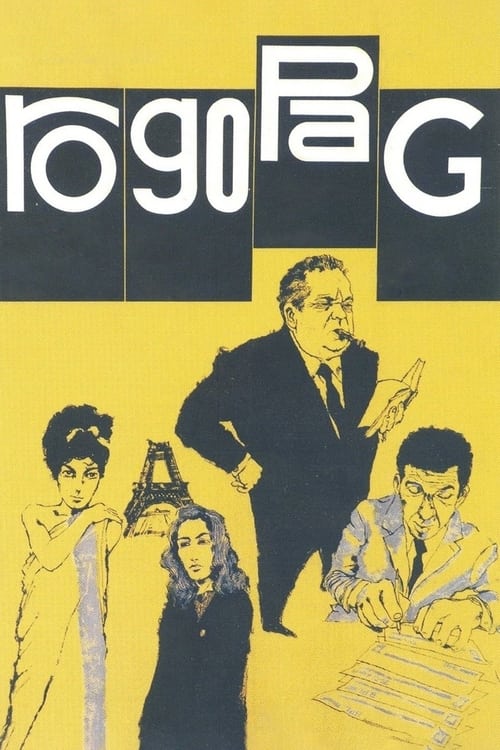
Four short films by four different directors dealing with the principles of modern life. "Illibatezza" (Rossellini): The hostess Anna Maria, to dissuade an aggressive suitor who prefers maternal tendencies, assumes an unscrupulous attitude, obeying the suggestions of her distant boyfriend. "The New World" (Godard): The deflagration of an atomic bomb causes strange effects on the inhabitants of a city. "La ricotta" (Pasolini): During the filming of a film about a religious subject, the extra Stracci dies hanging on the cross due to an indigestion of ricotta. "Il pollo spante" (Gregoretti): While an expert illustrates to a board of merchants the most modern techniques to increase sales through the discovery of the secret self of the average consumer, the human story of a bourgeois who, following these suggestions, focuses on the purchase of a plot of land in the countryside.
Story of Roberta, a beautiful young woman from a wealthy industrialist family and her relationship with Franco, a rough car mechanic and stranger whom she meets on the beach of Forte dei Marmi.
Crystal, a wealthy, scorned woman living in a massive Egyptian palace with her daughter Magda, finds commiseration in a dried-up Hollywood expat who surrounds himself with singing children.
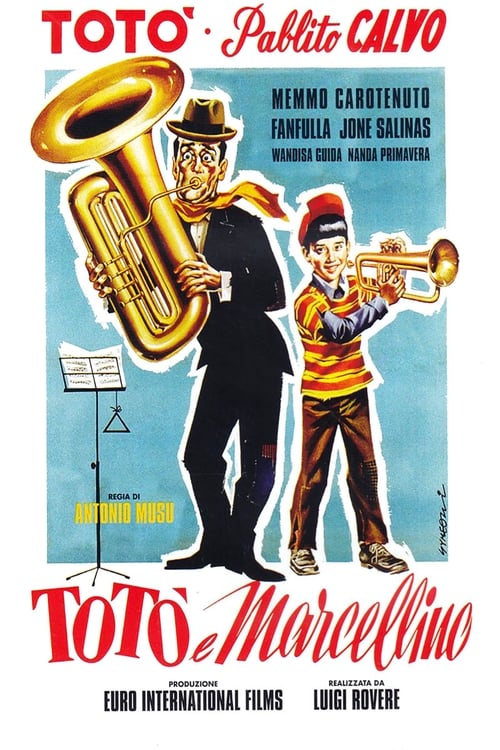
Marcellino becomes an orphan and finds two uncles--a good old eccentric man and a villain.
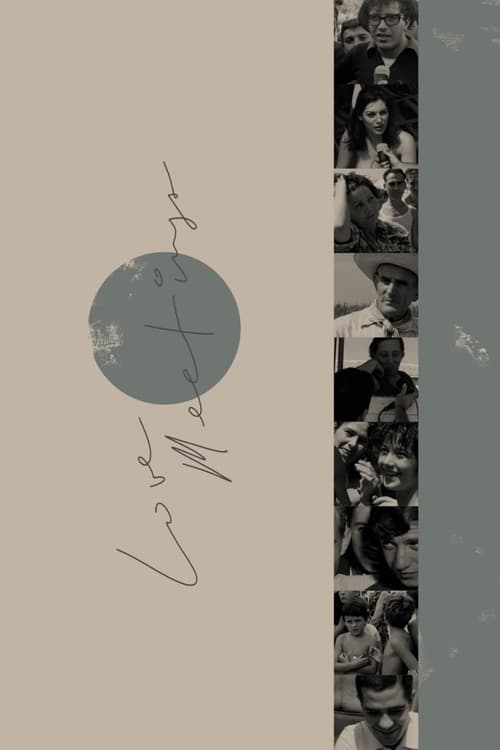
Pier Paolo Pasolini sets out to interview Italians about sex, apparently their least favorite thing to talk about in public: he asks children if they know where babies come from; asks old and young women if they support gender equality; asks both sexes if a woman's virginity still matters, what do they think of homosexuality, if divorce should be legal, or if they support the recent abolition of brothels. He interviews blue-collar workers, intellectuals, college students, rural farmers, the bourgeoisie, and every other kind of people, painting a vivid portrait of a rapidly-industrializing Italy, hanging between modernity and tradition — toward both of which Pasolini shows equal distrust.
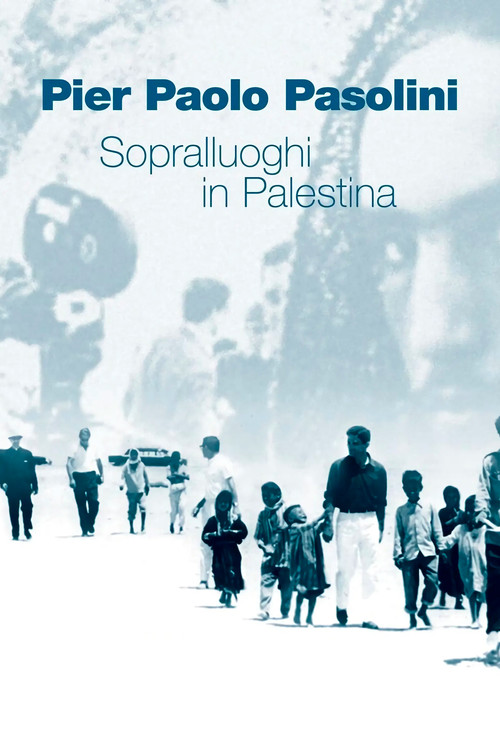
In 1963, accompanied by a newsreel photographer and a Catholic priest, Piero Paolo Pasolini traveled to Palestine to investigate the possibility of filming his biblical epic The Gospel According to Matthew in its approximate historical locations. Edited by The Gospel‘s producer for potential funders and distributors, Seeking Locations in Palestine features semi-improvised commentary from Pasolini as its only soundtrack. As we travel from village to village, we listen to Pasolini’s idiosyncratic musings on the teachings of Christ and witness his increasing disappointment with the people and landscapes he sees before him. Israel, he laments, is much too modern. The Palestinians, much too wretched; it would be impossible to believe the teachings of Jesus had reached these faces. The Gospel According to Matthew was ultimately filmed in Southern Italy. Mel Gibson would use some of the same locations forty years later for The Passion of the Christ.