Acting
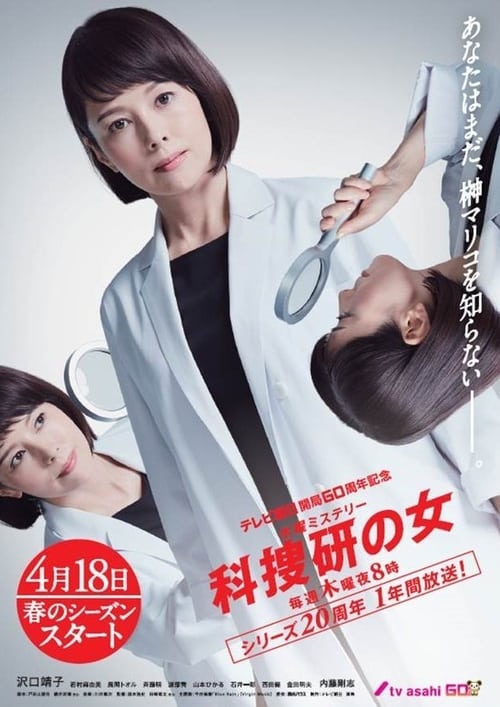
Mariko is a forensic scientist working at the Kyoto PD Crime Lab. Her credo is “science never lies” and she delves into the truth of the case with her colleagues with their specialized skills and knowledge in forensic medicine, physics, chemistry etc. Mariko’s steadfast belief in science makes her stand against conventional institutional ethics of the police department, diehard detectives averse to scientific investigation and sometimes even with her own colleagues, but she stays faithful to her belief in science and continues to pursue the truth.
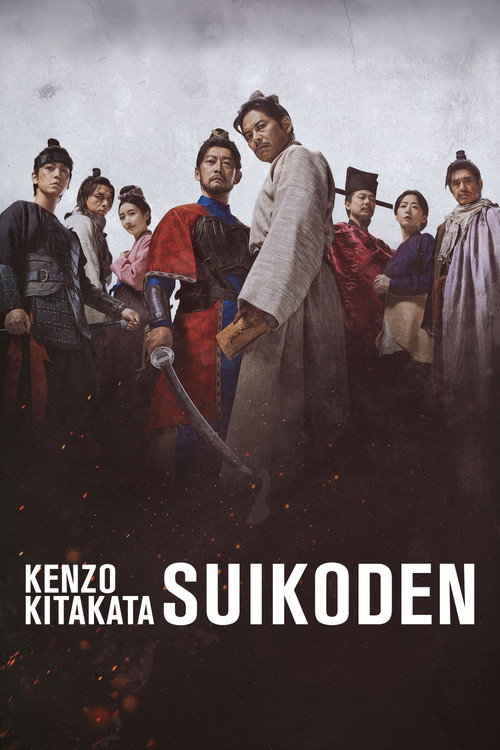
In a corrupt world, a low-ranking official named Song Jiang rises to fight for justice, uniting 108 outcasts under his banner to challenge the oppressive state in a desperate rebellion.
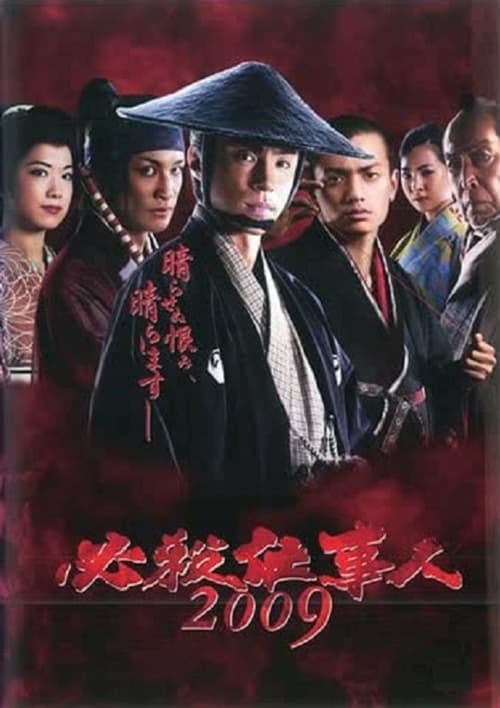
Continuation of the popular series of films about the assassins in Edo. This show marks the return of the jidaigeki series "Hissatsu Shigotonin," which has had several seasons between the 1970s and the 1990s. The franchise came back in 2007 with a one-shot special, but this is its first full season since 1992. Makoto Fujita returns as the protagonist Nakamura Mondo, one of the "shigotonin," a team of hired assassins.
After a fishing boat is attacked, the sole surviving crew member realizes it is none other than a resurrected Godzilla. However, efforts to bring the story to light are suppressed by the Japanese government amid growing political tensions between the United States and the Soviet Union, who are both willing to bomb Japan to stop the monster.
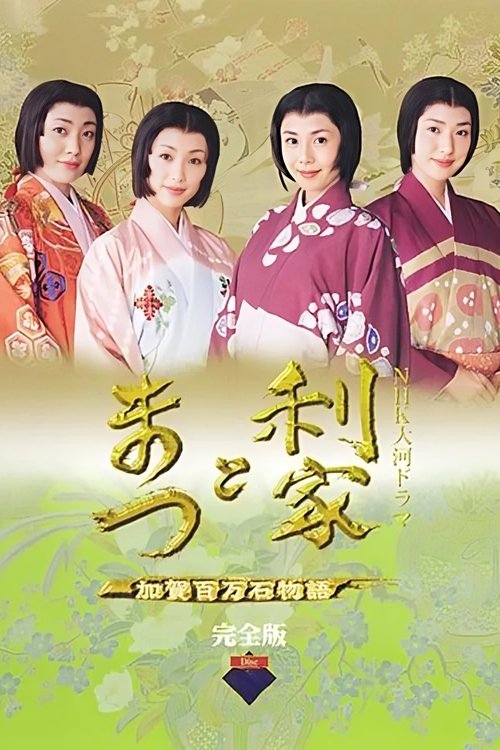
The 41st NHK Taiga Drama is Toshiie to Matsu. During the turbulent Warring States Era, one man's life and career intertwined with the three great generals of Japanese history-Nobunaga, Hideyoshi, and Ieyasu. With political savvy and the support of his fiercely loyal wife, Maeda Toshiie rose to second in power in the shogunate and built up a fiefdom that encompassed Echizen, Noto and Kaga.
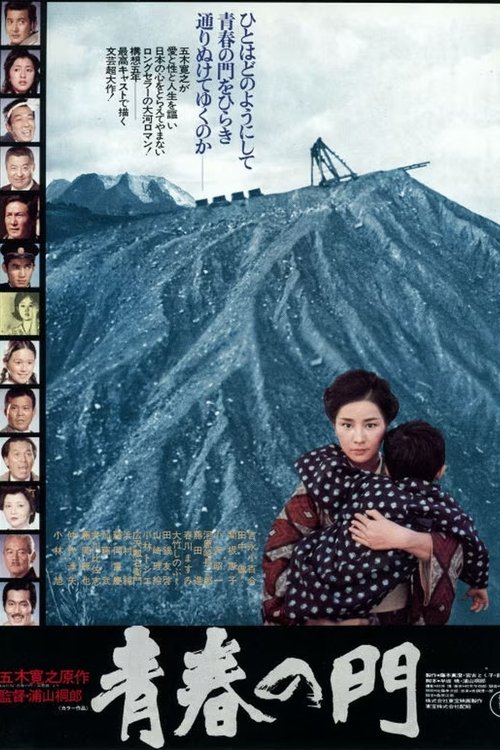
Mainly the story of Shinsuke and his stepmother, ranging from Shinsuke's infanthood to his mid-teens. Coal workers and the mines dominate nearly every aspect of the life of the characters. Shinsuke's father dies while bravely using dynamite to rescue a group of trapped Korean miners. Several older men attempt to help he and his mother cope, including a kind Korean and a Harley-riding yakuza.
A young journalist interviews an elderly woman about being forced into prostitution in Borneo at a brothel called Sandakan No. 8.
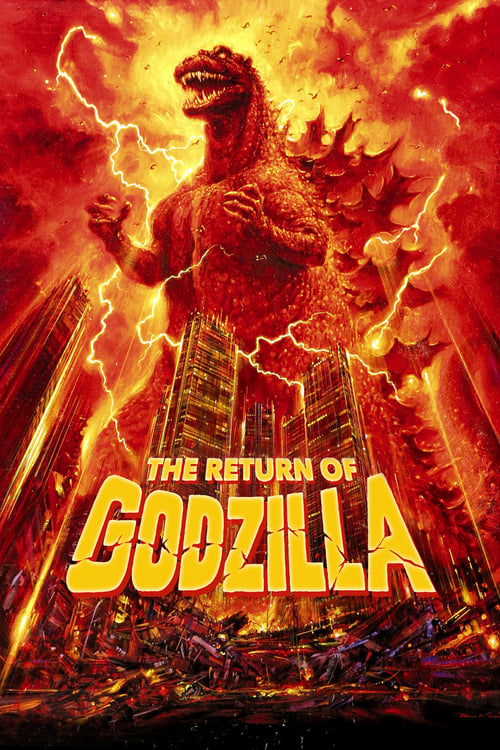
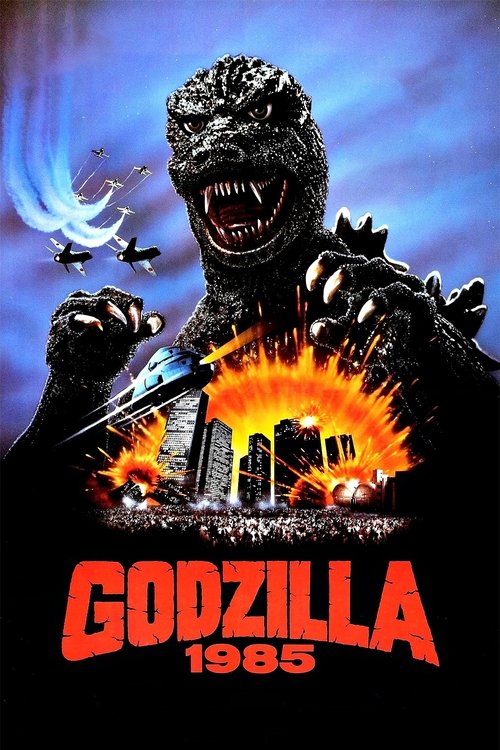
Originally released in Japan as "The Return of Godzilla" in 1984, this is the heavily re-edited, re-titled "Godzilla 1985". Adding in new footage of Raymond Burr, this 16th Godzilla film ignores all previous sequels and serves as a direct follow-up to the 1956 "Godzilla King of the Monsters", which also featured scenes with Burr edited into 1954's "Godzilla". This film restores the darker tone of the original, as we witness the nuclear destruction of giant lizard terrorizing Japan.
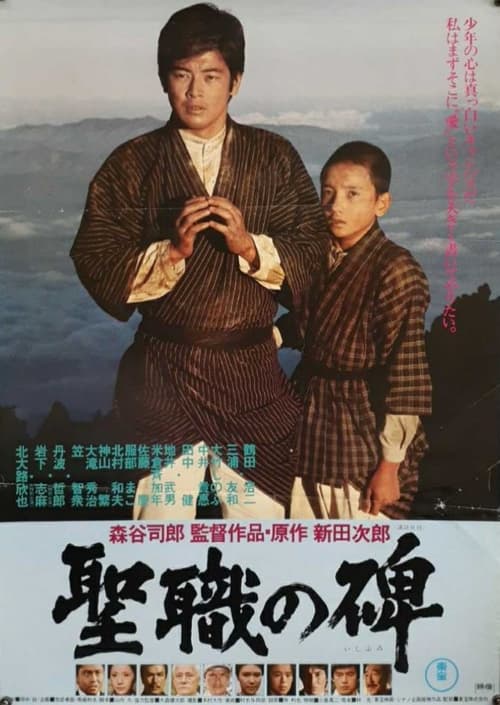
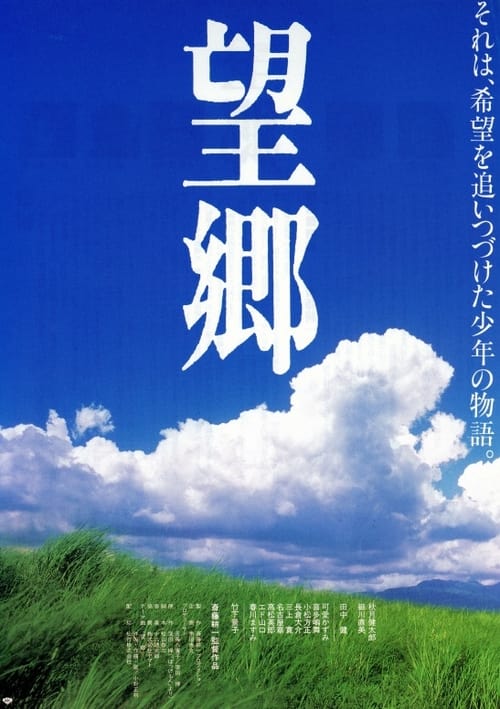
A rural high school takes part in a mountain-climbing exercise and are caught in a sudden typhoon.
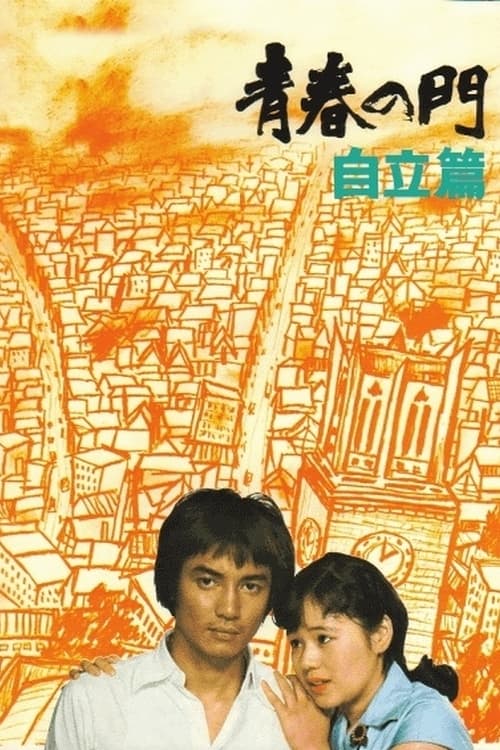
Mid 50s: the trials and tribulations of Shinsuke Ibuki, freshly arrived in Tokyo from Kyushu.
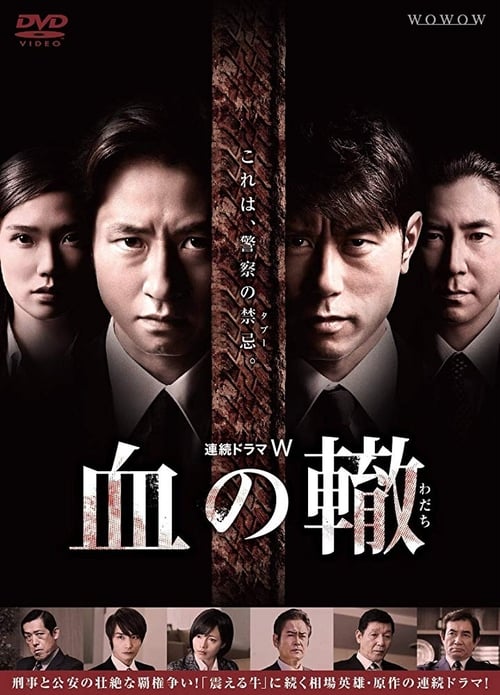
An ex-detective, Kagawa, is found dead in a park in Shinjuku, Tokyo. Swearing revenge, detectives of the #1 investigation team, including Tozawa (Shosuke Tanihara), begin to investigate Kagawa’s death. Meanwhile, Sono (Masanobu Takashima), at the public security bureau, orders his subordinate Shimizu (Taizo Harada), to uncover the truth behind the case in secret. Sono believes the maintenance of trust held by the general public for the police could be jeopardized if anything afoul is discovered in the case stemming from the police. Sono wants to coverup the case as unsolved if the police are involved.
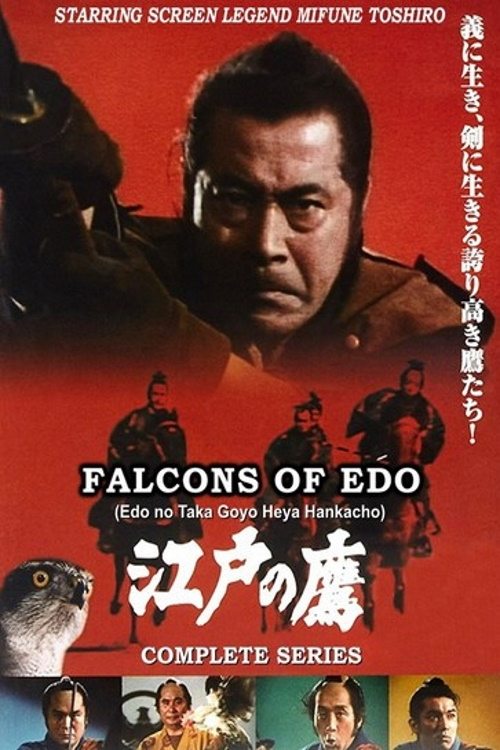
In the 1770's, the shrewdest man of the age, Tanuma Okitsugu, had abused his political power, and the corruption of government officials and moral decay of the public were prevalent. At that time, there was a box for complaints made by the general public. It was called "Meyasubako" and was placed at the front gate of the central government's Supreme Court. The appeals went directly to the shogun who assigned the “Otakagumi” (Falconers Unit) to investigate. Led by Uchiyama Kanbei (samurai superstar Mifune Toshiro) they fought injustice and helped the oppressed. Not only were they skilled swordsmen, but their trained falcons would swoop down on enemy troops, especially those using firearms. Superb fighting throughout with Mifune at the forefront in one of his finest roles. As the vile Tanuma Okitsugu continues to abuse his political power, more and more clashes with the Falcons of Edo, who stand for justice and morality are bound to occur, leading to a conclusion the likes of which has never been seen. Putting his life on the line, time and time again, Uchiyama Kanbei fights to prevent Tanuma from destroying the falconers’ group and take him to task for his vicious treatment of the Japanese people. Aided by his trusty Vice-Chief Ichiyanagi Kakuto, he wades bravely into battle in a land where “Take no prisoners” is the mantra. Brilliant fighting and a clever story line create a highly charged action series that brings out the best in samurai cinema. Can the Falcons of Edo prevail and save Japan from being crushed underfoot!
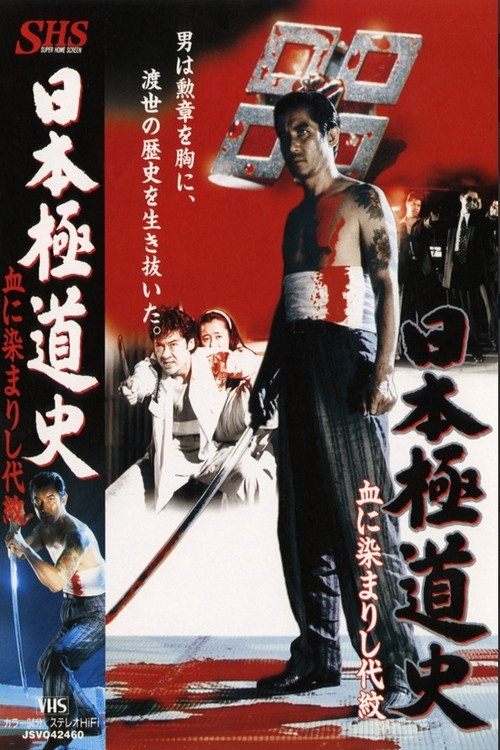
Showa 38. In those days when golden badges gleamed on lapels, the Shoryu-kai reigned in the east and the Akutsu Federation in the west. Positioned between them was the old-school Yoshida-ikka, which fell victim to a surprise attack by the Shoryu-kai that disregarded the code of honour. Witnessing this, the Akutsu Federation sent Katsuragi (Hitoshi Ozawa), assistant underboss of the Hyodo-gumi, to try to bring the Yoshida-ikka under their umbrella first. Takayama (Ken Tanaka), the second-in-command of the Yoshida Family, could not bring himself to agree to a 4:6 split, even though the proposal came from his sworn brother, Katsuragi. Meanwhile, Ōba, the second-in-command of the Hyōdō-gumi, attacked the Yoshida Family to prevent Katsuragi from taking the credit. With his boss murdered, Takayama, a long dagger in hand, quietly rises to face the challenge alone…!
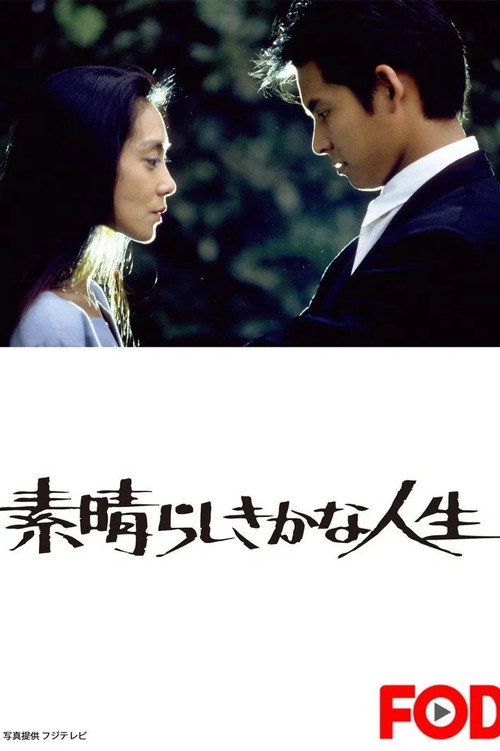
Just when about to commit suicide after being deserted by his bride-to-be during the wedding, a man meets a university professor who is also at the point of killing himself. A woman nearby intervenes, one thing leads to another, and the three lost souls move in together. Each episode is a distinct story about the sometimes painful, sometimes warm romances between them and the people they meet while sharing an apartment.
In 1940, Kubota Shoten, which has been in business for generations, goes bankrupt due to the debauched lifestyle of its president, Kunimitsu Kubota. Subsequently, Kunimitsu moves back to his hometown and his children are sent to live with other relatives.
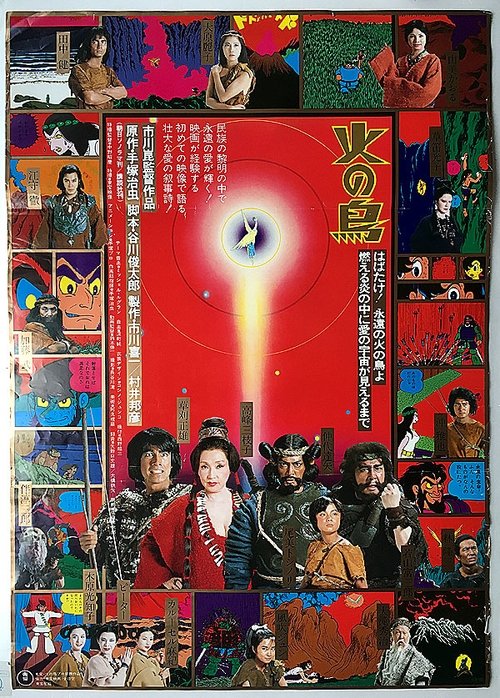
This extraordinarily complex film is not only a send-up of every samurai film ever made, it is also an extrapolation of the value of life. The Yamatai, represented by Prince Susano-O and elderly advisor Sumuke, hire Yumihiko of Matsuro to hunt the phoenix so that Queen Himiko, sister of Susano-O can have eteranal life.
The day before his exhibition, world-renowned painter Tamura discovers that his own work contains a forgery. Meanwhile, the body of a woman with countless ukiyo-e tattoos is discovered at the sea. From the two incidents, the name of Ryuji emerges.
Yume (Asano) is a single mother raising a now teenage daughter, Haruka, by herself. She has trouble trusting men, as Haruka's real father Kunio left before Haruka was born, and her first marriage ended when her husband cheated on her. It is then though that she meets Kunio's younger brother, Mitsugu (played by Oda). He falls for her immediately, and sets out to win her heart despite her disbelief.
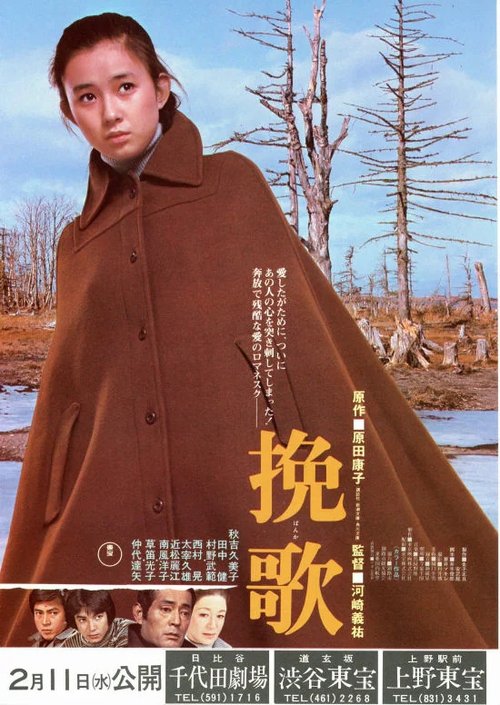
In Hokkaido, Kunigama. Reiko (Akagi) met Katsura, on a quiet and lonely late autumn evening, before the harsh and fierce winter was to come. Reiko was 21 years old, working for a small mobile theater troupe. She knew from the beginning that Katsura had a wife and children. Katsura's relationship with Reiko, half openly and half secretly, was partly due to and partly an excuse for his wife, Akiko (Kusabi),'s infidelity. Reiko was always honest with her heart. She became friends with Katsura's daughter and even made friends with Akiko.
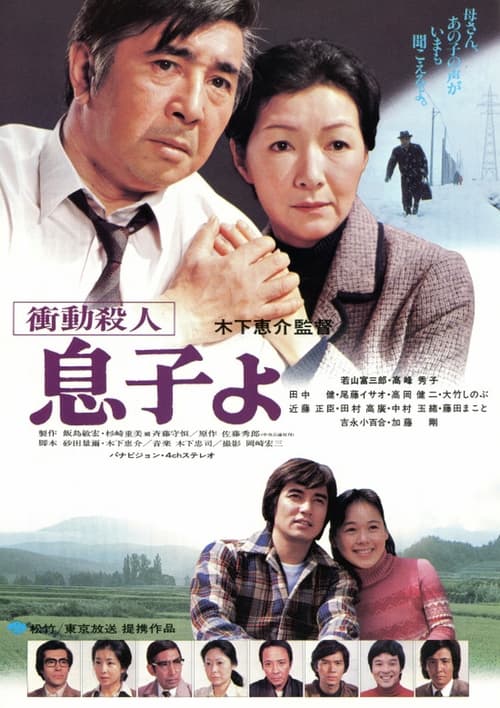
A man whose son has been murdered pushes to create laws to financially protect victims' families.