Acting
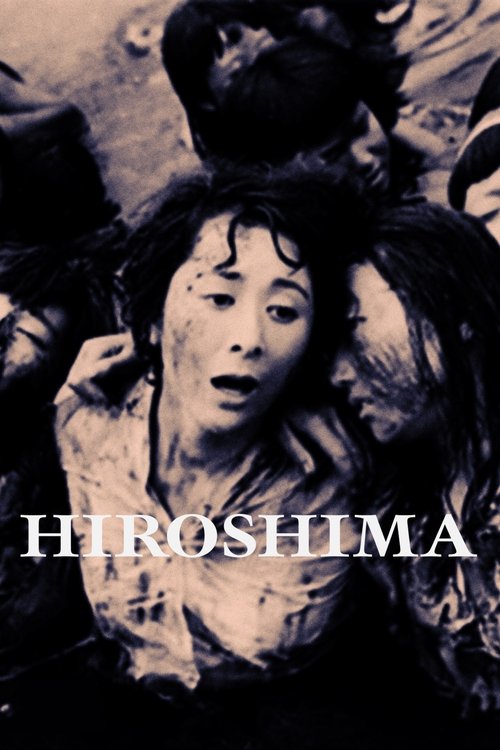
Historical fiction about the aftermath of the atomic bombing of Hiroshima, Japan, on 6 August 1945, and its effects on various civilians, especially children, of that city.
No description available.
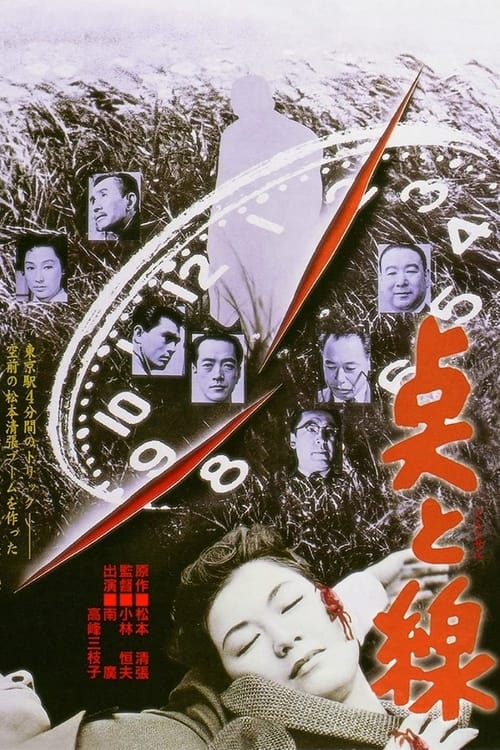
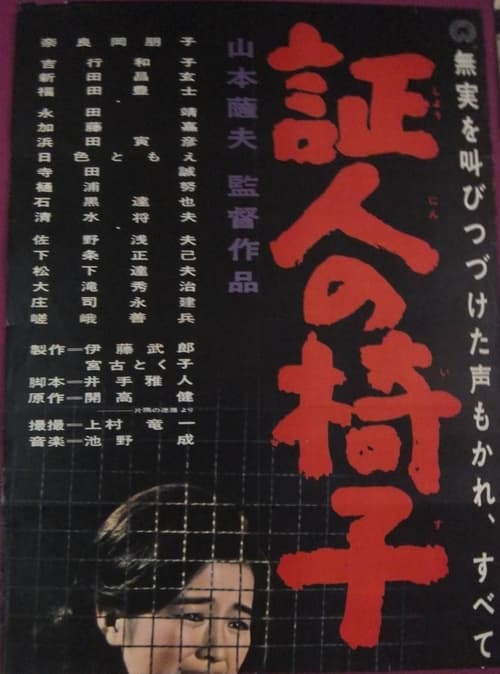
Based on Matsumoto Seicho's classic mystery novel of the same name, the story centers around a group of detectives who are determined to find the truth behind an apparent double suicide.
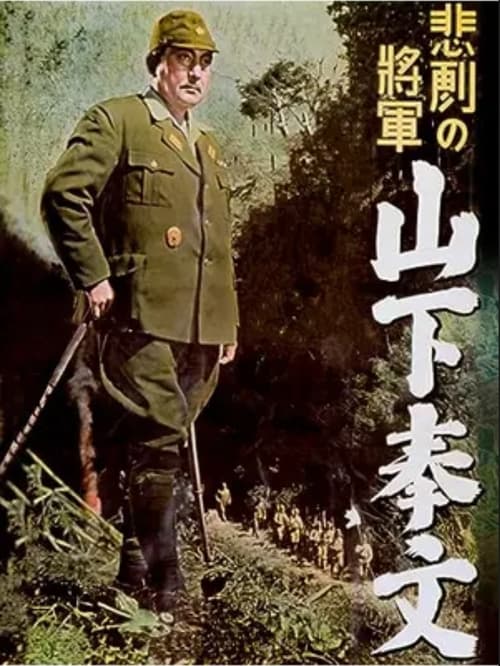
When Japan entered into the great tragedy that was unforgettable, the general general of the history of the Ming Dynasty, hokudai Yamashita, left the Malay front and occupied Singapore at once, and was praised as a "Malay tiger." However, the situation in Japan changed steadily by the failure of Sai pan from the GA Talca translation.
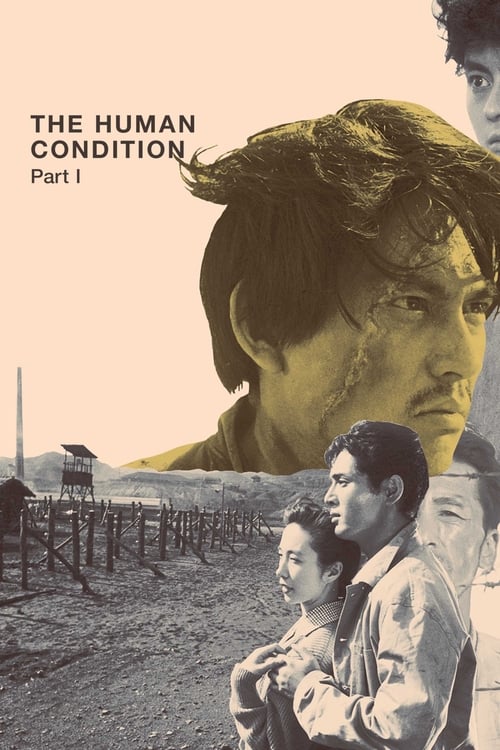
After handing in a report on the treatment of Chinese colonial labor, Kaji is offered the post of labour chief at a large mining operation in Manchuria, which also grants him exemption from military service. He accepts and moves with his newlywed wife Michiko, but when he tries to put his ideas of more humane treatment into practice, he finds himself at odds with scheming officials, cruel foremen, and the military police.
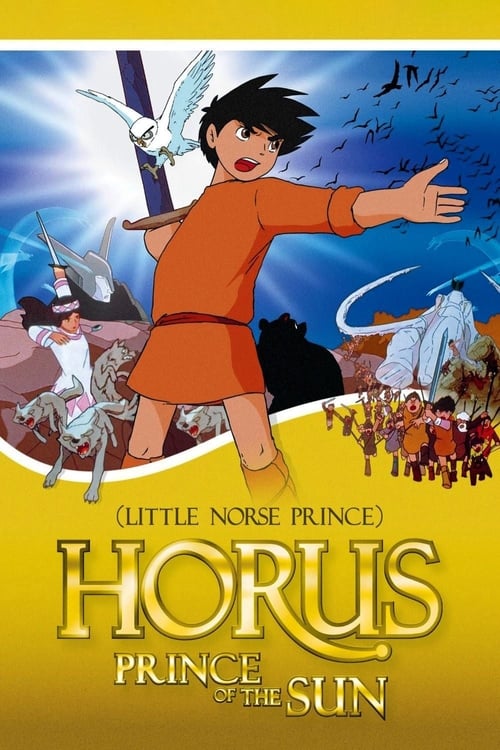
Young Horus lives in a mythical Scandinavia of the Iron Age. Recovering the stolen Sword of the Sun from a rock giant, he learns he must travel to the lands of his ancestors, encountering the beautiful but enigmatic Hilda as his journey leads to a series of adventures.
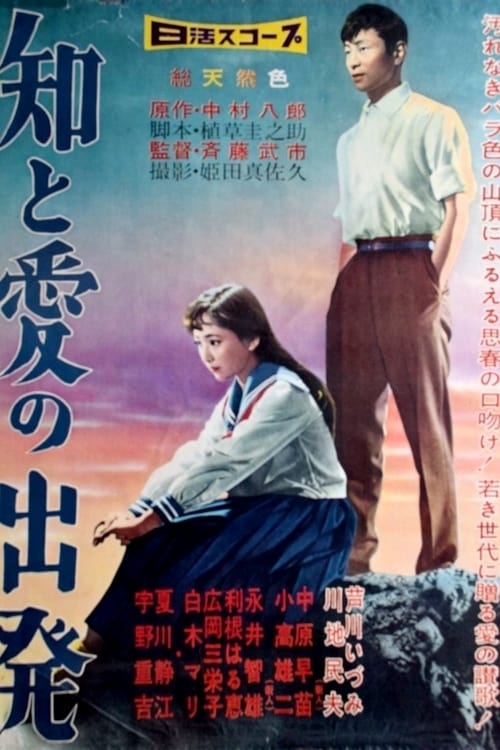
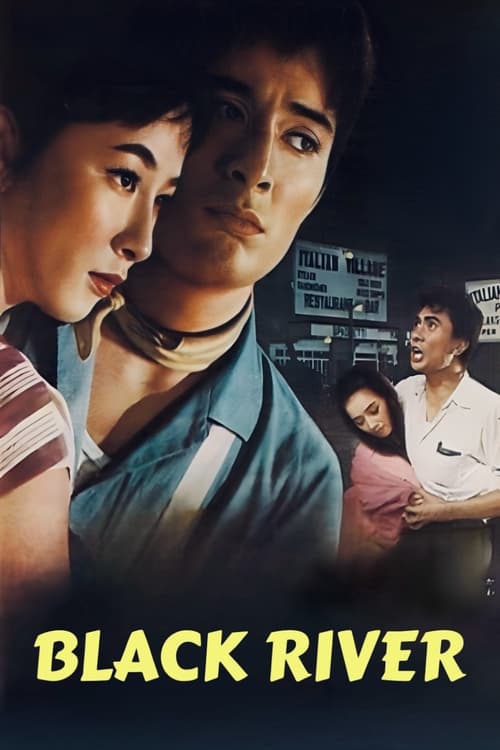
A love triangle develops between a benevolent student, his innocent girlfriend, and a cruel petty criminal, all as a point of diagnosis of a social disease that had Japan slowly succumbing to lawlessness during the post-War era.
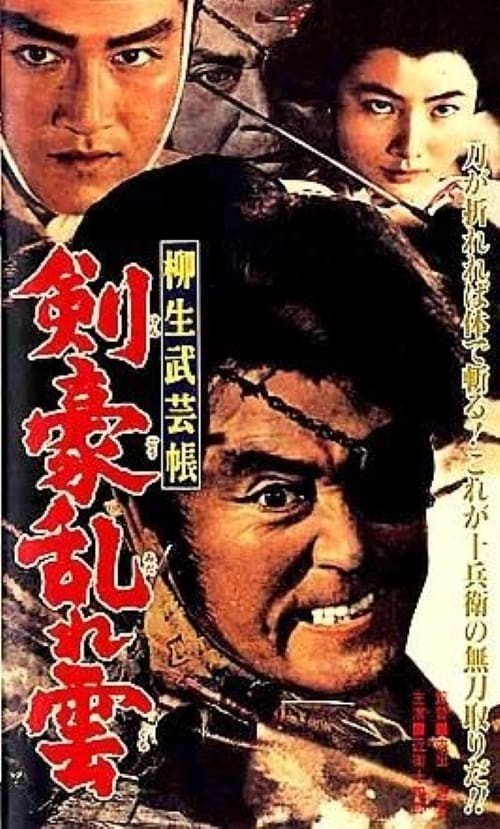
Yagyu Jubei must protect the Yagyu scroll that holds the secret of the infamous assassination plotted by the Tokugawa government 30 years ago.
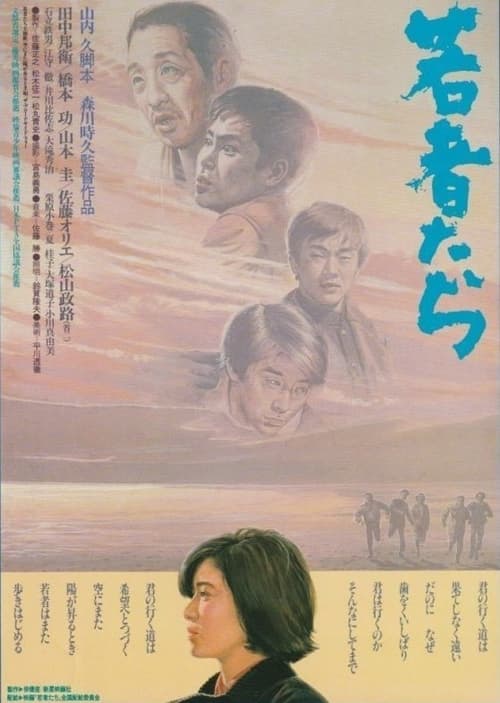
"Young People" is a story about the lives of four brothers and a sister, Sato. After the death of his parents, the older brother, Taro, who works in construction, decides to replace them. The second brother, Jiro, is a truck driver. The third, Saburo, is a student, dreams of a better future for the whole family are connected with him, with his career. Brothers and sisters are fighting to give him a higher education. And, finally, the youngest of the brothers, Suekichi, is also going to enter the university after graduation. The life of the Sato family is complicated. Taro is kind, but limited, not always able to find a common language with his brothers and sister Orie. The girl cannot stand the despotism of her brother, leaves her home and goes to work at the factory. With her departure, everything in the house goes upside down. Suekichi fails her university entrance exams, Orie is forced to return to her family.
1962 Japanese movie
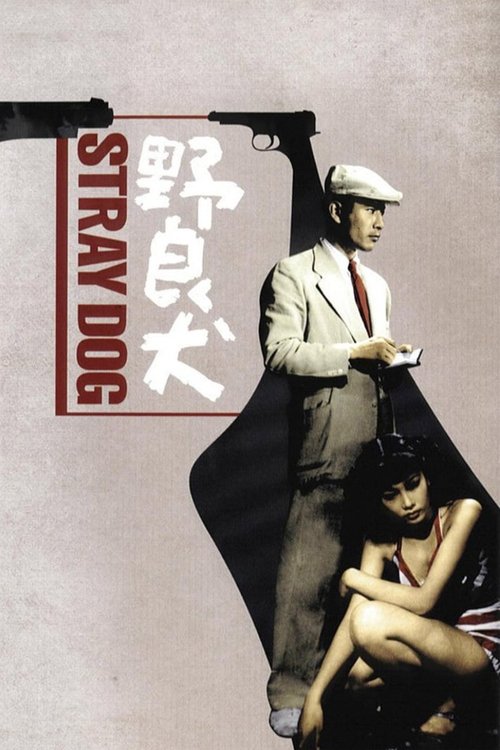
A bad day gets worse for young detective Murakami when a pickpocket steals his gun on a hot, crowded bus. Desperate to right the wrong, he goes undercover, scavenging Tokyo’s sweltering streets for the stray dog whose desperation has led him to a life of crime. With each step, cop and criminal’s lives become more intertwined and the investigation becomes an examination of Murakami’s own dark side.
Murder case and trial.
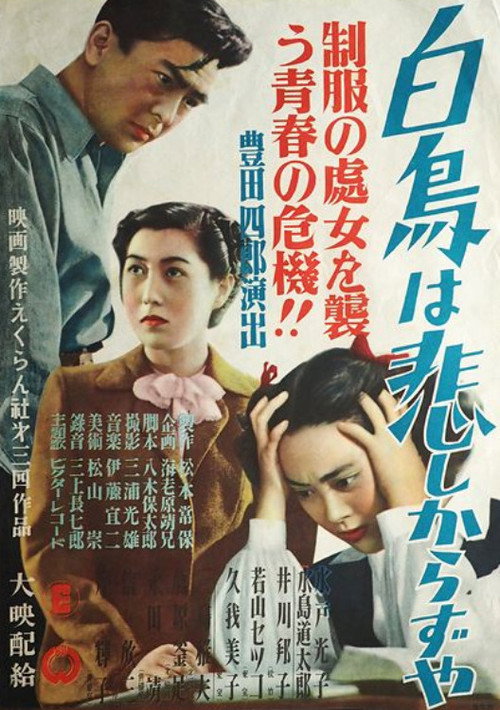
Reiko Nishida, though she had both parents, felt lonely because she couldn’t fit in with the cold atmosphere at home. A student at Wakaba Academy in Osaka, she eventually succumbed to the allure of a superficial lifestyle and joined a group of delinquents, but Kimiko Kimizuka, a student council member, tried desperately to save her friend from the path of crime.
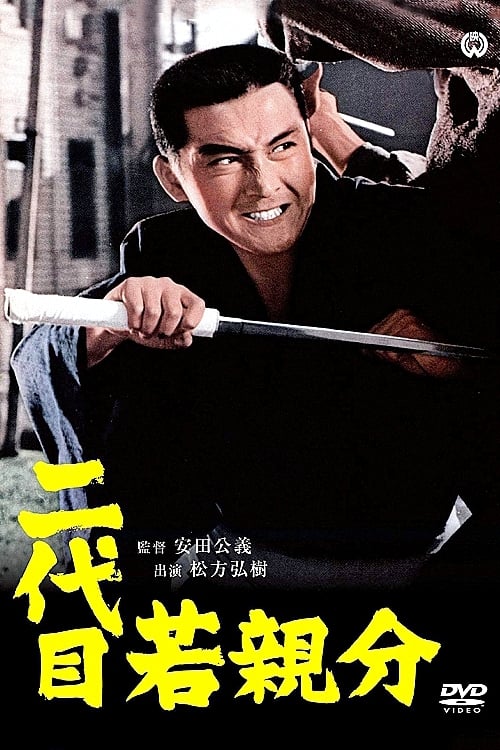
Takeshi Nanjo, a junior lieutenant in the navy whose father, the head of the Nanjo-gumi yakuza family, was killed, is forced to leave the army and become the head of the Nanjo-gumi in the second generation. He brutally chivalrously avenges the death of his father by a vicious yakuza linked to extremists within the army through the courage and swordsmanship of naval training!
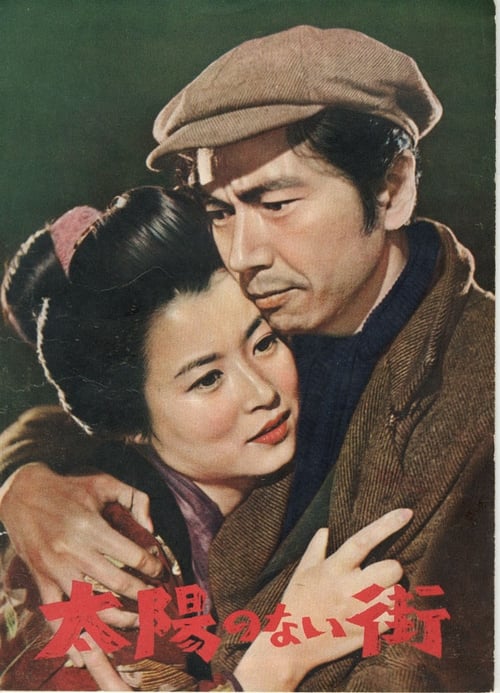
Based on the novel by proletarian writer Sunao Tokunaga. The story is about a long strike by workers at a large printing house and the strikers' steadfastness, which neither hunger nor violence could break. The heroine of this story actively participates in her colleagues' struggle against layoffs, oppression, and police brutality.
In the midst of the warring age, a young samurai Kyonosuke defies his former lord Hojo Ujikatsu in order to avenge his parents’ deaths.
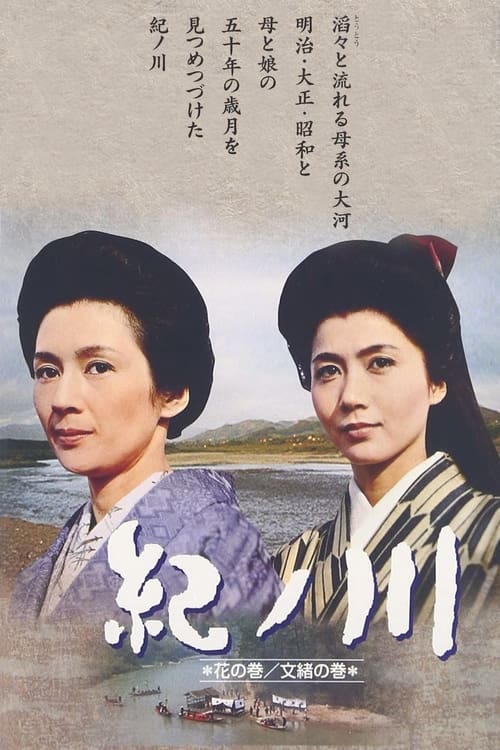
Epic saga of an idealistic land-owning family dealing with militarism, war, social change and economic reform.
The movie depicts the youth of kamikaze pilots who scattered young lives in the sky.
A union-busting Yokohama dockworker learns that the loyalties that rule his life are based on shaky foundations. Believing that his manager was responsible for saving his life as a baby, he falls victim to a manipulative cycle of deceit and revenge.