FEEL IT.STREAM
Komaki Kurihara

Komaki Kurihara

Acting

Biography

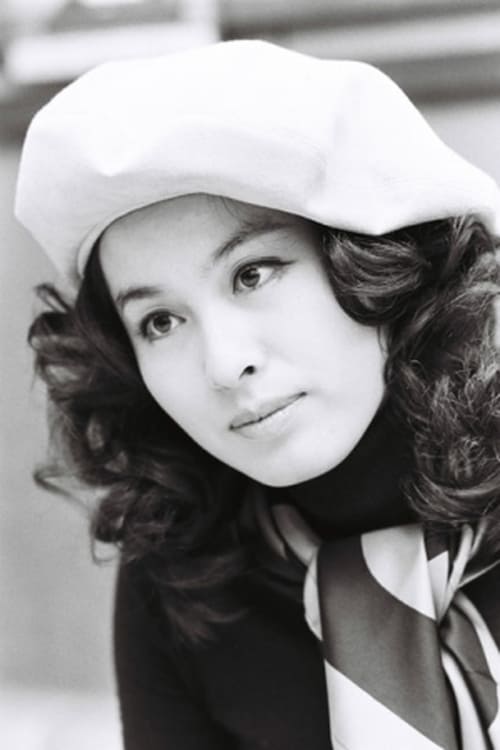
Komaki Kurihara (栗原小巻) (born 14 March 1945) is a Japanese film actress. She has appeared in 30 films since 1967. She starred in the 1974 film Sandakan No. 8, which was entered into the 25th Berlin International Film Festival. In 1975 she was a member of the jury at the 9th Moscow International Film Festival. In 1981 she was a member of the jury at the 12th Moscow International Film Festival.
Known For

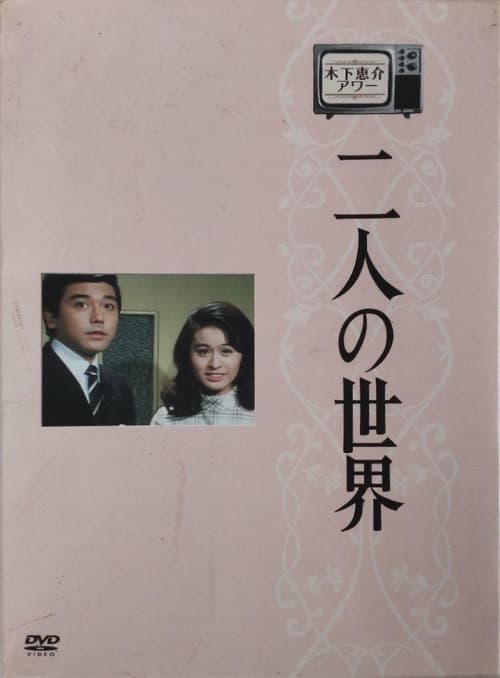
World of Two
10.0

One night, Jiro and Reiko fell in love at first sight, and on the seventh day he proposed to her, and three months later they were married. However, the difference in upbringing between Jiro, who was born and raised in a farmhouse in Shinshu, and Reiko, who is a city girl by nature, sometimes causes small ripples in their sweet newlywed life.

World of Two

1970
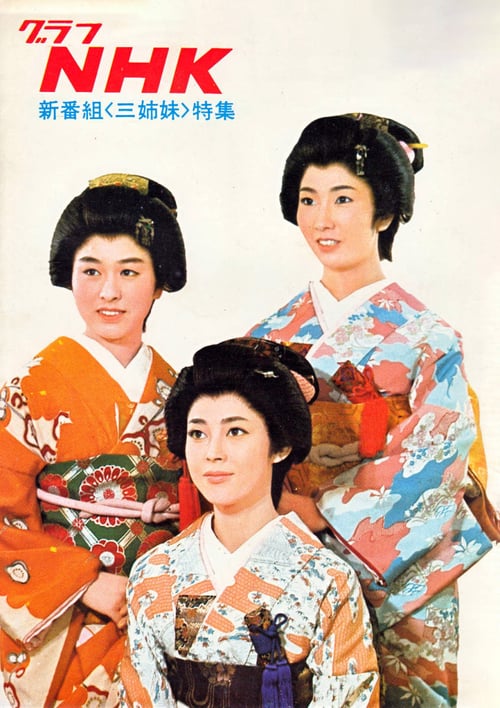
Three Sisters
8.0

The Story is about three daughters of a "Hatamoto" during the end of the Edo period and the Meiji Restoration.

Three Sisters

1967
Ōgon no Hibi
N/A

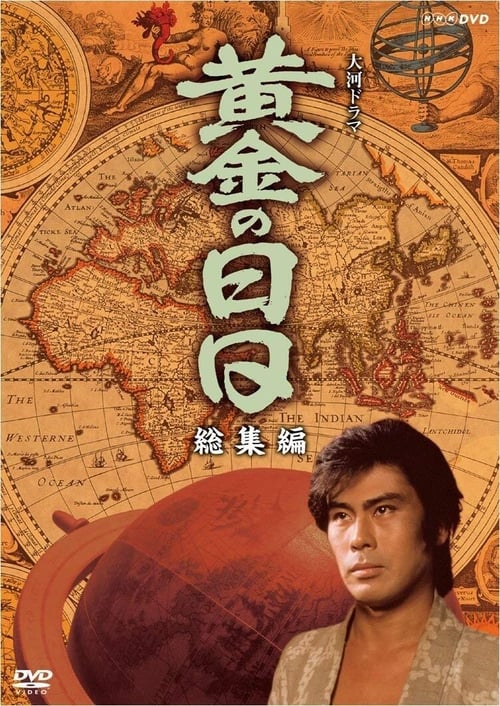
Luzon Sukezaemon is a merchant who imports vases from the Philippines. The vases are highly valued as tea utensils and he makes a huge profit. This was the first taiga drama to concentrate on the lives of commoners and the reviled merchant class of the Tokugawa period. It documents the rise and fall of the merchant city of Sakai, as seen by its most famous resident, the semilegendary Luzon.

Ōgon no Hibi

1978
Family of Three
N/A

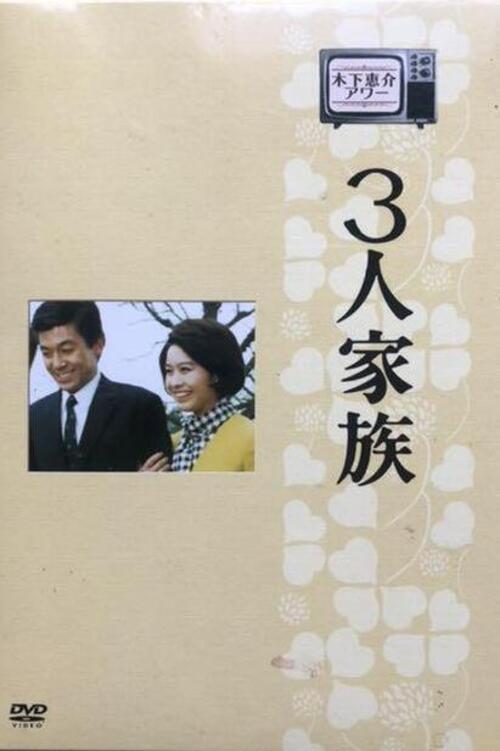
The drama features two families, the all-male Shibata family and the all-female Inaba family, and depicts the interactions between the two families with many amusing and heartwarming episodes.

Family of Three

1968
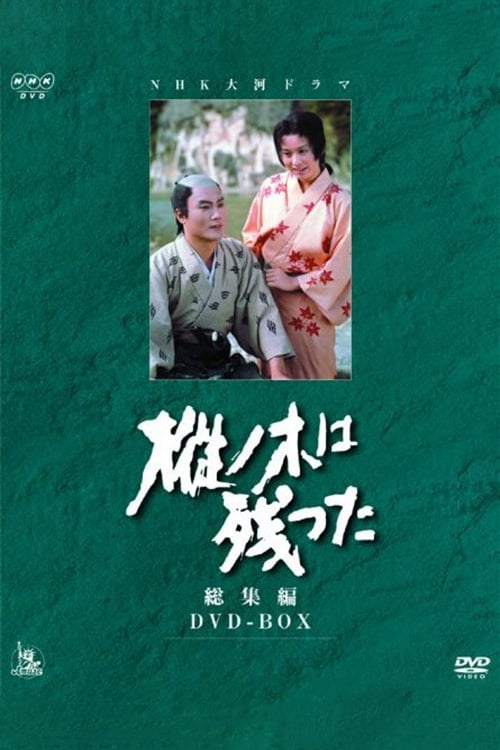
Mominoki wa Nokotta
N/A

Depicting Date clan’s internal strife that occurred during a peaceful Edo period governed by the 4th Tokugawa shogun.

Mominoki wa Nokotta

1970
Sandakan No. 8
7.7

A young journalist interviews an elderly woman about being forced into prostitution in Borneo at a brothel called Sandakan No. 8.

Sandakan No. 8

1974
Sekigahara
6.5

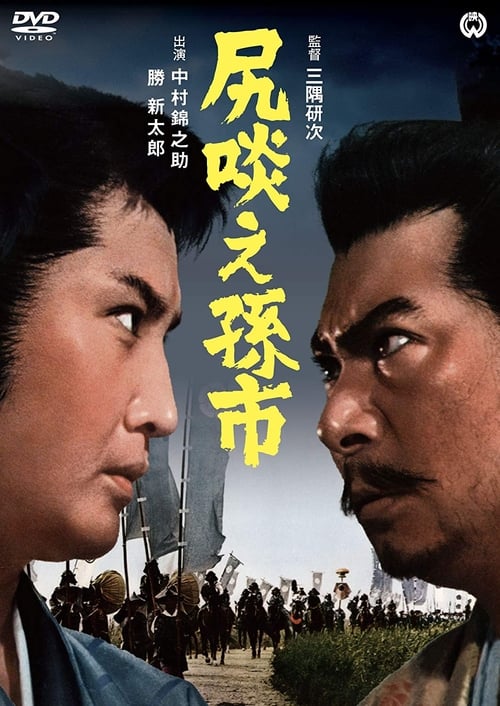
Blockbuster drama based on the novel Sekigahara by Ryotaro Shiba, a program dedicated to the 30th anniversary of TBS. A total of 120 actors, 3,500 extras and about 500 horses recreated the largest battle in history, the Battle of Sekigahara, in which 200,000 warriors clashed from east and west. The battle, which can be called a turning point in the history of Japan, depicts the conflict, love and hate between people on a grand scale and with a great cast.

Sekigahara

1981
No image
N/A

No description available.

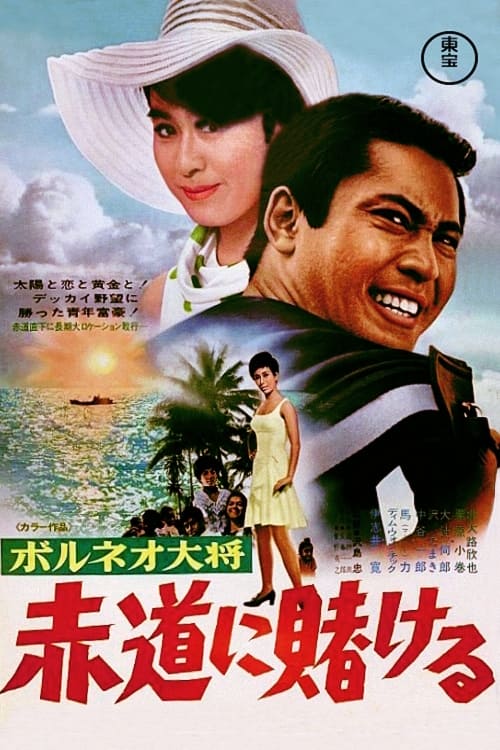
ゴメスの名はゴメス

1967
Mount Hakkoda
6.6

Two infantry regiments of the Imperial Japanese Army—210 men overall—tackled Mt. Hakkoda in the winter of 1902 to prepare for war with Russia.

Mount Hakkoda

1977
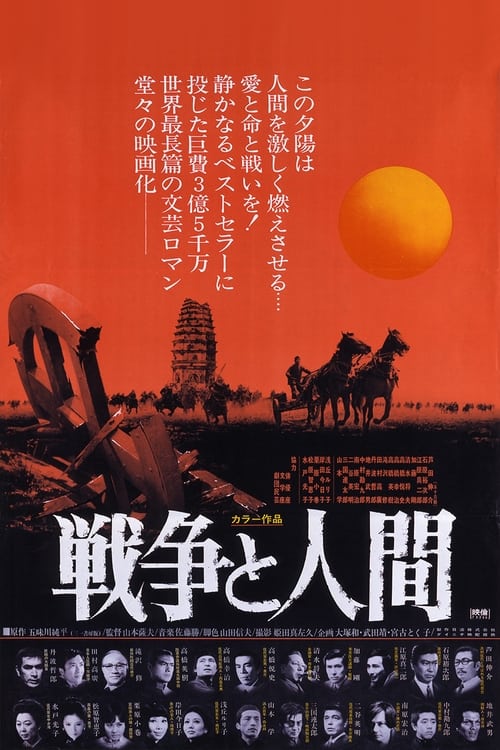
Men and War I: Prelude to Destiny
6.8

The upstart Godai family conglomerate plans to strengthen ties with the hardliners in the Kwantung Army as they plan military expansion into Manchuria.

Men and War I: Prelude to Destiny

1970
Inn of Evil
6.2

In feudal Japan, when any commerce with the rest of the world is strictly prohibited, an idealist appears at an isolated inn, headquarters of smugglers with stolen money intended to ransom his loved one forced to work in a brothel.

Inn of Evil

1971
Kyukei no Koya
N/A

Based on novel 1962 "Kyukei no Koya" by Seicho Matsumoto. A serial murder occurs around the heroine Kumiko because she finds evidence that her father, who should have died, was "alive." Set in 1945, near the end of WW II, Kenichiro Nogami is reported to have died in a Swiss hospital. In fact, he is working behind the scenes to save Japan from destruction. For this cause, Kenichiro Nogami has left behind his wife and nation to work in hiding.

Kyukei no Koya

1978
Kotoshi no Koi
N/A

This cheerful romantic comedy hints at conflicts in a changing society through the friendship between two underachieving teenage boys and the accidental bringing together of their respective siblings.

Kotoshi no Koi

1967
The Long Darkness
6.4

The relationship between Tetsuro, a university student from a disgraced, burdened family, and Shino, a waitress supporting her impoverished relatives. The couple decides to marry despite the significant emotional and social hardships each faces, viewing their love as a means to overcome the shame and despair inherited from their pasts.

The Long Darkness

1972
The Three Undelivered Letters
6.6

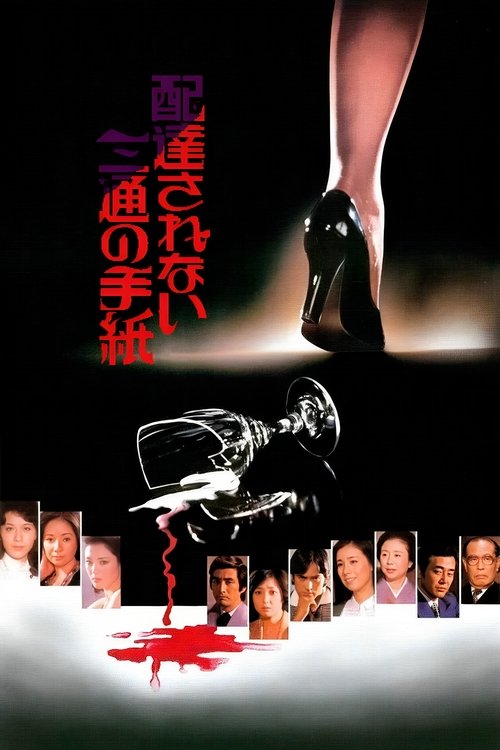
A young Japanese-American man arrives at his grandmother's old hometown in Yamaguchi, begins to stay at her family's elite but dysfunctional household, and gets entangled in a sinister plot of murder.

The Three Undelivered Letters

1979
No image
N/A

Tamiya Jiro's first starring role in a TV drama. The story is set in a fictional supermarket called "Planet" in Tokyo.

Unknown Comrade

1972
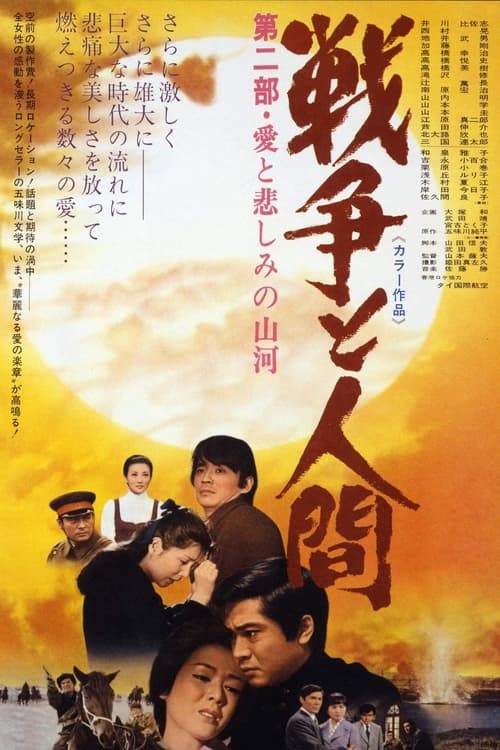
Men and War II: Land of Love and Sorrow
6.4

Second part of an epic drama of war and its effects upon human beings, follows the fortunes of the Godai family from 1935 through Japan's invasion of China. Based on the novels by Jumpei Gomikawa, who also penned The Human Condition.

Men and War II: Land of Love and Sorrow

1971
Melodies of a White Night
4.8

A Russian composer and Japanese pianist enter a relationship strained by their geographic and cultural boundaries.

Melodies of a White Night

1976
Flower Season
10.0

Kitamori Yuki was particular about her promise to her mother-in-law Hana. The promise is that, as the daughter-in-law of Koichi, the eldest son of the Kitamori family, Hana entrusts everything to Yuki, but wants her entire family to come see her on her birthday. At that time, her second son Keisuke's daughter Megumi, who is her private taxi driver, made a mistake, and she was overwhelmed and approached Yuki for advice. Eventually, her mother Kayo of Megumi learned about this, but a period was quietly struck by her women coming to a conclusion that should be the food for Megumi's growth.

Flower Season

1990
The Fossil
7.0

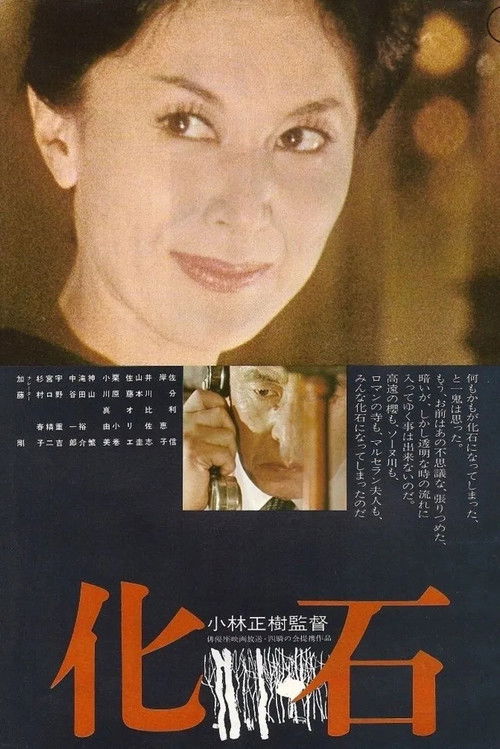
An industrialist is diagnosed with terminal cancer. He is abroad in Europe at the time, and a glimpse of a Japanese woman in that setting causes him to imagine her as the personification of his impending fate. As his dialogue with his imagined mortality continues, he meets the living woman, the template for his fantasy, and together, they tour rural churches. Gradually, he comes to some kind of peace about the diagnosis. When he returns to Japan, he is met with a series of challenges that profoundly test the lessons he has learned.

The Fossil

1975