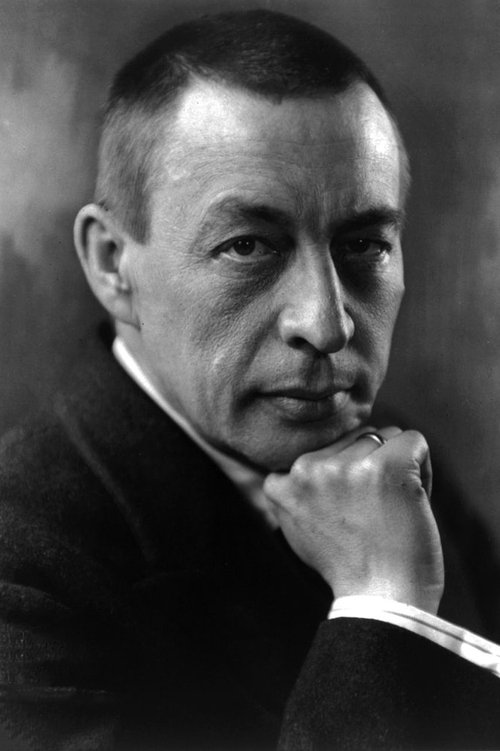
Sergei Rachmaninoff
Sound
Biography
Sergei Vasilyevich Rachmaninoff was a Russian composer, virtuoso pianist and conductor of the late Romantic period, some of whose works are among the most popular in the Romantic repertoire. Born into a musical family, Rachmaninoff took up the piano at age four. He graduated from the Moscow Conservatory in 1892, having already composed several piano and orchestral pieces. In 1897, following the negative critical reaction to his Symphony No. 1, Rachmaninoff entered a four-year depression and composed little until successful therapy allowed him to complete his enthusiastically received Piano Concerto No. 2 in 1901. For the next sixteen years, Rachmaninoff conducted at the Bolshoi Theatre, relocated to Dresden, Germany, and toured the United States for the first time. Following the Russian Revolution, Rachmaninoff and his family left Russia; in 1918, they settled in the United States, first in New York City. With his main source of income coming from piano and conducting performances, demanding tour schedules led to a reduction in his time for composition; between 1918 and 1943, he completed just six works, including Rhapsody on a Theme of Paganini, Symphony No. 3, and Symphonic Dances. By 1942, his failing health led to his relocation to Beverly Hills, California. One month before his death from advanced melanoma, Rachmaninoff was granted American citizenship. In Rachmaninoff's work, early influences of Tchaikovsky, Rimsky-Korsakov, Balakirev, Mussorgsky, and other Russian composers gave way to a personal style notable for its song-like melodicism, expressiveness and rich orchestral colors.[3] Rachmaninoff often featured the piano in his compositions, and he explored the expressive possibilities of the instrument through his own skills as a pianist.
Known For

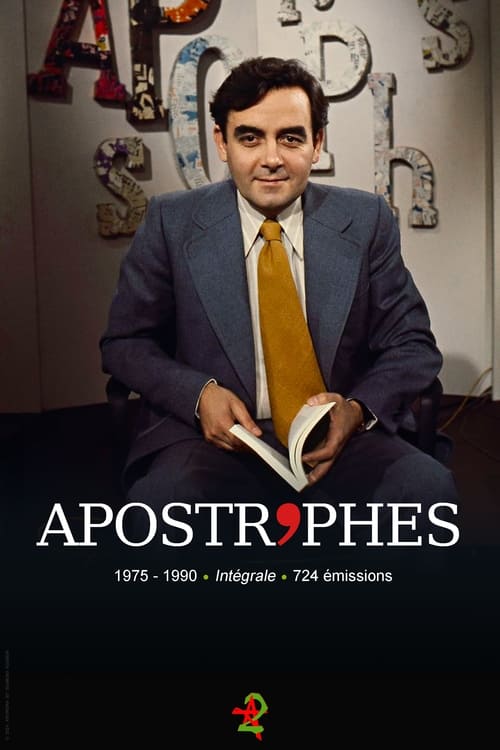
Apostrophes was a live, weekly, literary, prime-time, talk show on French television created and hosted by Bernard Pivot. It ran for fifteen years (724 episodes) from January 10, 1975, to June 22, 1990, and was one of the most watched shows on French television (around 6 million regular viewers). It was broadcast on Friday nights on the channel France 2 (which was called "Antenne 2" from 1975 to 1992). The hourlong show was devoted to books, authors and literature. The format varied between one-on-one interviews with a single author and open discussions between four or five authors.
Apostrophes

A tranquil tale about two boys from very different upbringings. On one hand you have Kai, born as the son of a prostitute, who's been playing the abandoned piano in the forest near his home ever since he was young. And on the other you have Syuhei, practically breast-fed by the piano as the son of a family of prestigious pianists. Yet it is their common bond with the piano that eventually intertwines their paths in life.
The Piano Forest

Two stories ("The feat of the soldier Mukhin", "The Last Autumn"). The events of one concern 1917, when Lenin had to hide in Finland, the second takes place in 1923-1924 during the last months of his life in Gorki.
Stories About Lenin

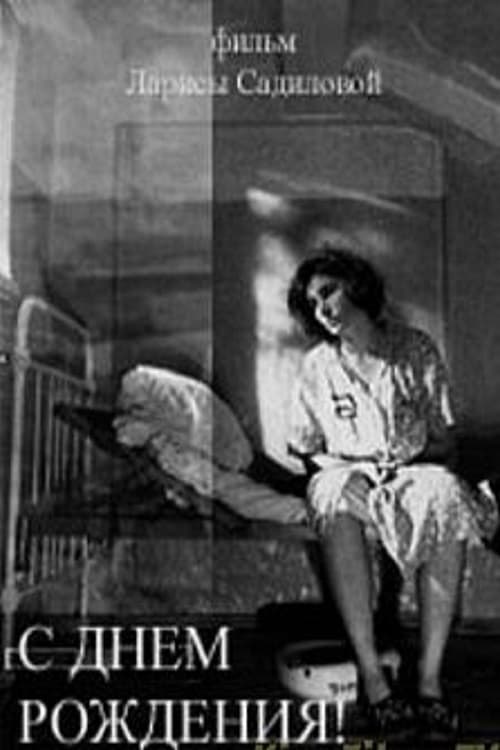
Blending dramatic situations with a documentary-influenced visual style, Happy Birthday looks in at a typical day in a Russian maternity hospital. The patients range from a middle aged woman pleased if surprised by her current pregnancy to a Muslim woman whose marriage to a Russian has blighted her relationship with her family. No matter what their situations, the women draw strength and support from each other as they share their common experience.
Happy Birthday!

Documentary about the birth of bossa-nova, in Brazil, and the major stars of this musical style.
Coisa Mais Linda - Histórias e Casos da Bossa Nova

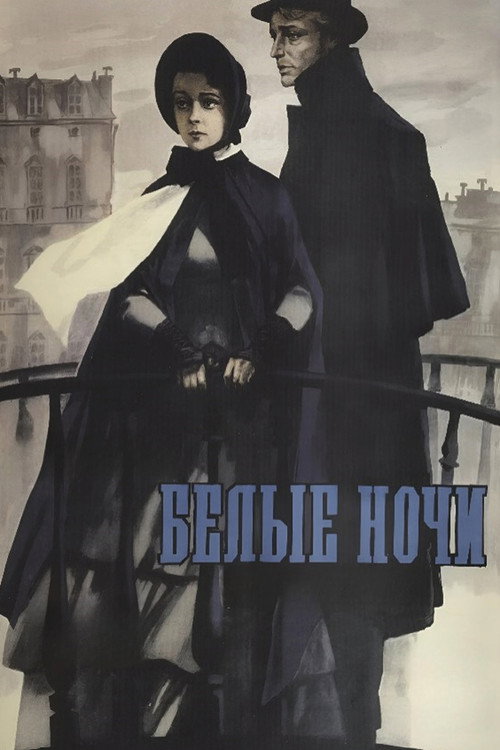
Based on the short story of the same name by Fyodor Dostoyevsky, it is about a young man living in Saint Petersburg who suffers from loneliness. He gets to know and falls in love with a young woman, but the love remains unrequited as the woman misses her lover, with whom she is finally reunited.
White Nights

Two students are late for the last commuter train and have to spend a night in a strange town. They rack their brains about where to find shelter and quite by chance they overhear a talk between father and son. The son is an adolescent who is head over heels in love with a girl several years his senior. He is living through the first drama of his life though his love is just puppy love. Then, being resourceful fellows, they think of a plan to pass one of them for the elder son of this family. The reason they give for his unexpected arrival is that he is a child of the father's long-forsaken love. They presume this cock-and-bull story will come off, and right they are!
The Elder Son

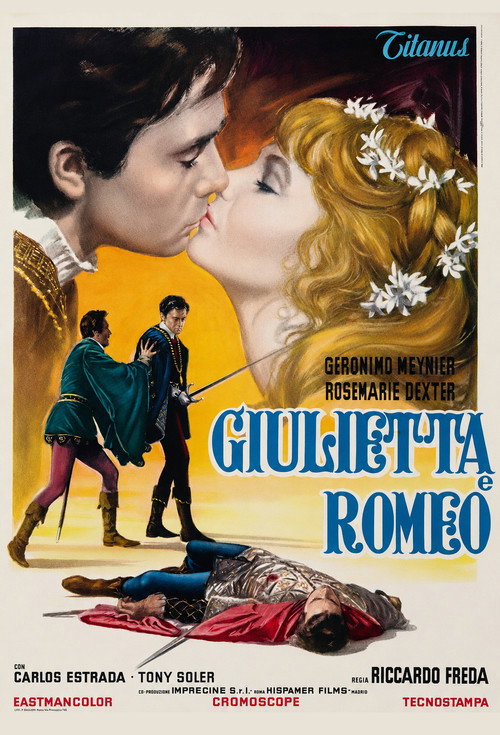
Two teenagers fall in love, but their feuding families and fate itself cause the relationship to end in tragedy.
Romeo e Giulietta

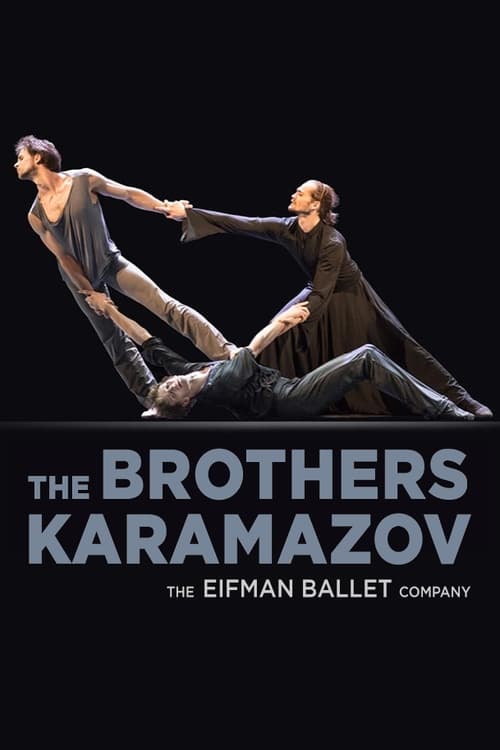
The Brothers Karamazov novel is the epitome of Fyodor Dostoevsky’s creative work, the acme of the philosophic investigation carried out by this colossal and restless mind throughout his life. World renowned choreographer Boris Eifman offers a remarkable vision of the core ideas within the novel, expanding upon them though body language as a way of exploring the origins of the moral devastation of the Karamazovs; creating through choreographic art an equivalent of what Dostoyevsky investigated so masterfully in his book, the excruciating burden of destructive passions and evil heredity. This ballet production is also known and performed as Beyond Sin.
Eifman Ballet: The Brothers Karamazov

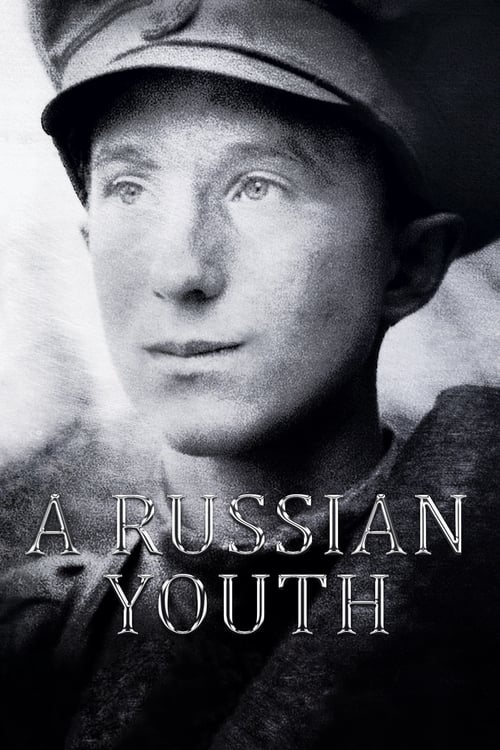
A teenage soldier in World War I—a simple village boy with a naive youthful dream of fame and medals—throws himself into the unknown and goes blind in the first battle, thus taking on a new job: intercepting enemy planes by listening to the air through huge metal funnels.
A Russian Youth

Feature-length compilation of 1920s newsreel footage, with commentary about news, sports, lifestyles, and historical figures.
The Golden Twenties

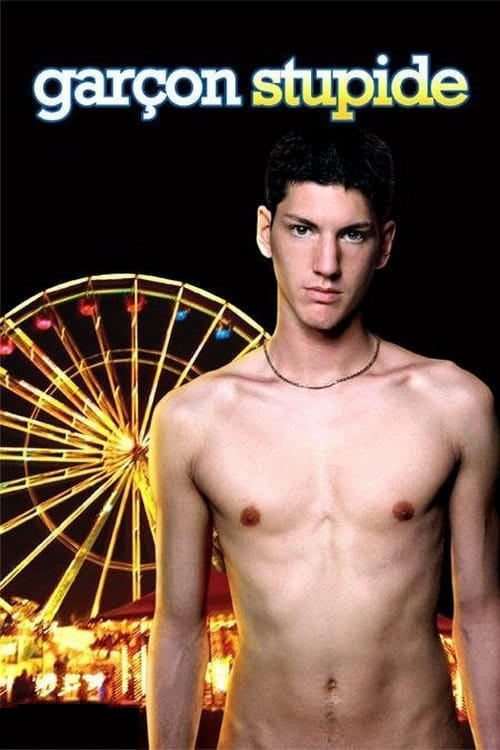
This coming-of-age drama deals with a young man, realizing who he really is and which things he will never do...
Stupid Boy

These biographical drama documentaries explore the lives and careers of Mussorgsky, Tchaikovsky, Scriabin, Rimsky-Korsakov, Rachmaninov and Chaliapin.
Great Russian Composers

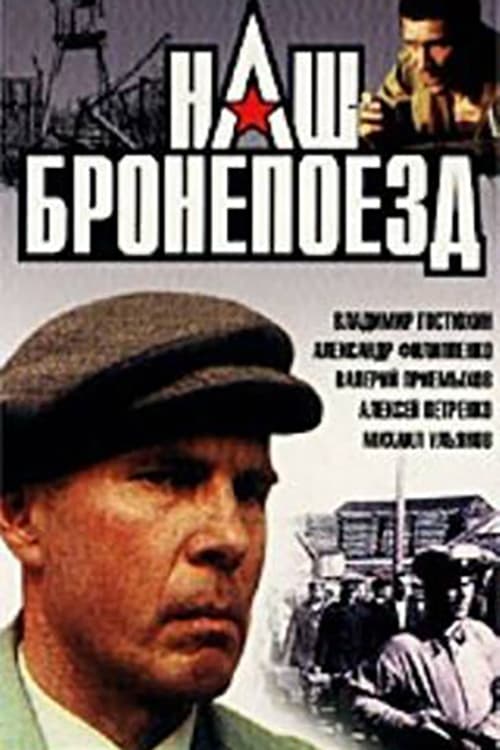
The events of the film take place in the first days of May 1966. Nikolai Kuznetsov, a distinguished veteran of the Great Patriotic War and former camp guard, accidentally meets one of his former prisoners. This encounter leads to new meetings—and new insights into the years that have passed...
Our Armoured Train

Tony Palmer tells the life story of Sergei Rachmaninoff through the use of home movies, concert footage, and interviews. John Gielgud reads from Rachmaninoff's diaries in a voiceover.
Rachmaninoff: The Harvest of Sorrow

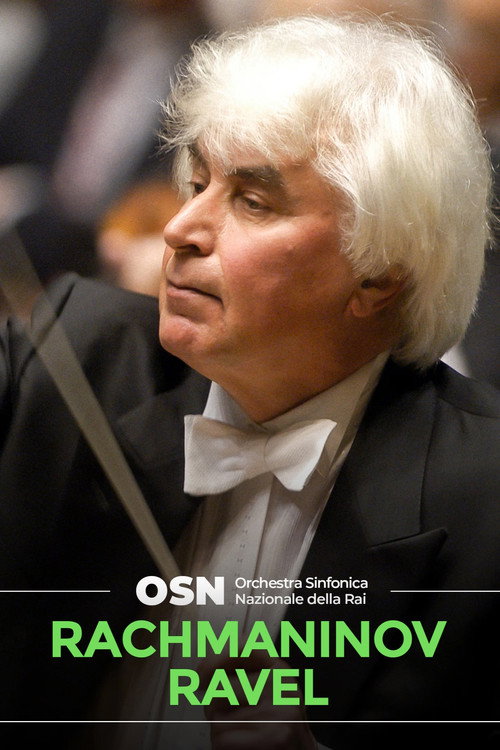
From the Toscanini Auditorium in Turin, the RAI National Symphony Orchestra, conducted by Juraj Valchua and featuring pianist Alexander Malofeev, performs works by Dvořák, Tchaikovsky, and Rachmaninoff.
Venti dell'Est per l'Orchestra Rai

Alexander Scriabin (1872–1915) born in Moscow, was an innovative, mystical, avant-garde Russian pianist and composer. This film explores Scriabin’s profound vision of art's unity — where music, movement, light and colour merge to create transcendent experiences. Some claim Scriabin pioneered atonality before Schoenberg. Key works: Poème, Op. 32 No. 1 (1903) and Vers la flamme, Op. 72 (1914). Featuring commentary from esteemed musicians like Eduard Artemyev, Vladimir Ashkenazy and Vladimir Horowitz, Artist: Hermann Nitsch, conductor Mikhail Pletnev and insights from Scriabin’s daughter: Marina Scriabine, this documentary offers a unique glimpse into the life and works of one of music’s most enigmatic figures. Shot across stunning locales in Switzerland, Italy and Russia, enriched with Scriabin’s own writings and rare archival materials. The highlight includes a historic recording of Scriabin himself, playing his Poem Op. 32 No. 1 on a Welte Mignon player-piano, recorded in 1908.
Alexander Scriabin – Towards the Light / Calculation and Ecstasy

Kahlil Gibran remembers his days as a young poet and artist in Lebanon, and of the young woman (Salma) who ignited his passions.
The Broken Wings

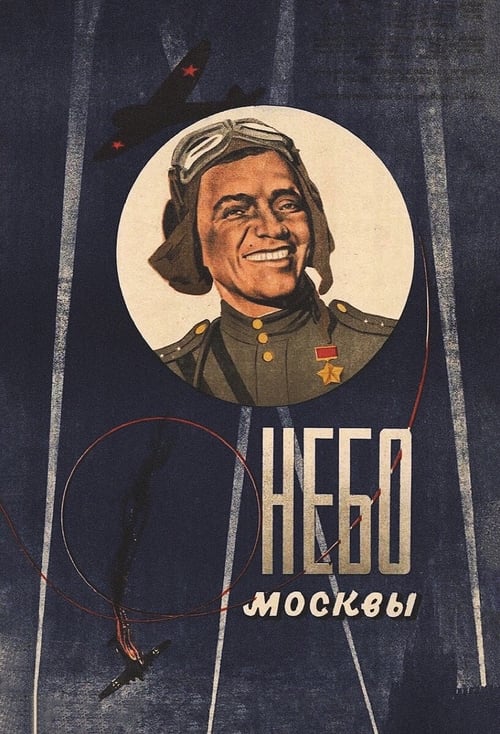
Based on the play of the same name by Georgi Mdivani. In September 1941, lieutenant Ilya Streltsov, who graduated from the flight school, was assigned to the fighter aviation regiment guarding the sky of Moscow. He meets in part the nurse Zoya, with whom he grew up in the same yard and with whom he has long been in love. During the first training flight on the "Seagull", lieutenant Streltsov shot down a German plane and received the nickname "Lucky." Streltsov is jealous of the squadron commander to nurse Zoya, believes that he is finding fault with him. For a whole month he is not allowed to fly sorties. In October 1941, lieutenant Streltsov made his first sortie, he shot down one plane and rams the second. For this battle, he is awarded the title Hero of the Soviet Union.
Moscow Skies

A group of resistance members are fighting Germans in the occupied Minsk during WWII.