Rainer Komers
Directing
Biography
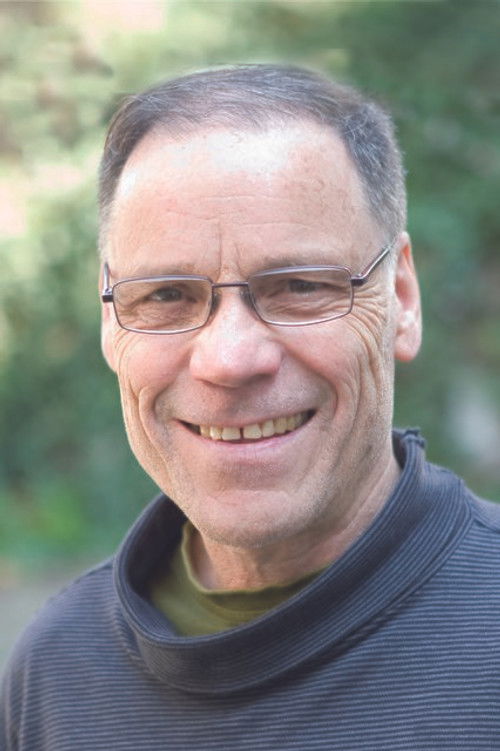
Rainer Komers is a German filmmaker and cinematographer. In addition to his award-winning documentaries, he has also worked as an author, photographer, graphic designer, and translator.
Known For

No description available.
Five Sex Rooms und eine Küche

The follow-up film to “Barstow, California” takes us to the mountains of Miyama, a remote forest and tourist area north of Kyoto. Uwe Walter, a shakuhachi player from Germany, lives there with his wife Mitsuyo for 30 years. Together with the villagers he prepares the annual Gion Festival. On the eve of the festival, the village representatives tell him that his self-built studio is to be demolished. This brings back memories for him of earlier times and his first steps as a Nō actor. In the manner of a fresco, the film interweaves rural depictions of everyday life with the story of its German protagonist. In the village community with its togetherness of generations, Uwe shares life with his neighbours, with farmers, hunters, woodsmen, poultry farmers and anglers, tills his kitchen garden, and like other tradition-conscious villagers, he also grows his rice. The film shows them in a harsh mountain landscape between the rainy season and the first snow.
Miyama, Kyōto Prefecture

Seven versions of Riga, the city on the Baltic Sea, and its features as seen by outstanding European film directors: Sergei Loznitsa (The Old Jewish Cemetery), Ivars Seleckis (On Ķīpsala), Audrius Stonys (Riga Boats), Jaak Kilmi (Littering Prohibited!), Jon Bang Karlsen (Cats in Riga), Rainer Komers (Daugava Delta), and Bettina Henkel (Theatre Street 6).
Over the Roads, Over the River

The film presents artists from the Sinti and Roma minority who shape the trauma of persecution and very personal experiences in their works.
The Open View
Second bandoneon film by Klaus Wildenhahn.
Bandonion. 2. Tango im Exil

A hommage to Jean-Marie Straub's and Danièle Huillet's film Quei loro incontri (2005), and to their access to cinema itself. In various encounters and conversations Nestler offers an insight into their life and work, including passages from Italian poet Cesare Pavese.
Defense of the Time

No description available.
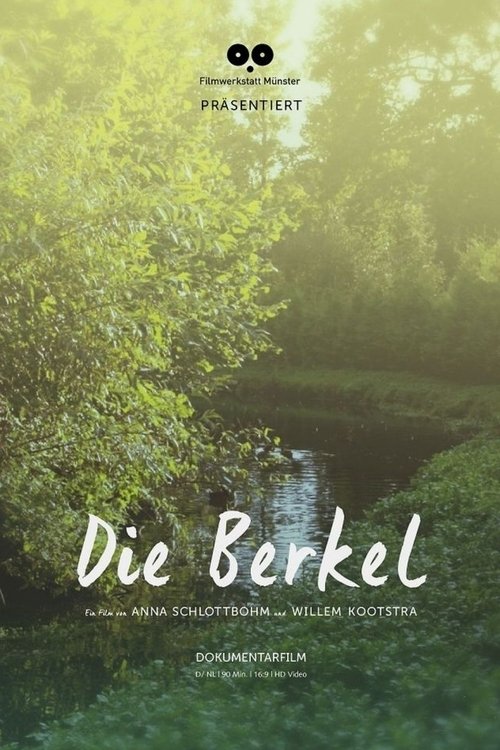
The Berkel

A man who is looking for a partner via the personals section receives a surprise visit from a sturdy woman. She forces her way into the house and pursues him through all the floors and rooms.
Die grosse Pumpelei

For more than eight decades, German Sinti and Roma experienced injustice. The film tells of the family of activist Romani Rose, their resistance and insistence on justice. The painful story of a minority between trauma and self-assertion. The two-part film deals with various forms of resistance by German and Austrian Sinti and Roma over eight decades. It is about rebellion against injustice and the insistence on dignity and justice.
Injustice and Resistance

In 1950, Picasso was offered a room that had once been used as a chapel in his hometown of Vallauris. He pictured turning it into a “pagan site for a unique cult” that would “unite all the people and be dedicated to peace.”
Picasso in Vallauris

Documentary about a Sinti community in Duisburg, Germany.
Zigeuner in Duisburg

The revolt at Sobibór extermination camp in October 1943 is a central episode of resistance against national socialism. Thomas «Toivi» Blatt, son of a Jewish businessman, was 15 when he was deported to Sobibór. Blatt was among those who managed to escape during the uprising only to find his newly found freedom deceptive when old friends and neighbours refused to help. Director Peter Nestler accompanied Toivi Blatt on his trips through Poland.
The Metamorphosis of the Good Neighbor
No description available.
Ofen aus

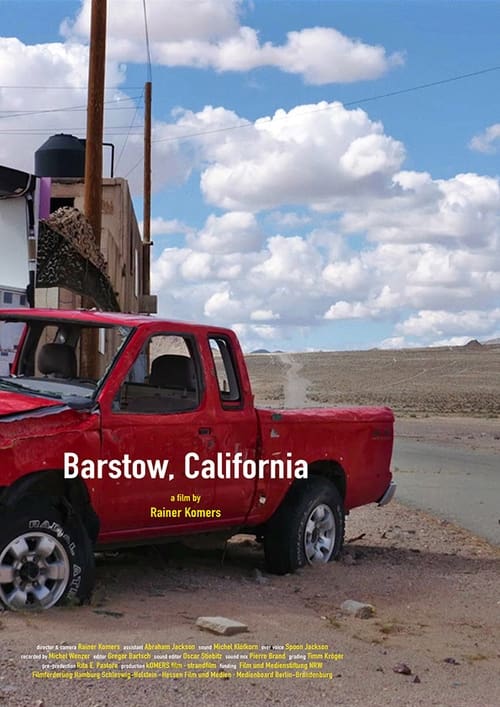
Documentary about a small town in California.
Barstow, California
No description available.
Wer bezahlte für Hitler?

Experimental documentary about Kobe, Japan.
Kobe
Klaus Wildenhahn, a native of Bonn, takes a personal and slightly wistful look behind the scenes of the government's move from Bonn to Berlin and bids farewell to the comparatively modest “federal village.” He is not interested in the political celebrities, who, unlike in the television reports produced at the same time, serve only as background noise, but in the everyday lives of the small employees, parliamentary servants, chauffeurs, and waiters.
Ein kleiner Film für Bonn

This film is about the indigenous cultures of Ecuador, of what is past and what is preserved, of destruction and resistance, of persisting in new ways, of music in the villages high up in the Andes, of music in the cities and in a tropical climate among descendants of African slaves. The film is about Earth, about working with Earth, sacred to the indigenous people. An account of beauty that silences, of friendliness, also grief.
Pachamama: Our Land

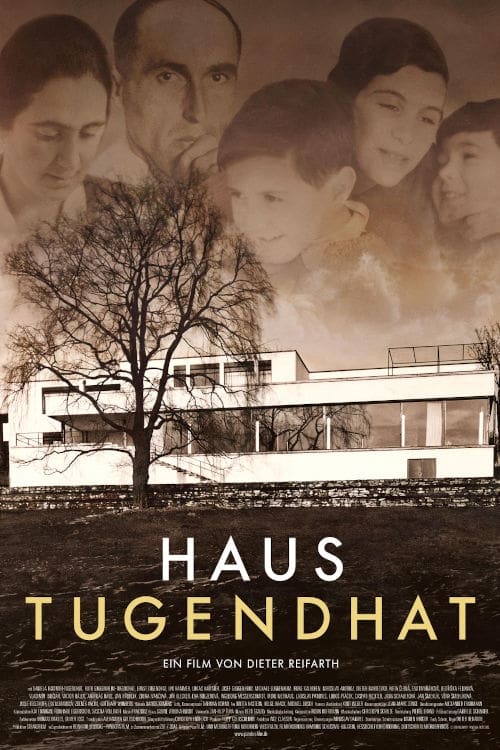
Relates the history of the Tugendhat House and family from the perspectives of the Tugendhat children.
Haus Tugendhat
No description available.