Amir Naderi
Directing
Biography
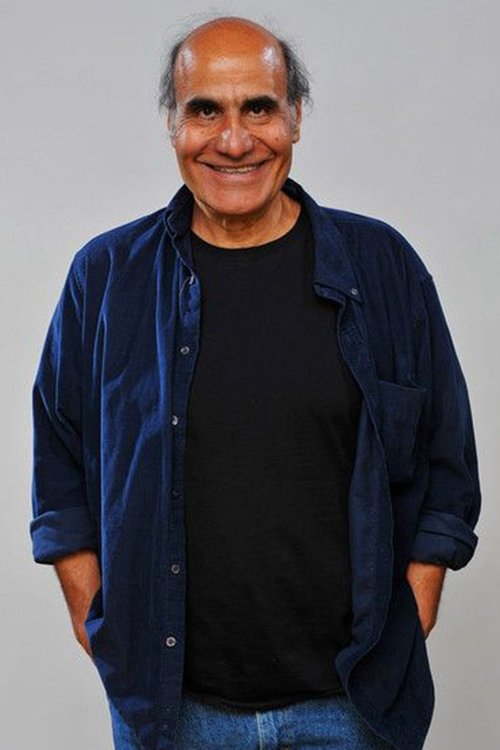
Amir Naderi was born on August 15, 1946 in Abadan, Iran. He is a director and writer, known for 99 Homes (2014), A, B, C... Manhattan (1997) and The Runner (1984).
Known For

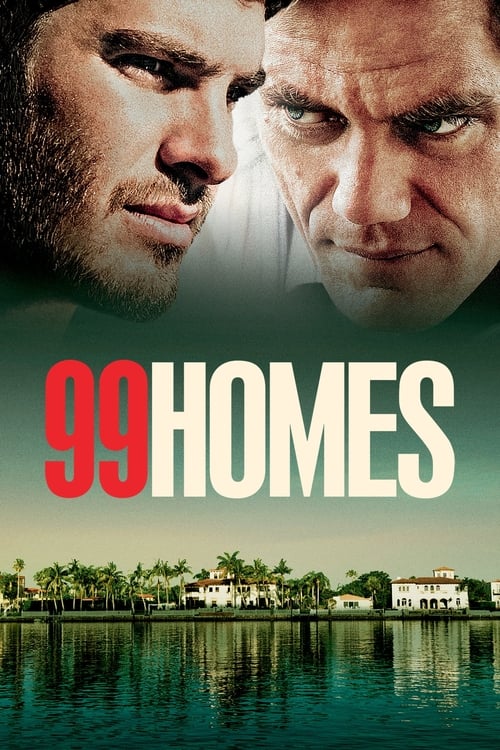
After his family is evicted from their home, proud and desperate construction worker Dennis Nash tries to win his home back by striking a deal with the devil and working for Rick Carver, the corrupt real estate broker who evicted him.
99 Homes

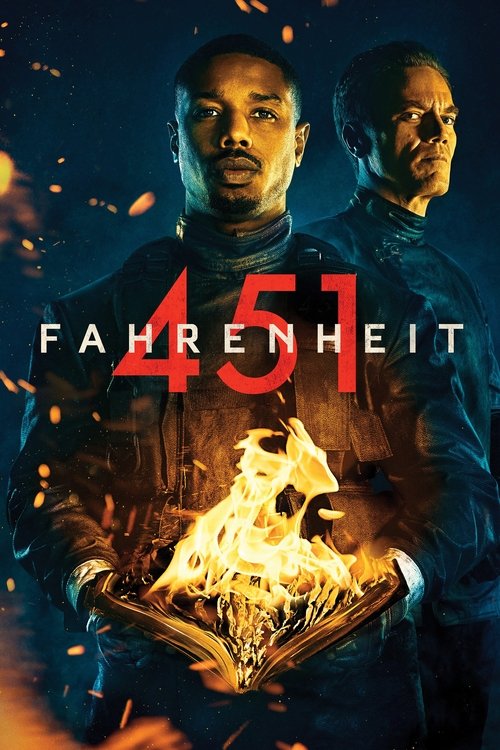
In an oppressive future, a 'fireman' whose duty is to destroy all books begins to question his task.
Fahrenheit 451

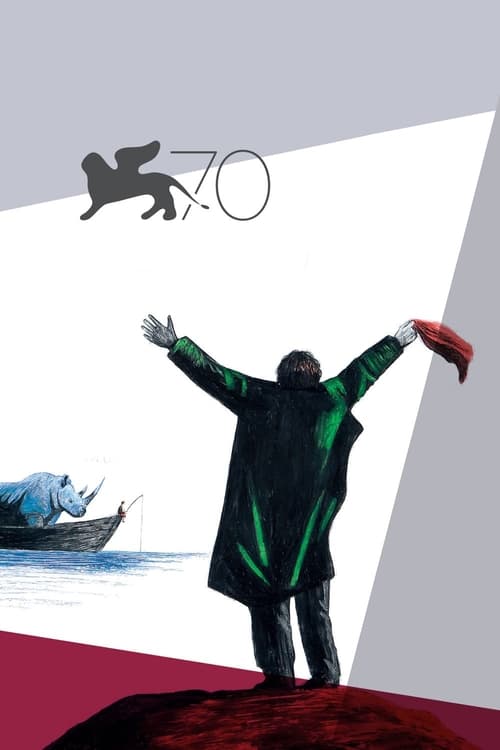
Made for the Venice Film Festival's 70th anniversary, seventy filmmakers made a short film between 60 and 90 seconds long on their interpretation of the future of cinema.
Venice 70: Future Reloaded

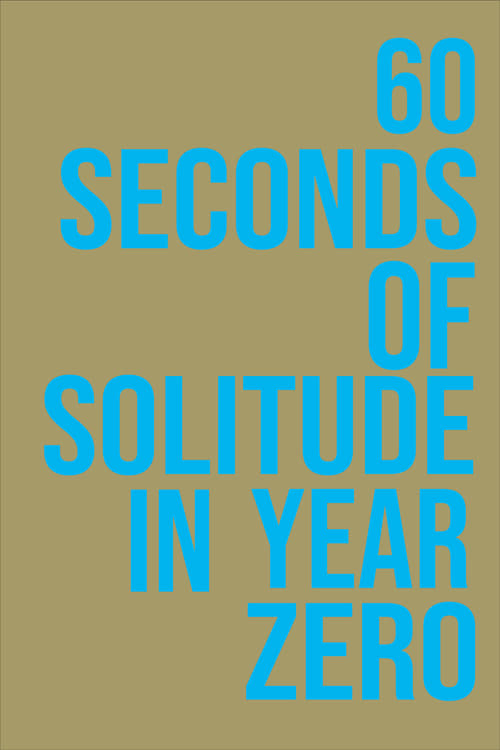
An anthology of one-minute films created by 51 international filmmakers on the theme of the death of cinema. Intended as an ode to 35mm, the film was screened one time only on a purpose-built 20x12 meter public cinema screen in the Port of Tallinn, Estonia, on 22 December 2011. A special projector was constructed for the event which allowed the actual filmstrip to be burnt at the same time as the film was shown.
60 Seconds of Solitude in Year Zero

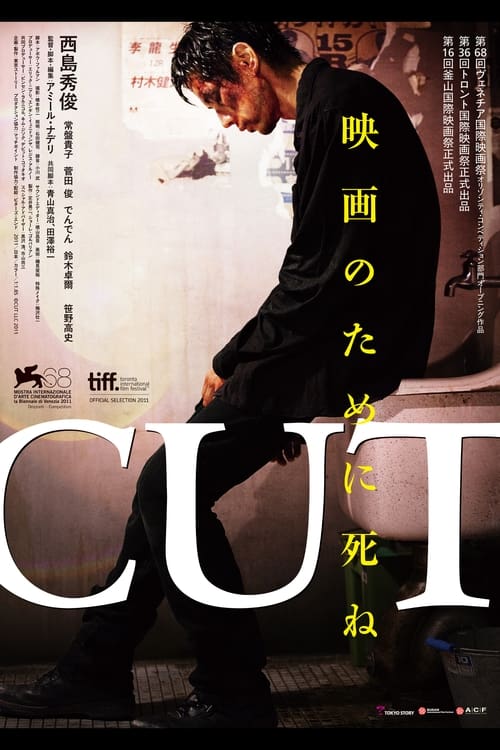
Shuji is an uncompromising young filmmaker at odds with Japanese society. One day he learns that his loan shark brother, who had helped to finance his films, has been executed by his own yakuza gang for failing to repay his debts.
Cut

A young orphan named Amiro lives alone in an abandoned tanker in the Iranian port city of Abadan. He survives by shining shoes, selling water, and collecting deposit bottles. Although he sometimes finds himself at odds with both adults and competing older kids, he finds solace in dreams about departing cargo ships and airplanes—and by running.
The Runner

At a theater readying for digital conversion, 22-year-old projectionist Mitch inserts himself into the tragic love story that unspools on the screen. He sets out to find the missing woman in a dreamscape Los Angeles, in a film about love, obsession and movies.
Magic Lantern

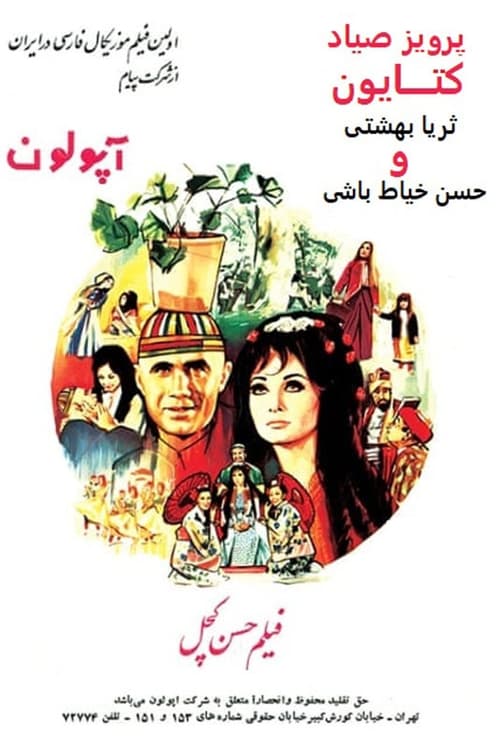
Inspired by Iranian folk tales and reputed as the first Iranian musical movie, the film follows the story of the lazybones congenitally bald Hassan who is tricked out of the house by his mother. Then he learns about Chelgis, a girl kidnapped and kept by an ogre in his enchanted garden. Smitten by her beauty, Hassan tries to find a way to save her. In a public bathroom, he encounters his doppelganger. The doppelganger promises to fulfill his wishes in return for a fraction of his life. But when fulfilled, his wishes do not emerge the same he envisioned…
Hassan, the Bald

Three NYC stories at a climax. Stories about breaking up, losing, leaving, giving away... the things or people you love, you live with, you depend on, which formed your past... The stories are about how difficult this is, how terrifying and how frightening. Yet, you HAVE to do what you have to do. The three girls are met at the turning point of their lives. The film is wonderful written, with few words and a great, exciting pace (though it takes its time and lot of it). Stop: there may be a lot of words, sometimes, but what's important is between-the-lines. The performances are marvellous. Style and location (all shot "on location") remind of this specific independent NYC style of Jarmusch, Poe, Seidelman, Silver, etc.
A, B, C... Manhattan

The film portrays the search by an 11-year old deaf and mute boy for an audio-cassette his mother recorded shortly before her death.
Sound Barrier

The story of George Murphy, a laid-off newspaperman who has 24 hours to come up with the back rent he owes or be put out in the street. Desperately, he sets out to find an old friend who might help, yet when he discovers that his old friend has seemingly disappeared, George's search begins to take on a whole different meaning.
Manhattan by Numbers

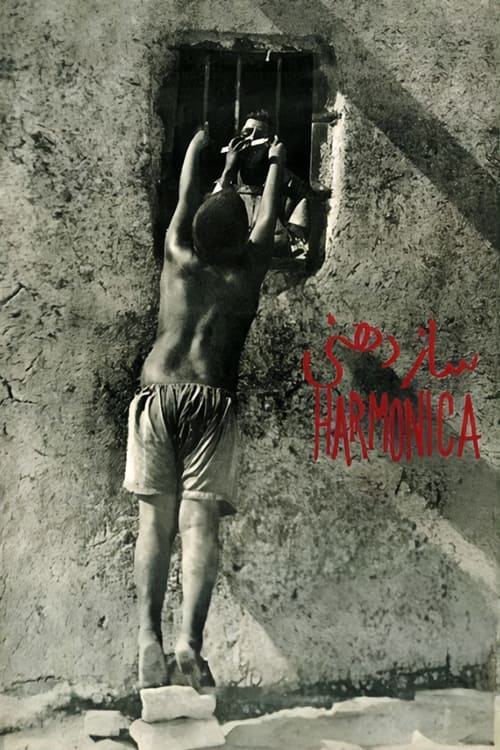
Set on the southern coast of Iran, "Harmonica" begins as a young boy receives a musical present from abroad. Fascinated and envious, his friends make him the leader of the pack, as they compete for the privilege of holding the harmonica or even blowing a few notes, until the games and horseplay begin to take on a sinister edge.
Harmonica

The film takes place away from the glittering strip of mega casinos, but the greed of Sin City is just as pervasive on the desert outskirts. This is where a happy family learns of a forgotten fortune that may be buried beneath their home. Their lives are turned upside down. A sophisticated study of just how far people are able and willing to go if faced with the tempting prospect of easily acquired wealth.
Vegas: Based on a True Story

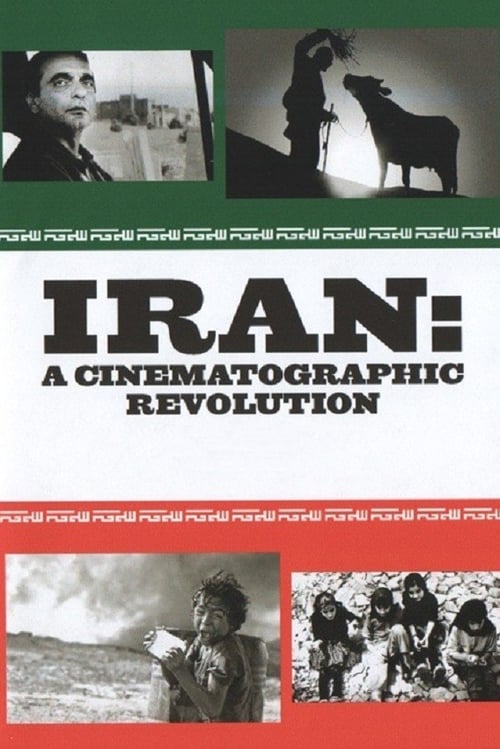
Today Iranian cinema is one of the most highly regarded national cinemas in the world, regularly winning festival awards and critical acclaim for films which combine remarkable artistry and social relevance. Iran: A Cinematographic Revolution traces the development of this film industry, which has always been closely intertwined with the country's tumultuous political history, from the decades-long reign of Reza Shah Pahlevi and his son, the rise of Khomeini and the birth of the Islamic Republic, the seizure by militants of the U.S. Embassy in Tehran, and the devastating war with Iraq.
Iran: A Cinematographic Revolution

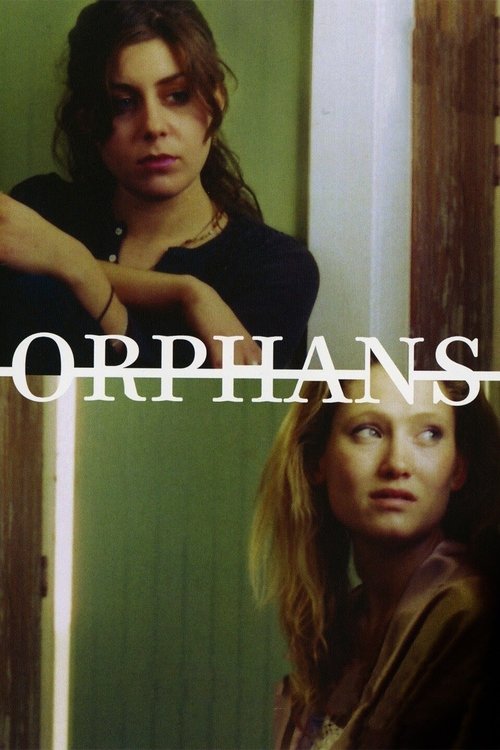
Two estranged, twenty-something sisters reunite five years after the death of their parents, and soon revisit their treacherous history.
Orphans

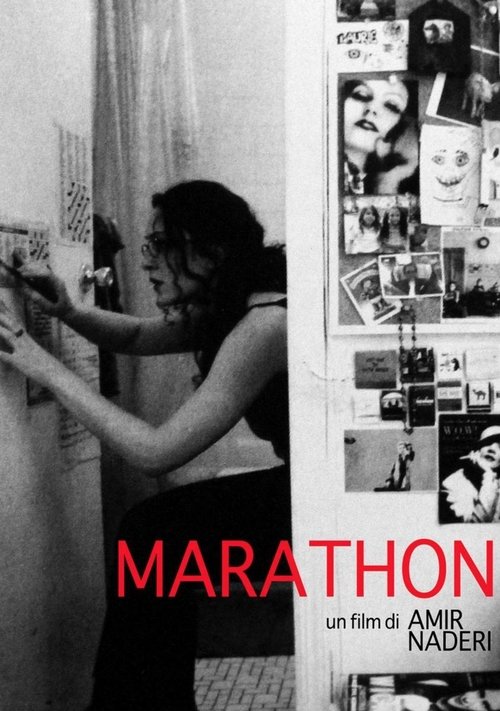
A woman continuously solves crossword puzzles everywhere she goes; in subway trains, on buses, and on the streets of New York City.
Marathon
Iranian film director Amir Naderi talks to Zar Amir Ebrahimi about his career in this documentary directed and produced by Ebrahimi and broadcast by BBC World Service and BBC Persian. Amir Naderi is one of the most influential figures of Iranian modern cinema. He was born in 1945 in the Persian Gulf port of Abadan. Orphaned at an early age and living the life of a street urchin, Naderi had to survive by selling ice, working as a shoeshine boy and recycling empty beer bottles. He developed his knowledge of cinema by watching films in the theaters where he worked at a very young age. He began his career by taking pictures for some notable Iranian features. In the 1970’s, he started directing his own films, and made some of the most important movies of the New Iranian Cinema. After moving to New York in the early 90’s, Amir Naderi continued to make films. They have premiered at the Venice, Cannes, Tribeca, and Sundance Film Festivals.
Amir Naderi by Amir Naderi

Mahmoud Dowlatabadi is one of the most prolific Iranian novelists. In this beautiful, poetic portrait, gracefully crafted by his filmmaker daughter Sara Dolatabadi, he reflects on his life throughout the turbulent 20th century. Meanwhile, his daughter manages to create her own images of a father who is full of luminous ideas, yet also somewhat peculiar and lonely.
An Owl, a Garden & the Writer

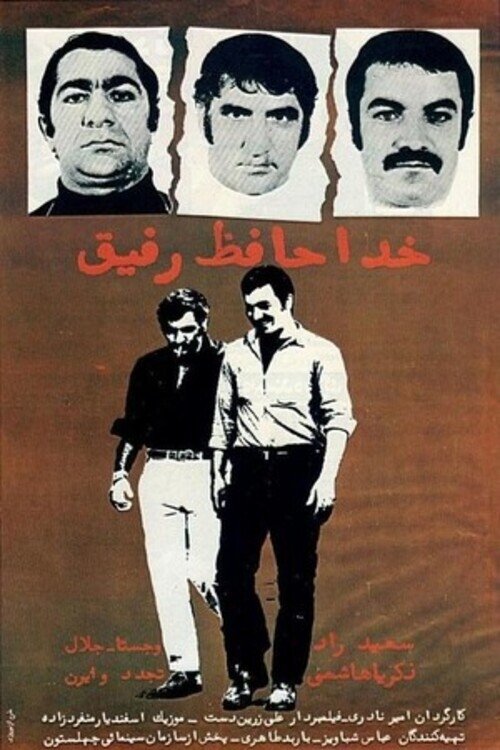
Three friends organize the burglary of a jewelry shop, but greed, betrayal, and revenge quickly overcome their friendship.
Goodbye, Friend

Many years ago, in a nearly deserted town at the foot of a mountain, lives Agostino with his wife Nina and his son Giovanni. The mountain rises up like a wall blocking out the sun that never reaches their fields below, now reduced to just stones and underbrush. Agostino, even though everything suggests him to leave, decides that the destiny of his family is there, among the peaks. He is not only driven by stubbornness, but by the certainty that our roots cannot betray us and that with the help of our spirit we can bring the sun on every destiny.