Haile Gerima
Directing
Biography
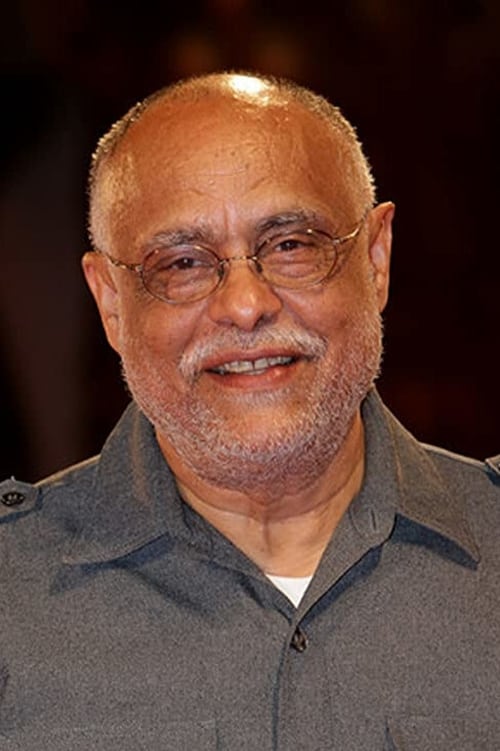
Haile Gerima (born March 4, 1946) is an Ethiopian Amhara filmmaker who lives and works in the United States. He is a leading member of the L.A. Rebellion film movement, also known as the Los Angeles School of Black Filmmakers. Since 1975, Haile has been a film professor at Howard University in Washington, D.C. He is best known for Sankofa (1993), which won two awards. In 1970, he moved to California to attend the University of California where he earned Bachelor's and Master's of Fine Arts degrees in film. He was part of a generation of new black filmmakers who became known as the Los Angeles School of Black filmmakers, along with Charles Burnett (Killer of Sheep), Jamaa Fanaka (Penitentiary), Ben Caldwell (I and I), Larry Clark and Julie Dash (Daughters of the Dust).
Known For

Made for the Venice Film Festival's 70th anniversary, seventy filmmakers made a short film between 60 and 90 seconds long on their interpretation of the future of cinema.
Venice 70: Future Reloaded

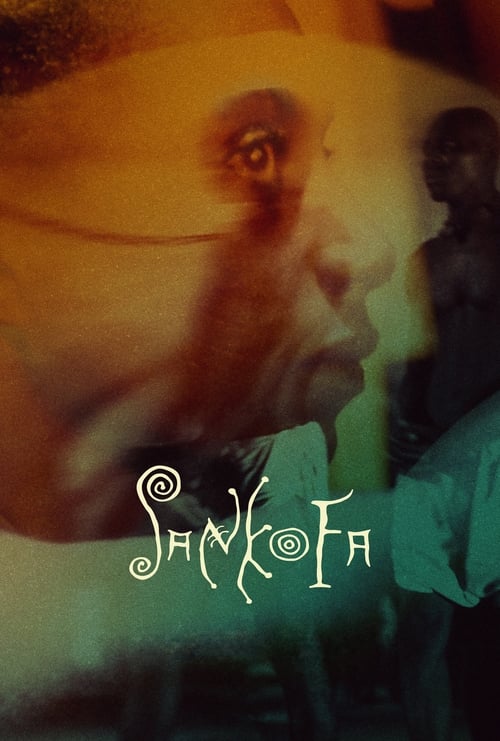
On a photo shoot in Ghana, an American model slips back in time, becomes enslaved on a plantation and bears witness to the agony of her ancestral past.
Sankofa

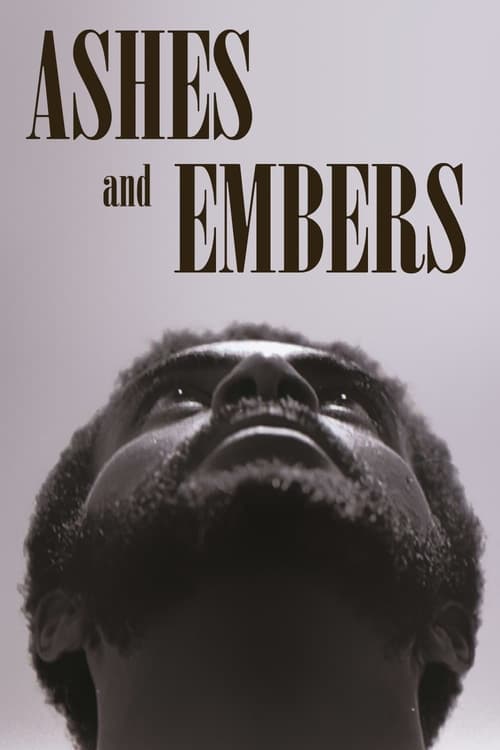
Ashes and Embers is an original screenplay by Haile Gerima, about a Vietnam veteran, who, several years after the war, is struggling to come to terms with his role in the war, and his role as a Black person in America. He survives by working odd jobs in Washington, D.C. and living with his girlfriend and her son. When criticism of his alienated behavior come from her and a father figure too often, he runs to the streets or to his grandmother's rural house in Virginia. Her criticism and his memories of the past both send him fleeing again to Los Angeles, where he is surrounded by superficial people who have forgotten how to be compassionate human beings. It is here that the advice of his friends and grandmother combine to transform him from an embittered ex-soldier to a strong and confident man.
Ashes and Embers

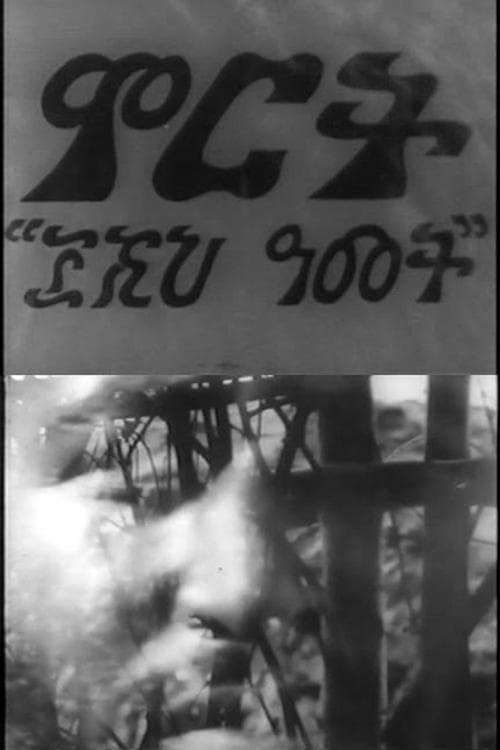
In this meditative film the everyday lives of poor Ethiopian peasants are shown using documentary as well as storytelling techniques, with its drama arising out of the timeless yet persistent issues of their lives.
Harvest: 3,000 Years
A film about the Maroons—freed or escaped slaves that created their own communities during slavery. Both stories are examples of Gerima’s driving motivation—sankofa, reclaiming the past in order to move forward.
The Maroons

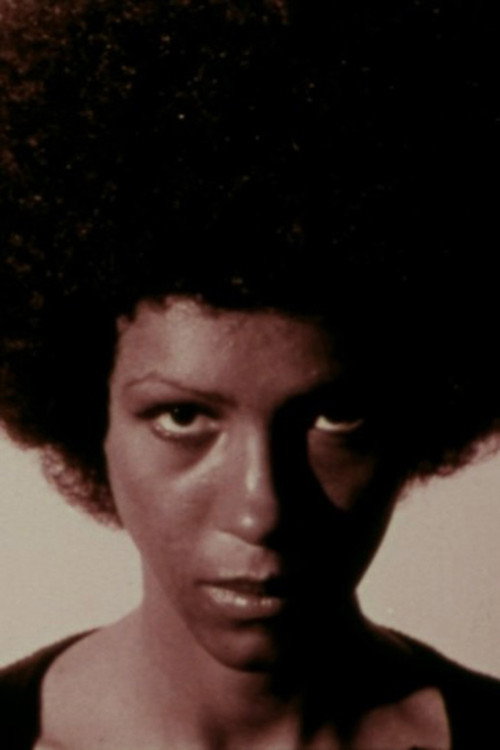
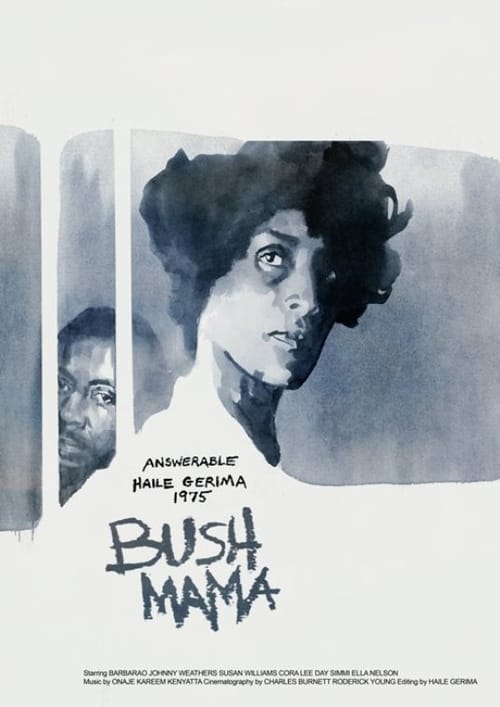
The story of Dorothy and her husband T.C. He is a discharged Vietnam veteran who thought he would return home to a "hero's welcome." Instead he is falsely arrested and imprisoned for a crime he didn't commit. Her life revolves around the welfare office and a community facing poverty and unemployment. As a result of the film's events, both the main characters become radicalized and Dorothy eventually turns to violence.
Bush Mama

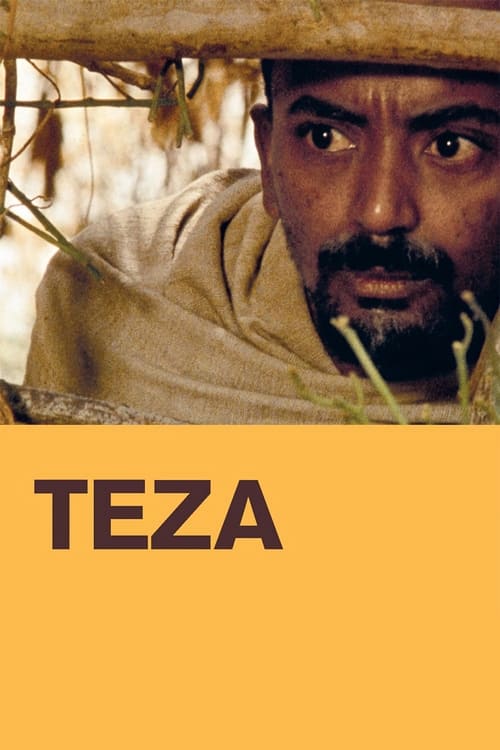
The Ethiopian intellectual Anberber returns to his native country during the repressive totalitarian regime of Haile Mariam Mengistu and the recognition of his own displacement and powerlessness at the dissolution of his people's humanity and social values. After several years spent studying medicine in Germany, he finds the country of his youth replaced by turmoil. His dream of using his craft to improve the health of Ethiopians is squashed by a military junta that uses scientists for its own political ends. Seeking the comfort of his countryside home, Anberber finds no refuge from violence. The solace that the memories of his youth provide is quickly replaced by the competing forces of military and rebelling factions. Anberber needs to decide whether he wants to bear the strain or piece together a life from the fragments that lie around him.
Teza

Haile Gerima and Ryszard Kapuscinski travel around Ethiopia talking to people about their current situations and what needs to be done for a prosperous country.
Imperfect Journey

The film opens in 1945 with a young boy playing in his Chicago neighborhood, and then follows the adult Jita-Hadi as a returning Marine with heightened political consciousness.
As Above, So Below

Part of a multi-platform project highlighted by an hour long documentary about black filmmakers who worked and studied at UCLA between 1965 and the 1990s.
Spirits of Rebellion: Black Cinema at UCLA

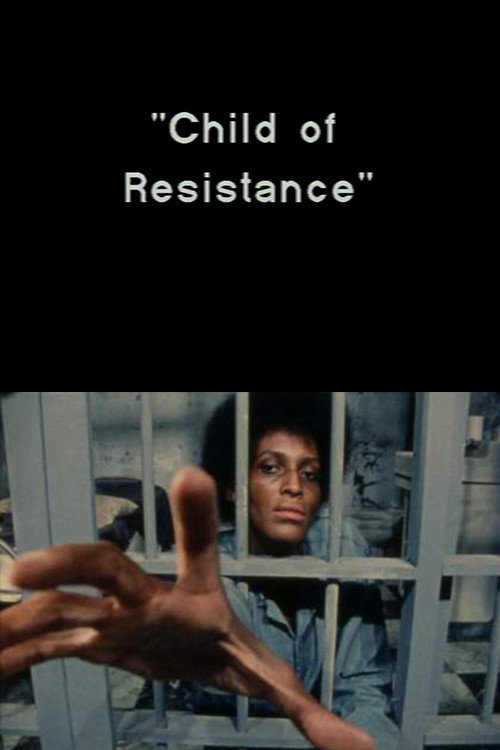
A woman dressed in a robe, hands bound, is being transported through a barroom into a jail cell, directly outside of which later appears a jury box filled with jurors. Linearity is rejected as space is treated poetically, following the coordinates of a propulsive social idea - the social imprisonment of black women.
Child of Resistance

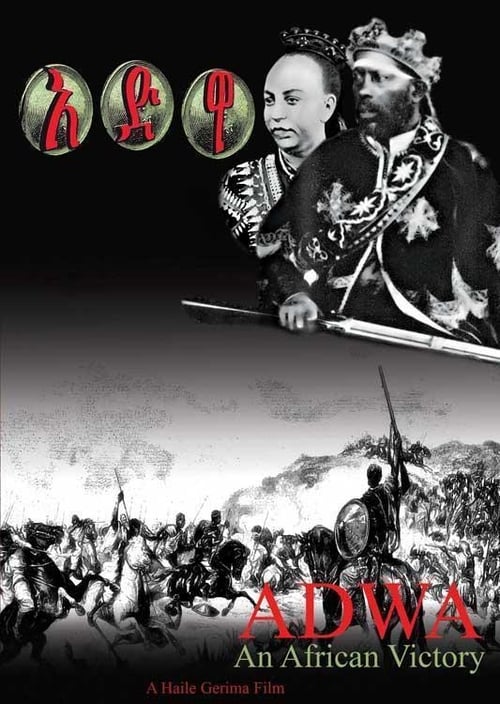
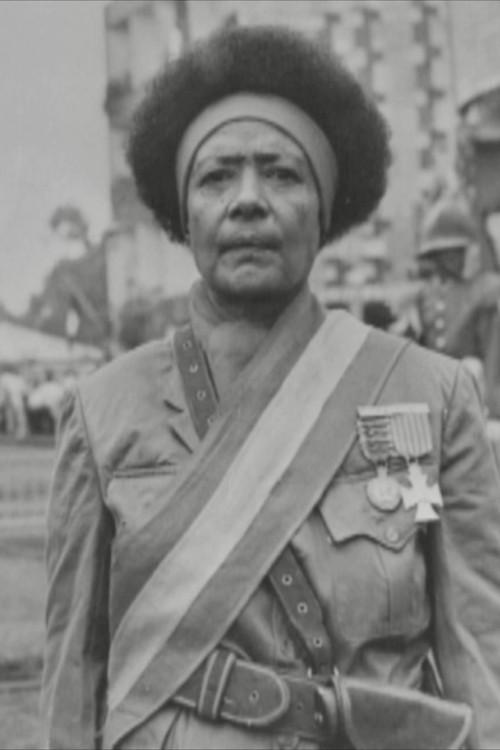
In 1896, Ethiopia, an African nation, largely armed with spears and knives, defeats a well-equipped and organized Italian military bent on colonization.
Adwa

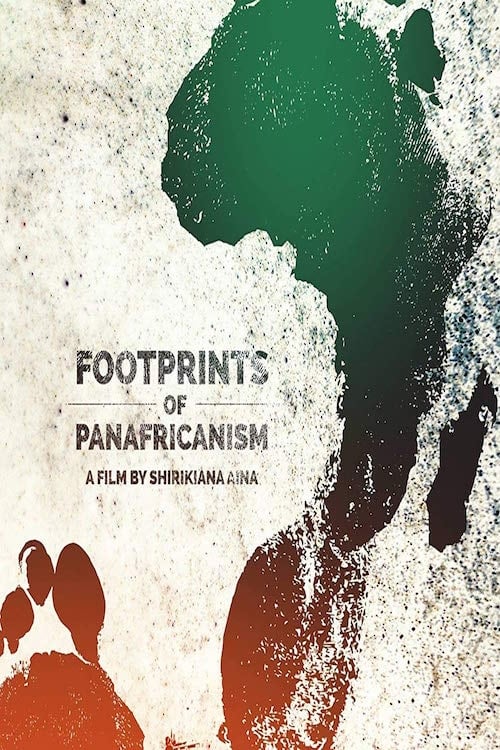
In 1957, Ghana was the first African country to become independent of its colonial rulers, in this case the British. Kwame Nkrumah, the first president of what in 1960 became the Republic of Ghana, called on Africans from all over the world to come to Ghana to help build the new nation. The most important aim was to "undo the damage caused by the slave trade" as filmmaker Shirikiana Aina expressed it in her documentary Footprints of Pan Africanism. Several people speak in Aina’s film about the reconstruction of Ghana and Nkrumah, who was deposed in 1966, offering room for their frequently gripping personal stories. These are often marked by racism, the emerging civil rights movement and what it’s like to be black and live elsewhere. For many, returning to Africa was like going home.
Footprints of Pan-Africanism

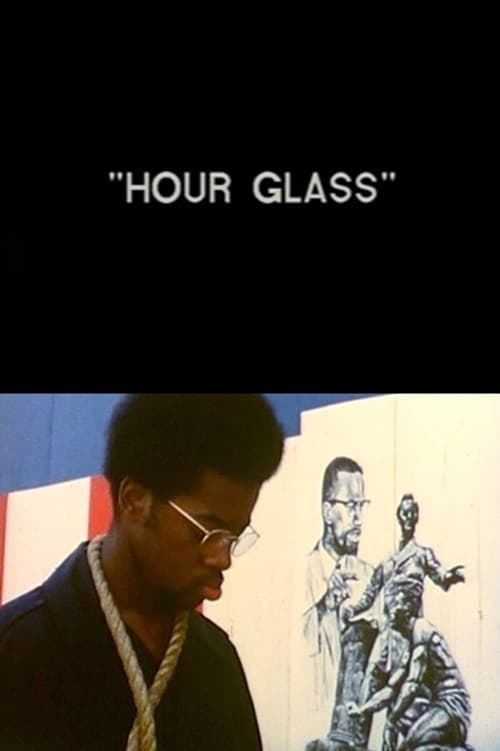
In the midst of the Black consciousness movement, a basketball player imagines his profession to that of a gladiator. After a series of reflections including his upbringing as a foster child of White Americans, he returns to his origins.
Hour Glass

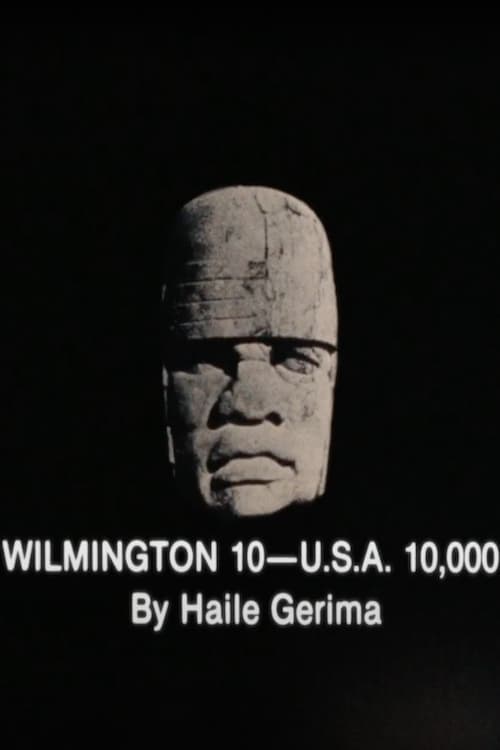
A documentary on the Wilmington 10, 9 afro-Americans and 1 white woman who were unjustly imprisoned. 4K digital restoration by the Academy Film Archive released in 2021.
Wilmington 10 -- U.S.A. 10,000
No description available.
Ouaga

Decades in the making, Haile Gerima's sweeping survey of Italy's brutal colonial legacy in Ethiopia is a monumental reckoning with suppressed history. With a balladeer's spirit, Gerima forges an epic ballad of resistance, freedom and national pride.