Writing
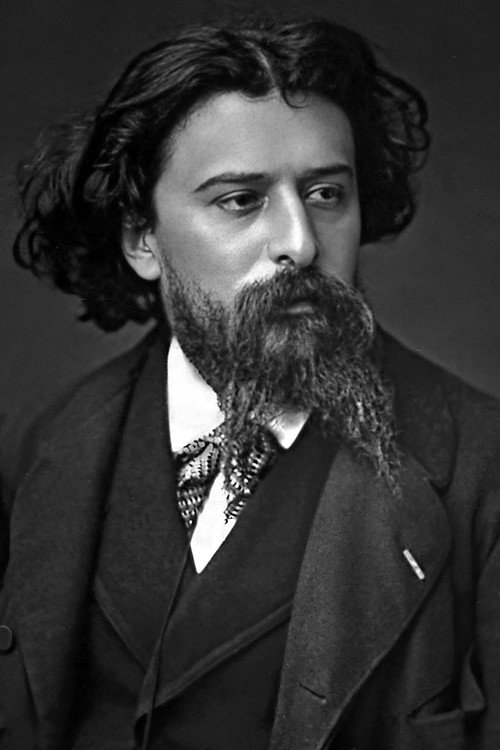
French novelist.
An anthology series of television plays which aired on BBC1 from October 1964 to May 1970. The plays were usually written for television, although adaptations from other sources also featured.
The Jane Wyman Show is an American anthology drama series that ran on NBC from 1955 to 1958.
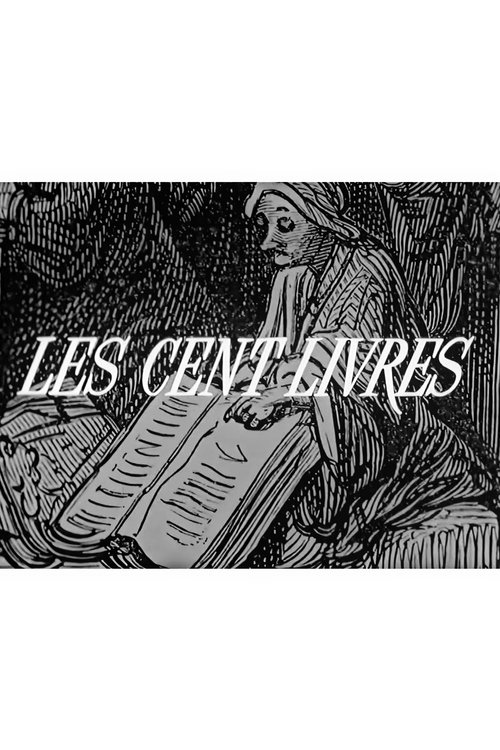
Les Cent Livres des Hommes (ORTF, 1969-1973) was a series of literary programs created by Claude Santelli and Françoise Verny, and produced notably by Santelli, Jean Archimbaud, and Serge Moati. Planned for one hundred episodes but completed at thirty-nine, the series aimed to introduce great literary works, 'chefs-d’œuvre', to a younger audience through a mix of dramatization, reading, and documentary techniques. It marked a transfer of cultural legitimacy from writers and critics to a generation of television producers, offering a new model of educational and creative literary broadcasting - 'télévision d’auteur'.
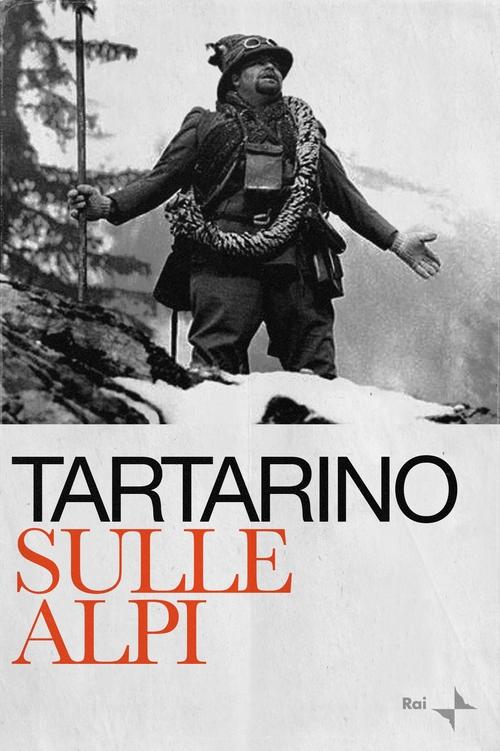
Tartarin sur les Alpes is a novel written by the French writer Alphonse Daudet in 1885. It is the second part of a trilogy which also includes Tartarin de Tarascon (published in 1885) and Porto Tarascona (published in 1890). Seeing his position as president of the Alpine Club of Tarascon threatened because of his fellow citizen Costecalde, who questions his abilities as a mountaineer, Tartarin travels to the Bernese Alps to accomplish a memorable feat. In 1968, a television transposition of Tartarino sulle Alpi was broadcast by Rai, directed by Edmo Fenoglio, with Tino Buazzelli as the protagonist. The series was broadcast between 06/09/968 and 09/27/1968.
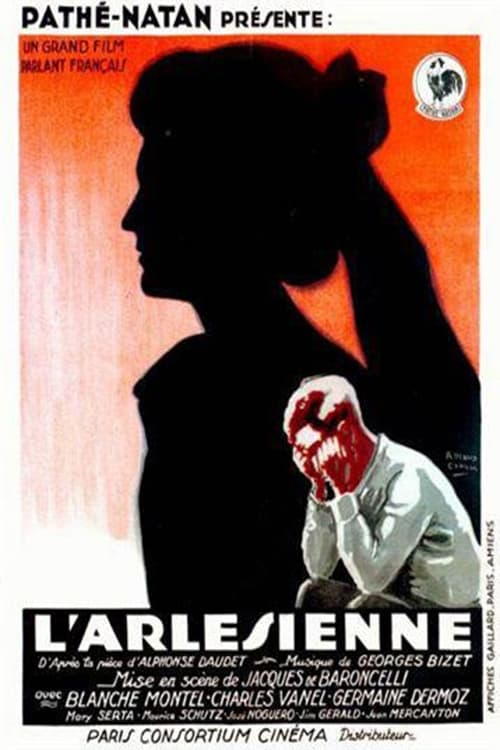
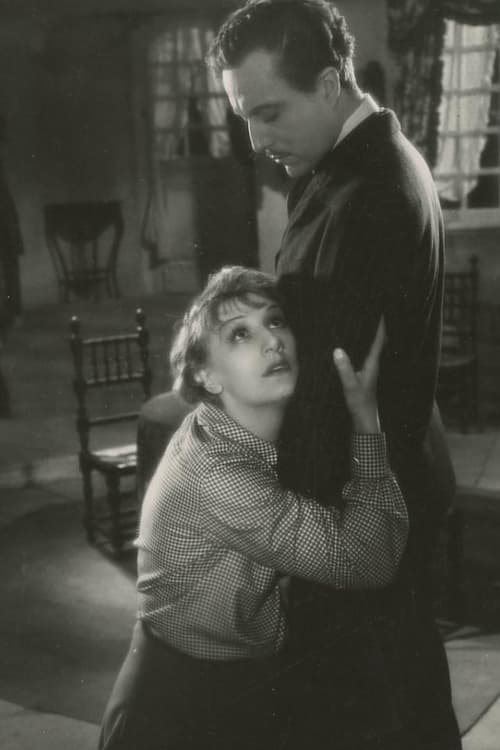
Frédéri, a young man from a good family, is in love with a woman he met in the arena of Arles. He wishes to marry this woman.
During a transvestite ball, a young provincial meets Fanny Legrand. A great love is born between them. Later, the young man learns that Fanny was a great coquette. He leaves her, he comes back, he forgives. But when he embarks for America, Fanny does not follow him.
Ambitious young woman climbs the social ladder. A bit too fast.
The story of "Jack" is well-known. It is a beautiful story of a natural child. His mother, Ida de Borancy, worships the dear little nameless and fatherless being whom she decides, as he is getting on in years, to place in a boarding school. The child's professor of literature is a certain Amaury D'Argenton, a failure of the faculty, and an uninspired poet. During one of her visits to the institution, Mme. de Borancy is attracted by D'Argenton, and falls in love with him. The "Ne'er-do-Well" soon gives up his starving position and makes his abode with her, exercising over her absolute control. He soon learns to hate little Jack and forces her to leave him permanently at school. The poor child, unaccustomed to the separation, runs away, only to find, when he arrives at his former home, that his mother has moved and is now living thirty miles away. He undertakes the journey on foot, and reaches his mother's house completely exhausted. Here he meets Dr. Rivals and his daughter, Cecil.
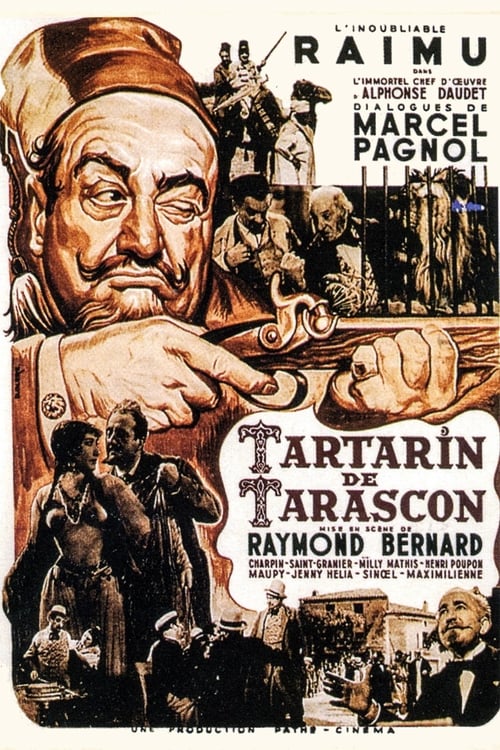
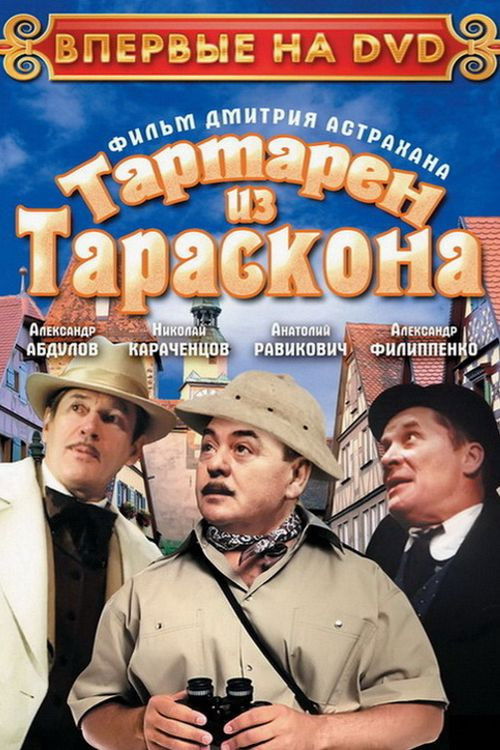
Tartarin is the local hero in the small provincial town of Tarascon. He shows off about imaginary adventures in Africa, where he has never been, as a Lion Hunter, which he is only in his imagination. Even though the locals know he has never been to Africa, they keep hoping he will leave one day. After a misunderstanding, and much gossip, everyone thinks that Tartarin plans to actually take the trip.
A community of monks decides to solve its financial predicament through the sale of a potent cure for rheumatism made from rare herbs and one hundred per cent proof alcohol.
Tartarin is the local hero in the small provincial town of Tarascon. He shows off about imaginary adventures in Africa, where he has never been, as a Lion Hunter, which he is only in his imagination. But one day he becomes a real hero...
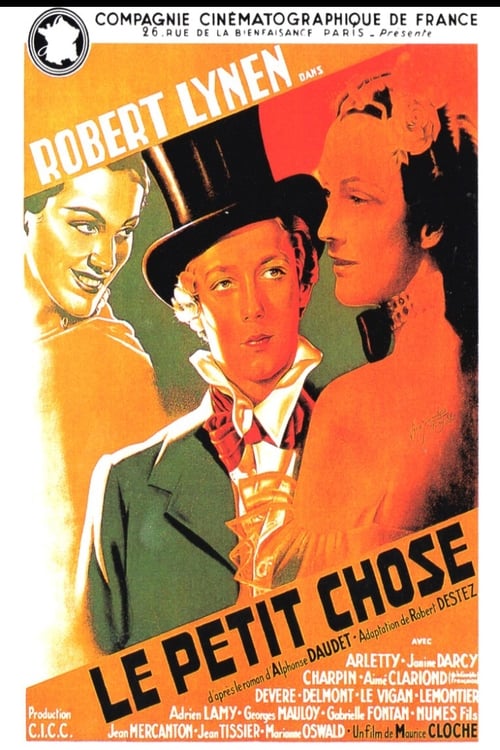
Now that their parents are ruined, Jacques Eyssette and his younger brother Daniel, are driven to fend for themselves. Jacques becomes the secretary of a marquis who exploits him by making him work so hard that his health gets damaged. Daniel, on his part, is hired as a supervisor and Latin teacher in a school in the province. It soon happens that he is in a bad situation too as, after being subjected to repeated harassment, he ends up being fired. Daniel then decides to join Jacques in Paris, hoping to embark on a literary career. Unfortunately, Irma Borel, an actress, sets her sight on him and drags him into a life of vice.
No description available.
Set in the countryside of Provence, the film is based on three tales from Alphonse Daudet's 1869 short story collection Letters from My Windmill: "The Three Low Masses", "The Elixir of Father Gaucher" and "The Secret of Master Cornille".
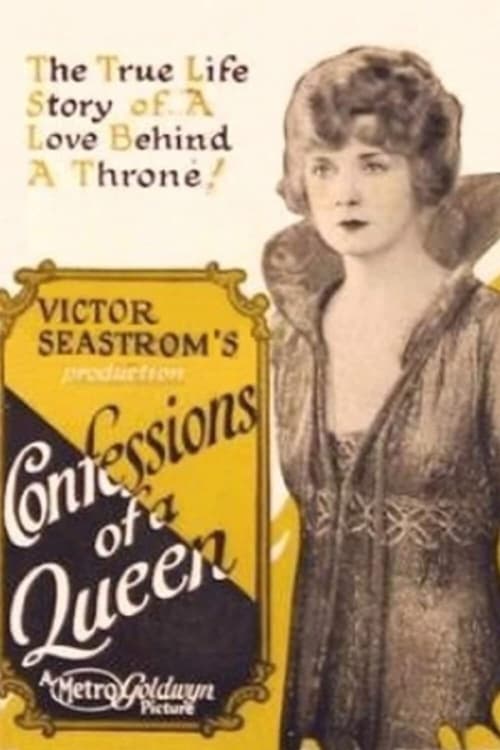
The King of Illyris marries a neighboring princess, who finds out he has a mistress, Sephora. Revolted, she turns to Prince Alexei for friendship. Turmoil increases as a revolution demands the abdication of the King and the Queen opposes this decision.
The tumultuous affair between a young man and a woman twenty-five years his senior.
The young hero, Frederick, is leaving his country home and going to the city to attend the bull fight, and while there he meets and woos a beautiful maiden, forgetting his own little sweetheart at home.
Independently-wealthy woman tries to break free of repressive, conservative cultural constraints.
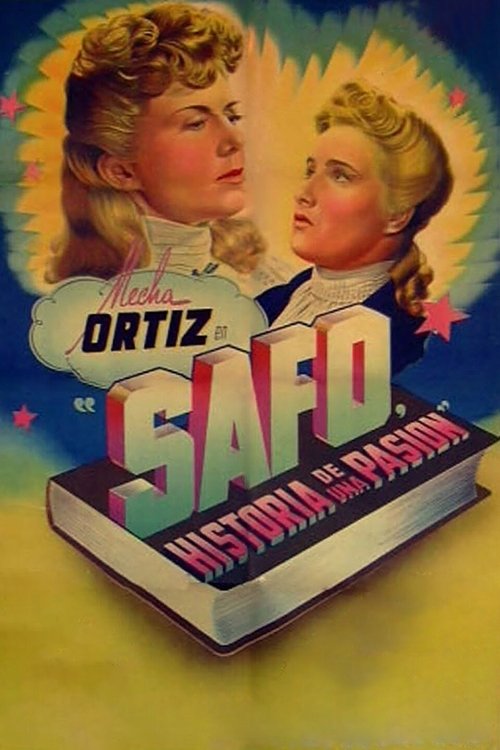
Françoise Legrand, better known as "Sappho", attractive young woman of the Parisian bourgeoisie, flits from man to man with the consent of Maurice Duran-Vior, his rich protector, a renowned financier. At a social gathering, she meets Lionel de Lancey, younger than she, a cool diplomat, and, as usual, she spends the night with him.
The relationship between an experienced woman and a youngster which develops in a passion and a further social rejection.