FEEL IT.STREAM
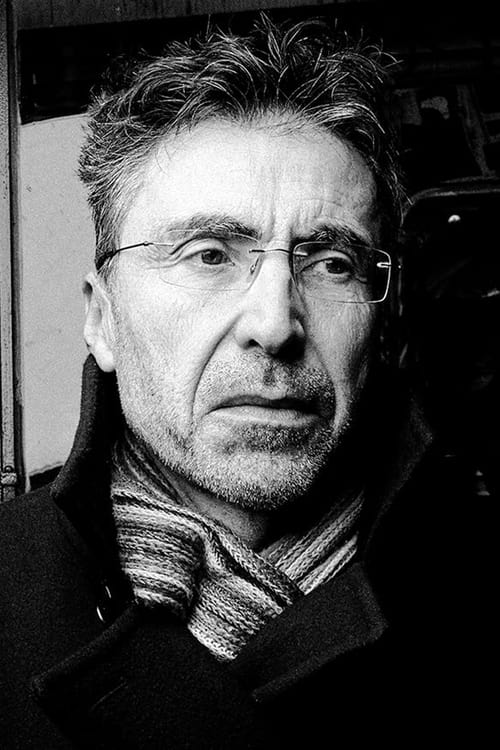
Pierre Carles

Pierre Carles

Directing

Biography

Pierre Carles was born in 1962 in Gironde. He spent part of his childhood and adolescence in Chile and Colombia with his mother, a teacher in French schools. He returned to France in the late 1970s and studied socio-cultural animation, then journalism. He worked in television from 1988, first as a news cameraman for France 3 Régions, then as a columnist or author of humorous subjects in variety shows (TF1, France 2, Canal +, M6). From 1993, he made short documentaries for the Belgian-French show Strip-tease (France 3) and for the magazine Brut (ARTE). In 1998, he created a production company in Montpellier, with around ten audiovisual and cinema workers involved in the production of his first feature film, Pas vu pas pris, including producer Annie Gonzalez. From 1998 to 2020, he directed or co-directed around ten feature-length documentaries for the cinema, which deal with media criticism (Pas vu pas pris, 1998; Enfin pris?, 2002; Fin de concession, 2010; Les Ânes ont soif, 2004), the questioning of wage labor and the possibility of living differently (Attention danger travail, 2003; Volem rien foutre al païs, 2007), armed struggle (Ni vieux, ni traîtres, 2006)... He is also the author of filmed portraits of singular personalities such as Professor Choron (Choron dernière, 2008, with Éric Martin) or Pierre Bourdieu, whom he followed for three years to produce La sociologie est un sport de combat (2001). Through the exchanges of the great researcher with colleagues, journalists or activists, the profound nature of sociological practice and its critical potential are expressed.
Known For

The Abdallah Case
8.5

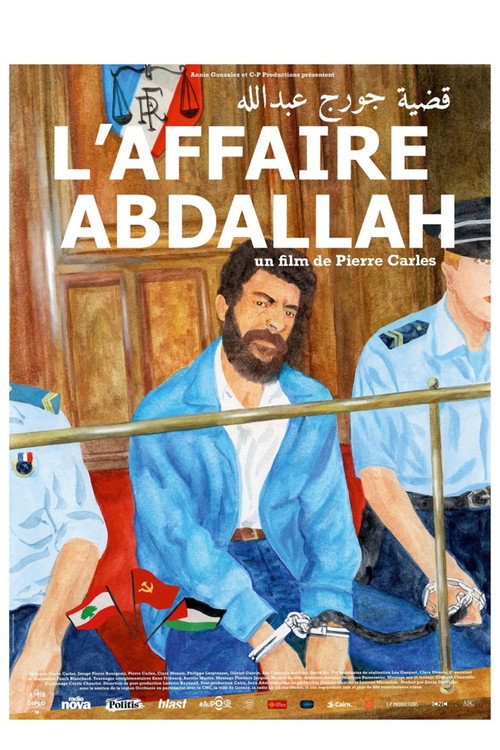
Georges Ibrahim Abdallah, a pro-Palestinian communist resistance fighter, is France's longest-serving political prisoner. Incarcerated for 40 years, he remains a symbol. He was suspected of being behind the attacks that sowed chaos in 1980s Paris and was convicted of murdering two diplomats. In the film *The Abdallah Affair*, which Pierre Carles dedicates to him, we discover a deeply troubling story: a country choosing an ideal scapegoat. An incredible piece of fake news and intense pressure exerted by the United States on France are at the root of this extraordinary length of detention. The official media machine went into overdrive, serving a national interest, blind and deaf to all the ambiguities of this case, which this documentary exposes. Georges Abdallah was imprisoned in France for nearly 41 years. Wrongfully. At 74, he managed to leave prison, standing tall, his political convictions intact.

The Abdallah Case

2026Movie
Not Seen, Not Caught
7.5

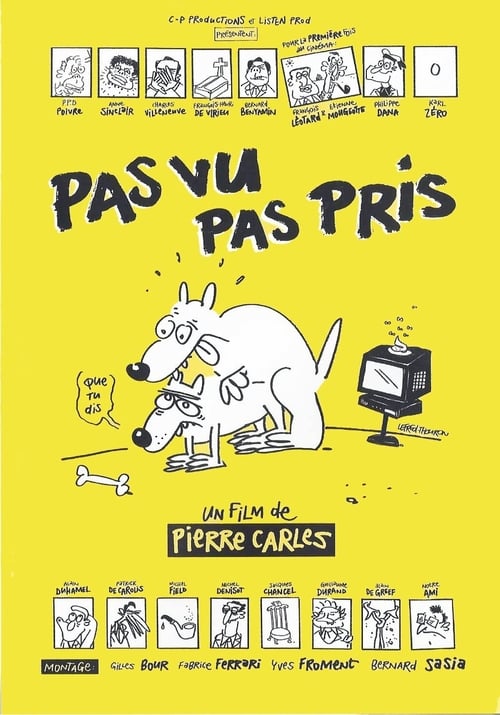
On April 2, 1995, the television channel Canal+ censored the documentary "Pas vu à la télé" (Not Seen on TV), directed by Pierre Carles, which had been commissioned a few weeks earlier by the program director, Alain de Greef. "Pas vu à la télé" was slated to be featured in Canal+'s "TV Day" segment, under the heading "Television, Power, Morality." Carles recounted this censorship in the feature film "Pas vu pas pris" (Not Seen, Not Caught), released in theaters on November 18, 1998. It drew over 160,000 viewers. Eighteen years later, "Pas vu à la télé" remains unaired on French television. As for "Pas vu, pas pris," it has still not been broadcast on French television. However, it has been shown on television in Belgium, Quebec, and Switzerland. Since then, nine billionaires now control more than 80% of the media in France, while eleven of them account for 57% of the television audience.

Not Seen, Not Caught

1998Movie