FEEL IT.STREAM
Aretha Franklin

Aretha Franklin

Acting

Biography

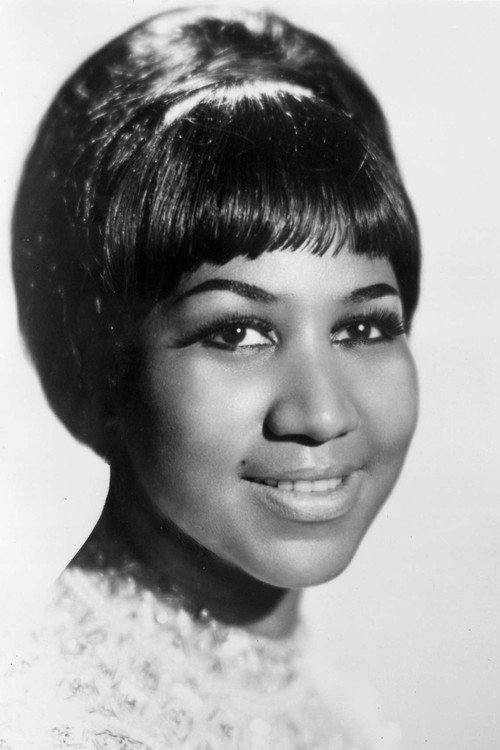
Aretha Louise Franklin (March 25, 1942 – August 16, 2018) was an American singer, songwriter and pianist. Referred to as the "Queen of Soul", Rolling Stone twice named her as the greatest singer of all time. With global sales of over 75 million records, Franklin is one of the world's best-selling music artists. As a child, Franklin was noticed for her gospel singing at New Bethel Baptist Church in Detroit, Michigan, where her father C. L. Franklin was a minister. At the age of 18, she was signed as a recording artist for Columbia Records. While her career did not immediately flourish, Franklin found acclaim and commercial success once she signed with Atlantic Records in 1966. Hit songs such as "I Never Loved a Man (The Way I Love You)", "Respect", "(You Make Me Feel Like) A Natural Woman", "Chain of Fools", "Think", and "I Say a Little Prayer", propelled Franklin past her musical peers. Franklin continued to record acclaimed albums such as I Never Loved a Man the Way I Love You (1967), Lady Soul (1968), Spirit in the Dark (1970), Young, Gifted and Black (1972), Amazing Grace (1972), and Sparkle (1976), before experiencing problems with the record company. Franklin left Atlantic in 1979 and signed with Arista Records. The singer appeared in the 1980 film The Blues Brothers before releasing the successful albums Jump to It (1982), Who's Zoomin' Who? (1985) and Aretha (1986) on the Arista label. In 1998, Franklin returned to the Top 40 with the Lauryn Hill-produced song "A Rose Is Still a Rose"; later, she released an album with the same name. Franklin recorded 112 charted singles on the US Billboard charts, including 73 Hot 100 entries, 17 top-ten pop singles, 100 R&B entries and 20 number-one R&B singles. Besides the foregoing, the singer's well-known hits also include "Ain't No Way", "Call Me", "Don't Play That Song (You Lied)", "Spanish Harlem", "Rock Steady", "Day Dreaming", "Until You Come Back to Me (That's What I'm Gonna Do)", "Something He Can Feel", "Jump to It", "Freeway of Love", "Who's Zoomin' Who" and "I Knew You Were Waiting (For Me)" (a duet with George Michael). Franklin won 18 Grammy Awards (out of 44 nominations), including the first eight awards given for Best Female R&B Vocal Performance (1968–1975), a Grammy Awards Living Legend honor and Lifetime Achievement Award. Franklin received numerous honors throughout her career. She was awarded the National Medal of Arts and the Presidential Medal of Freedom. In 1987, she became the first female artist to be inducted into the Rock and Roll Hall of Fame. She also was inducted into the UK Music Hall of Fame in 2005 and into the Gospel Music Hall of Fame in 2012. In 2019, the Pulitzer Prize jury awarded the songwriter a posthumous special citation "for her indelible contribution to American music and culture for more than five decades". In 2020, Franklin was inducted into the National Women's Hall of Fame. .. Source: Article "Aretha Franklin" from Wikipedia in English, licensed under CC-BY-SA 3.0.
Known For

The Tonight Show Starring Johnny Carson
7.5

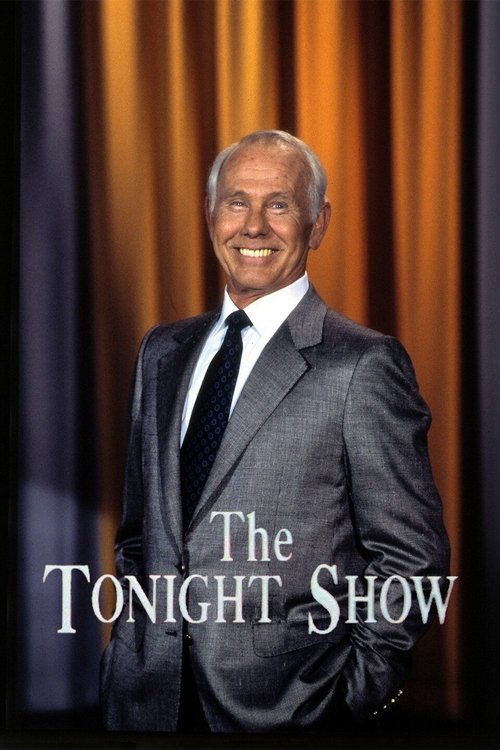
The Tonight Show Starring Johnny Carson is a talk show hosted by Johnny Carson under The Tonight Show franchise from 1962 to 1992. It originally aired during late-night. For its first ten years, Carson's Tonight Show was based in New York City with occasional trips to Burbank, California; in May 1972, the show moved permanently to Burbank, California. In 2002, The Tonight Show Starring Johnny Carson was ranked #12 on TV Guide's 50 Greatest TV Shows of All Time.

The Tonight Show Starring Johnny Carson

1962
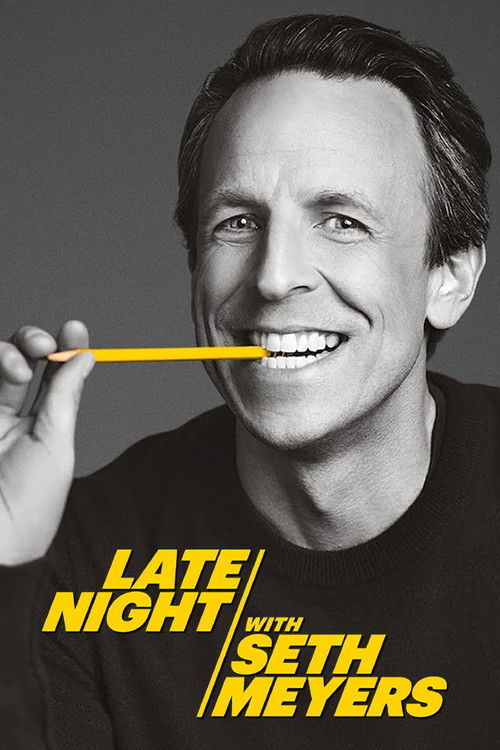
Late Night with Seth Meyers
5.2

Seth Meyers, who is "Saturday Night Live's" longest serving anchor on the show's wildly popular "Weekend Update," takes over as host of NBC's "Late Night" — home to A-list celebrity guests, memorable comedy and the best in musical talent. As the Emmy Award-winning head writer for "SNL," Meyers has established a reputation for sharp wit and perfectly timed comedy, and has gained fame for his spot-on jokes and satire. Meyers takes his departure from "SNL" to his new post at "Late Night," as Jimmy Fallon moves to "The Tonight Show".

Late Night with Seth Meyers

2014
Late Show with David Letterman
6.4

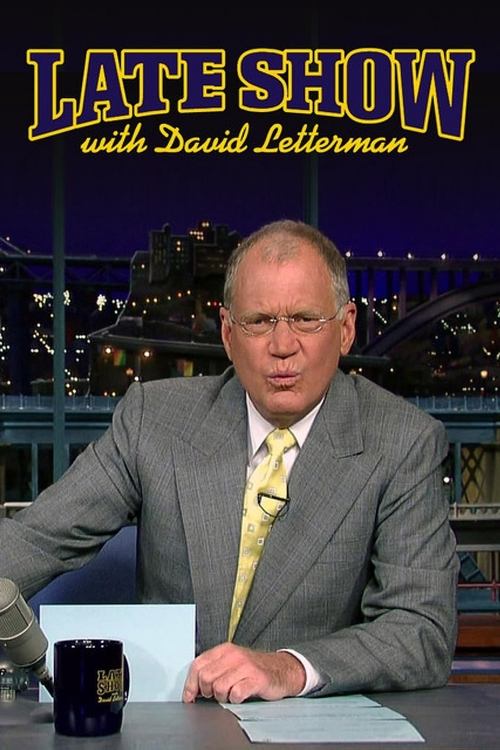
David Letterman uses mature humor to appeal to his audience in this weeknight series, which gets its music from a house band led by Paul Shaffer. Among the show's most-famous segments are the Top Ten List and Stupid Pet Tricks, the latter of which subsequently led to an additional recurring segment called Stupid Human Tricks.

Late Show with David Letterman

1993
Saturday Night Live
6.9

A late-night live television sketch comedy and variety show created by Lorne Michaels. The show's comedy sketches, which parody contemporary culture and politics, are performed by a large and varying cast of repertory and newer cast members. Each episode is hosted by a celebrity guest, who usually delivers an opening monologue and performs in sketches with the cast, and features performances by a musical guest.

Saturday Night Live

1975
Miami Vice
7.5

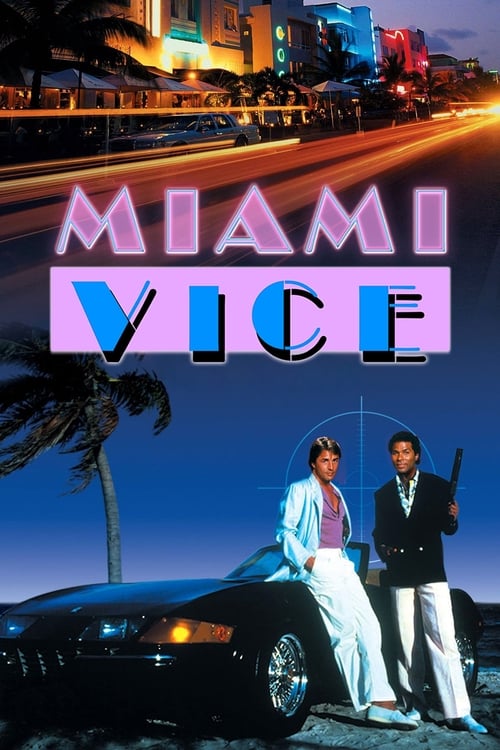
The story of the Miami Police Department's vice squad and its efforts to end drug trafficking and prostitution, centered on the unlikely partnership of Sonny Crockett and Ricardo Tubbs - who first meet when Tubbs is undercover in a drug cartel.

Miami Vice

1984
Champs-Elysées
6.8

No description available.

Champs-Elysées

1982
The Merv Griffin Show
6.6

No description available.

The Merv Griffin Show

1962
Late Night with Conan O'Brien
7.3

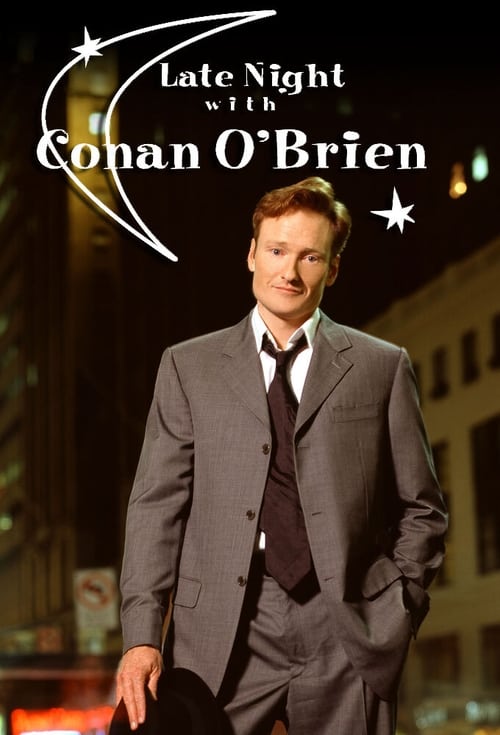
Stepping into the late-late slot vacated by David Letterman, Conan O'Brien stars in a show that far outdoes its competition in sheer strangeness. Along with the celebrity interviews and musical numbers typical of late-night talk shows, this program make frequent use of odd walk-on characters and frequent "visits" from celebrity guests.

Late Night with Conan O'Brien

1993
Murphy Brown
6.4

Murphy Brown (Candice Bergen) is a recovering alcoholic who returns to the fictional newsmagazine FYI for the first time following a stay at the Betty Ford Clinic residential treatment center. Over 40 and single, she is sharp tongued and hard as nails. In her profession, she is considered one of the boys, having shattered many glass ceilings encountered during her career. Dominating the FYI news magazine, she is portrayed as one of America's hardest-hitting (though not the warmest or more sympathetic) media personalities.

Murphy Brown

1988
The Oscars
7.0

An annual American awards ceremony honoring cinematic achievements in the film industry. The various category winners are awarded a copy of a statuette, officially the Academy Award of Merit, that is better known by its nickname Oscar.

The Oscars

1953
WWF Wrestling Challenge
6.8

The biggest WWE Superstars of the late 1980s and early '90s settle their differences in the ring on "Wrestling Challenge"; featuring exciting matches and memorable interviews, this weekly television series captures an important era of WWE history.

WWF Wrestling Challenge

1986
WWF Superstars
8.0

WWE's flagship show of the early-90s featuring great in-ring action, news from the world of sports-entertainment, and more.

WWF Superstars

1986
Kraft Music Hall
5.4

Kraft Music Hall is an umbrella title for several television series aired by NBC in the United States from the 1950s to the 1970s in the musical variety genre, sponsored by Kraft Foods, the producers of a well-known line of cheeses and related dairy products. Their commercials were usually announced by "The Voice of Kraft", Ed Herlihy.

Kraft Music Hall

1958
The Midnight Special
8.1

The Midnight Special is an American late-night musical variety series that aired on NBC during the 1970s and early 1980s, created and produced by Burt Sugarman. It premiered as a special on August 19, 1972, then began its run as a regular series on February 2, 1973; its last episode was on May 1, 1981. The ninety-minute program followed the Friday night edition of The Tonight Show Starring Johnny Carson. The show typically featured guest hosts, except for a period from July 1975 through March 1976 when singer Helen Reddy served as the regular host. Wolfman Jack served as the announcer and frequent guest host. The series also occasionally aired vintage footage of older acts. As the program neared the end of its run in the early 1980s, it began to frequently use lip-synched performances rather than live. The program also featured occasional comedic performances such as Richard Pryor and Andy Kaufman.

The Midnight Special

1972
The Flip Wilson Show
4.7

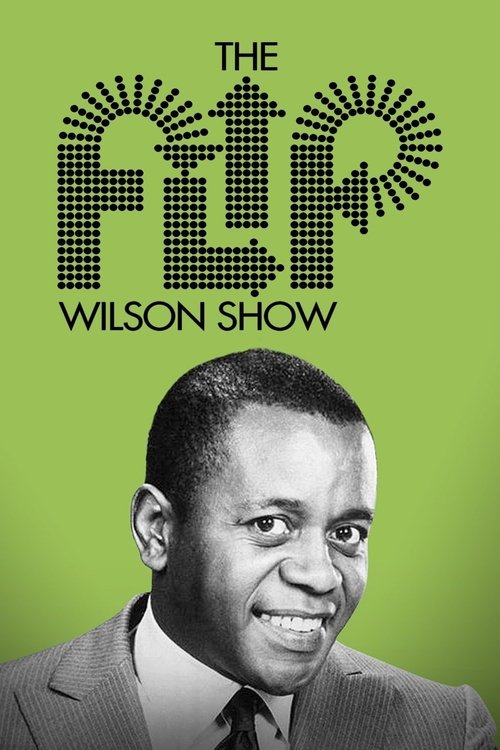
The Flip Wilson Show is an hour long variety show that aired in the U.S. on NBC from September 17, 1970 to June 27, 1974. The show starred American comedian Flip Wilson; the program was one of the first American television programs starring a black person in the title role to become highly successful with a white audience. Specifically, it was the first successful network variety series starring an African American. During its first two seasons, its Nielsen ratings made it the nation's second most watched show. The show consisted of many skits over an hour. It also broke new ground in American television by using a 'Theatre-in-the-Round' stage format, with the audience seated on all sides of a circular performance area. Wilson was most famous for creating the role of Geraldine Jones, a sassy, modern woman who had a boyfriend named Killer. Flip also created the role of Reverend Leroy, who was the minister of the Church of What's Happening Now!. New parishioners were wary of coming to the church as it was hinted that Reverend Leroy was a con artist. Wilson popularized such catchphrases as "What you see is what you get", and "The devil made me do it!".

The Flip Wilson Show

1970
The Kennedy Center Honors
7.4

The Kennedy Center Honors is an annual honor given to those in the performing arts for their lifetime of contributions to American culture.

The Kennedy Center Honors

1978
The Hollywood Palace
5.0

The Hollywood Palace is an hour-long American television variety show that was broadcast weekly on ABC from January 4, 1964 to February 7, 1970. Originally titled The Saturday Night Hollywood Palace, it began as a mid-season replacement for The Jerry Lewis Show, another variety show which had lasted only three months. It was staged in Hollywood at the former Hollywood Playhouse on Vine Street, which was renamed The Hollywood Palace during the show's duration and is today known as Avalon Hollywood. A little-known starlet named Raquel Welch was cast during the first season as the "Billboard Girl", who placed the names of the acts on a placard.

The Hollywood Palace

1964
Solid Gold
6.3

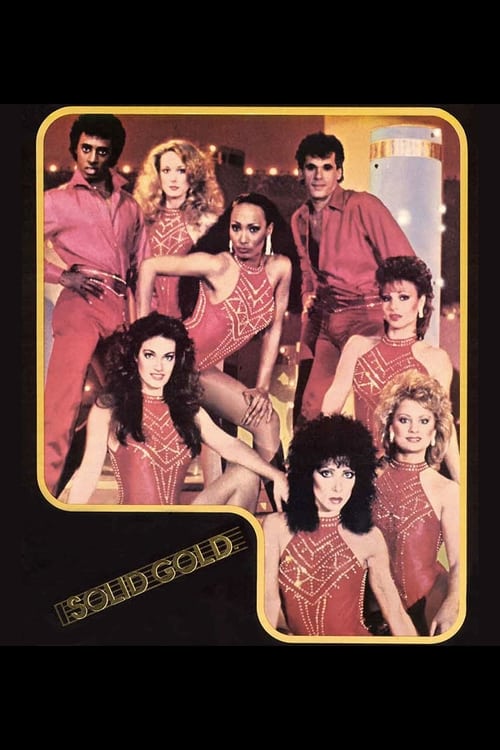
Solid Gold was an American syndicated music television series that debuted on September 13, 1980. Like many other shows of its genre, such as American Bandstand, Solid Gold featured musical performances and various other elements such as music videos. What set Solid Gold apart was a group of dancers in revealing costumes who at various points in the program performed various dances to the top ten hits of the week. Many other specials aired in which the dancers would dance to older pop hits as well. Reviews of the show were not always positive, with The New York Times referring to it as "the pop music show that is its own parody...[enacting] mini-dramas...of covetousness, lust and aerobic toning--routines that typically have a minimal connection with the songs that back them up." The series ran until July 23, 1988, and it was usually transmitted on Saturdays in the early evening. In 1986, Solid Gold added the current year to its title, so in the seventh season the show was known as Solid Gold '86/'87. For the eighth and last season the program became known as Solid Gold In Concert, reflecting the addition of more live performances than had previously been featured on the program in the past.

Solid Gold

1980
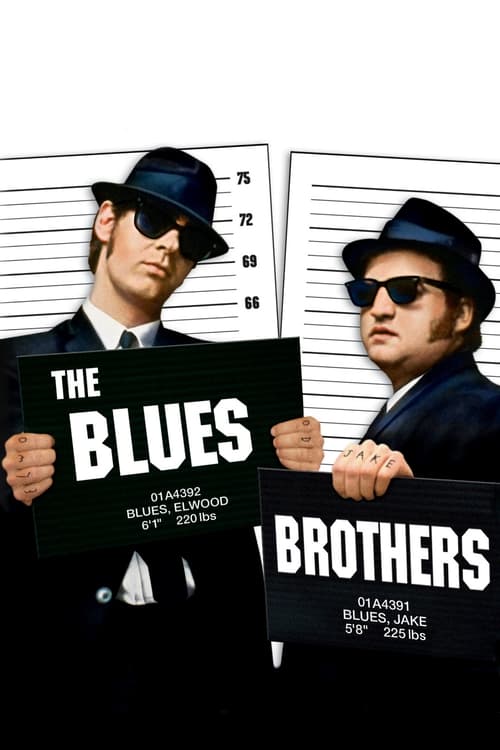
The Blues Brothers
7.7

Jake Blues, just released from prison, puts his old band back together to save the Catholic home where he and his brother Elwood were raised.

The Blues Brothers

1980
Shindig!
6.4

Shindig! is an American musical variety series which aired on ABC from September 16, 1964 to January 8, 1966. The show was hosted by Jimmy O'Neill, a disc jockey in Los Angeles at the time who also created the show along with his wife Sharon Sheeley and production executive Art Stolnitz. The original pilot was rejected by ABC and David Sontag, then Executive Producer of ABC, redeveloped and completely redesigned the show. A new pilot with a new cast of artists was shot starring Sam Cooke. That pilot aired as the premiere episode.

Shindig!

1964