Acting
Tatort is a long-running German/Austrian/Swiss crime television series set in various parts of these countries. The show is broadcast on the channels of ARD in Germany, ORF in Austria and SF1 in Switzerland.
Beneath the decadence of 1929 Berlin, lies an underworld city of sin. Police investigator Gereon Rath has been transferred from Cologne to the epicenter of political and social changes in the Golden Twenties.
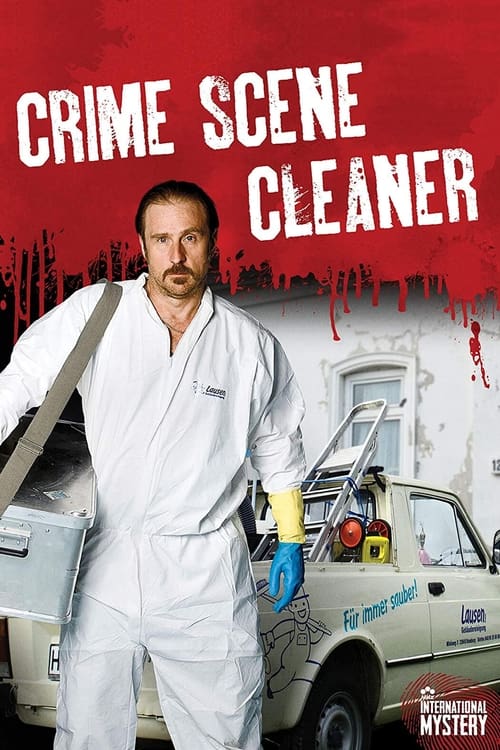
Heiko Schotte (Schotty) works for a cleaning company, cleaning all kind of crime scenes. There he sometimes meets weird people and tries to solve difficult situations.
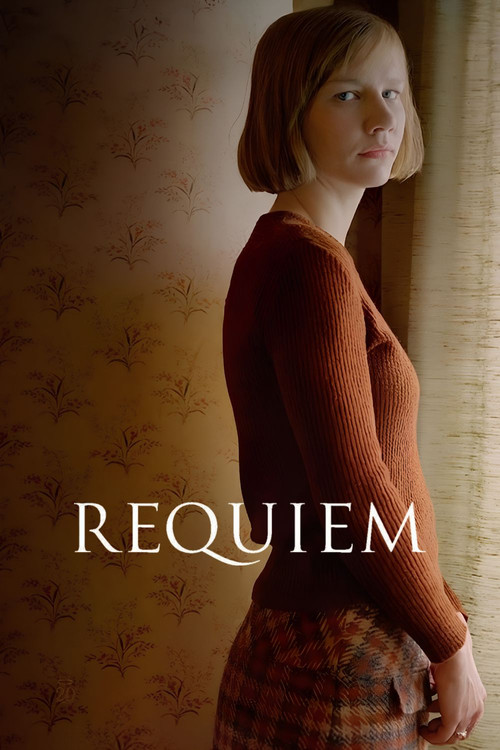
Michaela, an epileptic, enrolls in college to study education. She goes off her medication and soon begins hearing voices and seeing apparitions that tell her to avoid religious objects, although she is devoutly Roman Catholic. One priest scoffs at the idea that Michaela could be possessed by demons, but a younger pastor arranges an exorcism for the young woman.
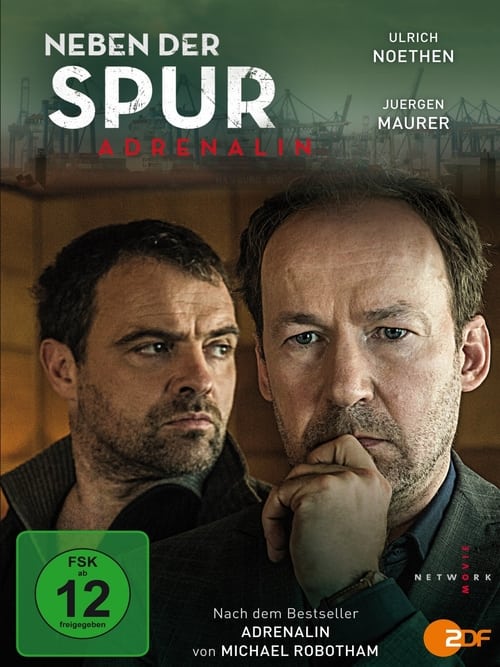
Hamburg thriller with great depth
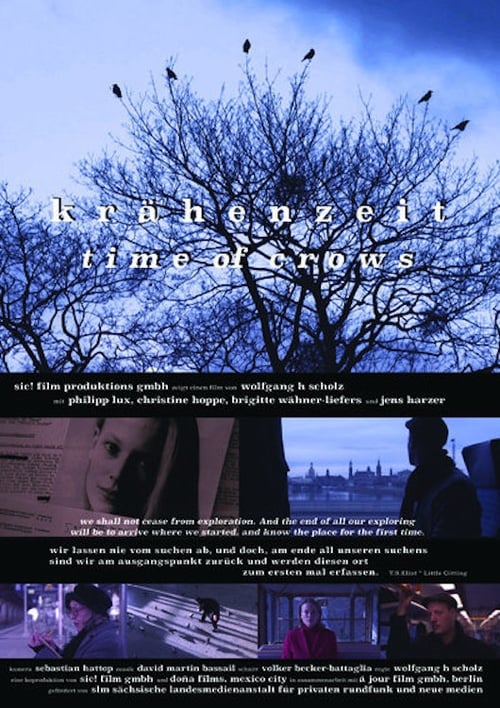
The film tells the story of Martin S., his return to Dresden, which he left more than 20 years ago. He discovered some film materials of his own that he shot in 1988, and came upon his files held by the State Security where there was information given by a person which contained details that could only be known by his then first love. So begins his search and questioning about his memories and testing believed reality.
Rosa Bernhard, a young journalist, investigates the death of an American tourist named Zofia, who died following a night out at a nightclub called Reaktor.
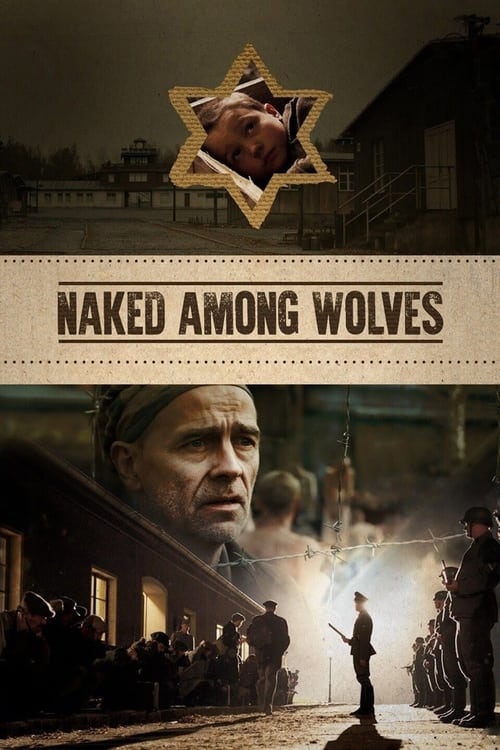
Taking place at the Concentration camp Buchenwald at the end of March 1945, prisoner Hans Pippig discovers in a carrying case of an incoming prisoner a Jewish child. If reported the three-year-old is sure to die. On the other hand, a violation of the rules of the camp would threaten the long prepared uprising of the concentration camp prisoners against the SS.
A teenager wakes up in a subway car with no memory of how he got there or who he is.
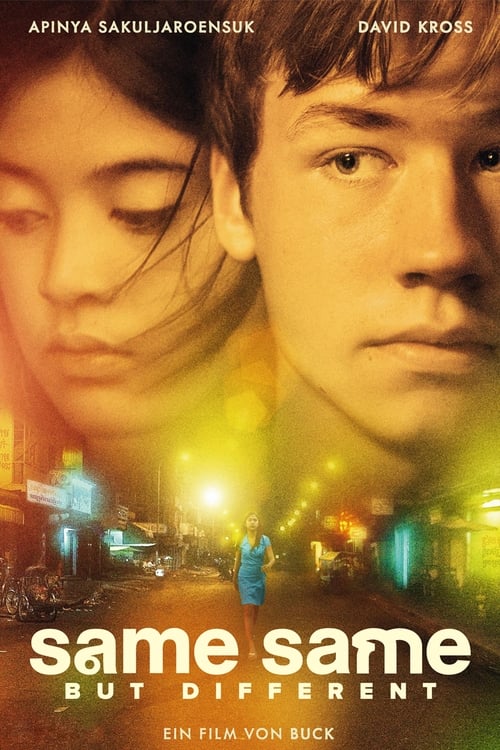
Based on the true story of Benjamin Prufer and Sreykeo Solvan. The unexpected and uncertain love story of Sreykeo, a 21 year old bar girl in Phnom Penh and Ben, a young German student traveling to Cambodia on a post graduation summer trip. When Ben returns home to Germany he discovers that Sreyko is sick and he takes on the responsibility to save her. On the way he discovers a world where not everyone is dealt the same cards and where motivations are not always pure.
In WWII Munich, Anna works for a Nazi family as a nanny but secretly steals food and cigarettes and bring those to a Jewish family, who hides from the Nazis. One day, the family is discovered and only by chance can Anna save the family's only daughter, Franziska. Together they escape to Anna's native village where Anna tells everybody that Franziska is her daughter...
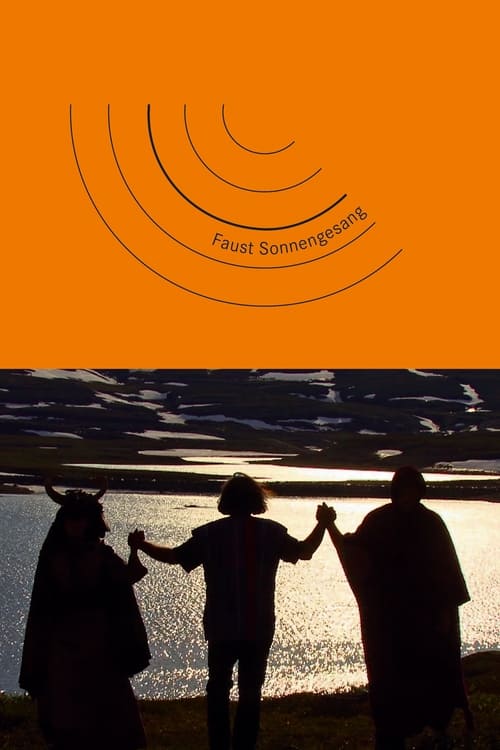
In no less than 180 minutes the film showed frenzied dashes of wild colors and idyllic natural images, of wonderful music and powerful lyricism, which, among others was flawlessly recited by star actors such as Corinna Harfouch, Angela Winkler and Ulrich Matthes. The work treats of the consciousness-defining echoing thunder of modern rock music, of the rock inscriptions of the ancient Egyptians, of the Merseburg magic spells, the author’s childhood impressions, in the latter’s homeland in the forests of the Upper Palatinate, and the ghosts of the Nazi era, who today continue to haunt us in the most vivid manner.
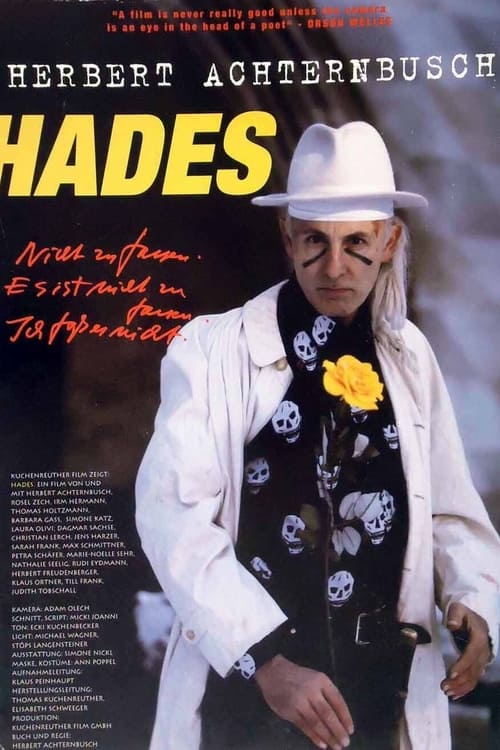
This German political drama from iconoclastic filmmaker Herbert Achternbusch takes a slightly askew look at neo-Nazis and the Holocaust. His non-story (a typical trait of Achternbusch films) is divided into three parts. The first introduces Hades, an eccentric half-Jewish coffin maker. Also introduced are the women in his life. The second part depicts different scenes from the city's Jewish ghetto. Included are disturbing film clips from Nazi propaganda footage that shows the naked corpses of starved Jews piled up in the streets with the insinuation that the heartless relatives of the dead would unceremoniously toss them out when they expired. In the third part, Hades is buried at sea. In between, neo-Nazis march unopposed in Munich, Hades battles skinheads, and Hades' shop is repeatedly vandalized. A scene where Hades is fascinated with death is also seen.
A Bochum Schauspielhaus production. In ancient Scotland, after a victorious war, Macbeth and Banquo return home. Macbeth’s name is celebrated for his prowess in battle, and witches predict he will become king. Driven by ambition and his wife’s encouragement, Macbeth kills the king, his friends, and their families to seize power. Despite achieving the prophecy, he and his wife are overwhelmed by guilt. The second part of the prophecy will also come true, leaving Macbeth isolated and seeking liberation.
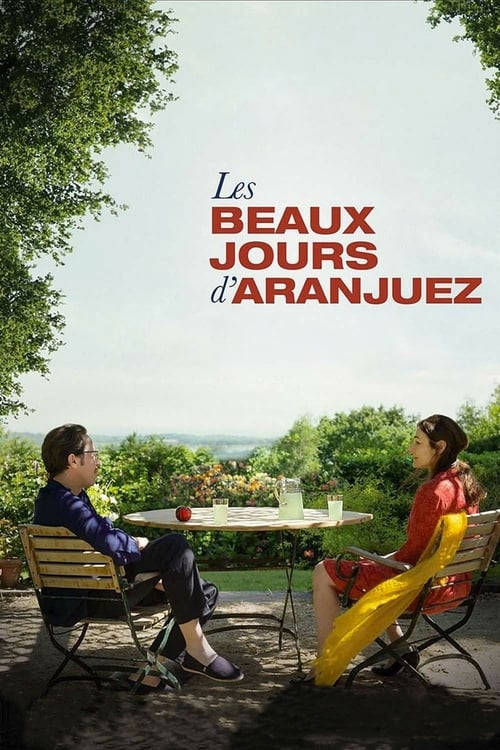
A man and a woman share their musings on love and freedom one summer night. The couple’s conversation meanders through memories, unspoken desires and passion through poetic dialogue.
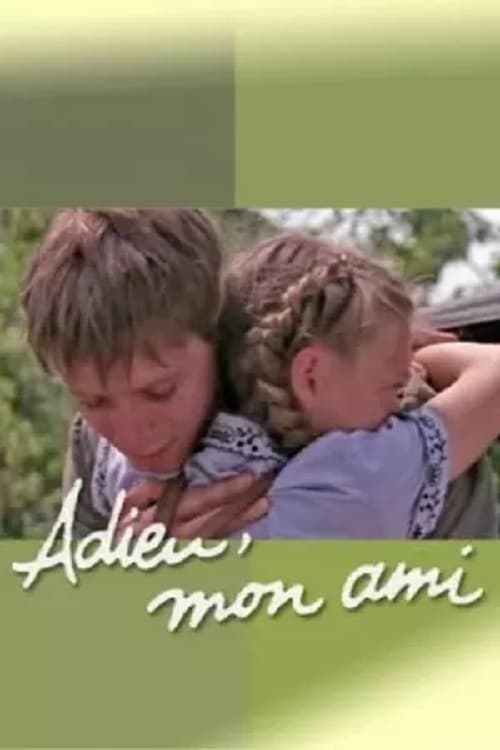
Germany, WWII: 10-year old Dagmar has just lost her beloved twin brother Doug and her family through a bomb attack. Together with a young girl who worked in the bakery of Dagmar's parents they escape to Bavaria and find shelter at some far relatives of Dagmar's family. The little girl just doesn't feel comfortable in the strange family but soon finds a good friend: Laurent, a 17-year old French alien employee. Laurent is tormented by August, the "head of the family", but cannot defend himself because as soon as he causes a conflict he will be sent into an approved school in France which is even worse. Dagmar and Laurent become very close and become almost like brother and sister, they are all they have and Dagmar even falls a bit in love with Laurent. One day August sees how Laurent hugs Dagmar, he provokes a conflict and at the end Laurent is sent back to France...
Oskar lives with his ill father in a quiet village. Twenty years ago, his brother Theo was caught with an underage girl and has since left their lives. Then the village is startled: Theo reappears when an eight-year-old girl is murdered.
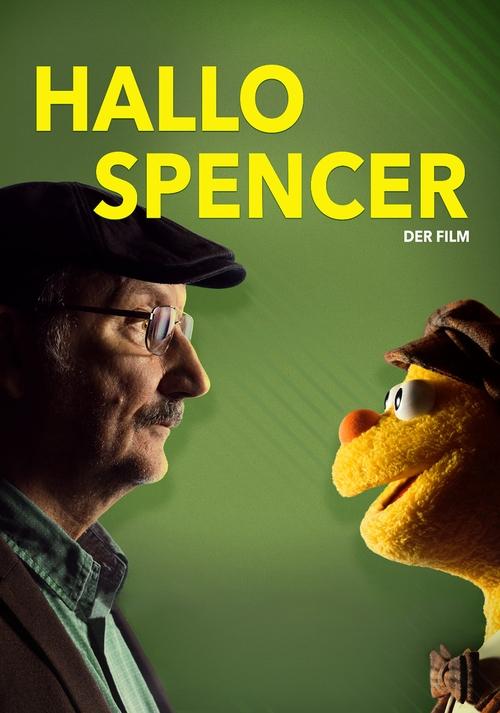
Jakob Sesam is the once successful creator of the children's TV series Hello Spencer. Twenty years after the last episode, he lives with his puppets in a dilapidated discotheque, but now this last refuge is also in danger of disappearing. Sesame and his puppets have only one chance left: they must quickly raise 10 million to stop the demolition excavators.
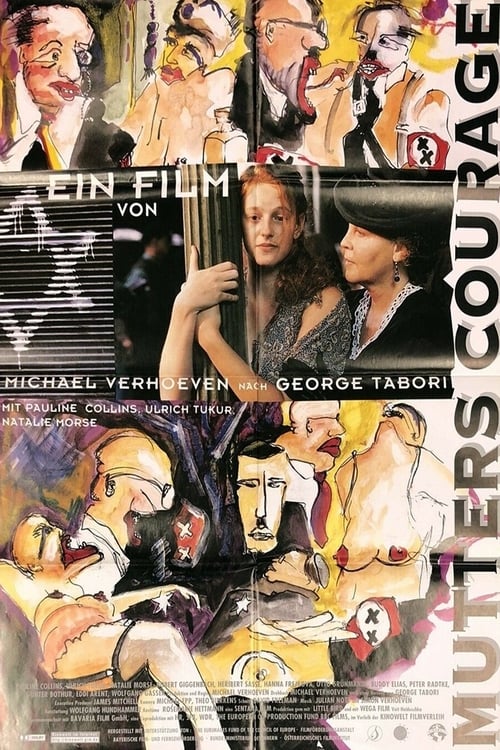
The deportation of 4000 Jews from Budapest to Auschwitz in July 1944, as told by George Tabori, and how the narrator’s mother escaped it, owing to coincidence, courage and some help from where you’d least expect it.
The dull daily routine of an insurance agent, who listlessly drives down the highway every day and conducts customer meetings while longing for his family, becomes a metaphor for a life that has come to a standstill and is threatened with being crushed by loneliness.