FEEL IT.STREAM
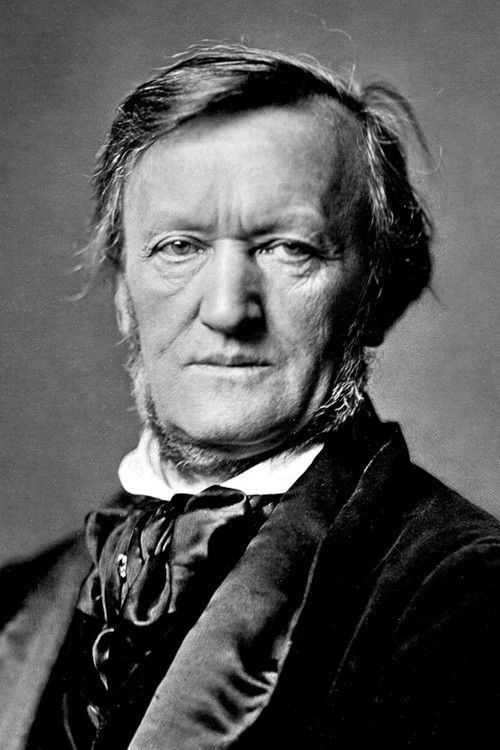
Richard Wagner

Richard Wagner

Sound

Biography

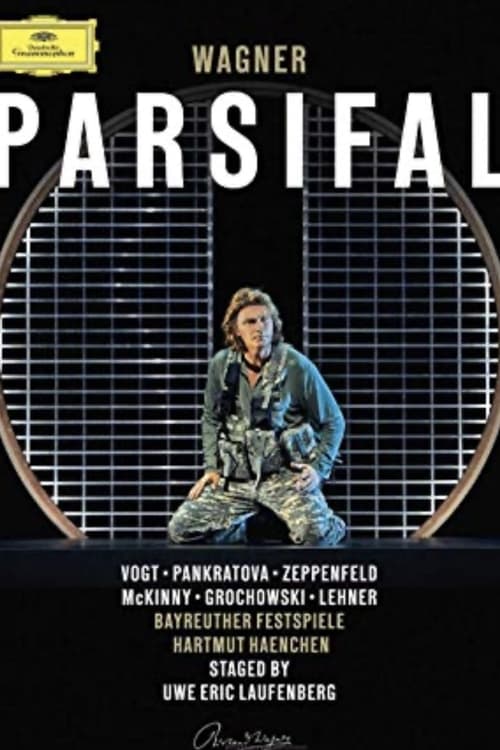
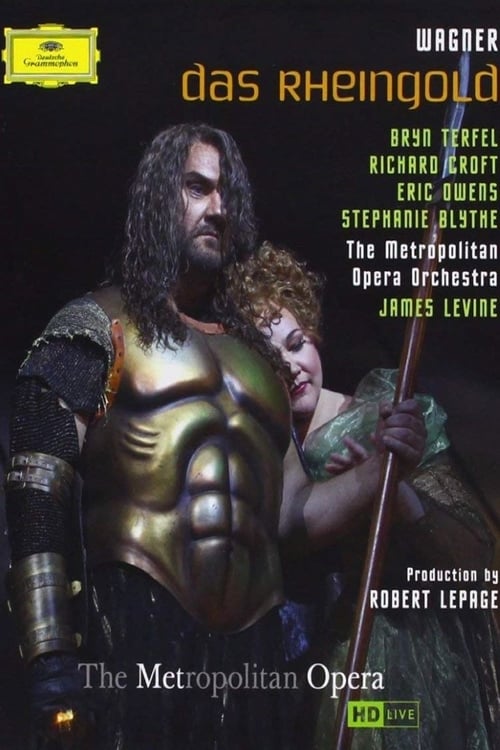
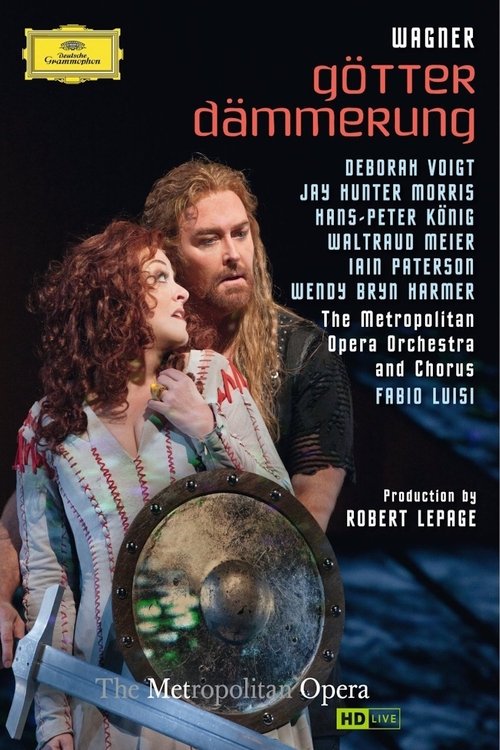
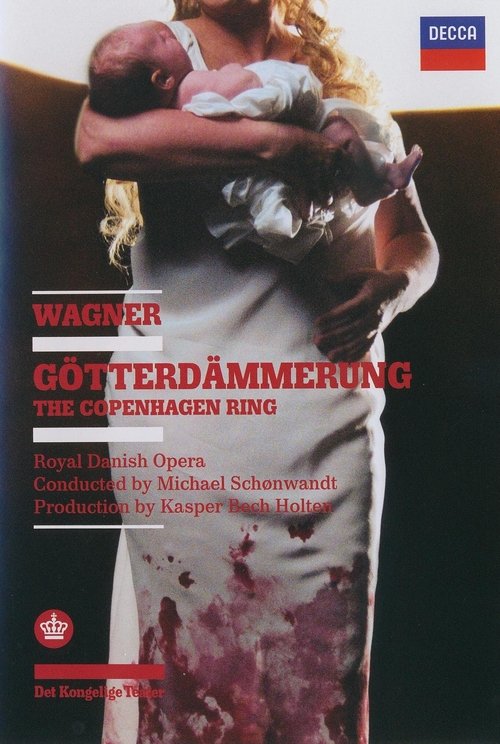
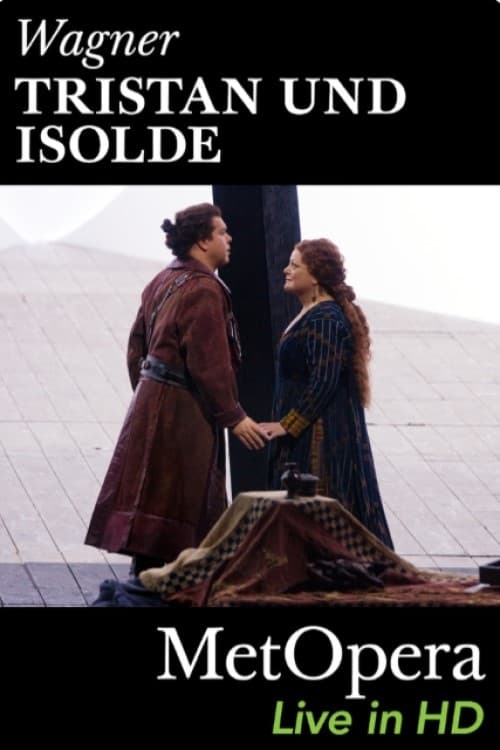
Wilhelm Richard Wagner (/ˈvɑːɡnər/; German: [ˈʁiçaʁt ˈvaːɡnɐ] (About this sound listen); 22 May 1813 – 13 February 1883) was a German composer, theatre director, polemicist, and conductor who is chiefly known for his operas (or, as some of his later works were later known, "music dramas"). Unlike most opera composers, Wagner wrote both the libretto and the music for each of his stage works. He described this vision in a series of essays published between 1849 and 1852. Wagner realised these ideas most fully in the first half of the four-opera cycle Der Ring des Nibelungen (The Ring of the Nibelung). His compositions, particularly those of his later period, are notable for their complex textures, rich harmonies and orchestration, and the elaborate use of leitmotifs—musical phrases associated with individual characters, places, ideas, or plot elements. His advances in musical language, such as extreme chromaticism and quickly shifting tonal centres, greatly influenced the development of classical music. His Tristan und Isolde is sometimes described as marking the start of modern music. Famously, he is known for Der Ring des Nibelungen (The Ring of the Nibelung), WWV 86, is a cycle of four German-language epic music dramas composed by Richard Wagner. The works are based loosely on characters from the Norse sagas and the Nibelungenlied. The four parts that constitute the Ring cycle are, in sequence: Das Rheingold (The Rhinegold) Die Walküre (The Valkyrie) Siegfried Götterdämmerung (Twilight of the Gods) Wagner had his own opera house built, the Bayreuth Festspielhaus, which embodied many novel design features. The Ring and Parsifal were premiered here and his most important stage works continue to be performed at the annual Bayreuth Festival, run by his descendants. His thoughts on the relative contributions of music and drama in opera were to change again, and he reintroduced some traditional forms into his last few stage works, including Die Meistersinger von Nürnberg (The Mastersingers of Nuremberg).
Known For

Nosferatu the Vampyre
7.3

A real estate agent leaves behind his beautiful wife to go to Transylvania to visit the mysterious Count Dracula and formalize the purchase of a property in Wismar.

Nosferatu the Vampyre

1979
Manhattan Murder Mystery
7.3

A middle-aged couple suspects foul play when their neighbor's wife suddenly drops dead.

Manhattan Murder Mystery

1993
This is Opera
9.0

An exploration of opera in unconventional ways attempting to attract not just existing opera fans, but also those less familiar with the art form. The host guides the viewer to the places of origin of each opera, and explores the culture, history—and modern and current trends and how they apply to opera.

This is Opera

2015
Die Nibelungen: Siegfried
7.7

Siegfried, son of King Siegmund of Xanten, travels to Worms, capital of the Burgundian kingdom, to ask King Gunther for the hand of his sister, the beautiful Kriemhild.

Die Nibelungen: Siegfried

1924
Ludwig
7.4

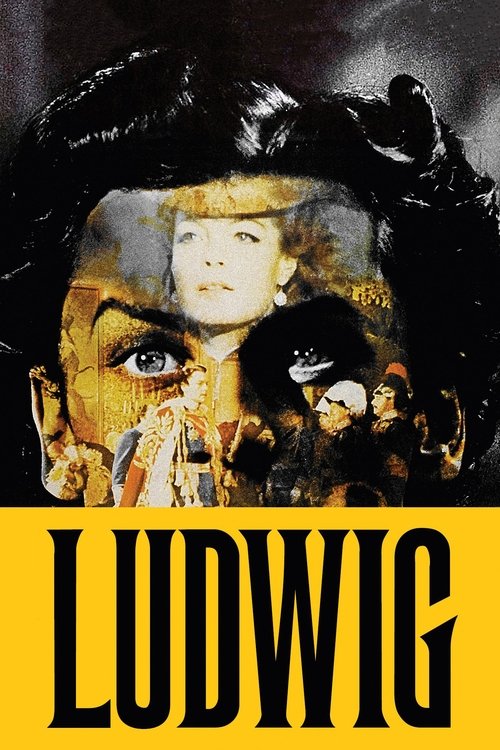
Historical evocation of Ludwig, king of Bavaria, from his crowning in 1864 until his death in 1886, as a romantic hero. Fan of Richard Wagner, betrayed by him, in love with his cousin Elisabeth of Austria, abandoned by her, tormented by his homosexuality, he will little by little slip towards madness.

Ludwig

1973
Patriotism
7.0

Two characters on a Noh stage dramatize the rite of love and death of Lieutenant Shinji Takeyama and his wife Reiko.

Patriotism

1966
The Evil Forest
6.0

Brave hero Parsifal, orphan and raised among wolves, must recover the Holy Grail from the hands of the evil wizard Klingsor, a Barbarian chieftain who killed his father, and thus save the wounded Amfortas, ruler of the Grail kingdom. Kundria, a beautiful and seductive houri, and even the Seven Deadly Sins will try to stop Parsifal and his noble quest.

The Evil Forest

1951
Agi, the Fury of Evil
8.5

A samurai warrior is terrorised by the demon Agi.

Agi, the Fury of Evil

1984
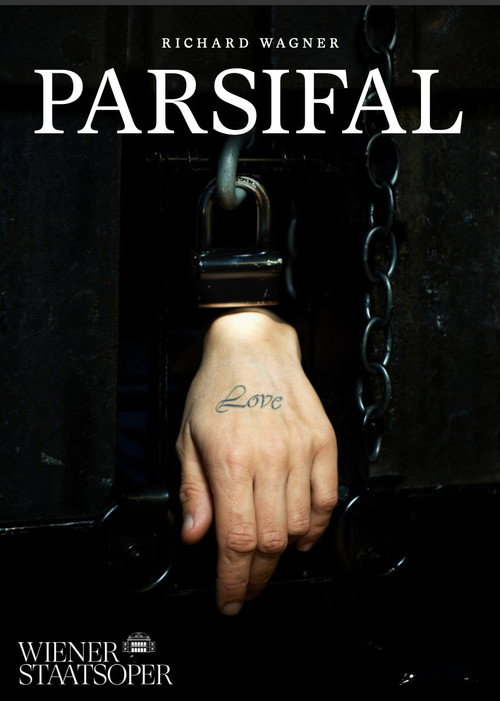
Parsifal
6.5

A psychological interpretation of the opera mixing in references to the history of Germany, Wagner’s life, German literature and philosophy. The action is centered on Wagner’s death mask. Kundry is the main character – one might read the film as the story of her redemption rather than that of Amfortas.

Parsifal

1982
Yo, Diablo
N/A

Joey works as a waiter for a hedonistic community of summer holiday makers in a small Mediterranean paradise. It is unclear if their exaggerated behaviors are due to the fact that the summer is coming to an end or if its just the last of their summers.

Yo, Diablo

2021
Ludwig – Requiem for a Virgin King
5.5

Reflected in an artificial and bombastically staged illusory world with Wagnerian compositions, glossy and satirical time references, 19th century German figures and traditions are stripped of their mythology and interpreted by the Germany of 1972.

Ludwig – Requiem for a Virgin King

1972
The Flying Dutchman
5.8

In order to escape her narrow and restrictive life, Senta, the daughter of a rich shipowner, seeks refuge in her fantasies and dreams. In this realm of imagination, a bold and restless sea captain appears to her—the Flying Dutchman—who is cursed to wander the seas forever. In her obsessive dreams, Senta frees this man through her love for him.

The Flying Dutchman

1964
Wagner: Siegfried
7.5

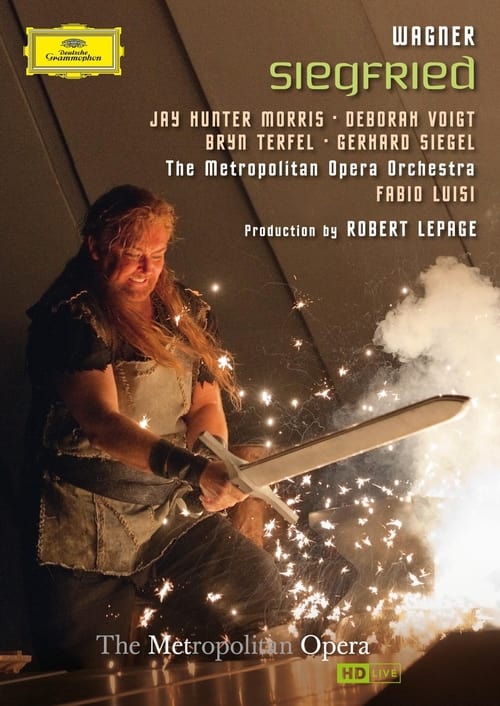
Robert Lepage’s remarkable Met Opera production of Wagner’s Der Ring des Nibelungen, the 2013 Grammy Award Winner for Best Opera Recording, is now available as individual DVDs. Siegfried features Bryn Terfel, Jay Hunter Morris, and Deborah Voigt, with Fabio Luisi conducting.

Wagner: Siegfried

2011
The Fifteenth Spring
5.0

Fifteen years old Sasha is dreaming about adventures, falling in love and doesn't know that WWII is approaching...

The Fifteenth Spring

1971
Ludwig II
7.2

Life and death of King Ludwig II of Bavaria.

Ludwig II

1955
Parsifal
N/A

Recorded live at the Festspielhaus, Baden-Baden, Germany, August 2004. Kent Nagano, conductor. Nikolaus Lehnhoff, stage director.

Parsifal

2005
The Metropolitan Opera: Die Walküre
9.0

Robert Lepage’s landmark staging of Wagner’s Der Ring des Nibelungen, unveiled over the course of the 2010–11 and 2011–12 seasons, was the first new Met production of the complete cycle in more than 20 years. Combining state-of-the-art technology with traditional storytelling, it brings Wagner’s vision into the 21st century. With Die Walküre, the story of the Ring enters the world of human beings. Jonas Kaufmann and Eva-Maria Westbroek are Siegmund and Sieglinde, the twin children of Wotan, sung by Bryn Terfel. Deborah Voigt stars in the title role of the Valkyrie Brünnhilde, Wotan’s favorite daughter. James Levine conducts.

The Metropolitan Opera: Die Walküre

2011
Wagner: Siegfried
6.3

The third opera in Richard Wagner's epic Ring cycle, Siegfried follows the adventures of the son of demigods Siegmund and Sieglinde as he conquers his enemies and rescues the beauteous Brunnhilde with the help of his magic sword. This video preserves the controversial 1976 Bayreuth Centenary production, with Pierre Boulez leading the Bayreuth Festival Orchestra. Manfred Jung leads the cast as Siegfried, with Gwyneth Jones as Brunnhilde, Donald McIntyre as the Wanderer, and Hermann Becht as Alberich.

Wagner: Siegfried

1980
Adolf and Marlene
7.0

When Hitler watches Marlene Dietrich in a movie, he falls in love with her. He persuades her to come back to Germany to be with him, but upon her arrival, she constantly insults and provokes him until he eventually, on her command, bites the carpet to bits.

Adolf and Marlene

1977
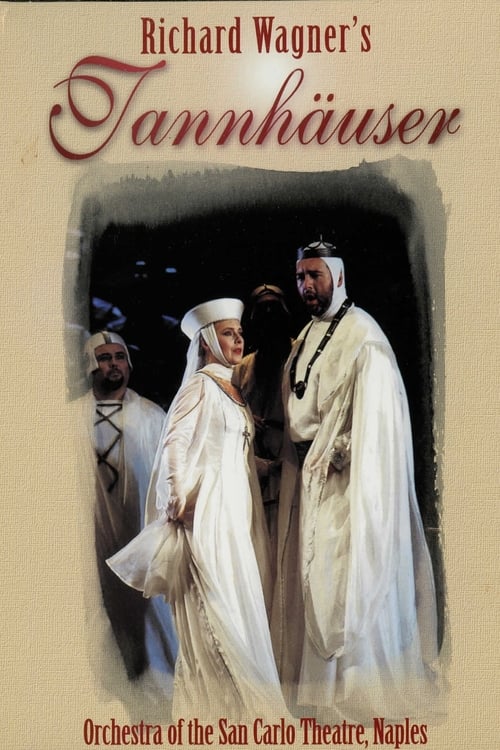
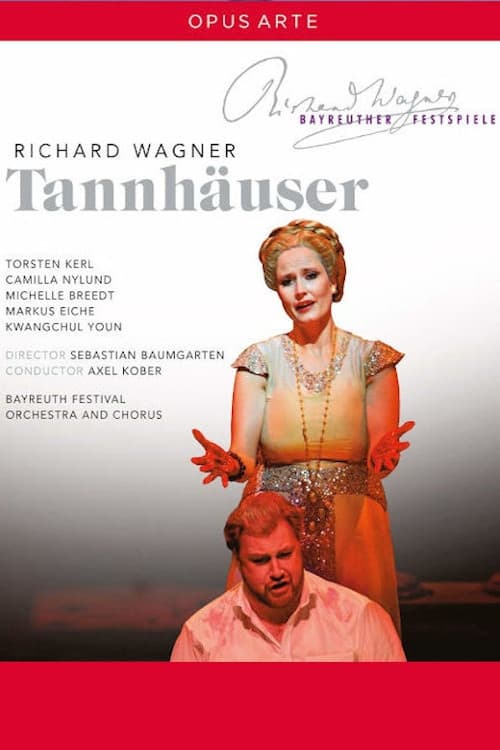
Tannhäuser
5.0

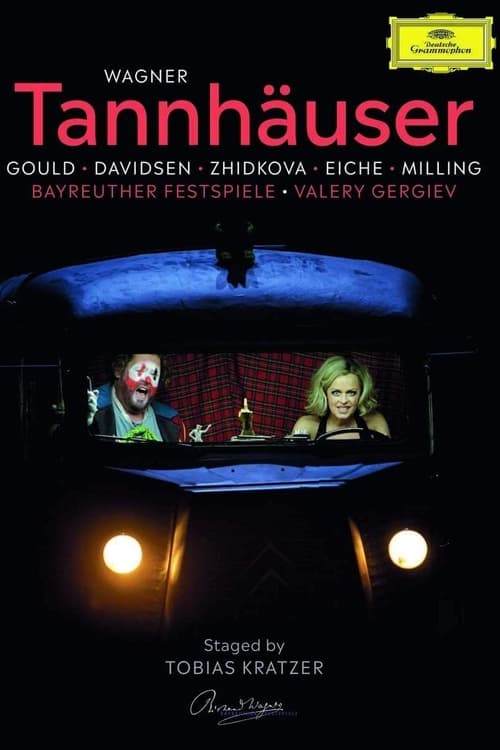
Dramatic three-reel film based on Wagner's opera of chivalry and spiritual struggle. Wandering minstrel Tannhauser wins the heart of Elizabeth, niece of the powerful Landgrave. Later, under the spell of Venus and her nymphs, Tannhauser passes into Venusberg, a netherworld of earthly pleasures. Returning to the Landgrave's court, he praises Venus in song and sparks the righteous anger of all present. His own prayers and those of Elizabeth free him from enchantment and he takes up the habit of a monk, devoting himself to God. He sets off to seek absolution in Rome while Elizabeth waits at court, ever weakening in his absence.

Tannhäuser

1913