Fernando E. Solanas
Directing
Biography
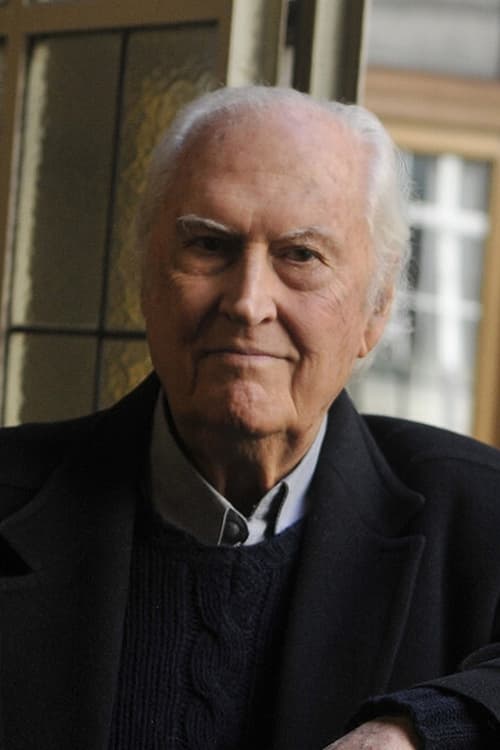
Fernando Ezequiel 'Pino' Solanas was an Argentine film director, screenwriter and politician. His films include La hora de los hornos (The Hour of the Furnaces) (1968), Tangos: el exilio de Gardel (1985), Sur (1988), El viaje (1992), La nube (1998) and Memoria del saqueo (2004), among many others. He was National Senator representing the Autonomous City of Buenos Aires for six years, from 2013 to 2019. In 2019, following the end of his term as senator, he was appointed as Argentina's ambassador to UNESCO; he served in the position until his death in Neuilly-sur-Seine, France, on 6 November 2020. From Wikipedia, the free encyclopedia
Known For

No description available.
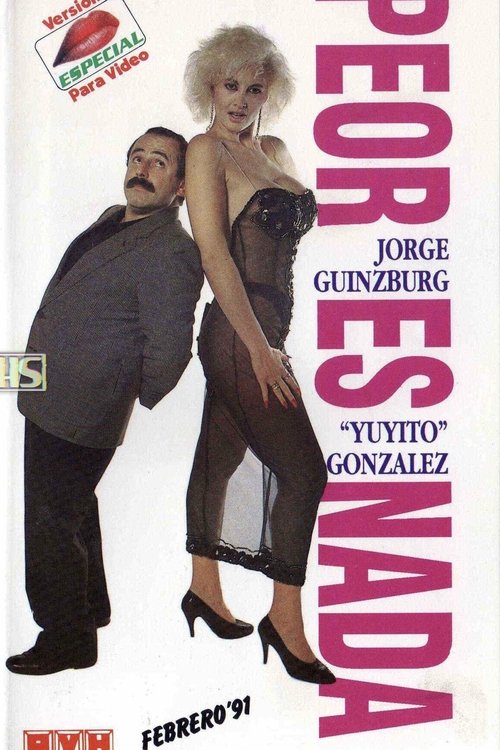
Peor es nada

Some Argentinians, exiled in Paris, decide to put on a tango-ballet, dedicated to Carlos Gardel, a legendary Argentinian tango star.
Tangos, the Exile of Gardel

In the midst of a profound economic, political, and social crisis, in April 1982, the armed forces led by the then de facto president, the alcoholic General Leopoldo Galtieri, launched the reconquest of the Falkland Islands. This marked the beginning of a military adventure in the South Atlantic against a world power that laid bare the errors and horrors of the Argentine military regime. This documentary depicts the final act of a bloody dictatorship.
Malvinas: La retirada

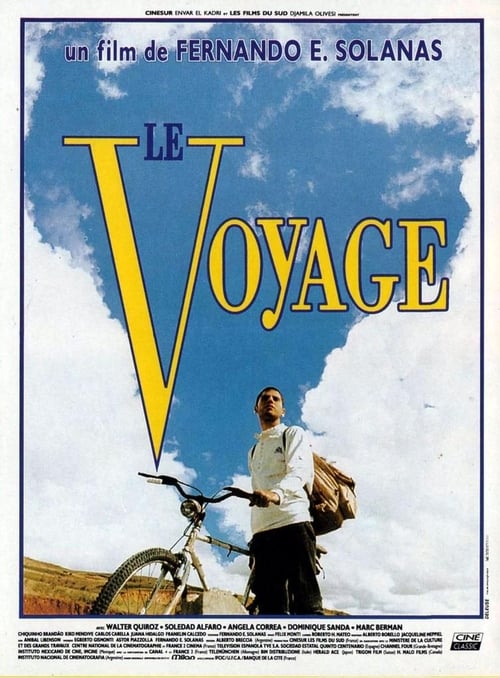
A young man living in a cold southern village in South America, decides to start a trip looking for his father. By doing this he discovers unexpected facts about his Latin American essence.
The Journey

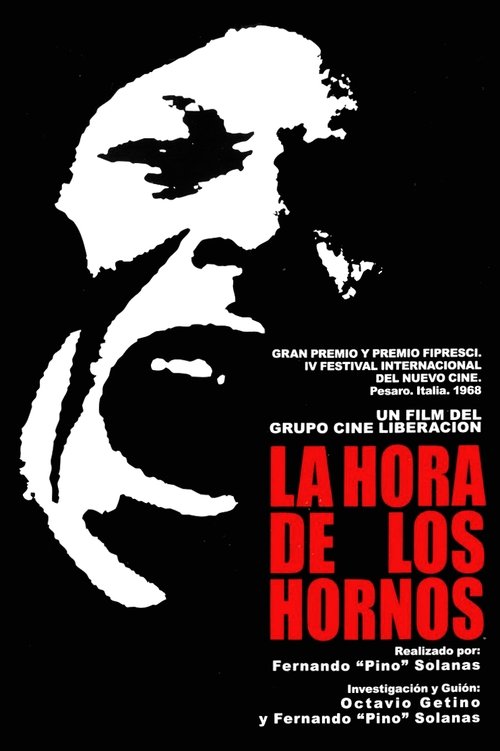
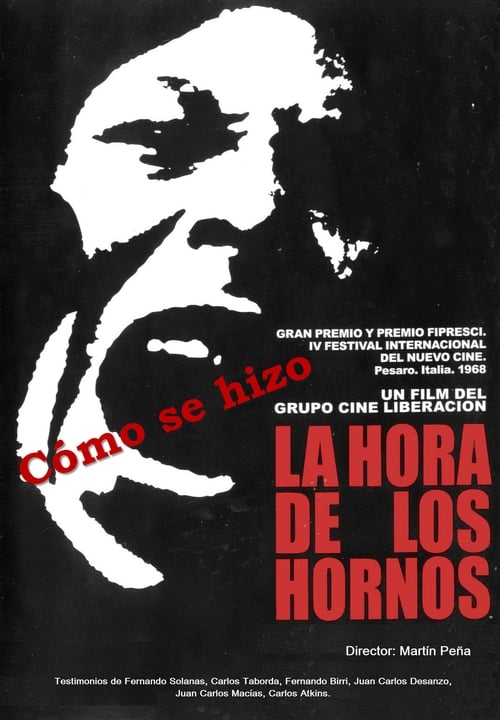
An impassioned three-part documentary of the liberation struggle waged throughout Latin America, using Argentina as a historical example of the imperialist exploitation of the continent. Part I: Neo-Colonialism and Violence is a historical, geographic, and economic analysis of Argentina. Part II: An Act For Liberation examines the ten-year reign of Juan Perón (1945-55) and the activities of the Peronist movement after his fall from power. Part III: Violence and Liberation studies the role of violence in the national liberation process and constitutes a call for action.
The Hour of the Furnaces

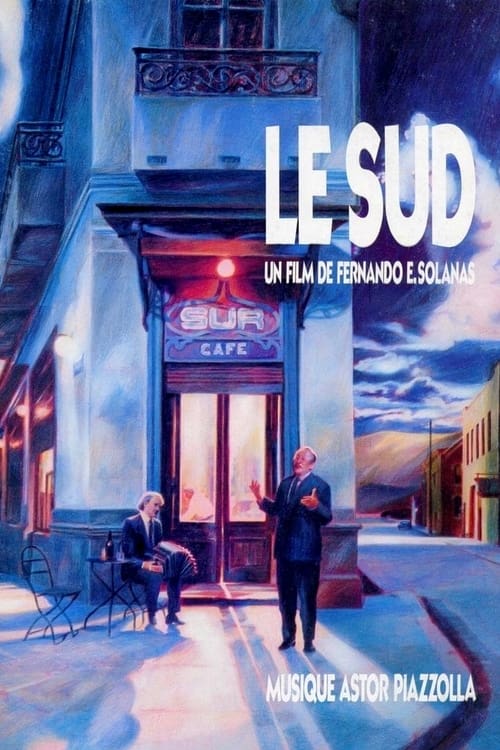
After the end of the military dictatorship in Argentina in 1983, Floreal is released from prison. Instead of returning to his wife, he wanders through the night of Buenos Aires. He meets some people from his past–most of which are only imaginary–and remembers the events of his imprisonment.
The South

A black cloud brings 1600 days of rain to Buenos Aires, while traffic and pedestrians move backwards. Aging actor Max (Eduardo Pavlovsky) runs the Mirror Theater in a former fish market, but lack of funding means a possible demolition. Max is attracted to Brazilian dancer Fulo (Angela Correa), who worries about her daughter back home. Amid political corruption and police brutality, Max's elderly colleague Enrique leads a protest for unpaid old-age pensions. The pensioners succeed in their demands, only to learn from a government official that no money is available to pay them.
The Cloud

No description available.
Resistencia Cultural

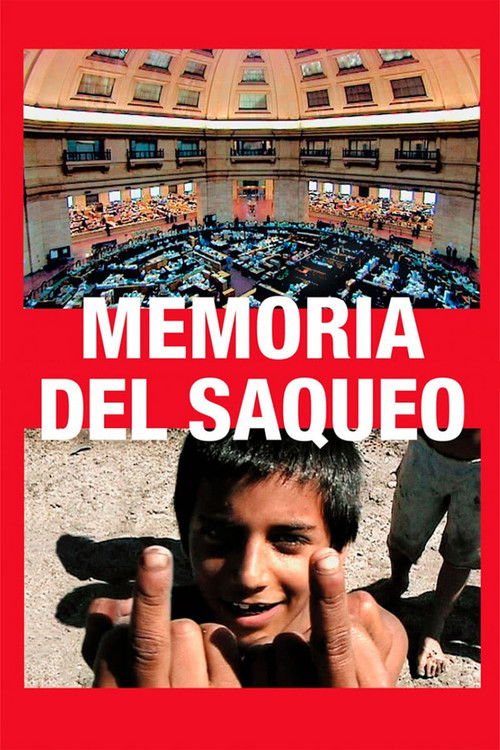
The degraded socio-economic condition of Argentina leading to the December 2001 rebellions, and its consequent social chaos analyzed by focusing on real people from Buenos Aires poorest shantytowns, crumbling hospitals, and women middle class farmers fighting multi national banks that are shamelessly appropriating their farmlands. Written by Gonz30
Dignity of the Nobodies
A collection of shorts, some documentary and some fictional, showing the political climate in Argentina during the military regime of the late 1960s.
Argentina, mayo de 1969. Los caminos de la liberación

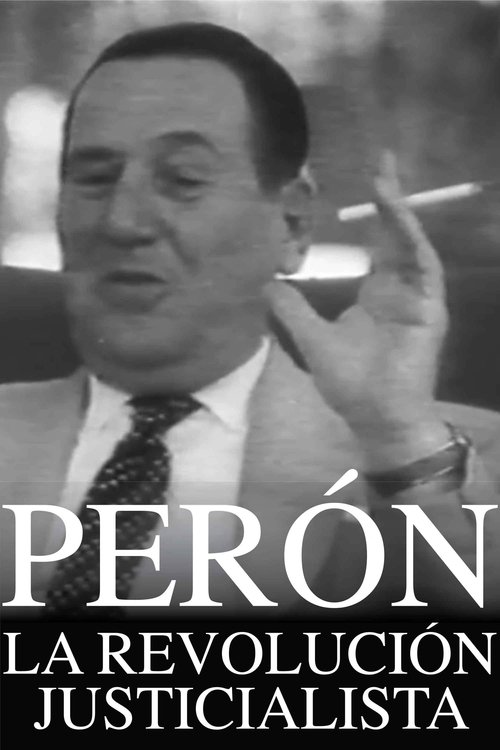
Lengthy interviews, exclusive to this movie, with Juan Peron, describing his military career and the reforms he instituted as leader of the Argentine government.
Perón: The Justicialist Revolution

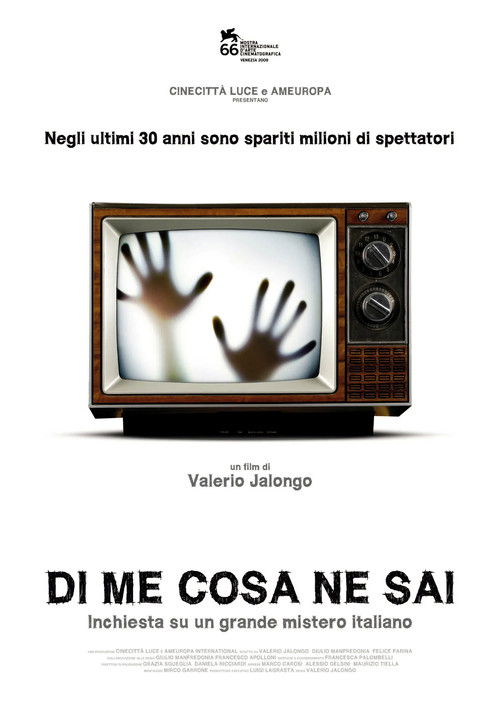
Until the 1970s, Italian cinema dominated the international scene, even competing with Hollywood. Then, in just a few years, came its rapid decline, the flight of our greatest producers, a crisis among the best writer-directors, the collapse of production. But what are the true causes and circumstances of this decline? In an attempt to provide an answer to this question, Di Me Cosa Ne Sai strives to depict this great cultural change. Begun as a loving examination of Italian cinema, the film transformed into a docu-drama that alternates between interviews with the great names of the past and fragments of cultural and political life of the last 30 years. It is a travel diary that shows Italy from north to south, through movie theatres; television-addicted kids; Berlusconi and Fellini; shopping centers; TV news editors; stories of impassioned film exhibitors and directors who fight for their films; and interviews with itinerant projectionists and great European directors.
What Do You Know About Me

Last homage to the great director Fernando Solanas, dear to our hearts, who came multiple times in Competition to the Festival and two times to Cannes Classics. Through this documentary rich in sensibility and visual flair aided by stunning graphics, “Pino” Solanas evokes creation.
Three in the Drift of the Creative Act

What does Che Guevara"s mythic presence represent to people at the turn of the century, and how do people define their concept of utopia?
Che: muerte de la utopia?

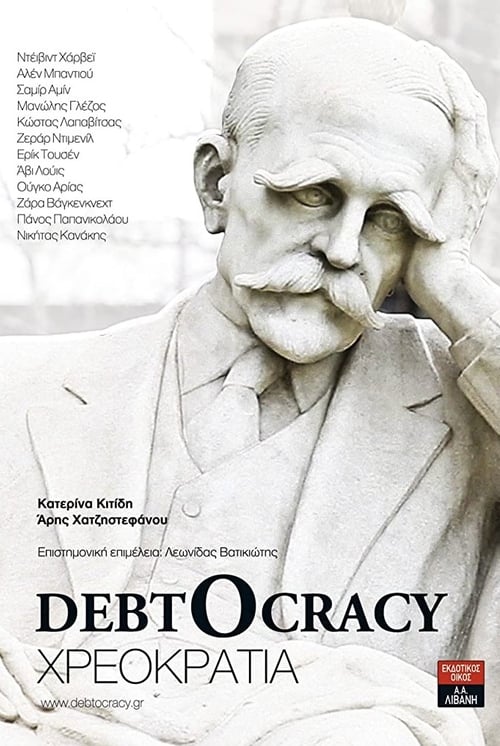
Debtocracy seeks the causes of the Greek debt crisis and proposes solutions sidelined by the government and the dominant media. It follows countries like Ecuador that created debt Audit Commissions and tracks this process in Greece.
Debtocracy

After the fall of the military dictatorship in 1983, successive democratic governments launched a series of reforms purporting to turn Argentina into the world's most liberal and prosperous economy. Less than twenty years later, the Argentinians have lost literally everything: major national companies have been sold well below value to foreign corporations; the proceeds of privatizations have been diverted into the pockets of corrupt officials; revised labour laws have taken away all rights from employees; in a country that is traditionally an important exporter of foodstuffs, malnutrition is widespread; millions of people are unemployed and sinking into poverty; and their savings have disappeared in a final banking collapse. The film highlights numerous political, financial, social and judicial aspects that mark out Argentina's road to ruin.
Social Genocide

Three boys from very different backgrounds who have just finished their military service must face the complex social reality of Argentina.
Dar la cara

Tribute documentary on the relationship between music and image in the cinema, as a constitutive part of it, with great musical moments in Argentine films together with the words of those who compose and direct.
El cine a través de la música

Peronist view of its history between the fall in 1955 and the electoral triumph of 1973 using a metaphor of the poem Martin Fierro.
The Children of Fierro

Félix Monti is synonymous with cinematography in Argentina. From his early steps in the legendary San Miguel studios to his recent work in large-scale Argentine film productions, Chango has never stopped working. Directors Alejandra Martín and Paola Rizzi, also colleagues of his, chose not to shoot a motionless documentary and filled it with vitality –the same vitality the experienced cinematographer moves around with in every shoot or stage he sets foot in.