George Dunning
Directing
Biography
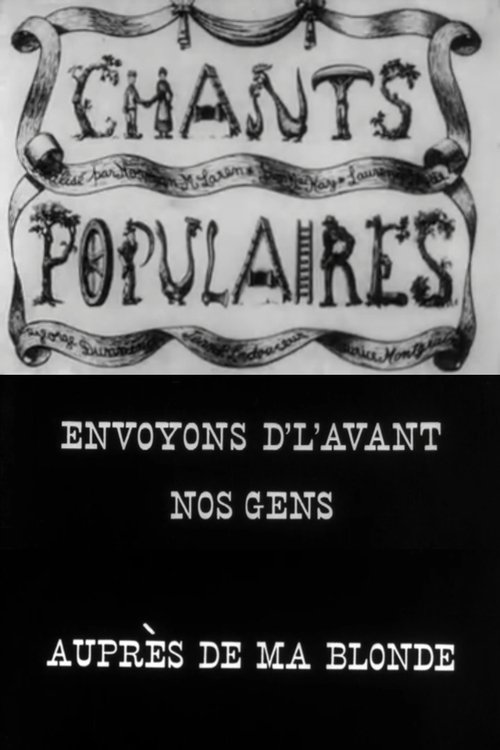
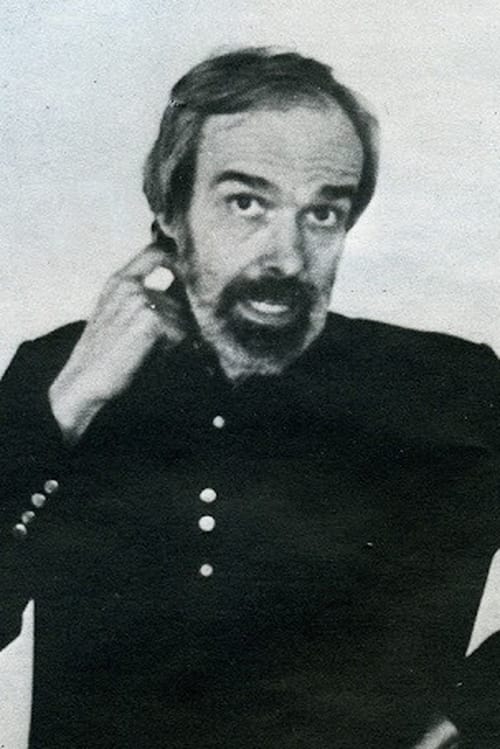
George Garnett Dunning was a Canadian filmmaker and animator. He is known for animating and directing the 1968 film inspired by the Beatles, Yellow Submarine. Dunning was born in Toronto, Ontario, Canada and studied in at the Ontario College of Art, and soon found freelance work as an illustrator. Dunning joined the National Film Board of Canada in 1943, where he worked with Norman McLare and contributed to several episodes of the Chants Populaires series. From 1944 to 1947 Dunning created many original short films and developed his skills animating articulated, painted, metal cut-outs. In 1948, he spent a year working for UNESCO in Paris under the mentorship of Czech-born animator Berthold Bartosch. Then in 1949, he and fellow NFB grad Jim McKay created one of Toronto's first animation studios, Graphic Associates, where he produced commercials and gave Michael Snow his first job in film. Dunning later moved on to New York City working on UPA's The Gerald McBoing-Boing Show and in 1956 he moved to England to manage UPA's new London office. After the office went under, he hired many of the UPA staff to work for him and his newly established production company, T.V. Cartoons Ltd. (renamed TVC London). Among the animators working for TVC were Richard Williams and Jimmy Murakami. By 1961, TVC was producing about one hundred commercials a year. During this time Dunning also managed to make many personal short films noted for their surrealistic atmosphere and Kafkaesque themes. The Flying Man earned him the Annecy Cristal Grand Prix in 1962 while The Apple won the 1963 BAFTA Award. Dunning also oversaw the cartoon series The Beatles for ABC, and this led to his involvement with Yellow Submarine (1968). Dunning was also responsible for the opening credits of Blake Edwards' A Shot in the Dark, along with a series of shorts and inserts including "the digger", for the BBC's Vision On series for children. About the time of his death he was working on an animated version of Shakespeare's The Tempest, which was never completed. His company was briefly resurrected in the 1990s, before being merged with Varga Studio.
Known For

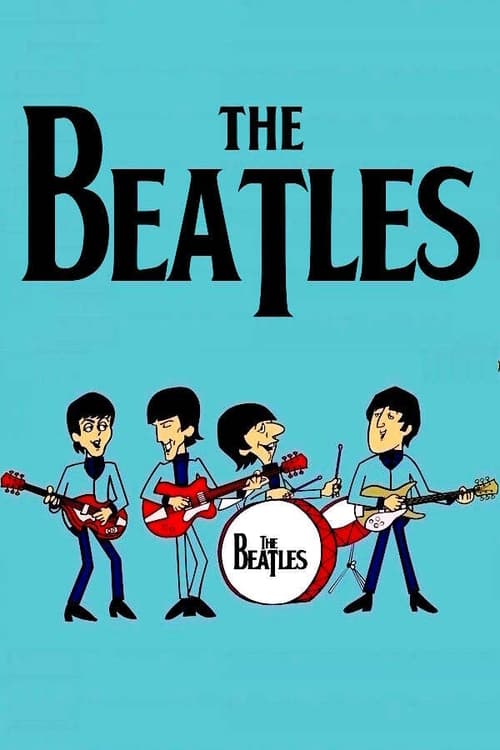
The Beatles is an American animated television series featuring the fanciful and musical misadventures of the popular English rock band of the same name. It ran from 1965 to 1969 on ABC in the US. The series debuted on September 25, 1965 and ended on September 7, 1969. A total of 39 episodes were produced. The series was shown on Saturday mornings at 10:30 AM EST until the 1967 third season when it was moved to 12:00 PM EST. For the fourth season, which consisted of reruns, the series was shown at 9:30 AM EST on Sunday mornings. Each episode has a name of a Beatles song, so the story is based on its lyrics and it is also played at some time in the episode. The original series was rebroadcast in syndication by MTV in 1986 and 1987 and on the Disney Channel. The series was a historical milestone as the first weekly television series to feature animated versions of real, living people.
The Beatles

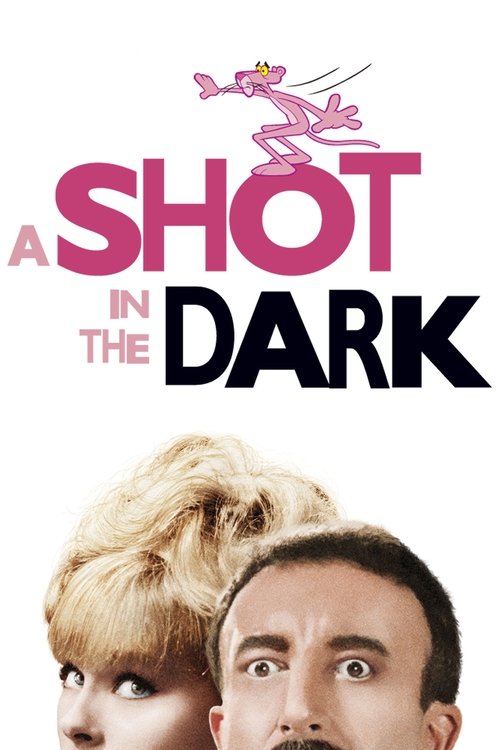
Inspector Jacques Clouseau, smitten with the accused maid Maria Gambrelli, unwittingly turns a straightforward murder investigation into a comedic series of mishaps, testing the patience of his irritable boss Charles Dreyfus as casualties mount.
A Shot in the Dark

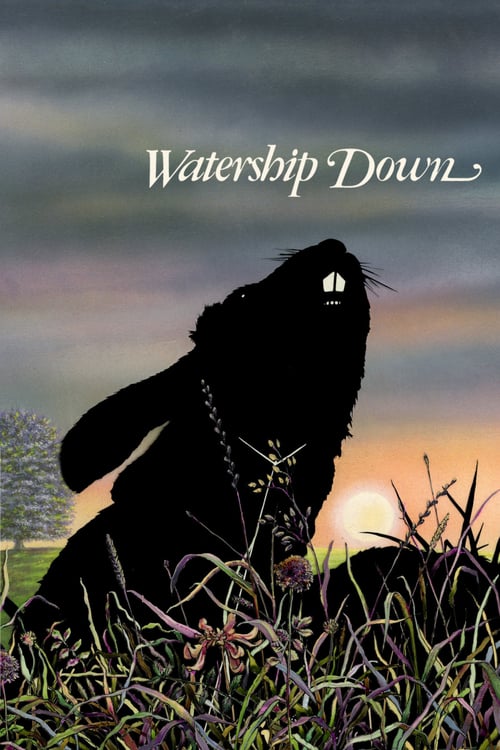
When the warren belonging to a community of rabbits is threatened, a brave group led by Fiver, Bigwig, Blackberry and Hazel leave their homeland in a search of a safe new haven.
Watership Down

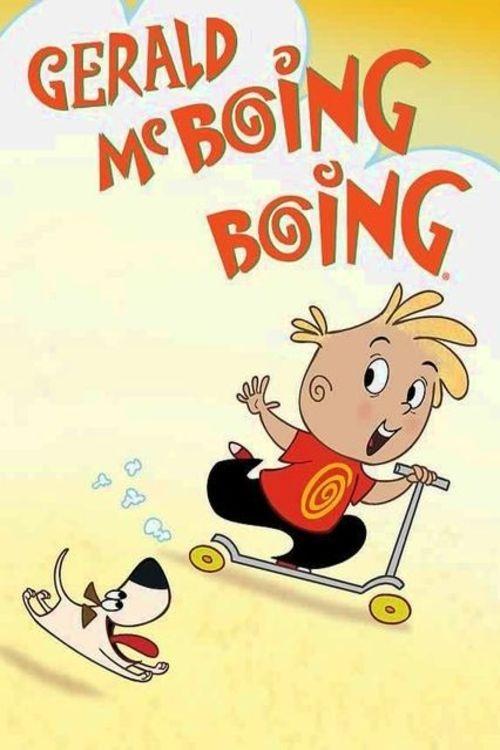
No description available.
The Gerald McBoing-Boing Show

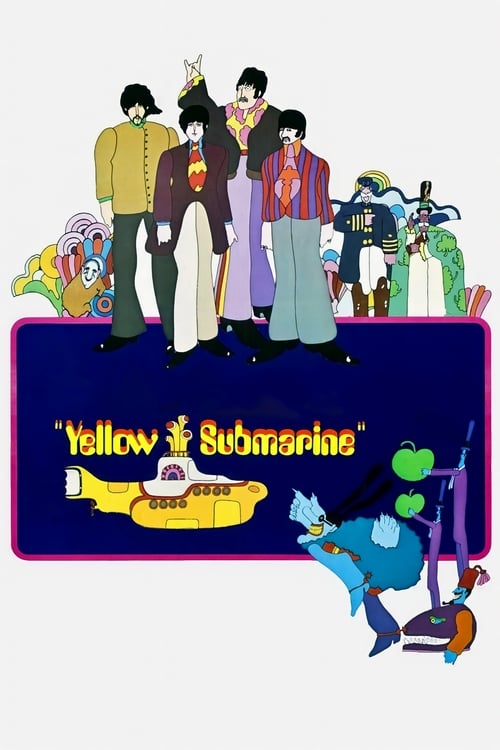
The wicked Blue Meanies take over Pepperland, eliminating all color and music. As the only survivor, the Lord Admiral escapes in the yellow submarine and journeys to Liverpool to enlist the help of the Beatles.
Yellow Submarine

Camera Three is an American variety show devoted to the arts. It ran on CBS from January 22, 1956 to January 21, 1979, and moved to PBS in its final year to make way for the then-new CBS News Sunday Morning. The PBS version ran from October 4, 1979 to July 10, 1980. Camera Three featured programs showcasing drama, ballet, art, music, anything involving fine arts. One of its most notable presentations was a condensation of Marc Blitzstein's leftist opera The Cradle Will Rock. Presented on November 29, 1964, it was a dramatic demonstration of how far television had come since its early days, in its willingness to present a work that surely would have been banned from the airwaves during the era of Joseph McCarthy.
Camera Three
An animated safety film adapts the nursery rhyme "Three Blind Mice" into a song where the mice are factory workers who disregard safety rules and wind up injuring themselves.
The Three Blind Mice

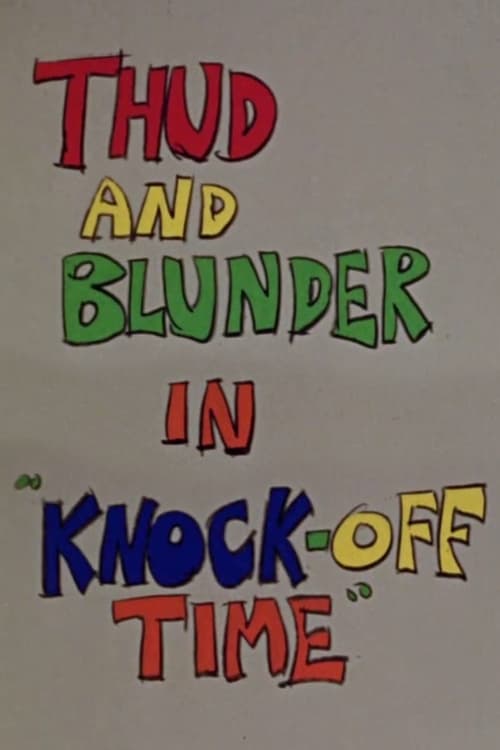
Thud and Blunder learn what not to do while in a coal mine.
Thud and Blunder in "Knock-Off Time"

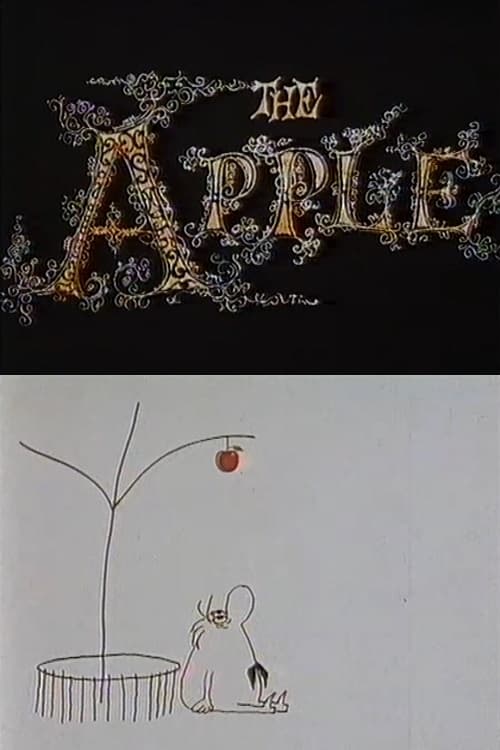
A man's repeated attempts to retrieve an apple off a high tree branch all prove fruitless. What does he want the apple for? That would be telling.
The Apple

Anti-drug film set in Harlem.
The Maggot

Short documentary on the making of 'Yellow Submarine'
The Beatles Mod Odyssey
Charley has the knack of turning into any conceivable thing, and he does this all the time to keep his pet cat amused.
Charley
This triple screen animated short was one of the films screened at the revolving theatre in the Canadian Pavilion at Expo 67. This was later shown at the Odeon Theatre, Leicester Square in London. The theatre's projectors had to be unbolted from the floor and moved to properly screen the film. The Canadian Pavilion at HemisFair '68, in San Antonio, Texas, also featured this film. It presents Canada’s English, Scottish and French colonial settler heritages, but notably excludes any Indigenous participation in the formation of the nation. Each identity is enacted through an upright piano engaged in a discordant, dueling piano cacophony.
Canada Is My Piano

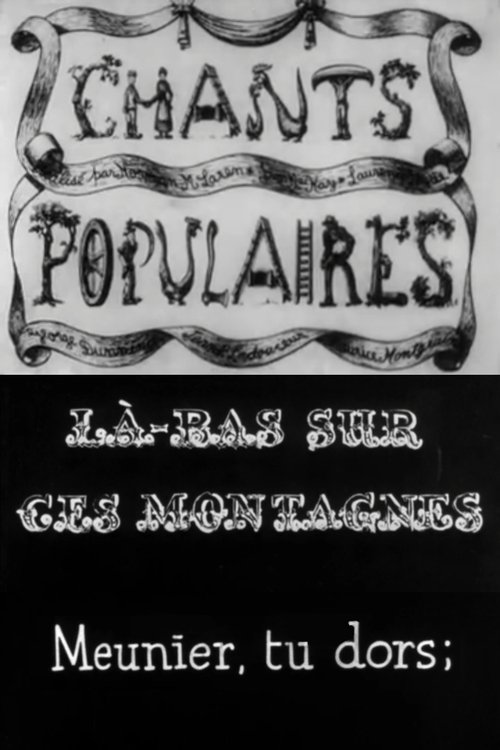
"Là-bas sur ces montagnes" was illustrated using photographed drawings presented in an old frame and "Meunier tu dors" with cut-out paper puppets with interchangeable limbs.
Chants populaires nº 3

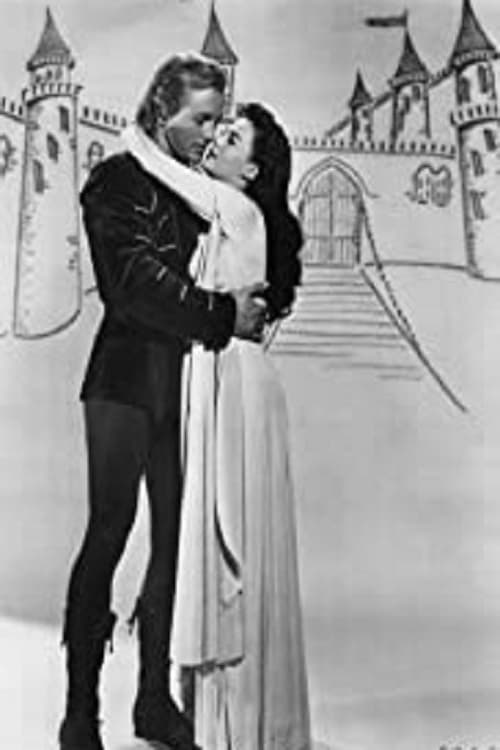
Colourful puppets illustrate the old French song about Cadet Rousselle, who falls down a ladder, who trips on battlements, and whose dogs will not obey him. The animated figures carry our hero through his predicaments with colour and verve.
Cadet Rousselle

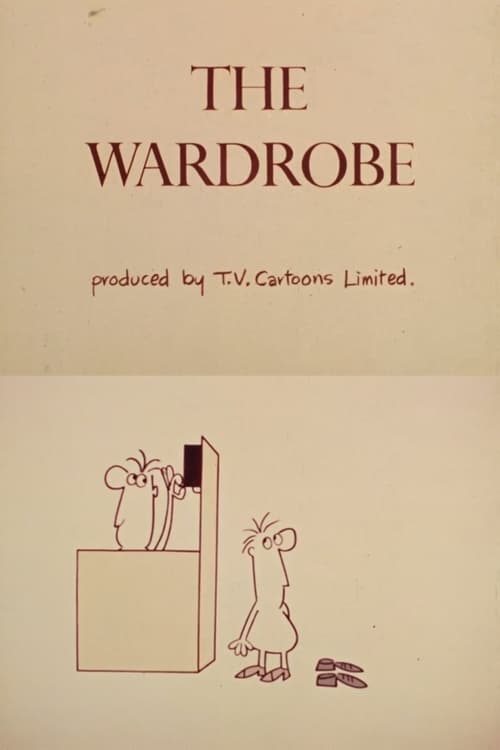
Cartoon: a man takes off his shoes and climbs into a wardrobe, Another man appears, tries to communicate, and finally steps into a wardrobe; noises; the first man climbs out wearing another pair of shoes, leaving the second man with the old pair.
The Wardrobe

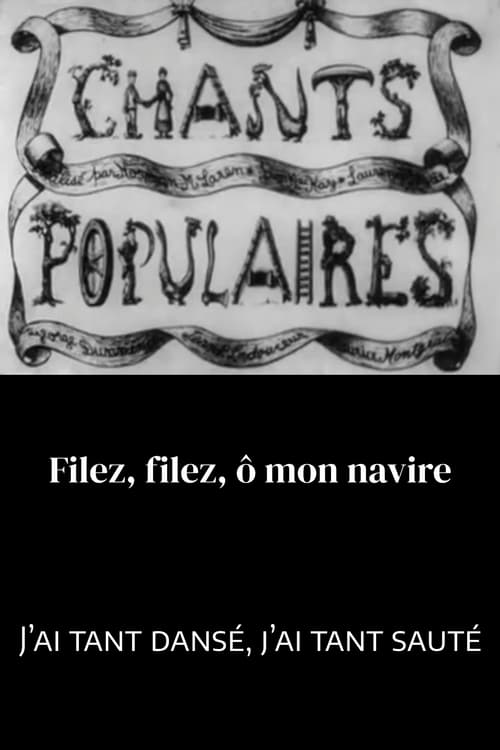
We illustrated "Filez, filez, ô mon navire" in charcoal and "J'ai tant dansé, j'ai tant sauté" with cartoons on celluloid plates, using Walt Disney's technique.
Chants populaires nº 4

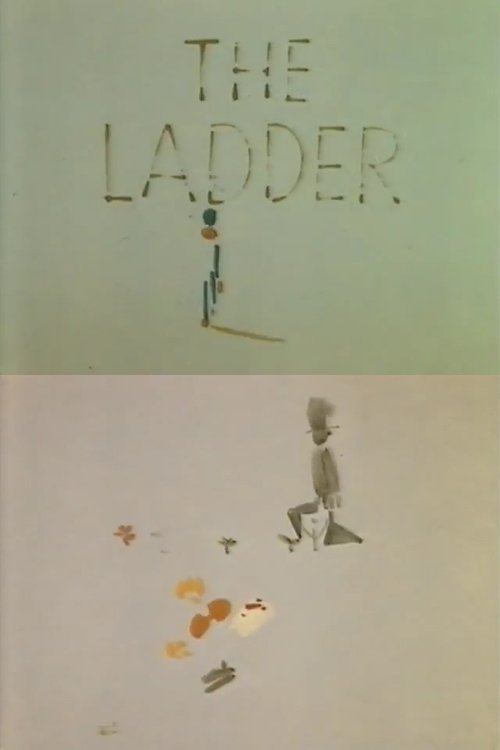
The eternal human comedy in the free and lyrical manner of the author of "The Flying Man".
The Ladder

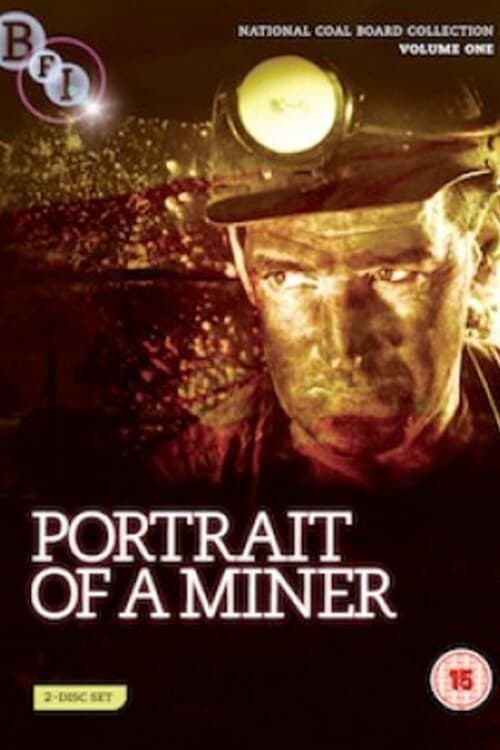
Part of BFI's "National Coal Board Collection".
Hands, Knees and Bumps a Daisy

A humorous depiction of farm animals' need for proper fodder, Grim Pastures shows a horse and a cow both racing for the same bit of grass. The distracted beasts end up with sandwich boards with slogans imploring farmers to raise more fodder.