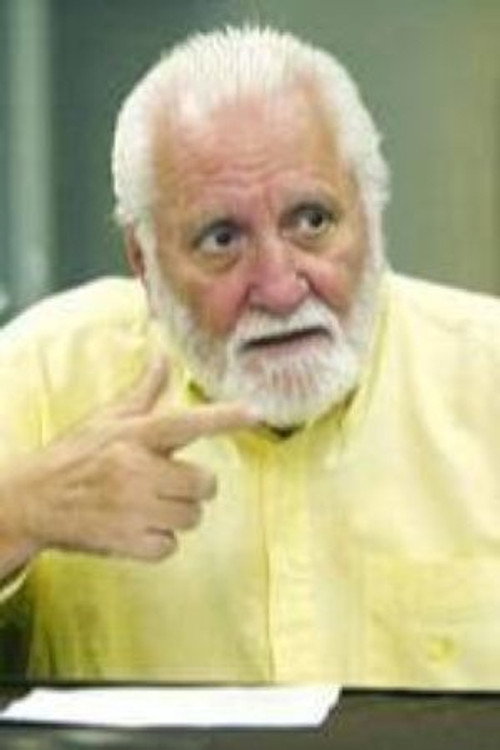
Ernesto Malbrán
Acting
Biography
Ernesto Fernando Malbrán Vargas (Santiago, Chile, December 25, 1932 – Norway, October 25, 2014) was a Chilean actor, theater and film director, teacher, playwright, and writer. He earned a degree in Literature from the University of Chile and pursued postgraduate studies in the United States at the Yale School of Drama and the Actors Studio with Lee Strasberg. He taught seminars, courses, and workshops on various topics related to literature and drama. A distinguished film actor, he worked in Germany, Norway, Spain, Colombia, and Chile. He was also one of the founders of La Mancha, an international school of gesture and image, located in El Arrayán, Santiago, Chile.
Known For

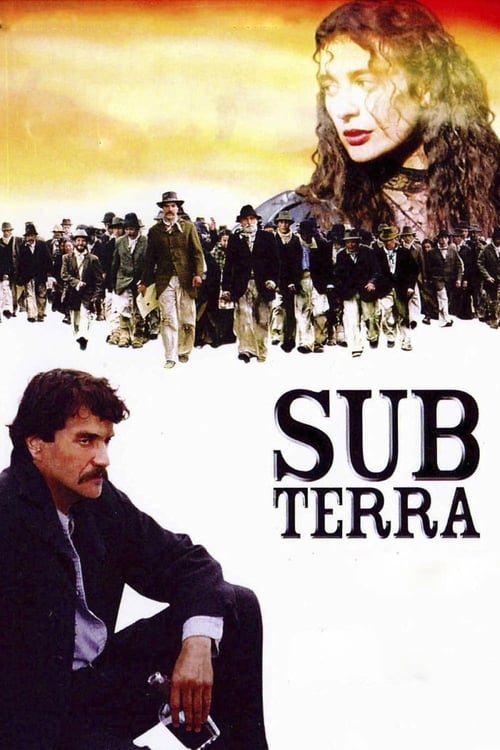
Lota, 1897. In the depths of the largest coal mine in the world, a great rebellion is brewing inside a man's heart.
Sub terra

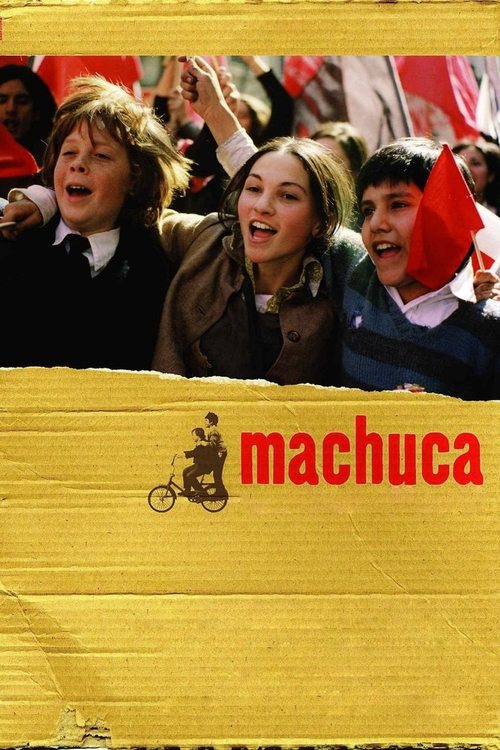
Santiago, capital of Chile during the Marxist government of elected, highly controversial president Salvador Allende. Father McEnroe supports his leftist views by introducing a program at the prestigious "collegio" (Catholic prep school) St. Patrick to allow free admission of some proletarian kids. One of them is Pedro Machuca, slum-raised son of the cleaning lady in Gonzalo Infante's liberal-bourgeois home. Yet the new classmates become buddies, paradoxically protesting together as Gonzalo gets adopted by Pedro's slum family and gang. But the adults spoil that too, not in the least when general Pinochet's coup ousts Allende, and supporters such as McEnroe.
Machuca

A group of tenants facing eviction due to a city renovation unite to fight back, but as they clash with the landlord and his ruthless attorney, they each transform into the opposite of who they once were.
The Strategy of the Snail

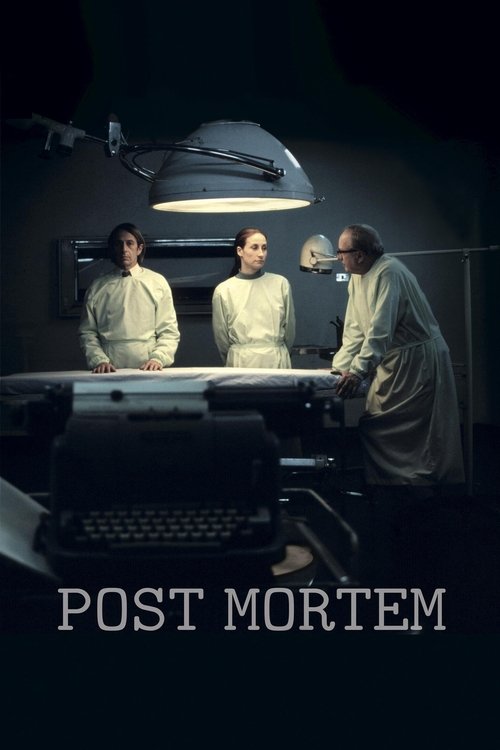
In Chile, 1973, during the last days of Salvador Allende's presidency, an employee at a Morgue's recording office falls for a burlesque dancer who mysteriously disappears.
Post Mortem

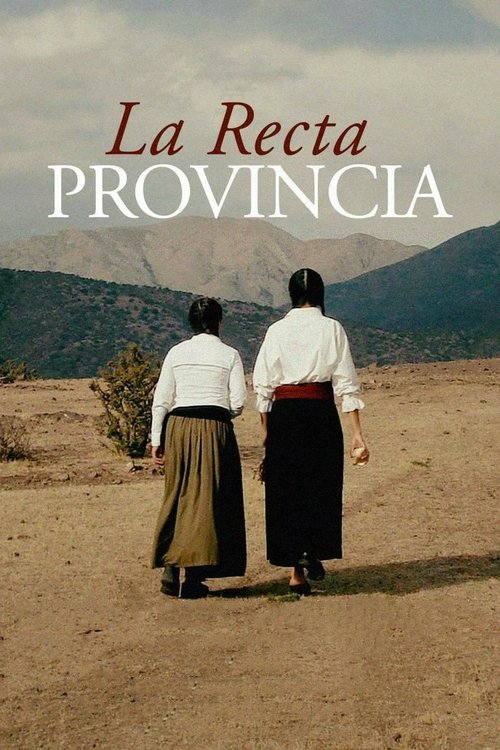
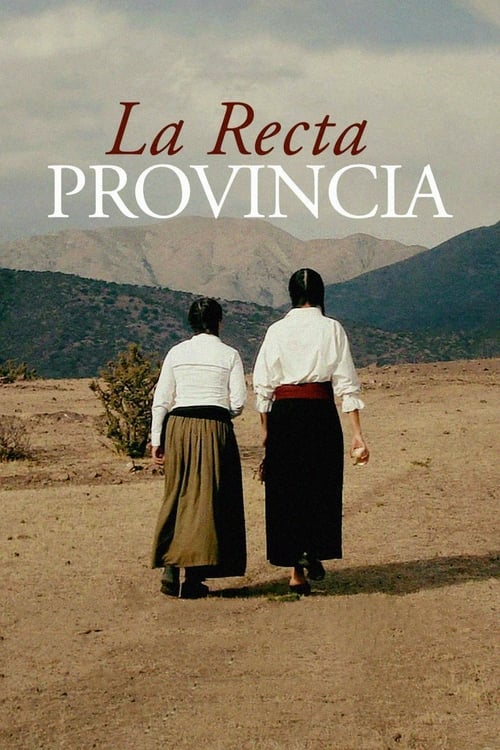
This was a man. He lived with his mother. He cared a manor house in the countryside of Chile. One day the man found a bone in the garden. The bone was bored. That was a bone flute. The man with the flute music play. And music song became. The voice of the song begging to seek the other bones of his scattered body. The man and his mother were in those ways of God and hell, looking for the bones that make up the skeleton of that Christian. And give him a Christian burial. And they saw what they saw, they lived what they lived. Many stories lived. And although they did not tell anyone, others told them.
La Recta Provincia

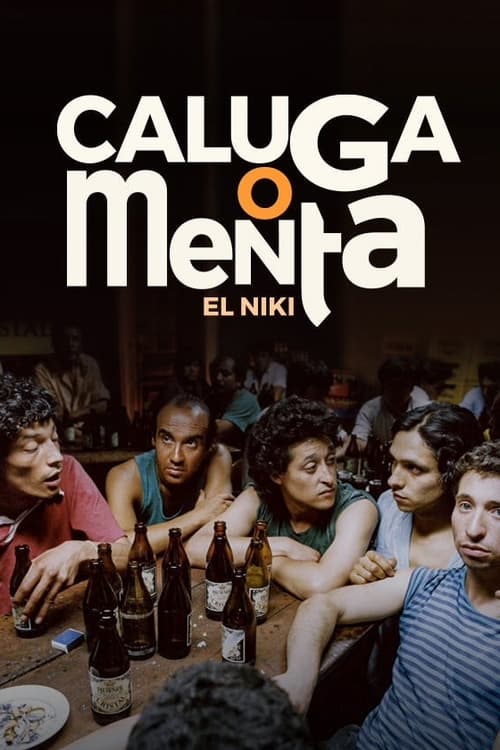
Niki and his friends are members of the marginalised underclass living on the outskirts of Santiago. During Chile's transition from dictatorship to democracy (1988-1990), they forge a path from drug- and drink-fuelled nihilism and petty crime into the world of market-driven illegality and Niki begins a seemingly predestined relationship with the middle-class "loca", Manuela. Memorable episodes and characters, quotable dialogue and a mix of earthy national portrait and surrealistic flourish make this one of the key Chilean films of the Nineties.
Caluga o Menta
A second-class saxophonist's failures makes him fall into the nocturnal underworld, and eventually in jail. There he meets a manipulative and perverse mobster who senses the man's successful wife could be his key to launch a big criminal hit.
Punto rojo

No description available.
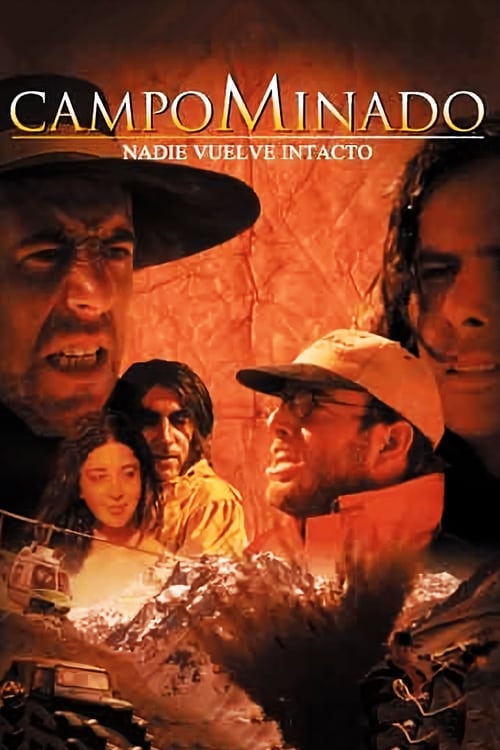
Mine Field

The fatal relationship between Gracia, the teenage daughter of a retired general officer and Gabriel, an outsider who has just come back to his home at the beach with his father, a leftist militant.
Gracia y el Forastero
No description available.
Duni

This was a man. He lived with his mother. He cared a manor house in the countryside of Chile. One day the man found a bone in the garden. The bone was bored. That was a bone flute. The man with the flute music play. And music song became. The voice of the song begging to seek the other bones of his scattered body. The man and his mother were in those ways of God and hell, looking for the bones that make up the skeleton of that Christian. And give him a Christian burial. And they saw what they saw, they lived what they lived. Many stories lived. And although they did not tell anyone, others told them.