Directing
Aucune description disponible.
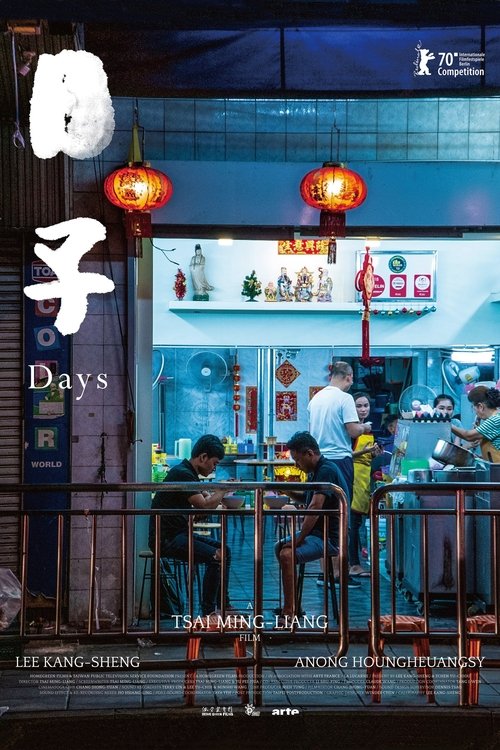
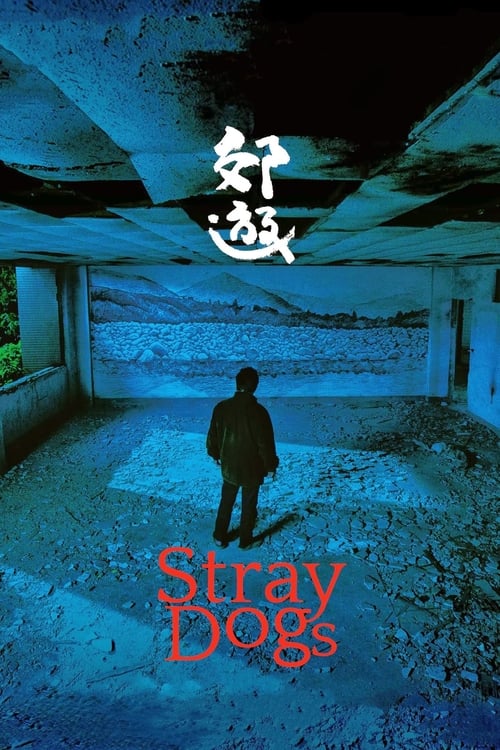
Kang souffre depuis des années d’un mal étrange qui affecte son cou et l'oblige à ralentir ses mouvements et à s'incliner. Il est dans une quête inlassable pour trouver le traitement qui soulagera les lancinantes douleurs qui meurtrissent son corps. Prêt à toutes les expériences, il cherche l’apaisement entre des mains expertes. Anong, un jeune Loatien immigré à Bangkok, est, lui, en quête d'un travail journalier qui ne nécessite pas d'être déclaré. Murés dans leur solitude, centrés sur leurs combats, les deux hommes se rencontrent l'espace d'une nuit dans une chambre d'hôtel. Leurs caresses, leurs étreintes seront un répit dans leur désespoir quotidien.
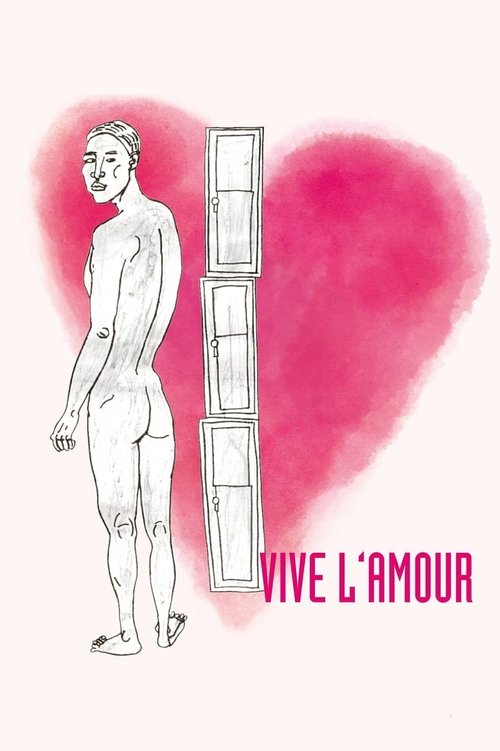
Kan-sheng passe son temps à déambuler dans les rues de Taipei à pied ou en mobylette. Un jour, alors qu'il circule exceptionnellement dans le taxi de son père, il remarque un jeune homme à moto. Ce dernier, agacé par les coups de klaxon de son père, casse le rétroviseur de la voiture. Kang-sheng le retrouve quelque temps plus tard et le suit. S'ensuit une fascination progressive de Kan-sheng pour ce jeune homme et sa petite amie.
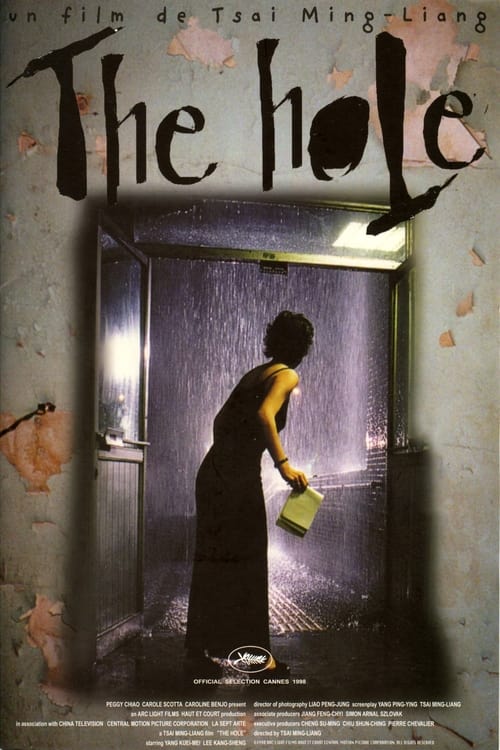
Taiwan, à l’aube du 21ème siècle, dans un environnement totalement pollué où la pluie ne cesse de tomber, l’île est en proie à une épidémie dont la cause est inconnue. Un homme et une femme sont voisins dans un HLM abandonné qui vient juste d’être déclaré zone sinistrée. Un jour un plombier vient pour arranger une fuite dans l'appartement de Hsiao Kang. Il fait un trou dans le sol, promet de revenir le jour d’après et ne réapparaît plus. Le trou donne aux deux voisins l’occasion de s’épier. Entre eux se forme un lien étrange. La femme rêve qu’elle danse et chante sur des musiques de Grace Chang. Parfois l’homme se joint à elle. Un jour, elle tombe malade...
Hsiao-kang travaille dans les pompes funèbres. II vend des niches de colombariums, destinées aux cendres des morts. Mei est agente immobilière. Elle vit seule dans un petit appartement. Ah-jung vend des vêtements pour femmes dans la rue, la nuit, en face d'un grand magasin. Par une nuit d'hiver, ils s'introduisent tous les trois dans un appartement vide, au cœur de Taïpei. Ils sont ensemble. Ils sont seuls...
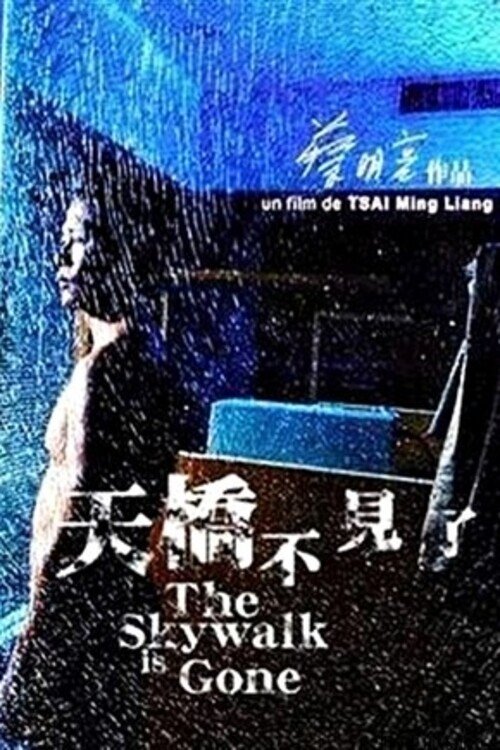
Taipei, capitale bouillonnante ultra-moderne de Taïwan. Une jeune femme désorientée errant à la recherche d’un pont au-dessus d’une artère encombrée croise un jeune homme qui se rend à un casting de film porno. Leur lien ? Aucun, sinon le hasard.
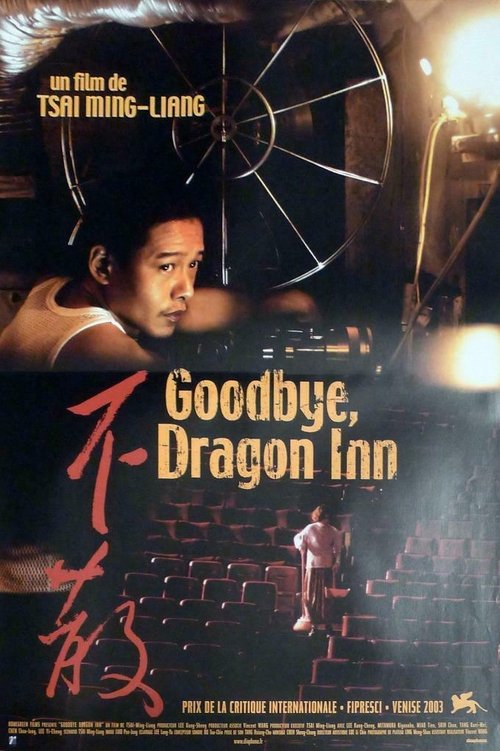
Dernière séance avant que cette salle de cinéma ferme ses portes pour toujours. Un jeune homme d'origine japonaise entre à l'intérieur du cinéma pour se protéger de la pluie. L'ouvreuse infirme et le projectionniste n'ont jamais eu l'occasion de se rencontrer bien qu'ils travaillent tous les deux dans le même cinéma. Puisque cette nuit est leur dernière chance, la jeune femme a envie de partager son fortune cake avec le beau projectionniste. Mais quand elle se rend dans la cabine de projection, il n'est pas là. Elle refuse de quitter cet endroit avant de l'avoir revu. Elle se met alors à sa recherche dans le dédale du cinéma. Sur l'écran géant passe Dragon inn, un film d'épée chinois à succès des années 60. L'homme japonais remarque deux individus dans la salle qui ressemblent aux acteurs du film. Plus âgés, assis dans ce cinéma vide, ils regardent et se remémorent...
Film anniversaire réalisé à l'occasion des 60 ans du Festival de Cannes. 34 cinéastes, issus de 25 pays, ont réalisé chacun un court métrage de 3 minutes autour du thème de la salle de cinéma.
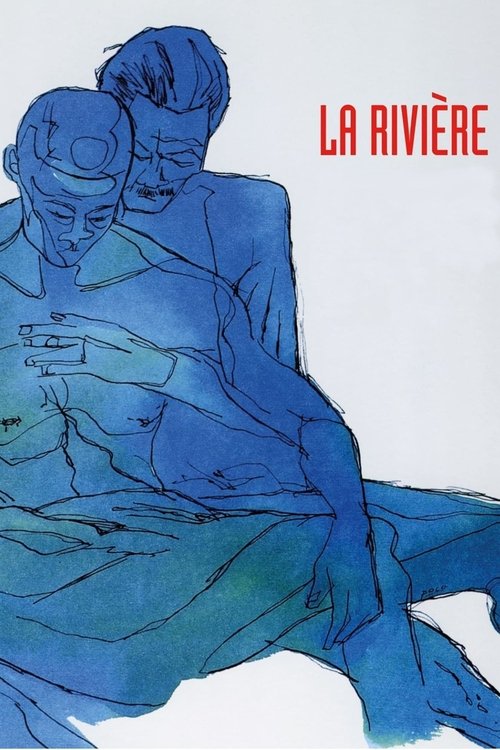
Xiao-Kang, un jeune homme desoeuvré, accompagne une amie sur le tournage d'un film. La réalisatrice y filme une scène où un cadavre flotte dans un fleuve pollué. Mécontente du mannequin utilisé, elle demande au jeune homme de le remplacer. Il accepte. Le lendemain Xiao-Kang ressent de violentes douleurs dans la nuque et aux épaules. Rien ne le soulage, la douleur s'amplifie et il est sur le point de devenir fou.
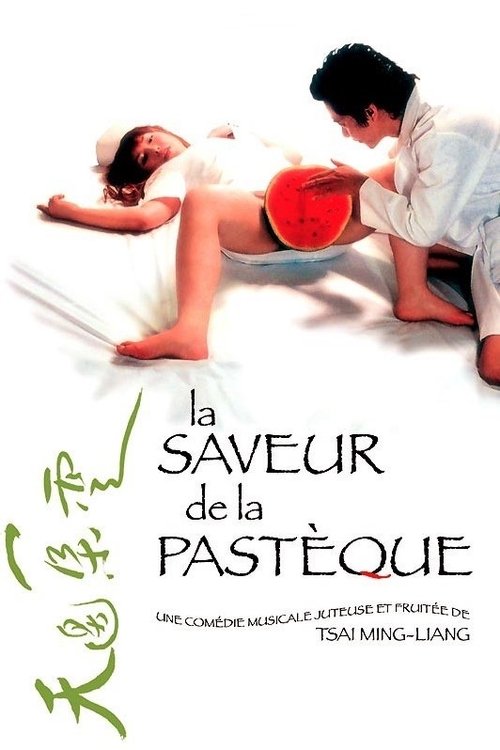
La sécheresse est telle à Taïwan que la population est invitée à remplacer l'eau par le jus de pastèque. Elle, c'est en volant l'eau des toilettes publiques qu'elle subsiste. Lui, c'est en montant sur les toits, la nuit tombée, qu'il tente de se rafraîchir en se baignant dans les citernes d'eau de pluie. Solitaires, assoiffés, épuisés par la chaleur et le désir, ils se retrouvent pour mieux se perdre dans l'excitation torride et la saveur de la pastèque.
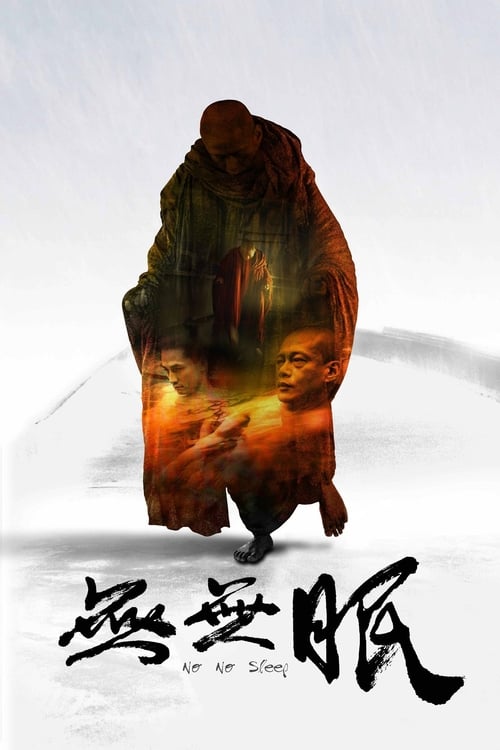
Aux petites heures de l'hiver, un train de nuit traverse une ville qui ne dort jamais. C'est un panorama du voyage d'un moine bouddhiste à travers Tokyo la nuit. Il s'arrête également dans les bains d'un hôtel-capsule, où il fait une brève rencontre.
Un réalisateur Taïwanais est invité à tourner l'histoire de Salomé au Musée du Louvres. Malgré sa réputation, il tient absolument à confier le rôle du roi Hérode à Jean-Pierre Léaud. Pour donner à ce film au budget modeste une chance au box office, la production s'est résolue à confier le rôle de Salomé à une star de renommée internationale. Mais dès le début du tournage, les problèmes s'accumulent...
Un père et ses deux enfants vivent en marge de Taipei, entre les bois et les rivières de la banlieue et les rues pluvieuses de la capitale. Le jour, le père gagne chichement sa vie en faisant l’homme sandwich pour des appartements de luxe pendant que son fils et sa fille hantent les centres commerciaux à la recherche d’échantillons gratuits de nourriture. Un soir d'orage, il décide d'emmener ses enfants dans un voyage en barque.
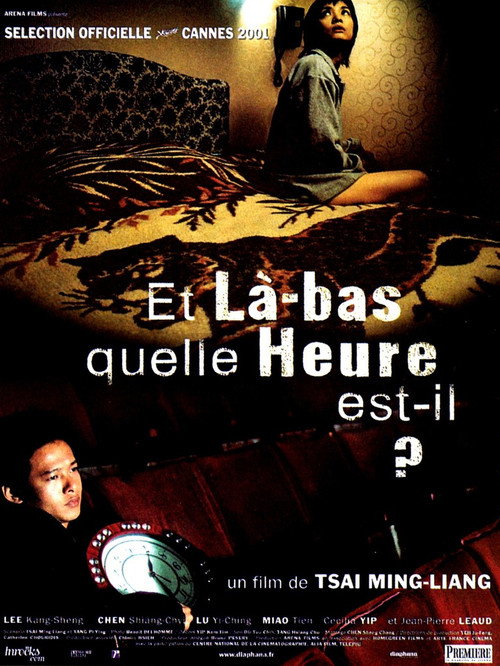
Lorsqu'un jeune marchand ambulant à la vie de famille lugubre rencontre une femme en route pour Paris, ils établissent une connexion instantanée. Il change toutes les horloges de Taipei à l'heure française, en regardant Les 400 Coups de François Truffaut ; elle fait une étrange rencontre avec sa star vieillissante, Jean-Pierre Leaud.
Enrico Ghezzi invite une personnalité à s'exprimer sur le 11 Septembre 2001.
Portrait de l'acteur légendaire Jean-Pierre Léaud, icône de la Nouvelle Vague française et étroitement lié à l'œuvre de François Truffaut et de Jean-Luc Goddard.