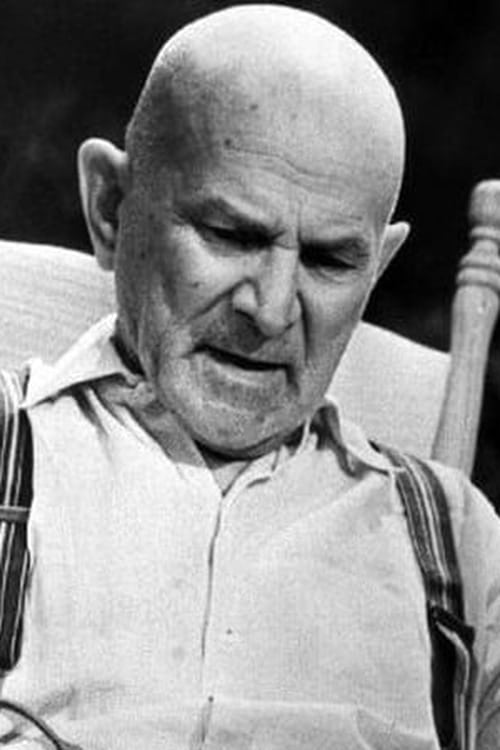
Kazimierz Opaliński
Acting
Biography
Kazimierz Opaliński (22 February 1890 – 6 June 1979) was a Polish stage and film actor. He appeared in more than forty films between 1936 and 1975. From Wikipedia, the free encyclopedia
Known For

Polish Fanfan, the first Polish series from the "cloak and dagger" - written about the "black cloud" in the press of the 70's. Axis of the plot became a dramatic episodes of the struggle for the maintenance of the Polish Prussia. They remained in feudal depending on the Republic from 1525, when Albrecht Hohenzollern secularized religious state and filed in Krakow tribute to the Polish king.
Clouds of War

No description available.
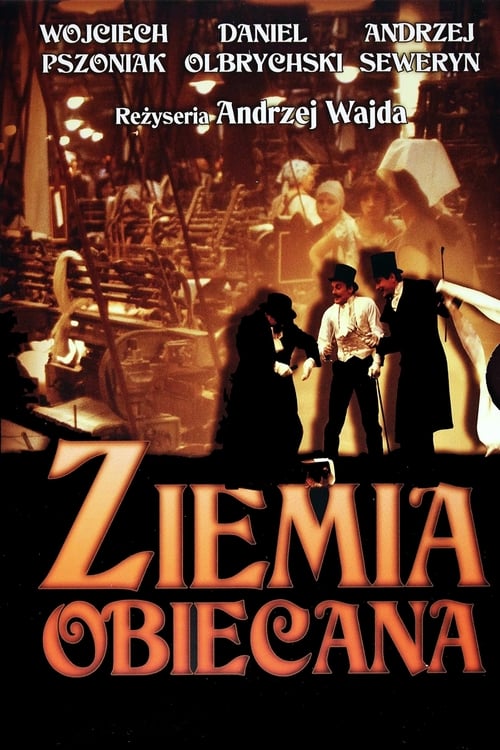
Ziemia obiecana

Set in the Kalisz Region in the second half of the 19th century after the failure of the January Uprising in 1863, the miniseries presents a unique portrait of an oppressed society as told through the life of the Niechcic family.
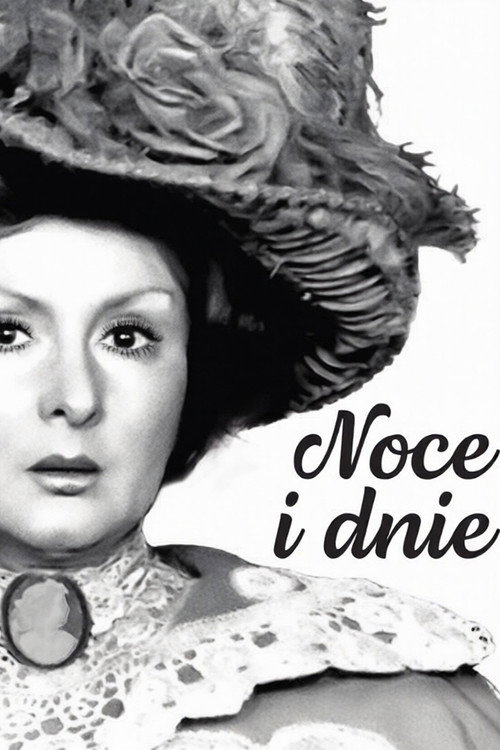
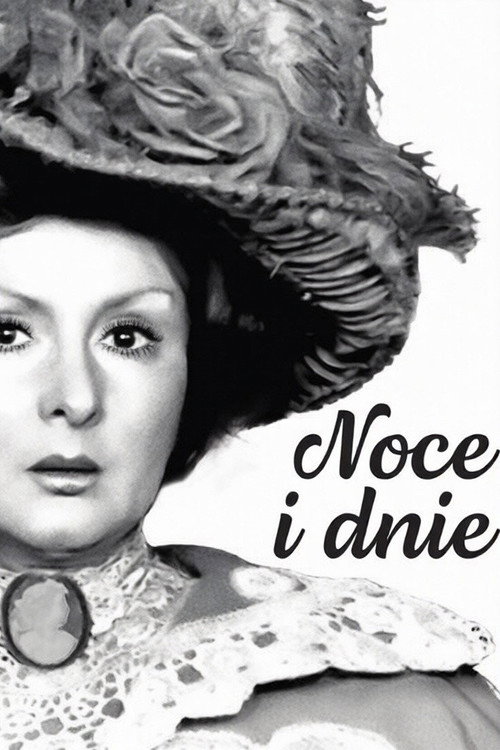
Nights and Days

In nineteenth-century Łódź, Poland, three friends want to make a lot of money by building and investing in a textile factory. An exceptional portrait of rapid industrial expansion is shown through the eyes of one Polish town.
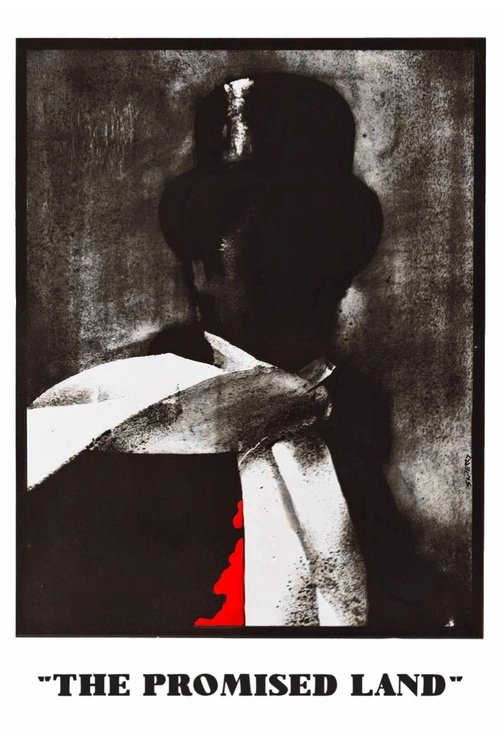
The Promised Land

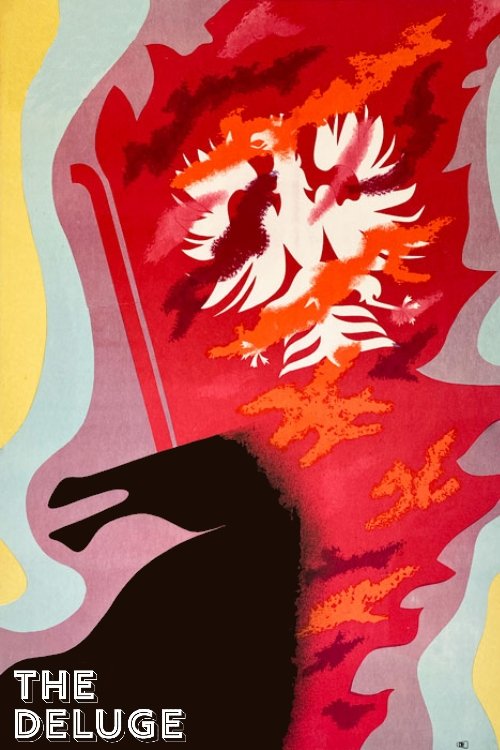
During the Swedish invasion of Poland, the brave warrior Andrzej Kmicic, considered a traitor to the nation, fights for a country, redemption and love across the 17th-century Polish territories.
The Deluge

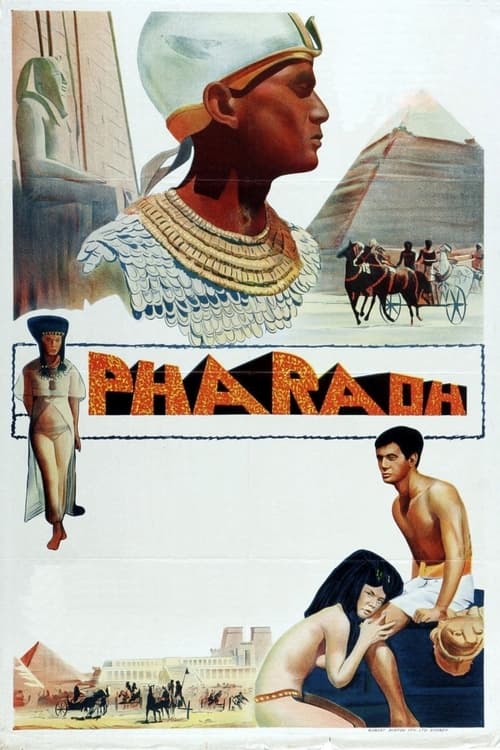
Young Pharaoh Ramses XIII clashes with Egypt's clergy over influence on the affairs of the state and its coffers. inexperienced, but quite ambitious pharaoh is putting up a fight against a powerful clan of priests usurping rule over the country.
Pharaoh

During the Napoleonic wars, a Spanish officer and an opposing officer find a book written by the former's grandfather.
The Saragossa Manuscript

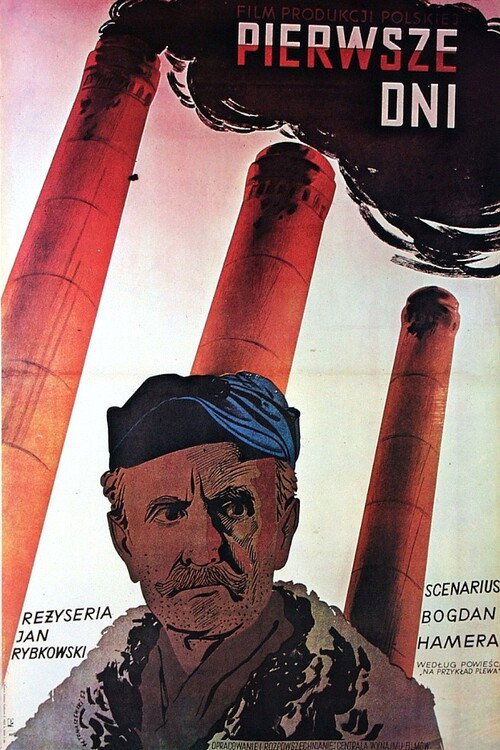
One night in 1950 a passenger train runs over a man, who turns out to be the veteran train engineer Władysław Orzechowski, knows for his old ways and stern demeanor. As the inquiry panel tries to deduce why would a man like Orzechowski jump in front of a moving train several of the people involved in the case are interrogated, each telling their own version of the story. Can the panel arrive at the truth in a world where workers unite, inferior coal is a badge of honor, and the old order is suspect?
Man on the Tracks

To convince the prison warden against releasing him, a middle-aged Polish man recounts his life, one he considers to have been characterized by exceptionally bad luck.
Bad Luck

Set at the turn of the century, the story concerns a Polish poet living in Cracow who has decided to marry a peasant girl. The wedding is attended by a heterogenous group of people from all strata of Polish society, who dance, get drunk and lament Poland's 100-year-long division under Russia, Prussia, and Austria. The bridegroom, a painter friend, and a journalist each in turn is confronted with spectres of Polish past.
The Wedding

1944. Communist militiaman take a post in a little town in the east of Poland. He has to stand against his own men that are not happy with new authorities.
Rok pierwszy

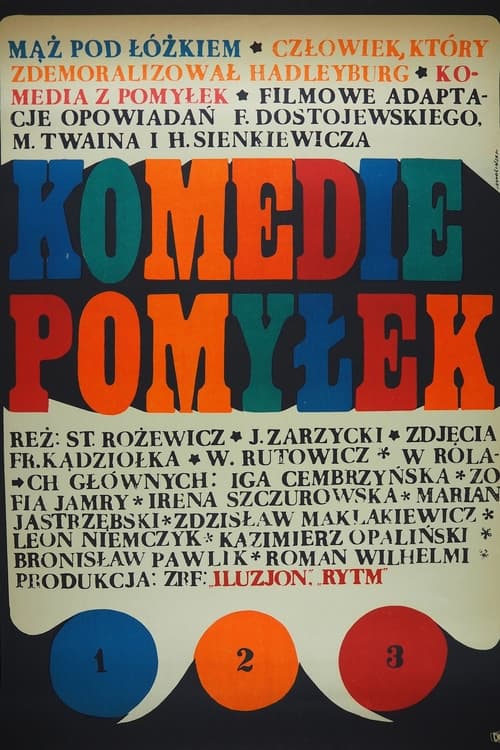
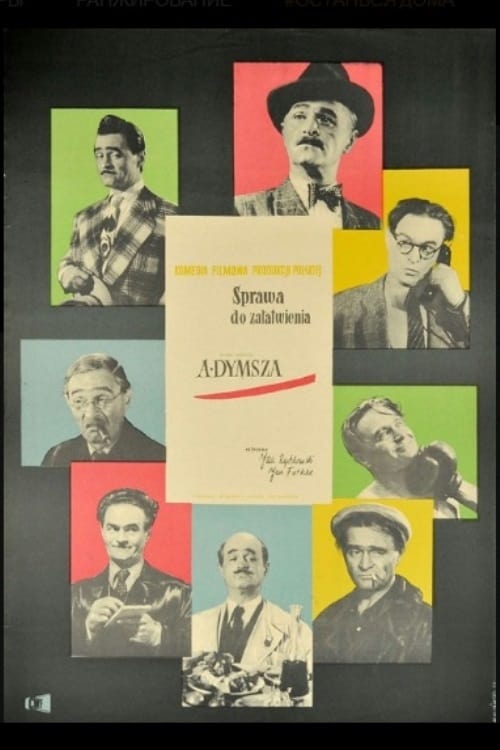
The movie consists of two satirical novels based on the same idea: both the "gangsters" and "philanthropists" end up in the courtroom.
Gangsters and Philanthropists

Five short stories. (1) “Czas przybliża, czas oddala” – Edward recalls his unfulfilled love for Anna and, years later, writes to her sister Zofia, mistaking her for Anna. (2) “Krąg istnienia” – A girl falls for Wacek at an ice rink; pressured by family, she marries a soap manufacturer. (3) “Paryż 1945” – A Polish refugee soldier and an American woman share a fleeting wartime bond before she leaves at dawn. (4) “Stary profesor” – Two men seek an old professor to fulfill a dying prisoner’s last wish; Roger impersonates a former pupil. (5) “Nauczycielka” – Neglected wife Zofia accepts film tests, only to find the director seeks an ordinary woman.
Spóźnieni przechodnie

A young man looking for work in Warsaw has to overcome many hurdles in the world of bureaucracy to finally get employed.
Nowy

In war-ravaged Warsaw, five juvenile delinquents are given probation for stealing, to rehabilitate themselves, but remain under the influence of their profiteer-boss.
Five Boys from Barska Street

A pair of lovers go off to a small hotel in a little town. The memories of war, however, intrude on their idyll. The girl and boy relive certain wartime experiences in flashback. She was a communist who drove a boy loving her to give himself up.
All Souls' Day

Three idealists - a communist secretary, a former RAF pilot and a female political activist - need to face the hardships and accusations of postwar Stalinist years before being finally rehabilitated.
Back to Life Again

An elderly man returns to Poland to find his long-lost son, missing since World War II. In his quest the man is forced to contemplate the elusive and coded nature of truth itself.
The Codes

A family saga of Barbara Ostrzeńska-Niechcic and Bogumił Niechcic against the backdrop of the January Uprising of 1863 and World War I. The film is a rather straightforward and faithful adaptation of a novel by Maria Dabrowska with the same title. The plot is woven around the changing fortunes of a noble (upper-class) Niechcic family in the pre-WWI Poland. There are two main crossing threads: a social history one and an existential one.
Nights and Days

Professor Tutka is a storyteller in little café.