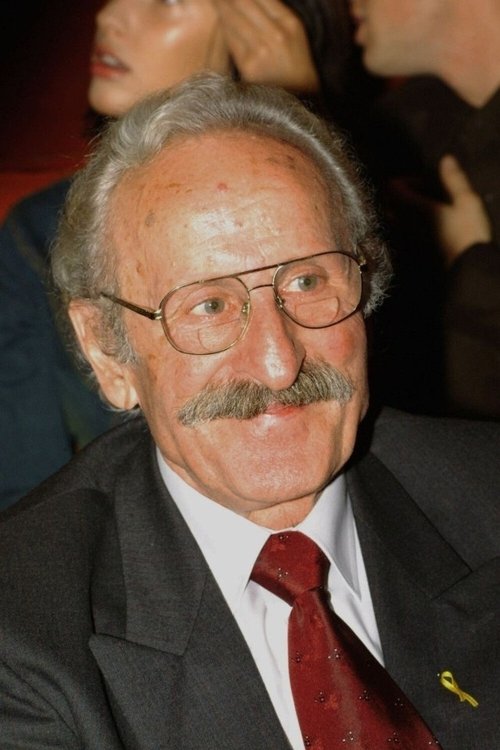
Franciszek Pieczka
Acting
Biography
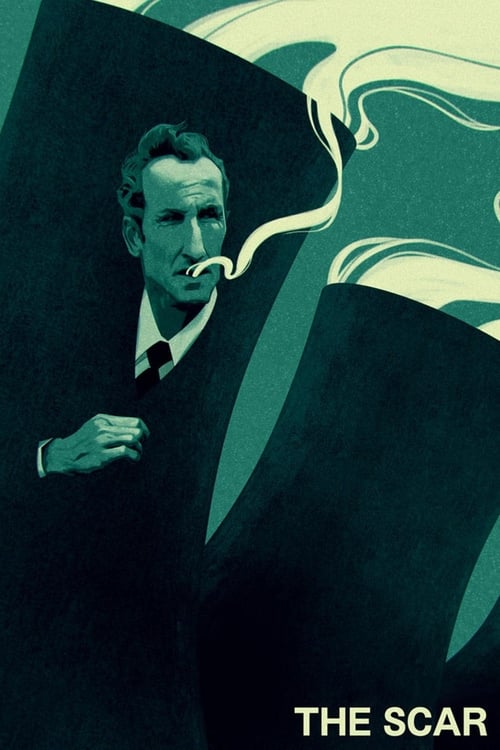
Franciszek Maksymilian Pieczka (18 January 1928 – 23 September 2022) was a Polish actor. A graduate of the National Higher School of Theatre in Warsaw (1954) he first made his debut in the theatre in Jelenia Góra. He won the award for Best Actor at the Polish Film Festival in 1976 for The Scar. He has starred in over a hundred films, both Polish and foreign. He has been awarded and honored many times for his individual roles, as well as his contribution to the development of theater and film art. He is an honorary citizen of the Godów commune. In 2015, he was awarded the Polish Academy Life Achievement Award. Description above from the Wikipedia article Franciszek Pieczka, licensed under CC-BY-SA, full list of contributors on Wikipedia
Known For

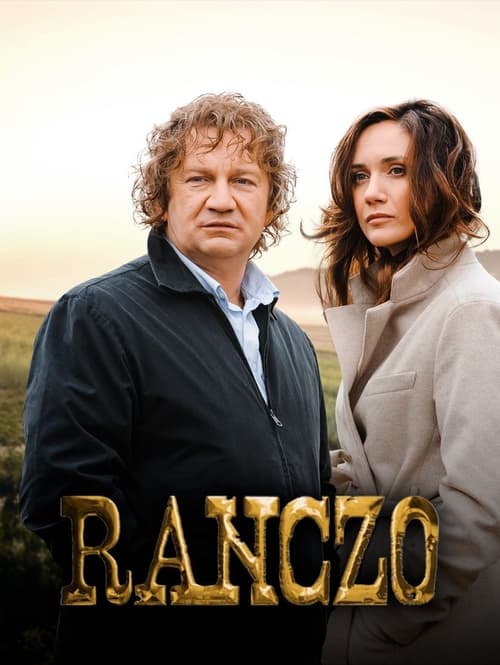
Ranczo ["Ranch"] is a Polish television comedy series, directed by Wojciech Adamczyk, that has aired since March 2006 on TVP1. It follows the story of Lucy Wilska, a Polish-American who has inherited her grandmother's country home in the fictional small town of Wilkowyje. She arrives in Wilkowyje intent on selling the cottage but, after seeing the charm of the village, decides to stay.
Ranczo

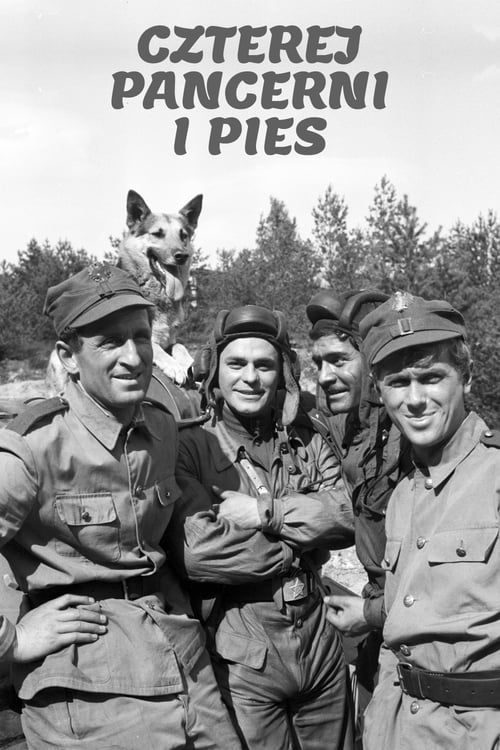
Czterej pancerni i pies was a Polish black and white TV series based on the book by Janusz Przymanowski. Made between 1966 and 1970, the series is composed of 21 episodes of 55 minutes each, divided into three seasons. It is set in 1944 and 1945, during World War II, and follows the adventures of a tank crew and their T-34 tank in the 1st Polish Army. Although both the book and the TV series contain elements of pro-Soviet propaganda, they have achieved and retain a cult series status in Poland, Soviet Union and other Eastern Bloc countries. The T-34 tank Rudy with the identifying number "102", a German Shepherd dog from Siberia Szarik and to a lesser extent the crew Jan Kos, Gustaw Jeleń, Grigorij Saakaszwili, Tomasz Czereśniak, and their commander and mentor Olgierd Jarosz, as well as other heroes of the series, have become icons in Polish popular culture.
Four Tank-Men and a Dog

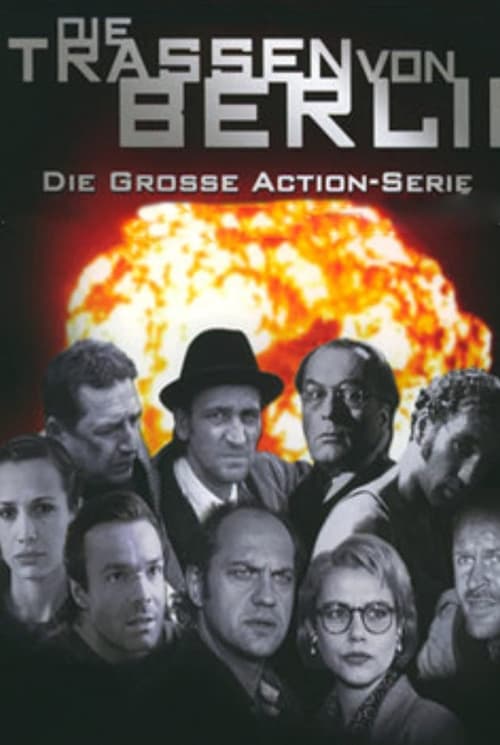
Die Straßen von Berlin is a German television series.
Die Straßen von Berlin

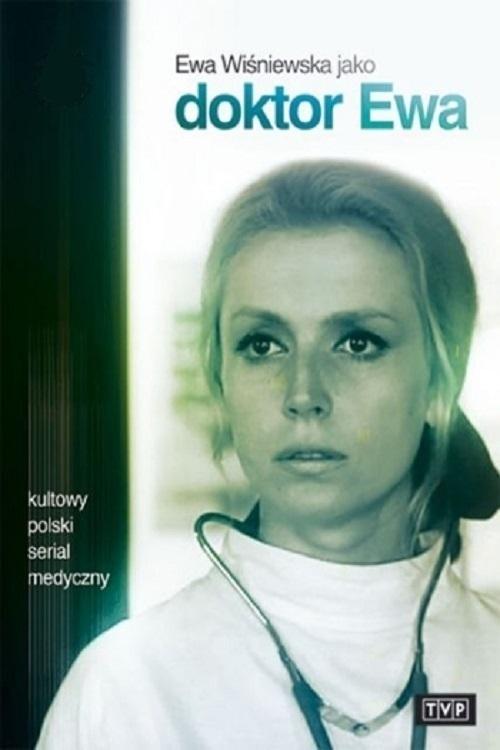
Doctor Ewa Lipska, an attractive young woman just after graduation, with interesting professional prospects for the future, chooses the job of a village doctor. Brought up in a big city, she settles in the small town of Międzybórz in the Łódź Province. She is forced not only to overcome the daily difficulties resulting from medical practice in a rural health center, but also to learn to talk to people of a different mentality and gain the trust of her patients.
Doktor Ewa

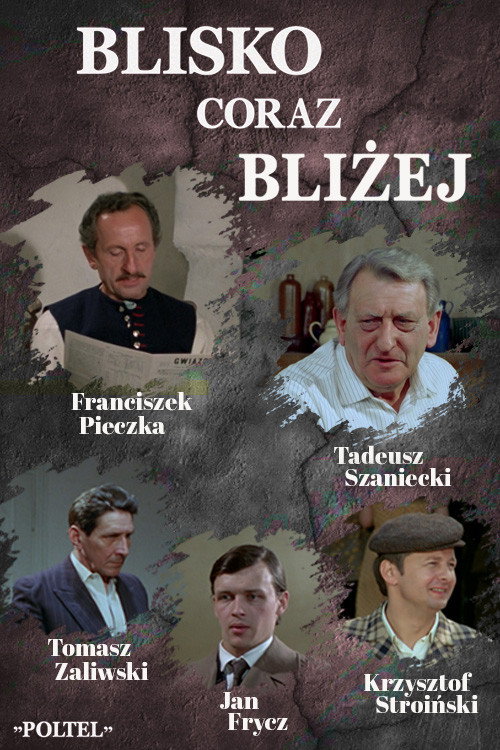
The story stretches from 1863 to 1945. Its main characters are representatives of the Pasternik family, who live in the fictional village of Wielowice near Pszczyna. The protagonist of the first three episodes is Franciszek Pasternik, the following parts tell about the fate of his many children and even more grandchildren. The viewer follows their history against the backdrop of great changes and historical events that influenced the lives of Silesian Poles. So there is the Kulturkampf, Prussian rugi, the revolution of 1905, World War I and the Silesian Uprisings.
Blisko, coraz bliżej

No description available.
Ziemia obiecana

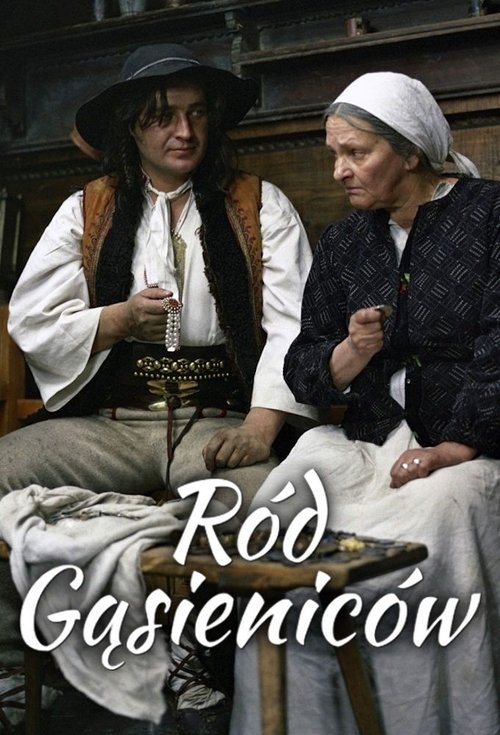
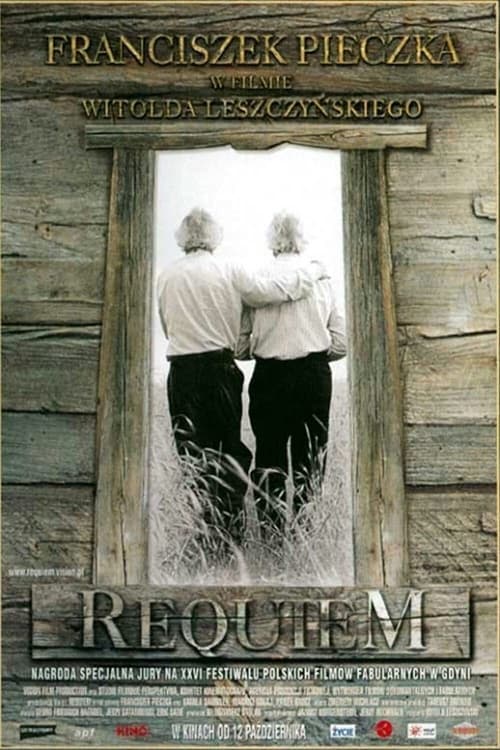
Bartłomiej, community elder and orator, must choose an appropriate successor, but finds difficulty in the aftermath of a local girl's tragic hit-and-run death. A community's pain reverberates through fractured relationships and the burden of funereal responsibility.
Requiem

In nineteenth-century Łódź, Poland, three friends want to make a lot of money by building and investing in a textile factory. An exceptional portrait of rapid industrial expansion is shown through the eyes of one Polish town.
The Promised Land

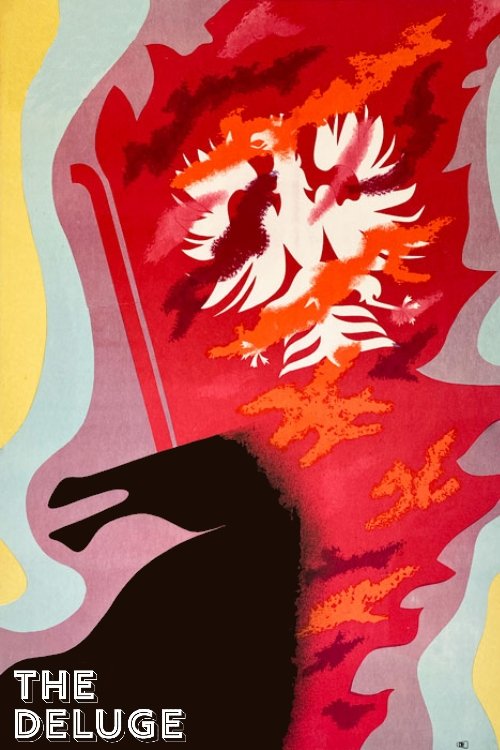
During the Swedish invasion of Poland, the brave warrior Andrzej Kmicic, considered a traitor to the nation, fights for a country, redemption and love across the 17th-century Polish territories.
The Deluge

In this the fourth episode, “Battle of Berlin,” the Soviets start their assault on Berlin, and Stalin negotiates with the other Allies.
Liberation - Part 4 : The Battle of Berlin
No description available.
Quo Vadis

Ancient Rome, during the time of Emperor Nero. Vinicius, a young patrician, falls in love with the beautiful Lygia, the daughter of a Barbarian commander who was killed in battle, and wants her for his concubine. For Lygia, a Christian, being a pagan's concubine is a severe sin and disgrace. However, when Vinicius is wounded, Lygia cares for him, and starts to reciprocate his feelings. Vinicius, in return, becomes interested in Christian learning and asks Apostle Peter to teach him. In the meantime, Emperor Nero accuses Christians of having started a great fire in Rome. He encourages the imprisonment, torture and murder of his Christian subjects.
Quo Vadis

Kaziuk, a stubborn peasant and his pregnant wife live in a backwood village, unaffected by the civilization. The village is once visited by a couple of wanderers, and strange things start to happen afterward. A new schoolteacher is sent to the area. She stirs erotic fantasies in Kaziuk. In a stir of frustration Kaziuk cuts down a family tree - a sacrilegious act in the eyes of his family. Going a step further and using a scythe for cutting the rye instead of a sickle brings the whole village against him.
The Linnet

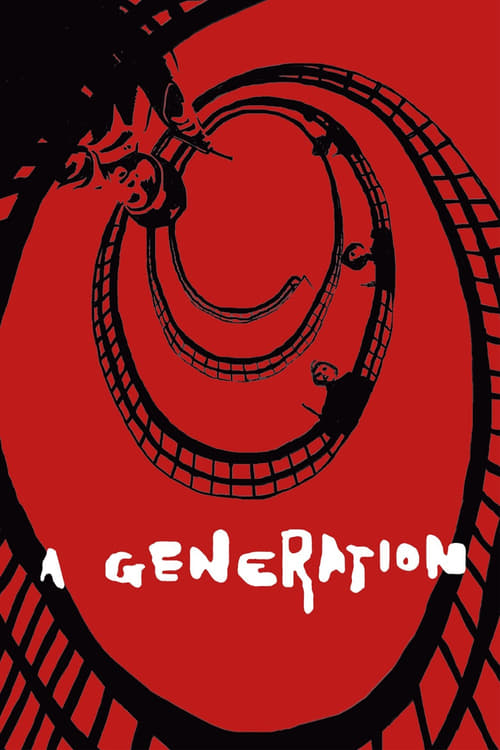
Stach is a wayward teen living in squalor on the outskirts of Nazi-occupied Warsaw. Guided by an avuncular Communist organizer, he is introduced to the underground resistance—and to the beautiful Dorota. Soon he is engaged in dangerous efforts to fight oppression and indignity, maturing as he assumes responsibility for others’ lives. A coming-of-age story of survival and shattering loss, A Generation delivers a brutal portrait of the human cost of war.
A Generation

During a pogrom in Poland on the eve of World War I, a group of Jews seek refuge from the Cossacks. The fugitives hide out in a rural inn, terrified that they may be given away at any moment.
Austeria

A miniseries about a pair of teenagers living in a slum at the fringes of Berlin. Alcoholism, prostitution, and violence are just a few of the themes of the three movies.
The Great Runaway

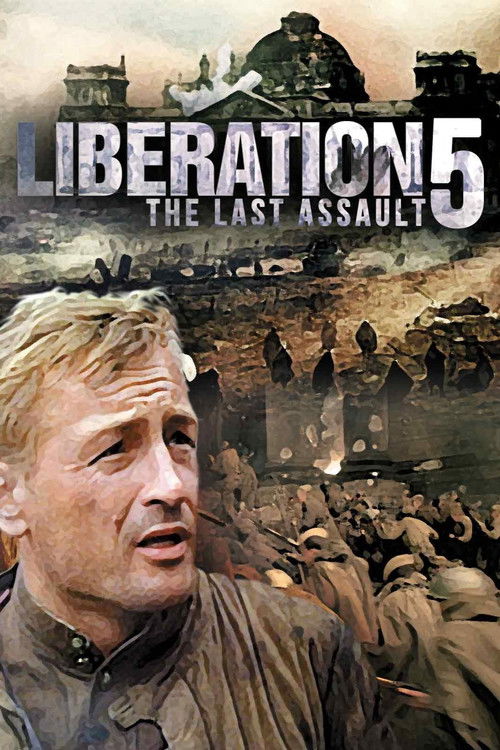
In Berlin, Lieutenant Yartsev's infantry and Tzvetaev's battery fight their way in the U-Bahn. Captain Neustroev's company is selected to hoist the Victory Banner atop the Reichstag.
Liberation - Part 5 : The Last Assault
A deserter returns to his hometown and, with the help of his father, hides in the mountains.
Do domu
Series based on the stories of Jarosław Iwaszkiewicz “Młyn nad Utrata” (1936), “Młyn nad Lutyniu” (1946) and “Młyn nad Kamienna” (1950). The action of the miniseries takes place from 1928 to the 1950s.
Trzy młyny

A young Russian aristocrat, Baron Fyodor Jeremin, volunteers to serve with a Dragon squadron to impress the girl who rejected his love. Just at this time the 1863 insurrection explodes in Poland. He enlists to serve in the army being sent to suppress the revolt. He believes that now it's enough to defeat the Poles, become an officer and hero, get a bunch of medals, and then return and lay all of this at the feet of her beloved. However, the "little Polish war" looks completely different to the way that young Jeremin imagined it to be. In course of time, he learns to be on the wrong side. But there is no escape - he must kill or he will be killed. What's more, he falls in love with a beautiful Polish girl...