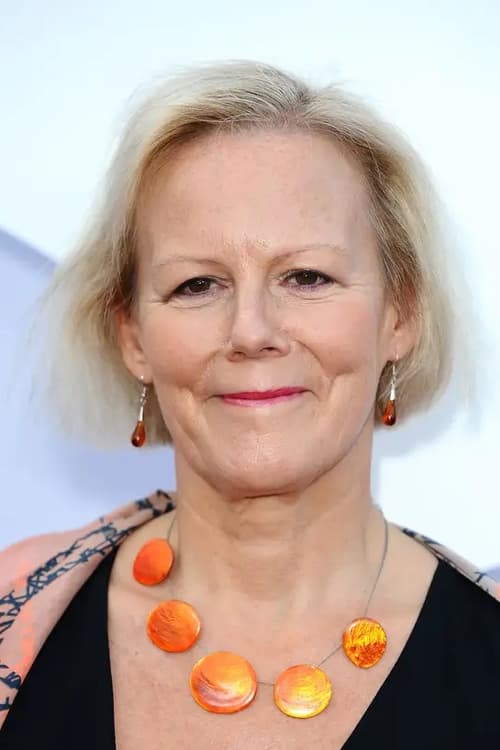
Phyllida Lloyd
Directing
Biography
Phyllida Christian Lloyd, CBE (born 17 June 1957) is an English film director and producer, best known for Mamma Mia! (2008) and The Iron Lady (2011). Her theater work includes directing productions at the Royal Court Theatre and Royal National Theatre, and opera director for Opera North and the Royal Opera House Covent Garden.
Known For

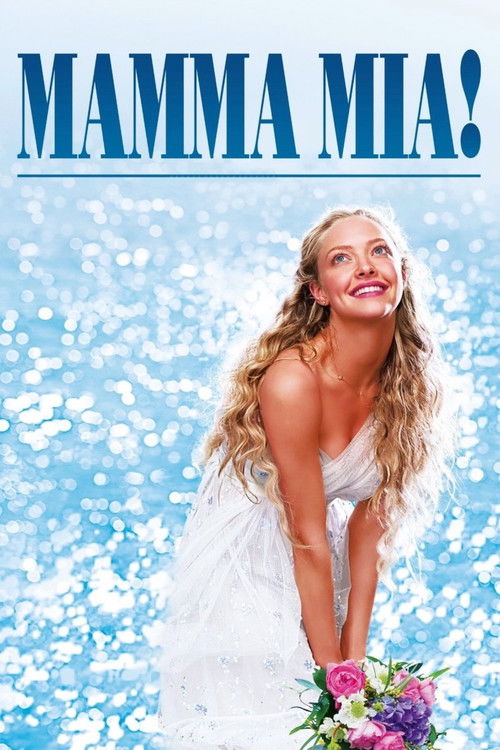
A spirited young bride-to-be living with her single mother on a small Greek island secretly invites three of her mother's ex-boyfriends in hope of finding her biological father to walk her down the aisle.
Mamma Mia!

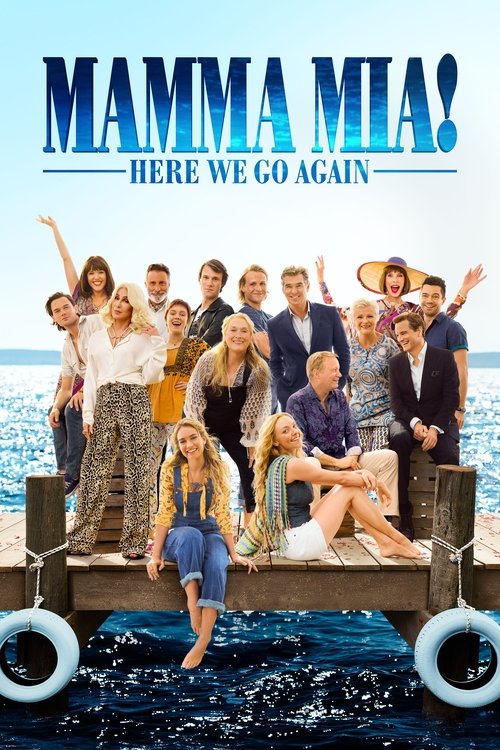
Five years after meeting her three fathers, Sophie Sheridan prepares to open her mother’s hotel. In 1979, young Donna Sheridan meets the men who each could be Sophie’s biological father.
Mamma Mia! Here We Go Again

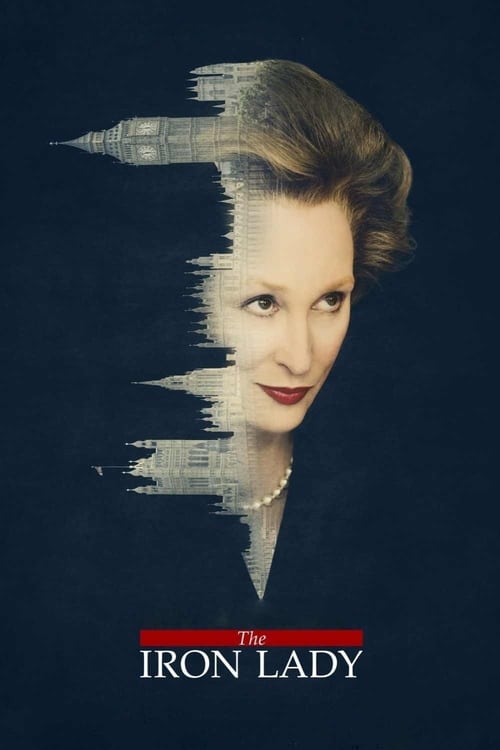
A look at the life of Margaret Thatcher, the former Prime Minister of the United Kingdom, with a focus on the price she paid for power.
The Iron Lady

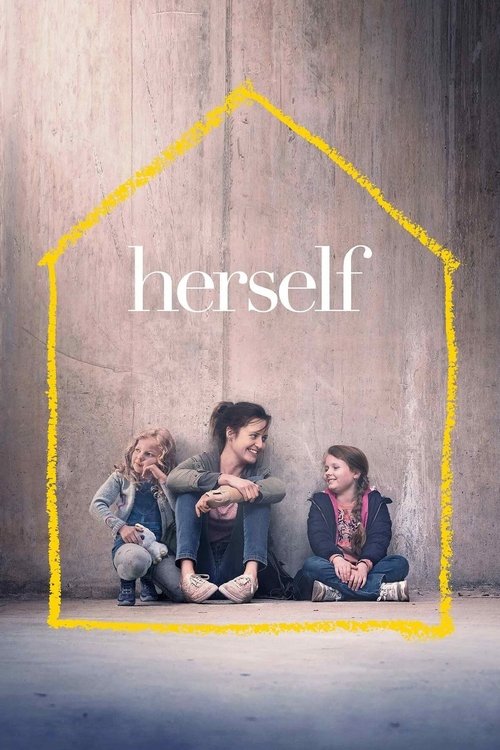
Struggling to provide her daughters with a safe, happy home, Sandra decides to build one - from scratch. Using all her ingenuity to make her ambitious dream a reality, Sandra draws together a community to lend a helping hand to build her house and ultimately recover her own sense of self.
Herself

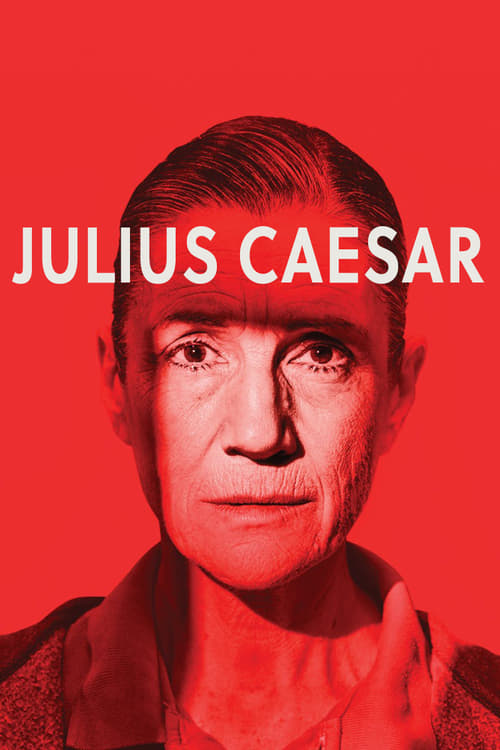
The first installment of Phyllida Lloyd’s groundbreaking all-female Shakespeare Trilogy sees Harriet Walter take on the role of Brutus, who wrestles with his moral conscience over the murder of Julius Caesar.
Julius Caesar

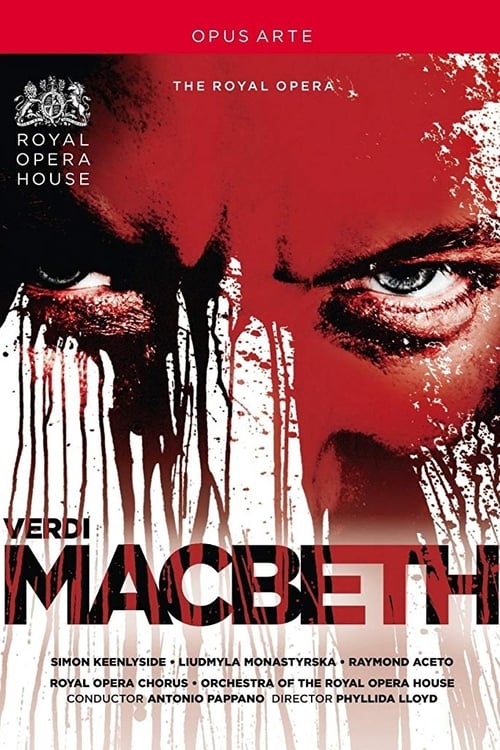
Verdi’s life-long love affair with Shakespeare’s works began with Macbeth, a play he considered to be ‘one of the greatest creations of man’. With his librettist, Francesco Maria Piave, Verdi set out to create ‘something out of the ordinary’. Their success is borne out in every bar of a score that sees Verdi at his most theatrical: it bristles with demonic energy.
Royal Opera House: Macbeth

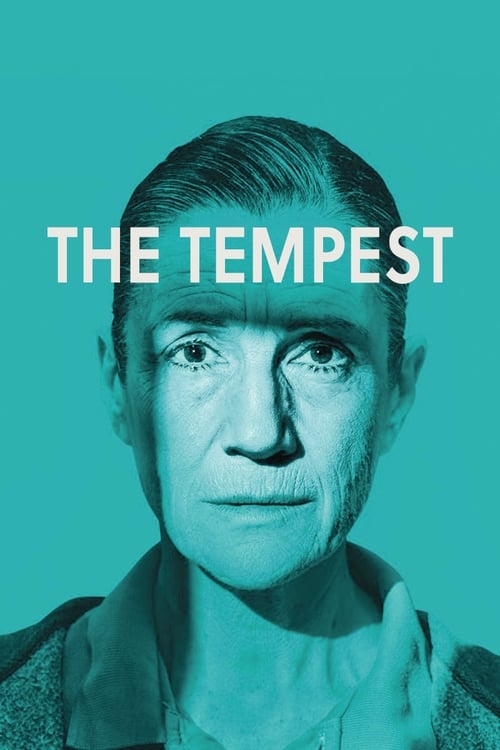
Phyllida Lloyd’s final installment of the Donmar Shakespeare Trilogy concludes with an all-female version of The Tempest starring Harriet Walter as Prospero. This captivating reimagining explores themes of freedom and justice in the context of a women’s prison.
The Tempest

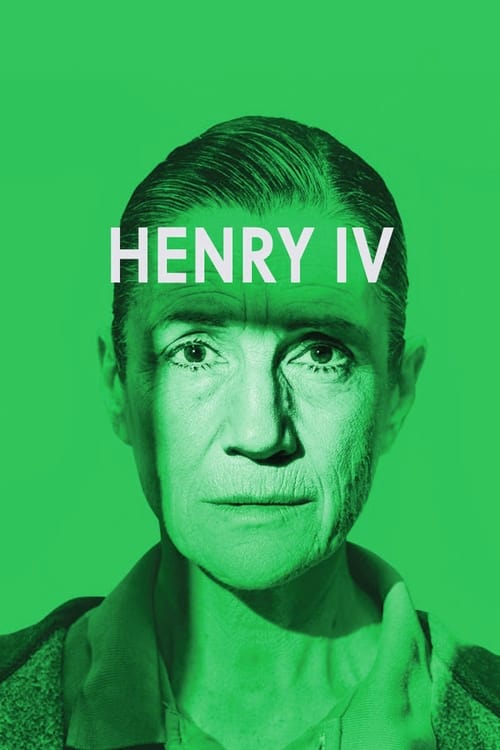
Harriet Walter takes the lead in the second installment of the Donmar Shakespeare Trilogy directed by Phyllida Lloyd. Featuring a diverse company of women, this unique interpretation combines both parts of Shakespeare’s history plays about King Henry IV and his son Prince Hal.
Henry IV

Thomas Able, once a successful writer, has not written since the war. He lies paralysed and dying. His family gather at the family home.
Able's Will

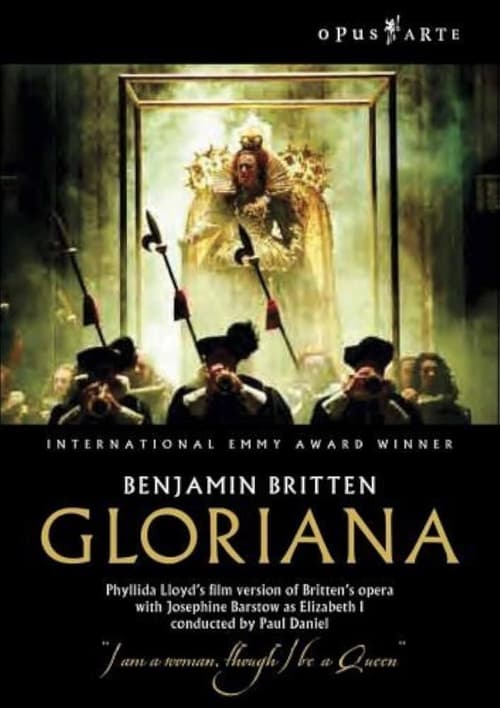
Phyllida Lloyd's acclaimed adaptation for film of the opera that Benjamin Britten wrote for the celebrations of the Queen's coronation in 1953, based on the Opera North revival of a work now recognised to be one of the composer's great achievements. Paul Daniel conducts the English Northern Sinfonia, with a cast inspired by electrifying performances from Josephine Barstow and Tom Randall as Elizabeth I and Essex.
Gloriana

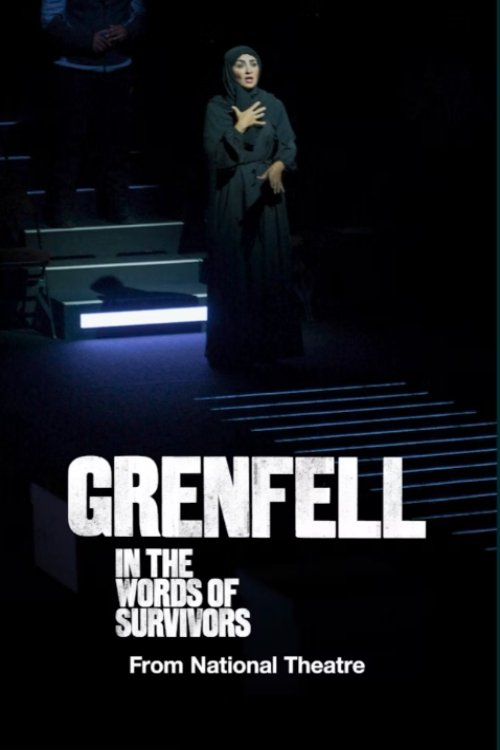
A powerful new verbatim play from the testimony of residents at the heart of the Grenfell Tower tragedy. Six years on, interviews conducted with a group of survivors and bereaved reveal the impact of the multiple failures that led to a national disaster, asking: how do we stop this ever happening again?
National Theatre at Home: Grenfell: In the Words of Survivors

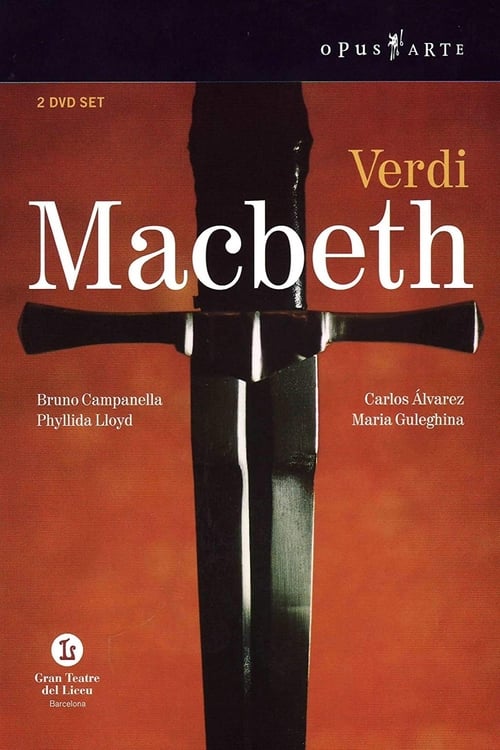
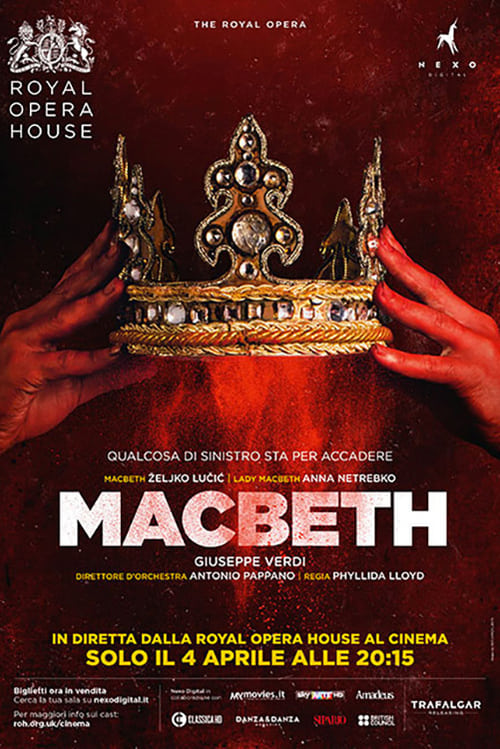
Carlos Álvarez takes the title role in the first of Verdi's Shakespearean operas, with Maria Guleghina as the manipulative wife whose desire to gain the Scottish throne drives her husband to murder and leaves both with blood on their hands. Bruno Campanella conducts the Symphony Orchestra and Chorus of the Gran Teatre del Liceu in the 2004 recording of Phyllida Lloyd's powerful production, first staged at London's Royal Opera House.
Macbeth

Macbeth, the Thane of Glamis, receives a prophecy from a trio of witches that one day he will become King of Scotland. Consumed by ambition and spurred to action by his wife, Macbeth murders his king and takes the throne for himself.