Directing
Fantasy adventure as the fairies face a new foe.
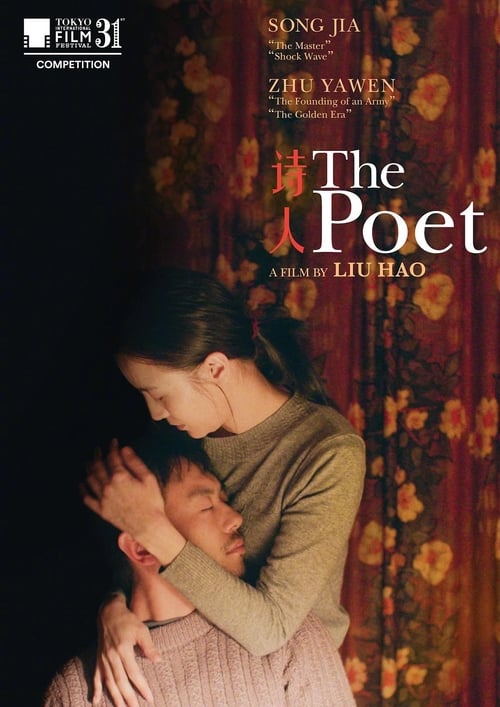
A poet working in a mine and his doting wife dream of a better future, but on a visit to the mine, a famed poet exerts a subtle effect on the couple. This drama eloquently depicts the love-hate relationship between people in changing times.
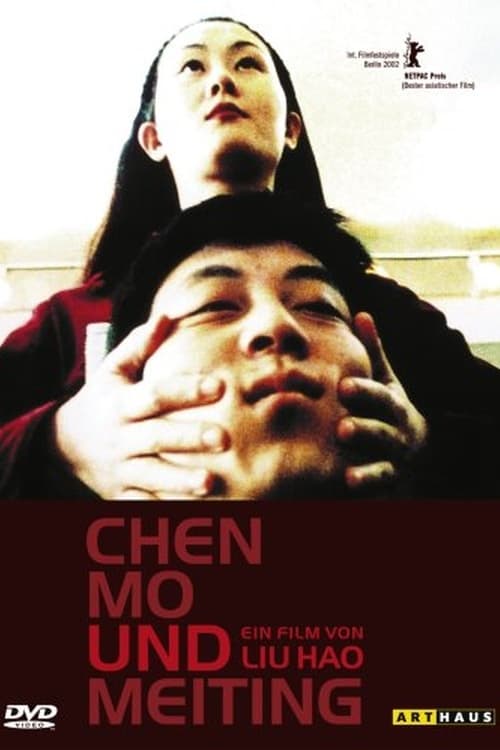
The touching encounter of two drifting beings - Meiting, a hairdresser, and Chen Mo, a street vendor, in Beijing. A strange relationship on the background of survival and anonymous urbanization, a chronicle on the survival of feelings.
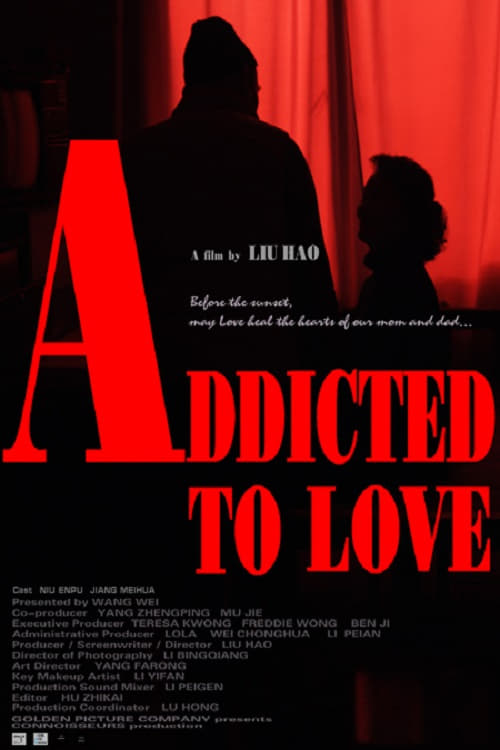
Old Pop, a retired factory worker, lives in a former industrial area of Beijing with his extended family. He likes going to the market with his old colleague, Lao Chang. One day, he recognizes a face he had been unable to forget: his first love, Li Ying. An elegant old woman, Li Ying seems to have trouble remembering people, and her daughter is openly hostile to Old Pop. Despite these obstacles, the two elders start meeting in secret. Discovering that Li Ying has Alzheimer, Old Pop plays little games with her to exercise her mind. As in his award-winning first films, Liu Hao uses non-professional actors to recount an unusual love affair with a poetic and humorous touch.
The film follows a peasant couple, Zhao Deshan and his wife Xiuzhi, living in rural Yunnan province near Zhaotong in southern China. Their lives are thrown into upheaval when the local mayor “rewards” them with two foreign sheep donated by a former villager, now an official in Beijing. The couple is then tasked with breeding the sheep for their wool and to bring prosperity to their small community. Much to their chagrin, the sheep do not take to their new environment and the couple are forced into ever more ingenious ways of making the sheep appear greater than they really are. As they do so, they also come to value the sheep as companions in their family. When it becomes clear that the two “great” sheep are not the boon they were thought to be, the local authorities repossess the animals.
After 30 years of one child family policy, Chinese parents who experience the death of their only son or daughter are becoming what is called "lost families."This has become a poignant issue, as there are more than one million "lost families" right now. Xiao Ai is diagnosed with a terminal illness and does not have long to live. She is concerned that her parents will become a "lost family" and have no one to take care of them after her death, so she decides to persuade them to have another child...
China's first new media (cell phone) movie, including "There" (Jia Zhangke, director, later the same), "A Moment of Silence" (Wang Xiaoshuai), "Watermelon" (Meng Jinghui), "It's Hard to Buy Happiness with Money" (Liu Hao), "I Want to Be Wild About You" (Xiao Jiang), "Starlight Dream Journey" (Sun Xiaoru), "A Little FU Eggs" (Li Hong), and "The Bride" (Jiang Lifen), and other eight 3-minute short films. Watermelon, which won the second prize in the Moving Screen section of the 2008 French Pocket Film Festival, switches back and forth between reality and dreams, telling the story of a man who searches for a toilet in his dreams but is unable to find one.The other seven short films have a complete story, or tell a state of life, or relate to a certain moment in the mind. Though their quality varies, they reflect the diverse postures of people's lives nowadays.