Isela Vega
Acting
Biography
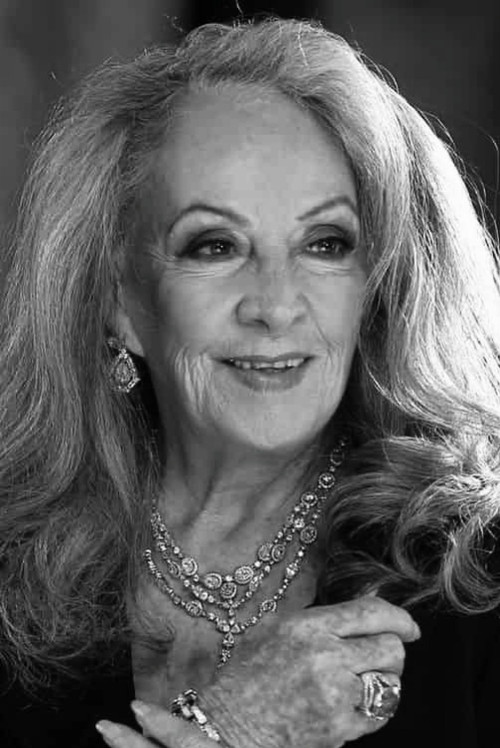
Isela Vega Durazo (Hermosillo, Sonora, November 5, 1939-Mexico City, March 9, 2021) was a Mexican actress and screenwriter. Considered one of the best Mexican actresses and a sex symbol after being the first Latina woman to appear in the adult magazine "Playboy". Between soap operas and movies, she participated in more than 90 productions, both Mexican and American, as well as Brazilian, Argentine, Australian and English.
Known For

A wealthy matriarch tries to maintain her family's facade of perfection after her husband's mistress exposes their dirty secrets.
The House of Flowers

Muchacha italiana viene a casarse is a 1971 Mexican telenovela by Televisa produced by Ernesto Alonso and directed by Alfredo Saldaña, starring Angélica María and Ricardo Blume. Writing credits belong to Delia González Marquez, Fernanda Villeli, Marissa Garrido, Miguel Sabido and Carlos Lozano Dana The series featured two theme songs: "A dónde va nuestro amor" and "Lo que sabemos del amor". Both songs were written by Eduardo Magallanes and performed by Angélica María.
Italian Bride

Mujeres Asesinas is a series that shows the dark side of women who have been mistreated or abused and become cruel murderers. The series shows how violence and death can overcome the feminine mind.
Killer Women

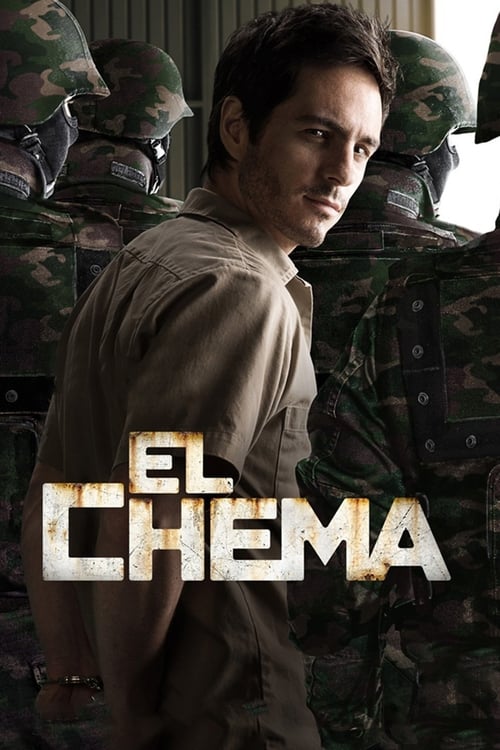
Follow one man's epic journey as he transforms from wily underage drug smuggler to one of the world's most infamous cartel leaders.
El Chema

The experiences of a group of young people interned at the Life Institute of Knowledge and Evolution (LIKE), a prestigious and cosmopolitan educational institution, with a supposedly modern and open educational system, but in reality it is deeply traditional and schematic.
Like, la Leyenda

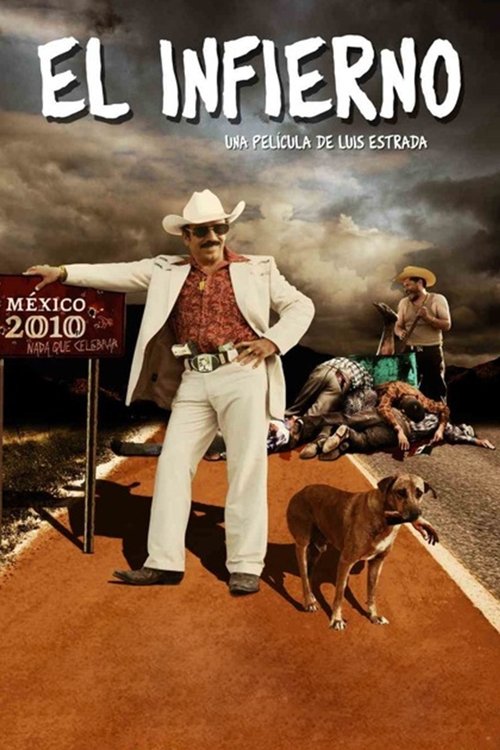
After being deported back to Mexico, a man has no choice but to join the vicious drug cartel that has corrupted his hometown in order to survive.
El Infierno

Niña de mi Corazón is a teen Mexican telenovela produced by Televisa and Telefe adapted from Pedro Damian's 1997 Mi Pequeña Traviesa, that premiered on March 8, 2010 and ended on July 9, 2010. Damian was also the producer of this telenovela.
A Double Identity

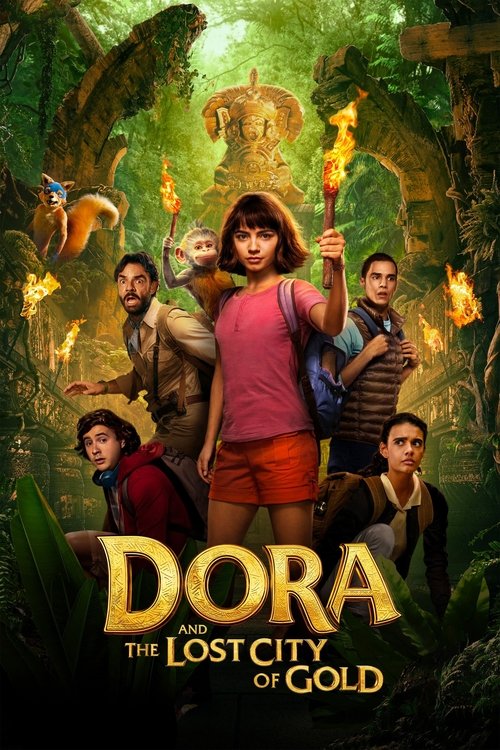
Dora, a girl who has spent most of her life exploring the jungle with her parents, now must navigate her most dangerous adventure yet: high school. Always the explorer, Dora quickly finds herself leading Boots (her best friend, a monkey), Diego, and a rag tag group of teens on an adventure to save her parents and solve the impossible mystery behind a lost Inca civilization.
Dora and the Lost City of Gold

Pasión is the telenovela that began transmissions on September 17, 2007, in Mexico; Canal de las Estrellas. The novela is a production of Carla Estrada and the stars are Susana González, Fernando Colunga, Sebastián Rulli, and Daniela Castro.
Passion

A Mexican telenovela revolving around Marina, a blind woman who because of her disability has developed a great sensitivity.
Sin tu mirada

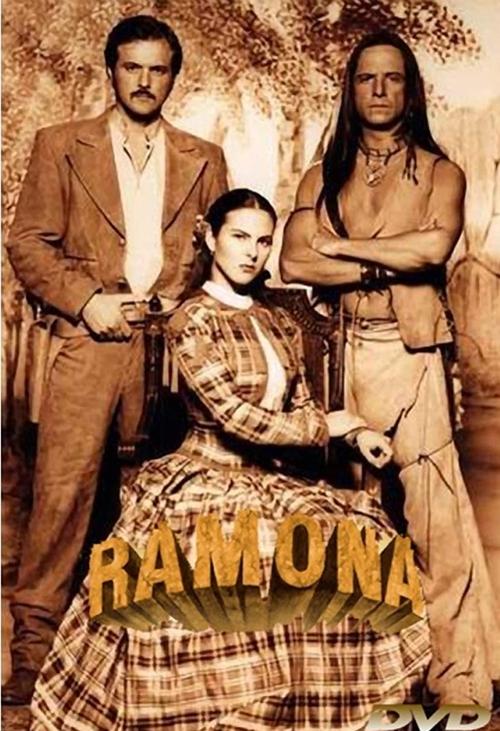
Ramona is a Mexican telenovela, based on the 1884 novel Ramona by Helen Hunt Jackson. It aired in 2000 on Televisa and was written by Lucy Orozco and Humberto Robles. This production featured Kate Del Castillo as Ramona and Eduardo Palomo as Alejandro.
Ramona

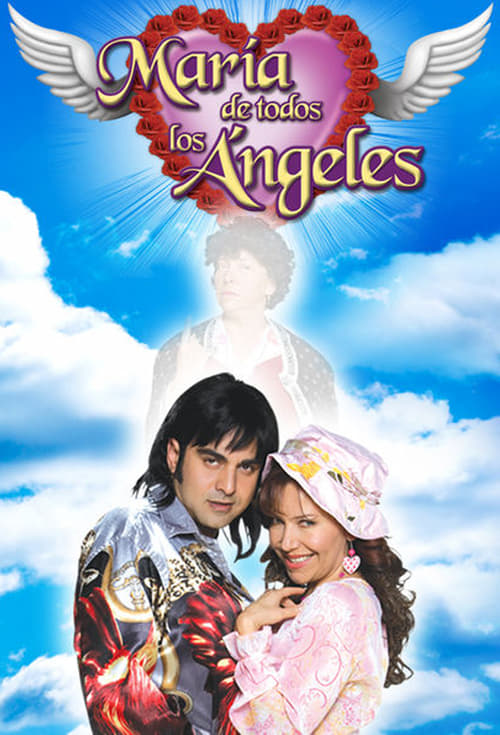
No description available.
María de Todos los Ángeles

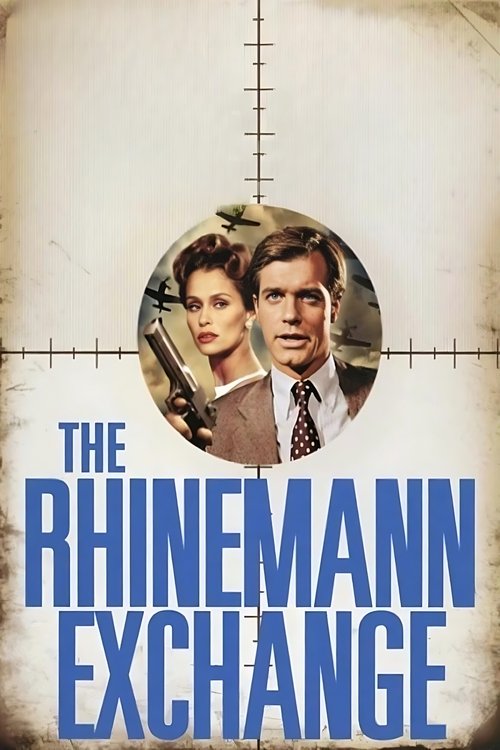
During World War II, an intelligence officer is dispatched by the U.S. government to arrange an exchange in Argentina of industrial diamonds needed by the Germans for a secret gyroscope needed by the Allies.
The Rhinemann Exchange

An American bartender and his prostitute girlfriend go on a road trip through the Mexican underworld to collect a $1 million bounty on the head of a dead gigolo.
Bring Me the Head of Alfredo Garcia

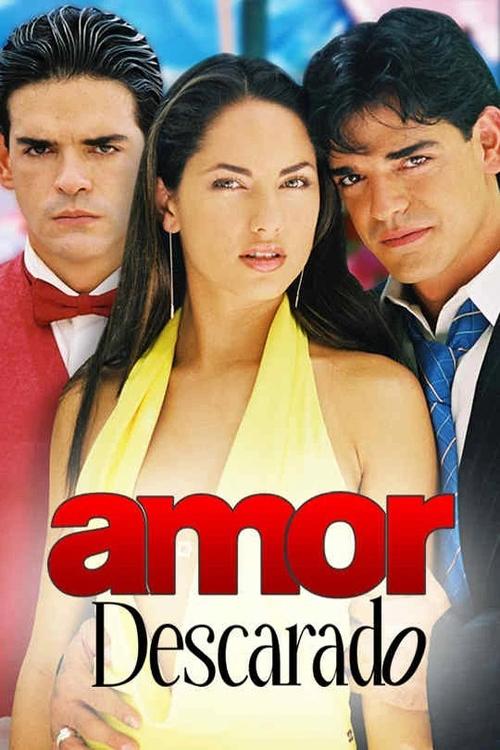
Amor Descarado is a telenovela produced by RTI Producciones and Spanish-language United States-based television network Telemundo, this is a US Hispanic version of Chilean telenovela Amores de Mercado. It was broadcast by Telemundo on September 8, 2003 and ended on March 19, 2004.This telenovela was aired in 8 countries around the world.
Amor Descarado

An account of the life and work of American film director Sam Peckinpah (1925-84), a tortured artist whose genius and inner demons changed the Western genre forever.
Sam Peckinpah's West: Legacy of a Hollywood Renegade

Rare videos and exclusive interviews reveal the genius, sacrifices and duality between the public and private lives of iconic singer-songwriter Juan Gabriel.
Juan Gabriel: I Must, I Can, I Will

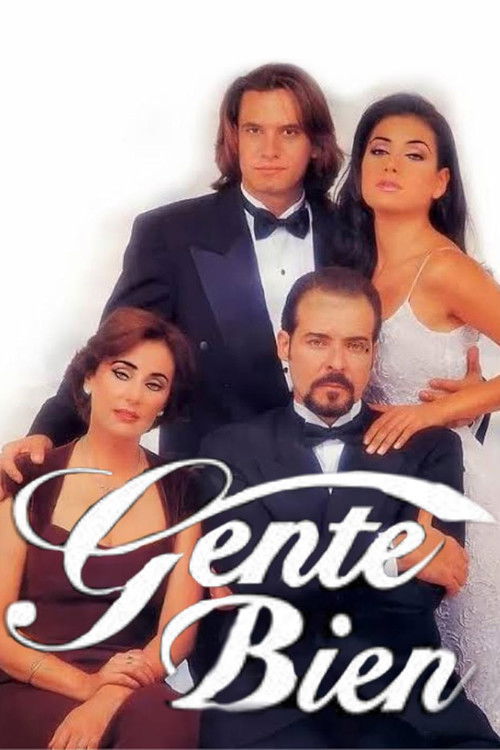
No description available.
Gente bien

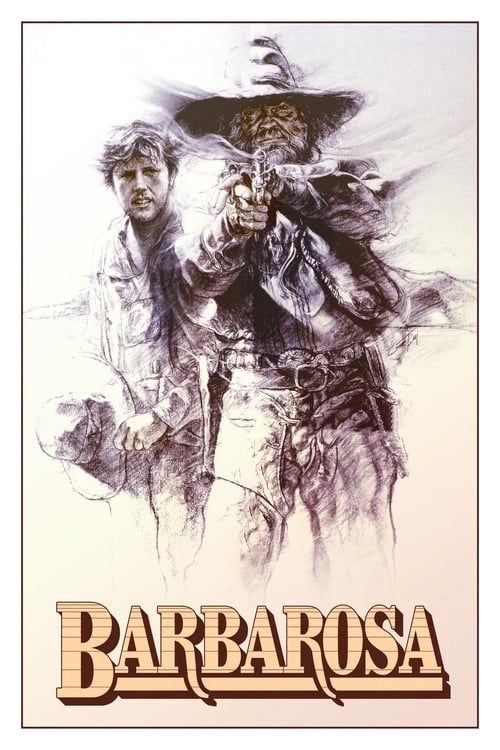
Karl Westover, an inexperienced farm boy, runs away after unintentionally killing a neighbor, whose family pursues him for vengeance. He meets Barbarosa, a gunman of near-mythical proportions, who is himself in danger from his father-in-law Don Braulio, a wealthy Mexican rancher. Don Braulio wants Barbarosa dead for marrying his daughter against the father's will. Barbarosa reluctantly takes the clumsy Karl on as a partner, as both of them look to survive the forces lining up against them.
Barbarosa

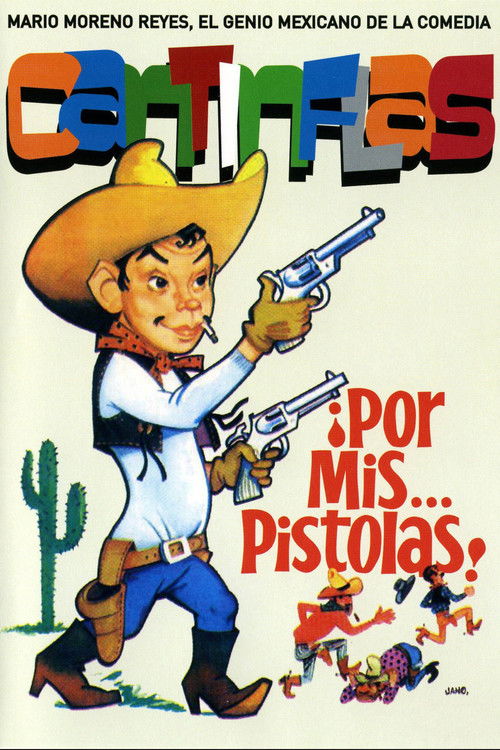
Fidencio Borer, an apothecary in a village on the northern border of Mexico, discovers some old title of a mine in Arizona and decides to claim them. Trying to cross the border is a border guard intercepted by exaggerating in the line of duty. On the way is captured by a tribe of Apaches and is about to be burned alive, but thanks to the Great Head Horse Lying having toothache and learns that the prisoner it can heal, ordered his release on the condition that the cure. Fidencio would take the wheel and gets the eternal friendship of the Chief apache.