Acting
No description available.
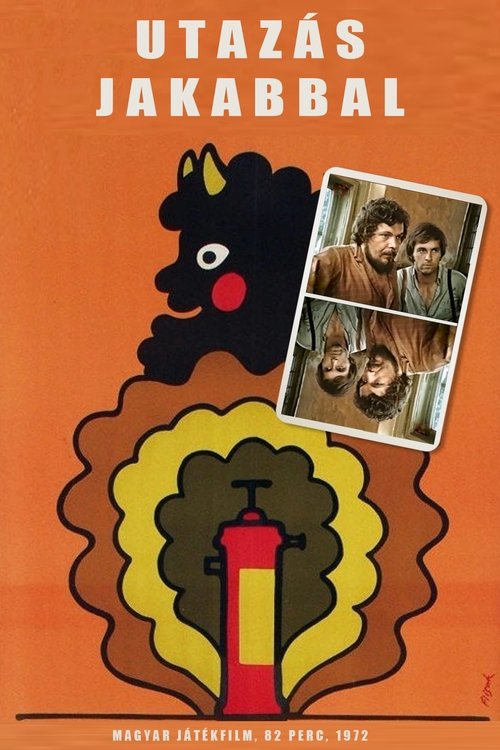
István and Jakab are fire-extinguisher experts. They travel the country to check fire-extinguishers at country factories. During their tours of inspection they chase women, drink in dirty pubs and live in clover.
A musical farce about women in the canning factory. The pretty Brigitta tries to commit suicide, because Laci left her, pregnant, but her mates save her.
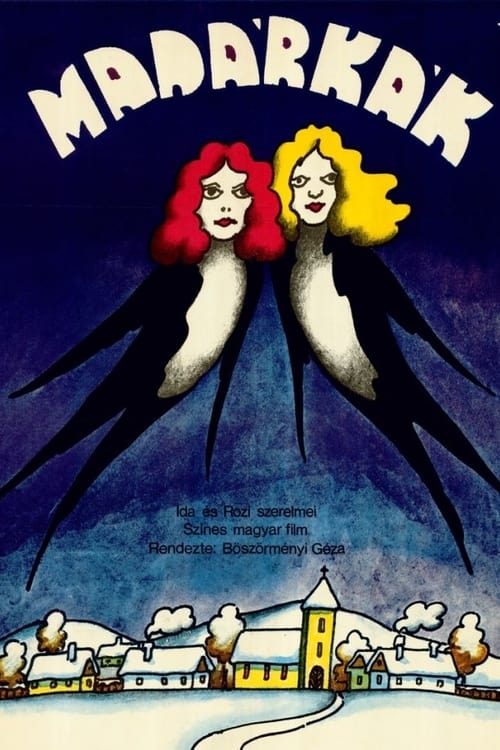
The heroines of this lyric comedy full of burlesque elements are two girls from a village who get totally engrossed in their day-dreaming. Ida and Rozi escape to the city to catch husbands for themselves.
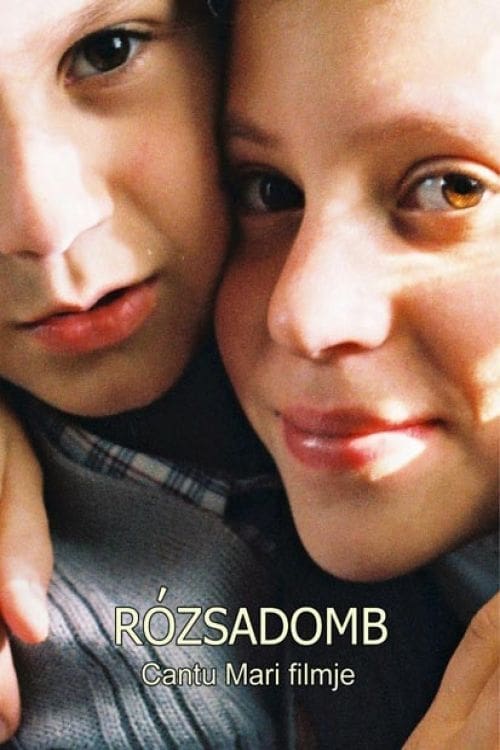
The film shows the times directly before and after the revolution of 1956 in a Rosehill villa and its garden, guarded by the state security, from the perspective of a powerful party functionary’s children living there. The children witness a lot of things they do not understand, mysterious things, which they interpret in their own way.
In the country reformatory school both the teacher and the children are trapped by the circumstances. From among the pupils excels Sanyi, who cannot accept the fact that his mother does not love him and he keeps on escaping after her. From among the teachers it is Mr. Csőrös who distinguishes himself by listening to the children, looking for those who escaped, Sanyi feels affection to him.
A collage of human fates, where all shown characters are suffering from panic attacks. Stories like a policeman who is willing to come out or a young business woman who achieved her life goals too early.
The story of a love-triangle is recounted through Anitas memories and jagged monologue. Anita is tremendously naive and in love, Laci is a petty small-town gangster with great powers of persuasion and the secret lover of Szilvi. The three of them leave for Vienna, where Laci sells off the two girls to a peep-show for some small money.
Families come in all shapes and sizes Dávid, a 24-year-old ordinary slacker, finds his life turned upside down when he meets the girl of his dreams - Eszter - and her three kids. 'Korhatáros szerelem' is a light-hearted, feel-good family drama which demonstrates one of the realities of modern life - that families come in all different shapes and sizes. In this series, home is where the heart is - even if that home is crammed full of kids, teenagers, ex-mother-in-laws and hangers-on. Can this unconventional relationship survive the age difference and the pressures of the multi-generational household? Can Dávid step up (no pun intended) and be a proper parent? Should he even try to? Can this unruly bunch live happily ever after as one big happy family?
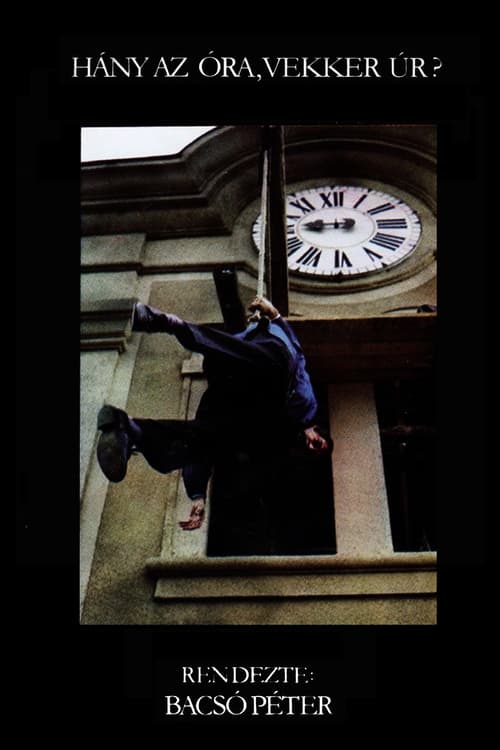
Even without a clock, the watch-maker of the small country town always knows the exact time to the second, and for this reason he came to be called Mr. Clock. His wife left him, and he only lives for his work. He is just engaged in repairing the tower clock when his wife returns and the German troops appear.
During the ill-fated Hungarian revolution of 1956, Karcsi Szabo, star player on the water polo team, is torn between his love for a revolutionary student and his training for the Melbourne Olympics.
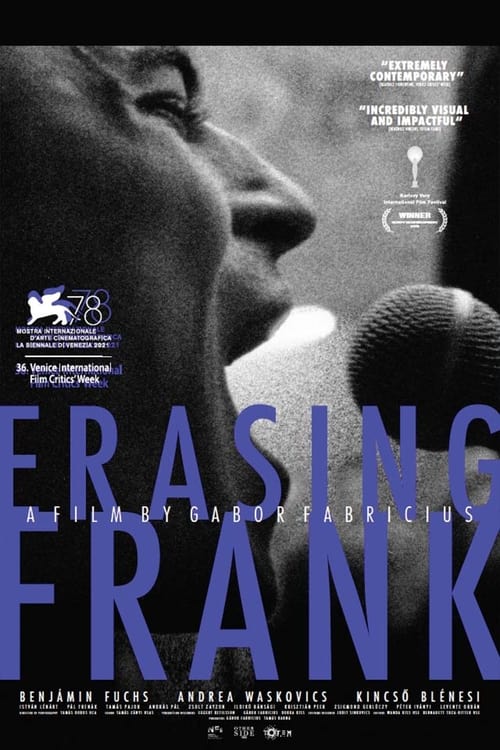
Set in 1983, behind the Iron Curtain of Eastern Europe in Budapest, the film follows Frank, the charismatic singer of a banned punk band that carries the voice of their generation against a totalitarian regime. Taken to the police psychiatric hospital in an attempt to silence him, Frank will sacrifice everything to resist.
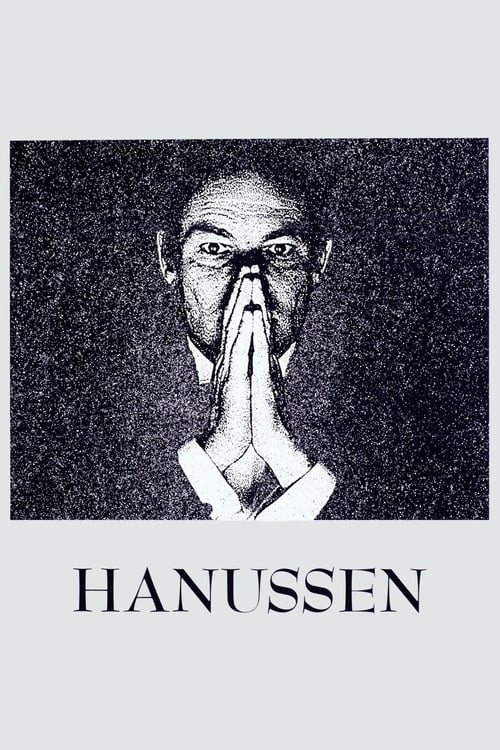
A man's story parallels Hitler's rise. Austrian Klaus Schneider, wounded in World War I, recovers in the care of Dr. Emil Bettleheim. Bettleheim discovers that Schneider possesses powers of empathy and of clairvoyance, such that could aid suicidal patients. After the war, with one friend as his manager and another as his lover, Schneider changes his name to Eric Jan Hanussen and goes to Berlin, as a hypnotist and clairvoyant performing in halls and theaters. He always speaks the truth, which brings him to the attention of powerful Nazis. He predicts their rise (good propaganda for them) and their violence (not so good). He's in pain and at risk. What is Hanussen's future?
Collection of short films the summaries of which include; a foreign man moving to Italy, getting married and having a child; a four split scene short involving plot-less images of old people with television sets for heads, a beautiful woman having sex, and overall confusion; and an old man reminiscing over his youth.
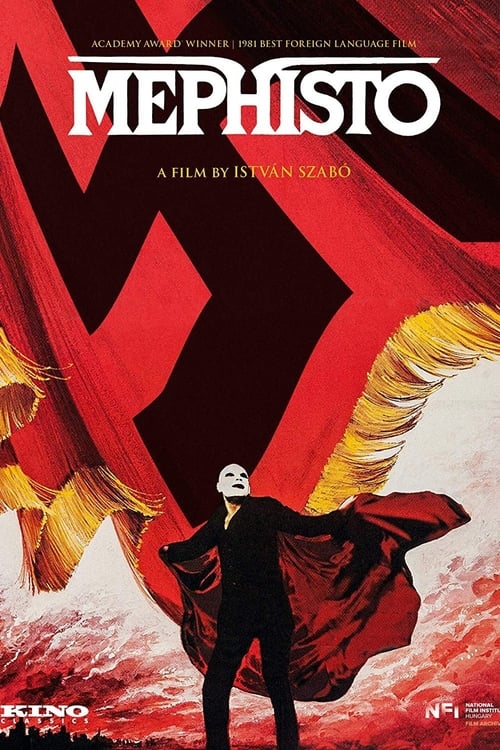
A German stage actor finds unexpected success and mixed blessings in the popularity of his performance in a Faustian play as the Nazis take power in pre-WWII Germany. As his associates and friends flee or are ground under by the Nazi terror, the popularity of his character supercedes his own existence until he finds that his best performance is keeping up appearances for his Nazi patrons.
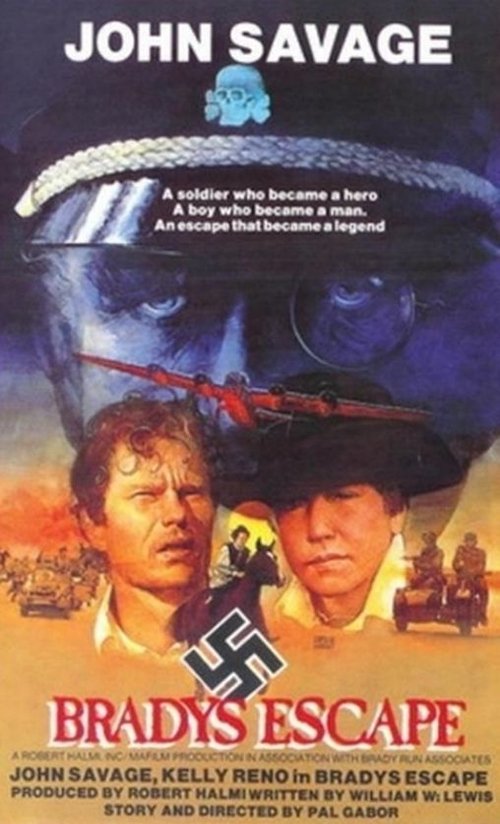
This movie is about the love and protection of a man from another culture for the lowly horsemen of the the plains in Hungary during World War II.
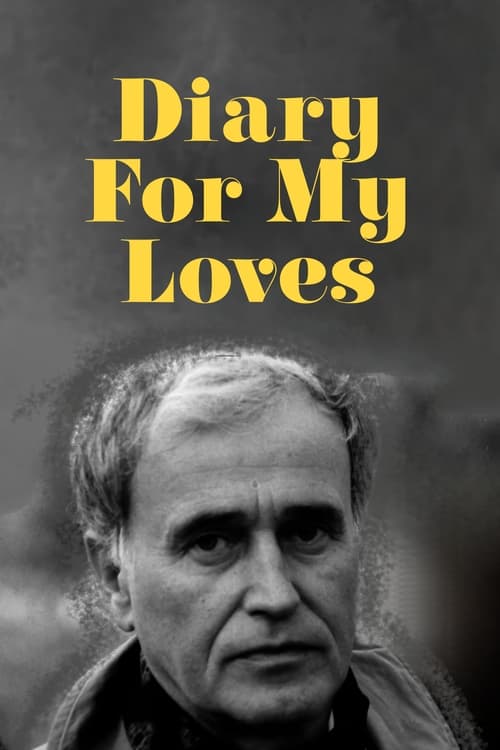
A continuation of "Diary for My Children," the film picks up in 1950, when Juli, the diarist, is 18 and determined to become a movie director.
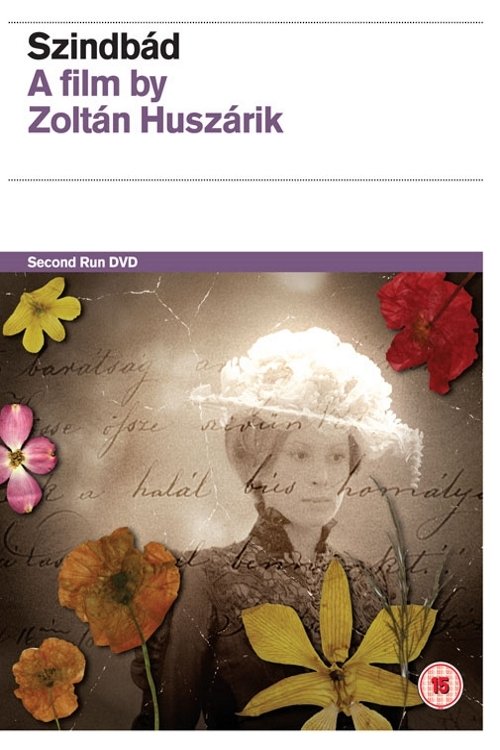
Based on the stories of Hungarian writer Gyula Krúdy, this film is a lush and sensuous depiction of the life, loves and memories of serial seducer Szindbád. As the protagonist looks back on his life, past and present, imagination and reality flow inseparably into one another.
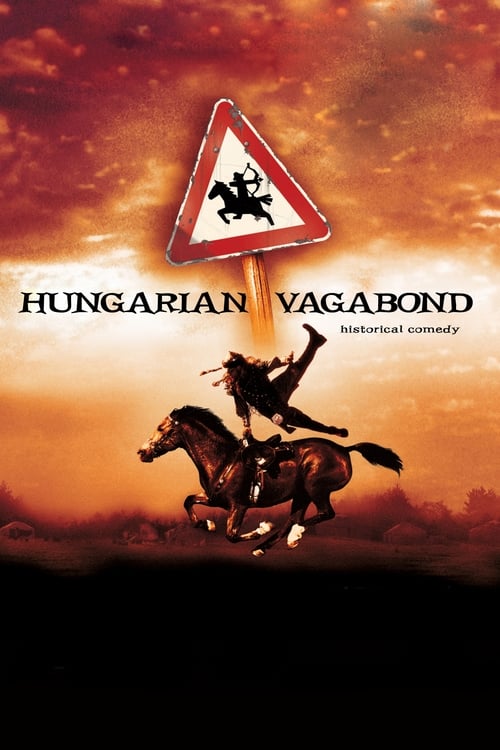
A Hungarian historical movie that tells the story of the Hungarian ancestors, the seven leaders, who are looking for their new homeland in the last years of the 9th century. Before they leave their original home in Asia, they have a farewell party. They wake up with a severe hangover after consuming large quantities of kumis. The seven leaders wake up to find that their people have disappeared.