Hal Williams
Acting
Biography
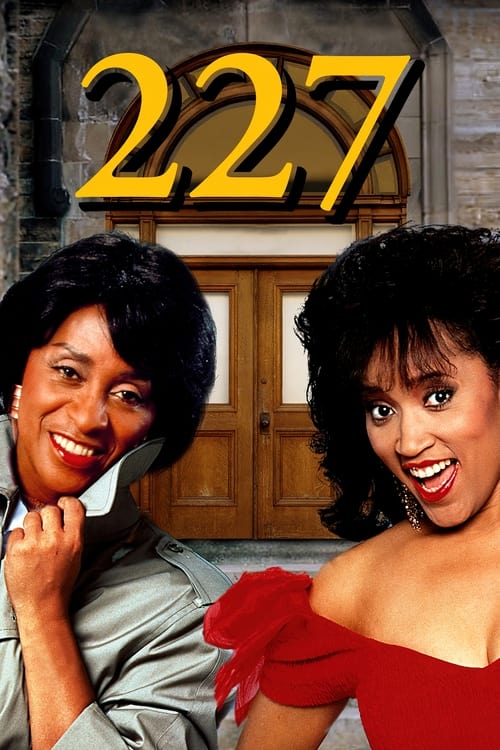
Halroy Candis Williams is an American actor, best known for his recurring roles as Police Officer Smith on Sanford and Son, Harley Foster on The Waltons, and as the patriarch Lester Jenkins, the husband of Marla Gibbs's character, on the NBC sitcom 227 which originally aired from 1985 until 1990.
Known For

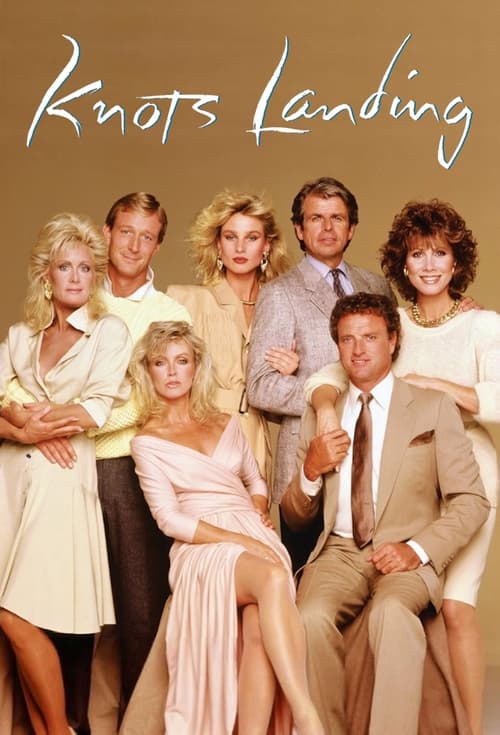
The domestic adventures, misdeeds and everyday interactions of five families living on a cul-de-sac in a small California community.
Knots Landing

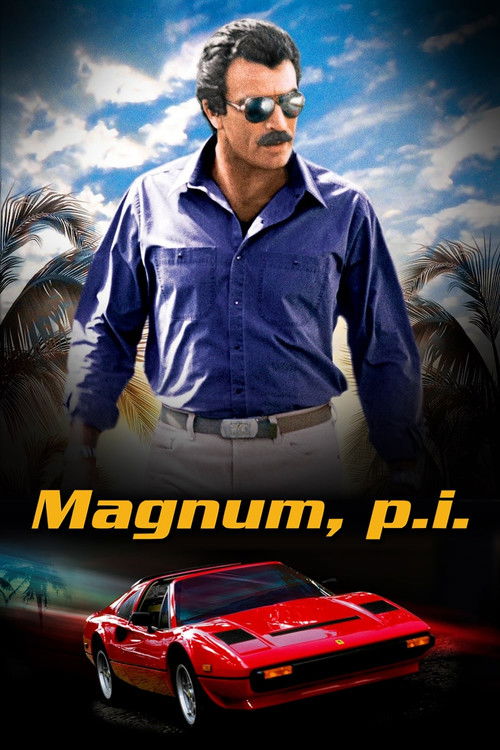
A private investigator who works when he wants, lives in a beachfront estate in Hawaii, drives a posh Ferrari, runs up an unlimited tab at a swank bar, and charms attractive women in peril - that's the lifestyle of Thomas Magnum, aka Magnum, P.I.
Magnum, P.I.

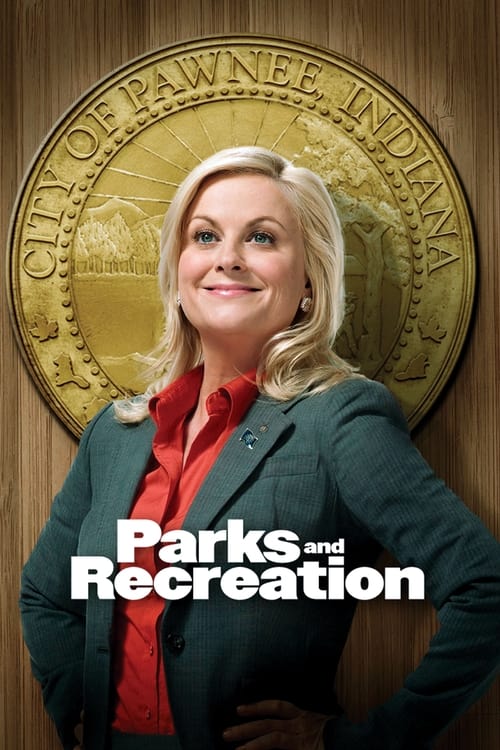
In an attempt to beautify her town — and advance her career — Leslie Knope, a mid-level bureaucrat in the Parks and Recreation Department of Pawnee, Indiana, takes on bureaucrats, cranky neighbors, and single-issue fanatics whose weapons are lawsuits, the jumble of city codes, and the democratic process she loves so much.
Parks and Recreation

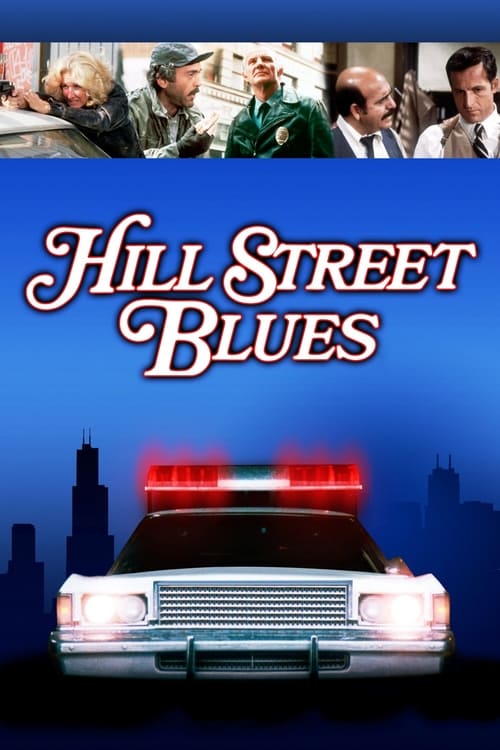
A realistic glimpse into the daily lives of the officers and detectives at an urban police station.
Hill Street Blues

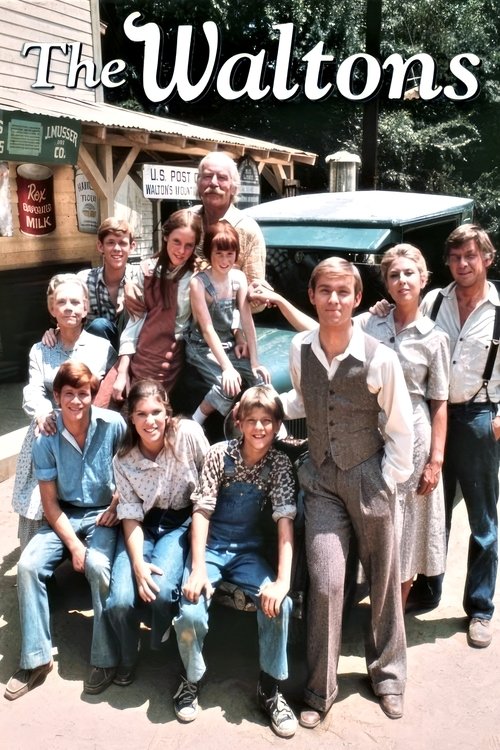
The Waltons live their life in a rural Virginia community during the Great Depression and World War II.
The Waltons

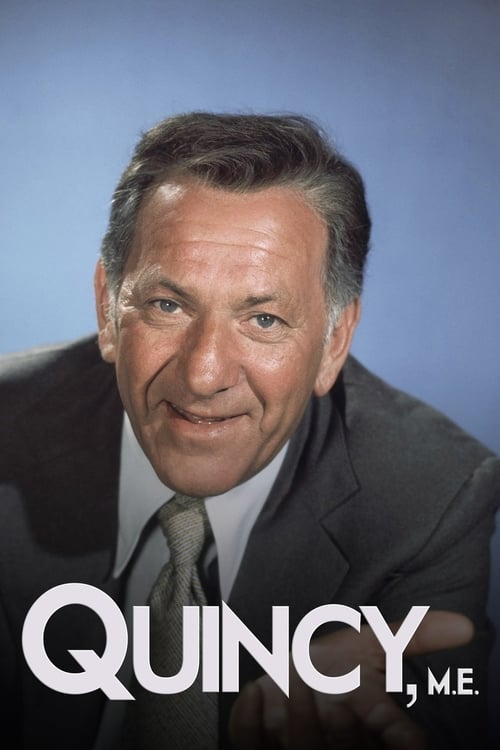
Los Angeles County medical examiner Quincy routinely engages in police investigations.
Quincy, M.E.

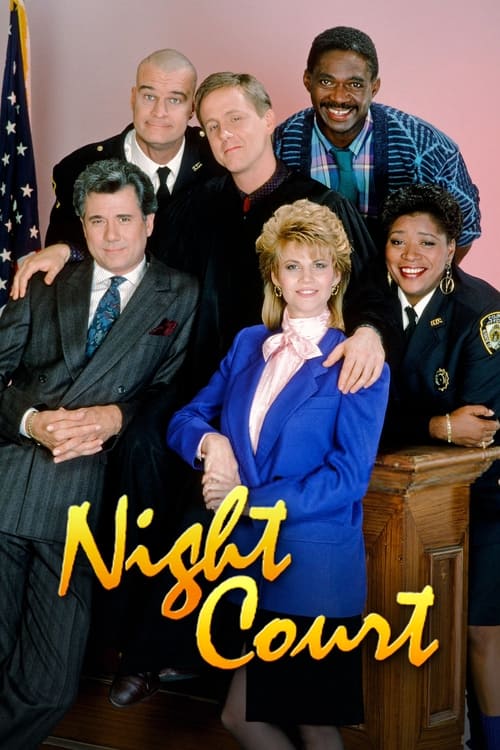
An eccentric fun-loving judge presides over an urban night court and all the silliness going on there.
Night Court

L.A. Law is an American television legal drama series that ran for eight seasons on NBC from September 15, 1986, to May 19, 1994. Created by Steven Bochco and Terry Louise Fisher, it contained many of Bochco's trademark features including a large number of parallel storylines, social drama and off-the-wall humor. It reflected the social and cultural ideologies of the 1980s and early 1990s, and many of the cases featured on the show dealt with hot-topic issues such as abortion, racism, gay rights, homophobia, sexual harassment, AIDS, and domestic violence. The series often also reflected social tensions between the wealthy senior lawyer protagonists and their less well-paid junior staff. The show was popular with audiences and critics, and won 15 Emmy Awards throughout its run, four of which were for Outstanding Drama Series.
L.A. Law

Sergeant Thomas Jefferson Hooker is a tough-as-nails veteran police officer with the LCPD who turns his back on a gold badge and goes back to patrolling the streets and training recruits. Along with his young partners in blue, Hooker take on Lake City's toughest criminals.
T. J. Hooker

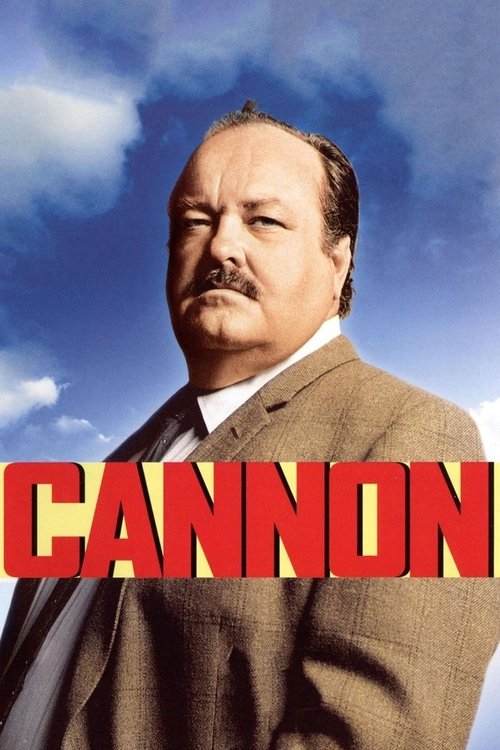
Cannon is a CBS detective television series produced by Quinn Martin which aired from March 26, 1971 to March 3, 1976. The primary protagonist is the title character, private detective Frank Cannon, played by William Conrad. He also appeared on two episodes of Barnaby Jones. Cannon is the first Quinn Martin-produced series to be aired on a network other than ABC. A "revival" television film, The Return of Frank Cannon, was aired on November 1, 1980. In total, there were 124 episodes.
Cannon

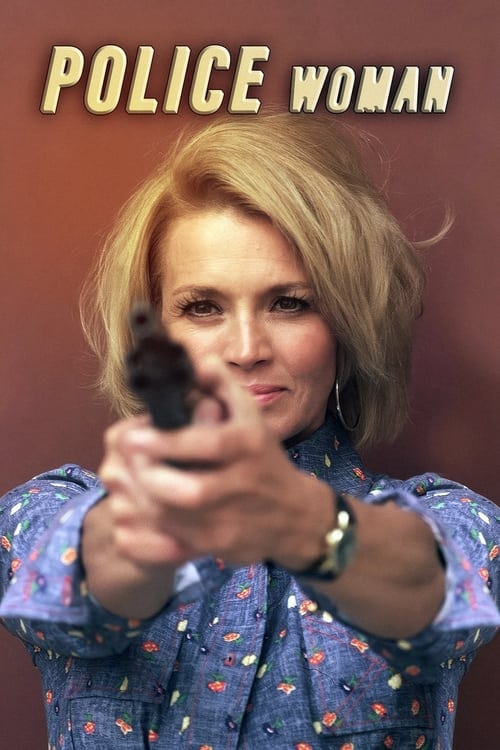
Sergeant “Pepper"” Anderson, an undercover cop for the Criminal Conspiracy Unit of the Los Angeles Police Department, poses undercover from mob girl to prostitute.
Police Woman

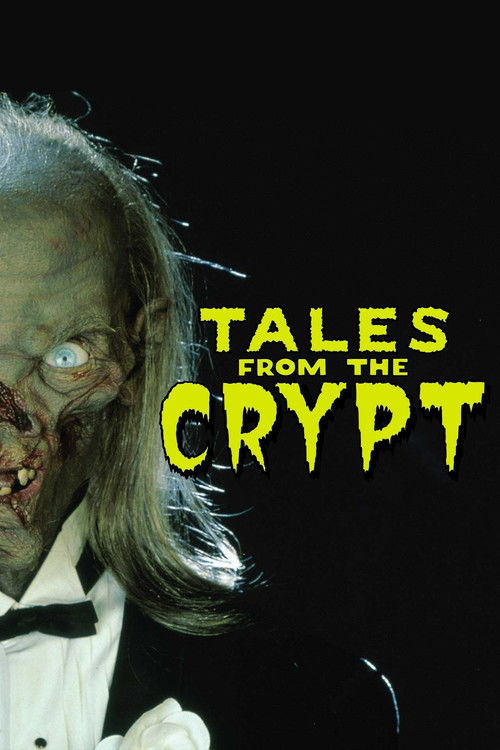
Cadaverous scream legend the Crypt Keeper is your macabre host for these forays of fright and fun based on the classic E.C. Comics tales from back in the day. So shamble up to the bar and pick your poison. Will it be an insane Santa on a personal slay ride? Honeymooners out to fulfill the "til death do we part" vow ASAP?
Tales from the Crypt

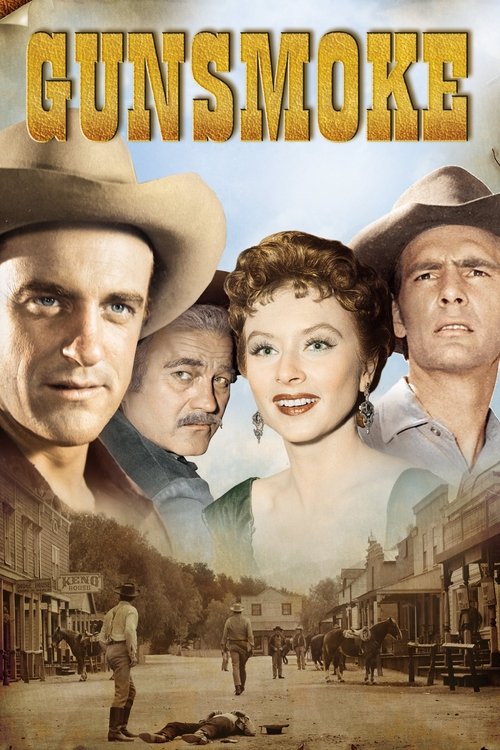
Gunsmoke is an American radio and television Western drama series created by director Norman MacDonnell and writer John Meston. The stories take place in and around Dodge City, Kansas, during the settlement of the American West. The central character is lawman Marshal Matt Dillon, played by William Conrad on radio and James Arness on television.
Gunsmoke

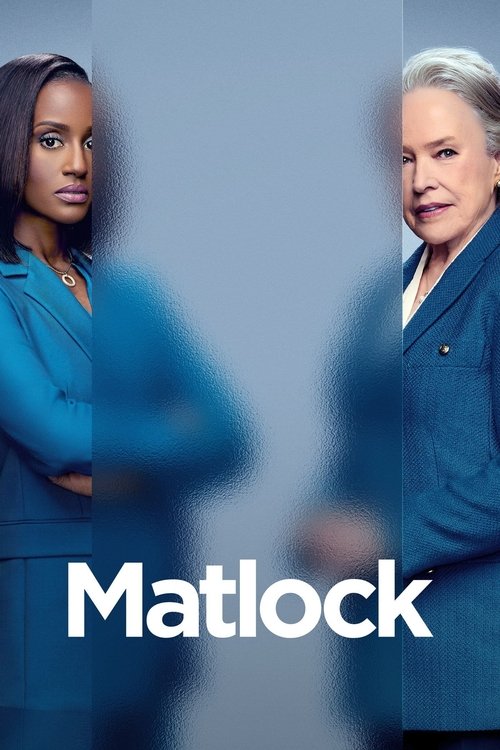
After achieving success in her younger years, the brilliant septuagenarian Madeline Matlock rejoins the workforce at a prestigious law firm where she uses her unassuming demeanor and wily tactics to win cases and expose corruption from within. Inspired by the classic television series of the same name.
Matlock

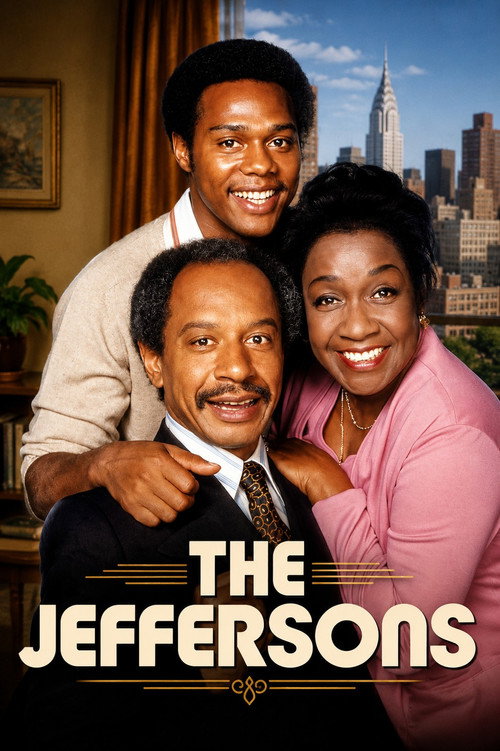
Sitcom following a successful African-American couple, George and Louise “Weezyö Jefferson as they “move on up” from working-class Queens to a ritzy Manhattan apartment. A spin-off of All in the Family.
The Jeffersons

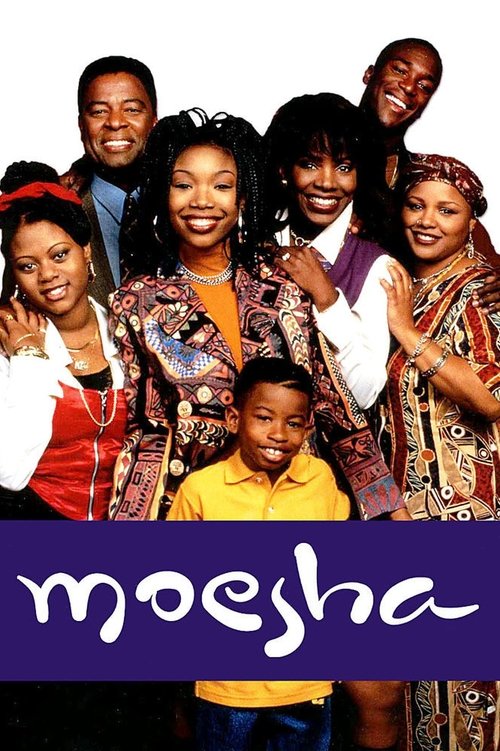
The everyday life of Moesha Mitchell, a vivacious young woman juggling romance, school, ever-changing family dynamics, and friendships.
Moesha

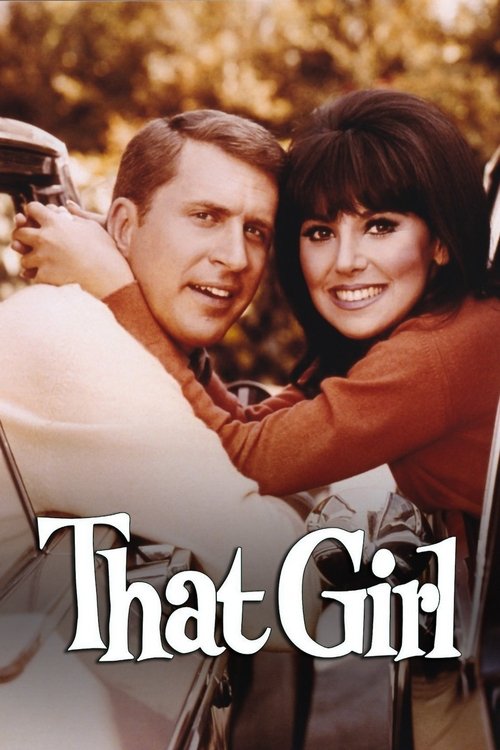
That Girl is an American sitcom that ran on ABC from 1966 to 1971. It stars Marlo Thomas as the title character Ann Marie, an aspiring actress, who moves from her hometown of Brewster, New York to try to make it big in New York City. Ann has to take a number of offbeat "temp" jobs to support herself in between her various auditions and bit parts. Ted Bessell played her boyfriend Donald Hollinger, a writer for Newsview Magazine; Lew Parker and Rosemary DeCamp played Lew Marie and Helen Marie, her concerned parents. Bernie Kopell, Ruth Buzzi and Reva Rose played Ann and Donald's friends. That Girl was developed by writers Bill Persky and Sam Denoff, who had served as head writers on The Dick Van Dyke Show earlier in the 1960s.
That Girl

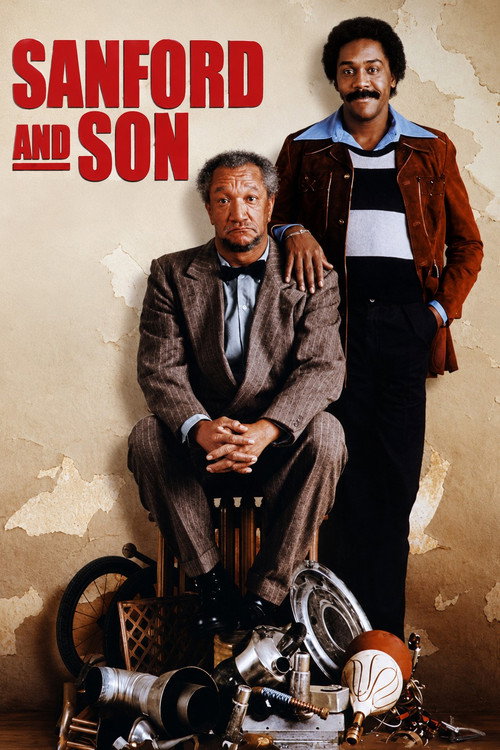
The misadventures of a cantankerous junk dealer and his frustrated son.
Sanford and Son

A housewife sits on the stoop of her apartment building in a black neighborhood of Washington, D.C., and discusses all manner of things with her neighbors.
227

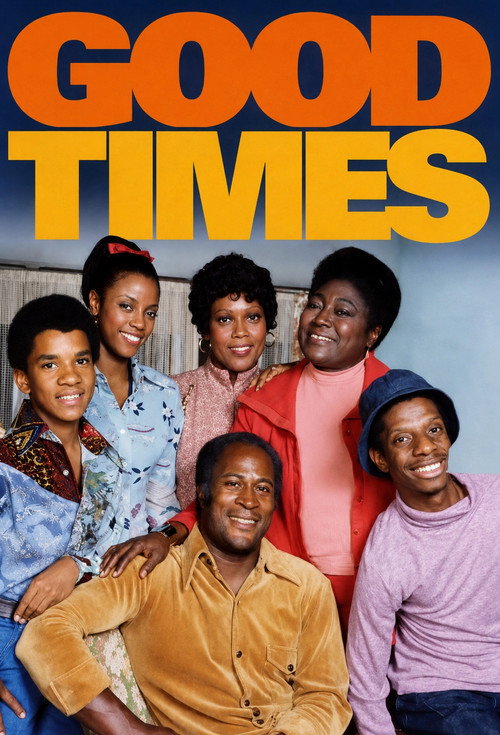
Good Times is an American sitcom that originally aired from February 8, 1974, until August 1, 1979, on the CBS television network. It was created by Eric Monte and Mike Evans, and developed by Norman Lear, the series' primary executive producer. Good Times is a spin-off of Maude, which is itself a spin-off of All in the Family along with The Jeffersons. The series is set in Chicago. The first two seasons were taped at CBS Television City in Hollywood. In the fall of 1975, the show moved to Metromedia Square, where Norman Lear's own production company was housed.