
Per Nørgård
Sound
Known For
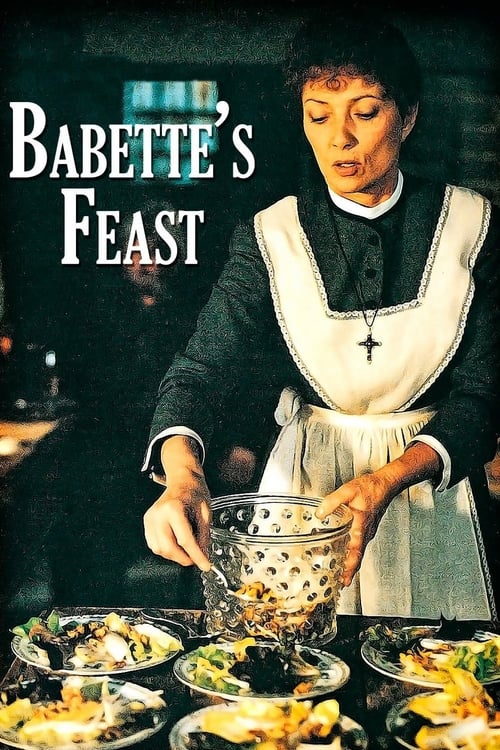
A French housekeeper with a mysterious past brings quiet revolution in the form of one exquisite meal to a circle of starkly pious villagers in late 19th century Denmark.
Babette's Feast
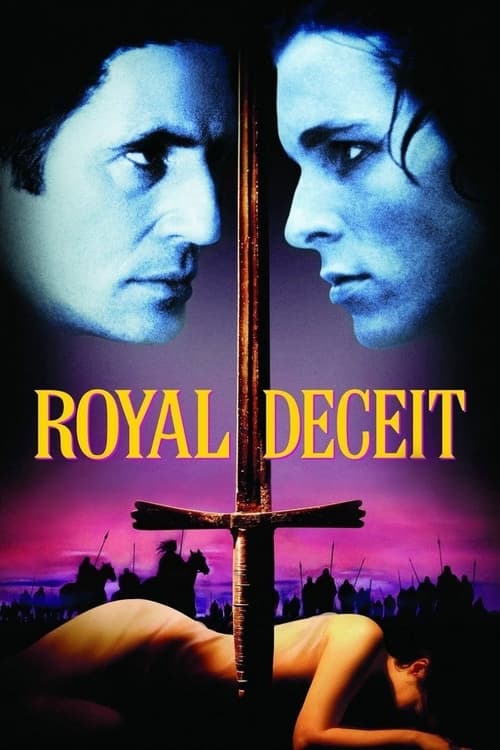
A Danish prince seeks revenge upon the villain who killed the king and his son to usurp the throne.
Prince of Jutland

Hedda Gabler is a beautiful woman married to the solid and respectable academic George Tesman. Then an old flame, the dreamer Eilert Lovborg, turns up on the scene with tragic results
Hedda Gabler
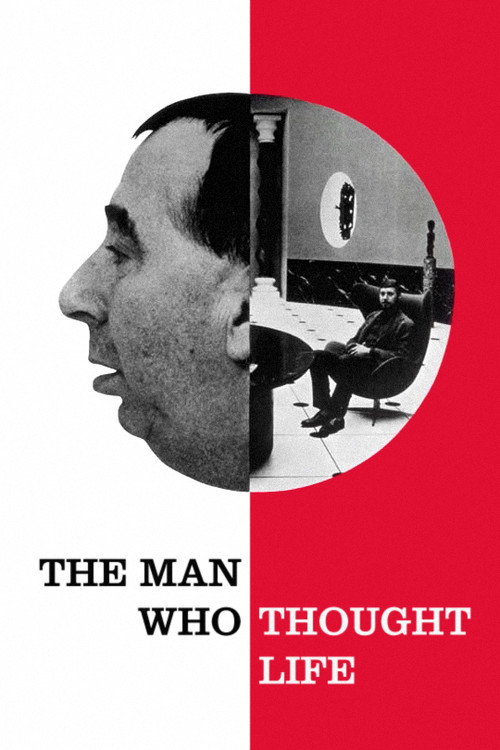
The mysterious Mr. Steinmetz has acquired the ability to create things and beings by will alone. Only, after a while his creations invariably disappear. He therefore approaches a famous brain surgeon, Max Holst, who he hopes can help him with this problem. When Max refuses, Steinmetz brings his doppelgänger into being to replace him.
The Man Who Thought Life

Seeking revenge against the rival clan responsible for the killing of his father, Hagbard calms down long enough to establish a truce. During a peaceful interlude, he falls in love with Signe, the daughter of the king of the rival clan. However, Hildegisl, who desires Signe's hand in marriage, disovers the young lover's plans to wed and sets out to bring about the end of Hagbard.
The Red Mantle
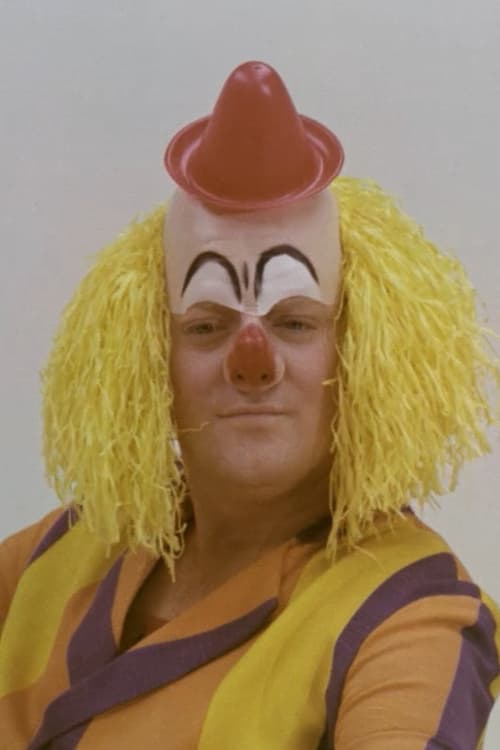
An art film by Per Arnoldi about a wide range of things with redundant, non-functional ornamentation and banal beauty: Cakes, candies, lollipops, mechanical toys, slot machines, paper hats, masks, noses, fireworks, streamers, artificial flowers, pranks, flags and much more more. It is terrific that such ornate things are produced, on top of that by machine, and add appetizing and purchase-promoting properties to them. And in terms of beauty, this very banality can be accepted as fully as anything else. (DFI)
Candy
A short documentary about a man named Martin who lives on what used to be the Danish King’s meadow garden but is now the city of Copenhagen’s largest rubbish tip.
The King’s Meadow Garden
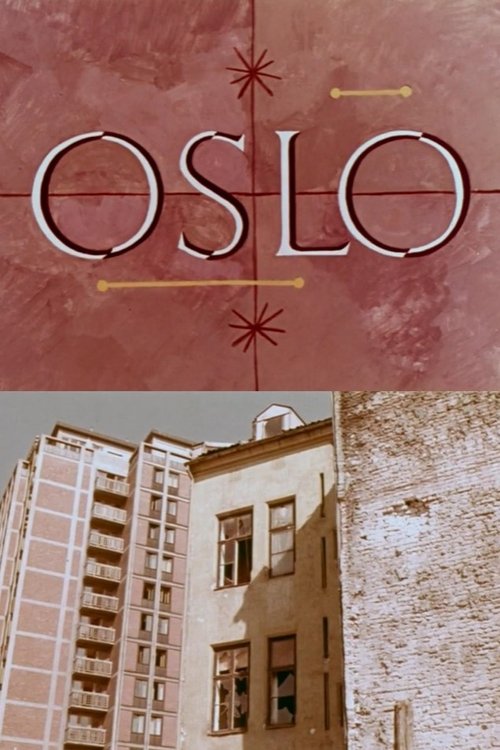
An experimental and poetic portrayal of Oslo. // Oslofilm was a series of public information films about life in and around Oslo, produced between 1940 and 1980. Funded by the state, the films offer valuable insight into postwar Norwegian society. A wide range of Norwegian filmmakers contributed to the productions, resulting in a rich variety of styles and expressions. Several of the films also possess notable cinematic qualities, standing out as more than just informational material. The Oslofilms represent a unique and important chapter in Norwegian film history.
Oslofilm: Oslo
Two reporters of TV-Glad, Daniel Henriksen and Majbritt Holm, accompany the composer Per Nørgård on a train journey from Copenhagen to Aalborg, where his fairy tale cantata "Will o'-the-Wisps in Town" is going to be performed. On the journey, Per Nørgård talks about his work on the cantata, which is based on the fairy tale "The Will-o'-the Wisps Are in Town, Said the Marsh Witch", written by Andersen in 1865.
A Journey in Fairy Tales and Music
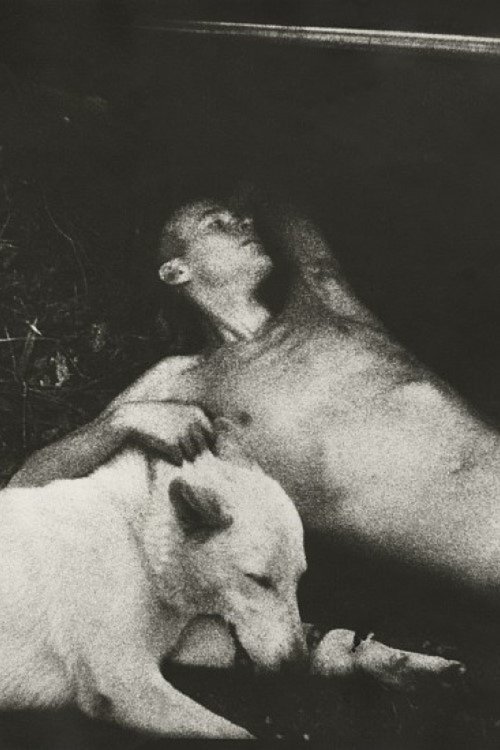
Shot on 16mm, this experimental film by James Herbert portrays a boy, a girl, a car and the ever lasting desire of the flesh.