Luigi Magni
Directing
Biography
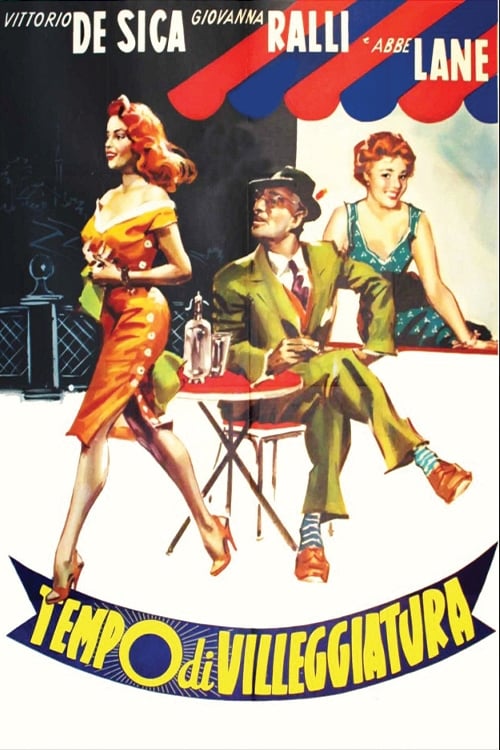
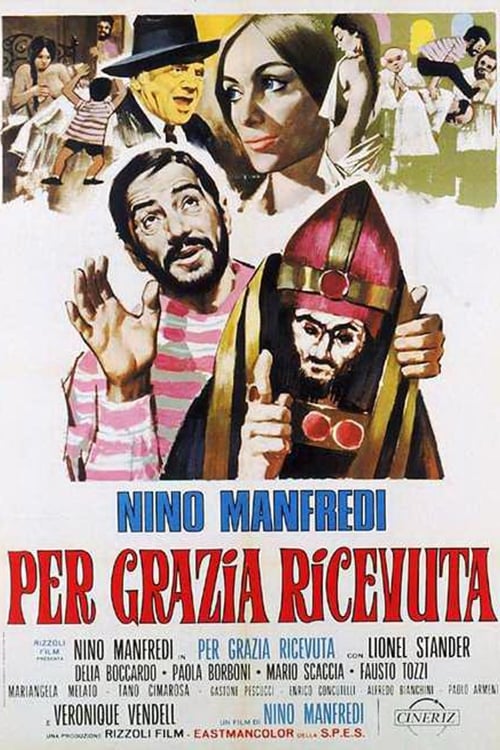
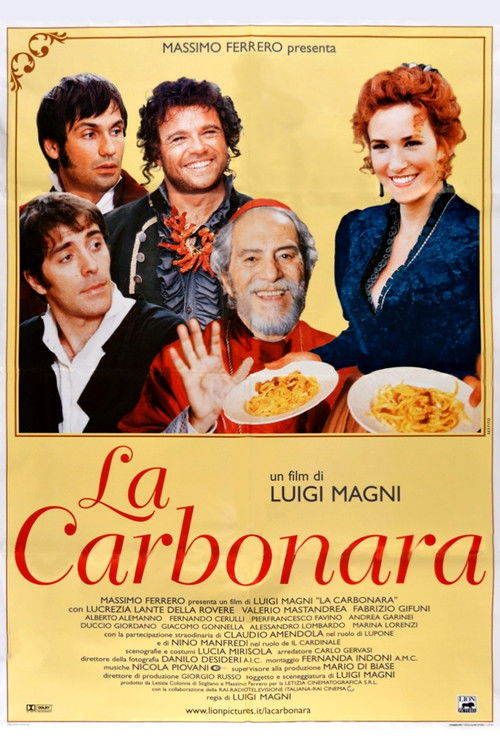
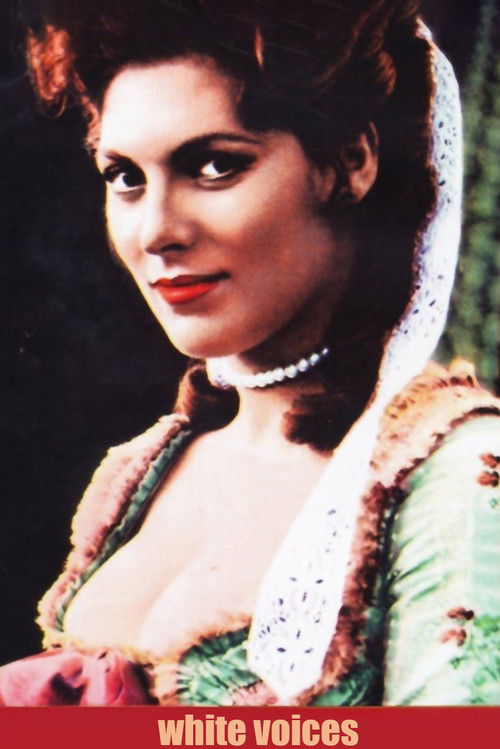
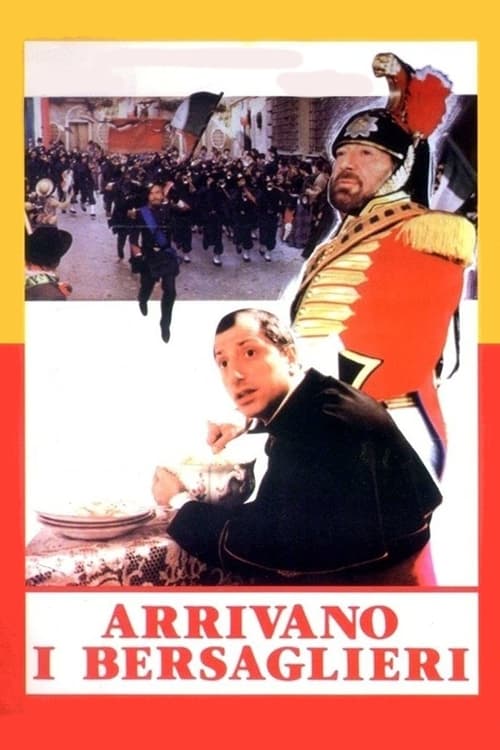
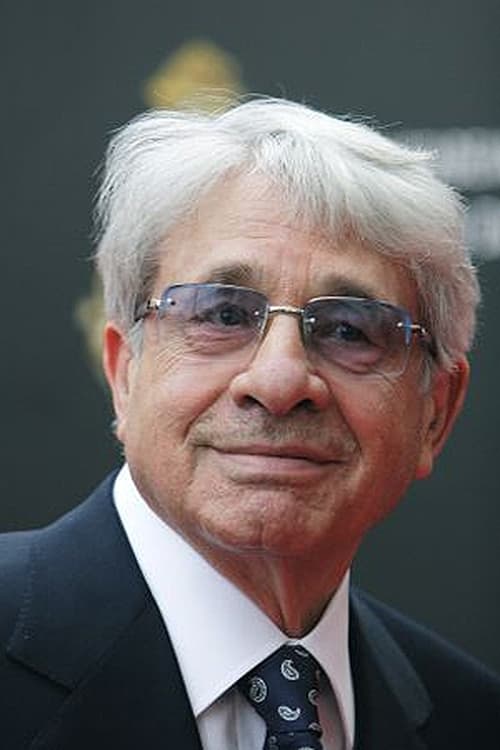
Luigi Magni (21 March 1928 – 27 October 2013) was an Italian screenwriter and film director. Born in Rome , Italy, Magni started his career as a screenwriter, in 1956, with Tempo di villeggiatura. In 1968 he collaborated with Mario Monicelli in creating a real "event" of the Italian cinema by transforming Monica Vitti into a comedic actress with The Girl with the Pistol , and the critical and commercial success of the film pushed him into directing. After the directorial debut with Faustina (which was also the debut film of Vonetta McGee ), in 1969 Magni achieved an extraordinary success with Nell'anno del Signore , which was the highest-grossing Italian film of the year, so as to require for the first time in Italy nighttime screenings to meet the demands of the audience. The film marked the encounter with Nino Manfredi , with whom Magni had a long-standing association on the set (including the screenplay of Manfredi's award-winning film Per Grazia Ricevuta ) and a close friendship off the set. The film also defined Magni's style, namely a commedia all'italiana mainly centered on Rome and its history, particularly the epoch between the Papal States and the Risorgimento.
Known For

No description available.
Cinecittà Cinecittà

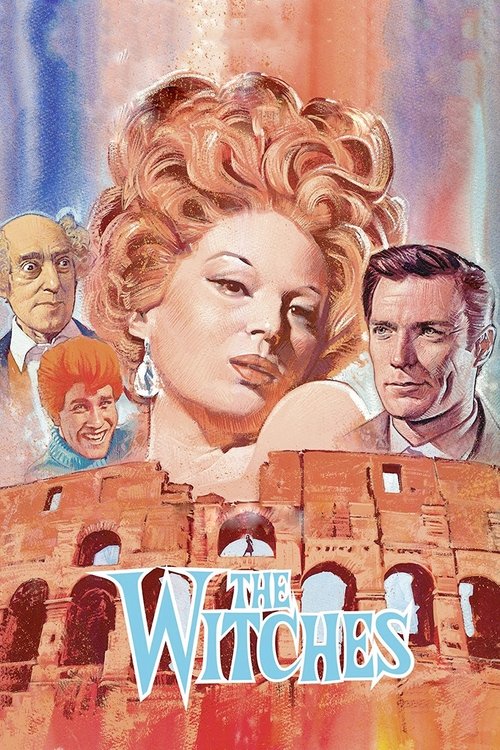
Five short stories loosely dealing with the roles of women in society. A superstar actress travels to a mountain resort, only to evoke jealousy from women and lust from men. A woman offers to take an injured man to the hospital. A widowed father and his son seek for a new wife/mother. A man seeks revenge for a woman's honor. A bored housewife tries to explain to her husband that he's not as romantic as he used to be.
The Witches

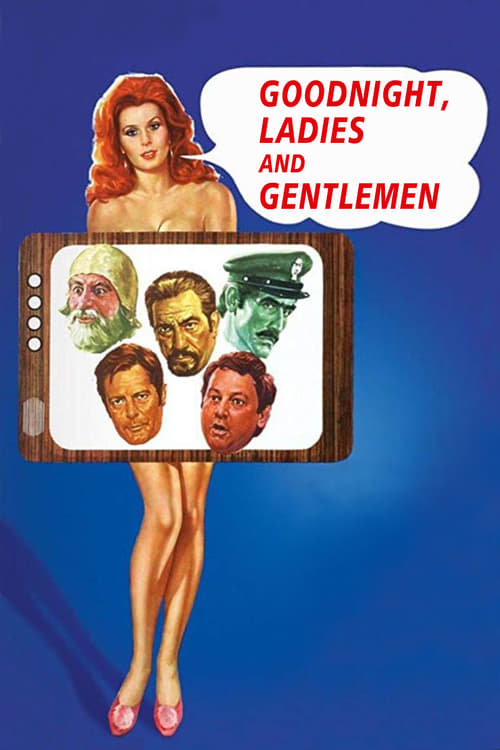
An episodic satire of the political and social status of Italy in the seventies, through the shows of one day of a television channel.
Goodnight, Ladies and Gentlemen

This semi-amusing sex (romance) comedy has four separate stories: "The Telephone Call", written by Rodolfo Sonego, directed by Dino Risi. "A Treatise on Eugenics", written by Tullio Pinelli from a story by Luciano Salce and Steno, directed by Luigi Comencini. "The Soup", written by Rodolfo Sonego and Luigi Magni, directed by Franco Rossi. "Monsignor Cupid", written by Leo Benvenuti and Piero de Bernardi from a story by Boccaccio, directed by Mauro Bolognini.
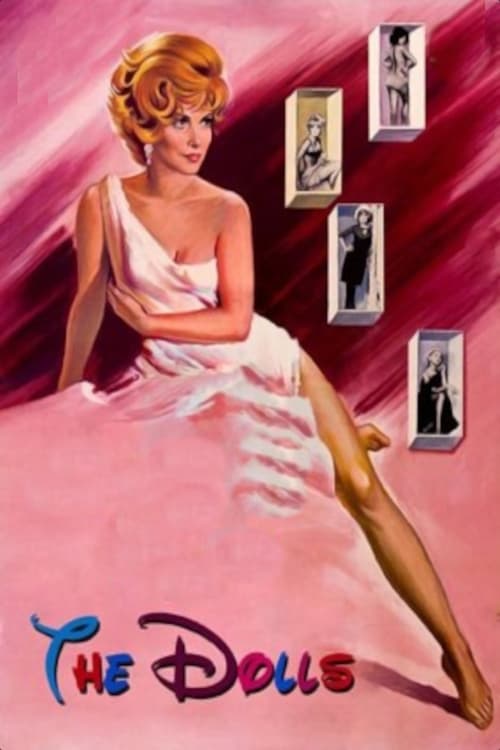
The Dolls

Four comedic shorts explore quirky relationships and misadventures: a teenage girl's journey home, a self-serving babysitter, a husband confronting infidelity, and a wealthy woman's drunken escapades with her butler.
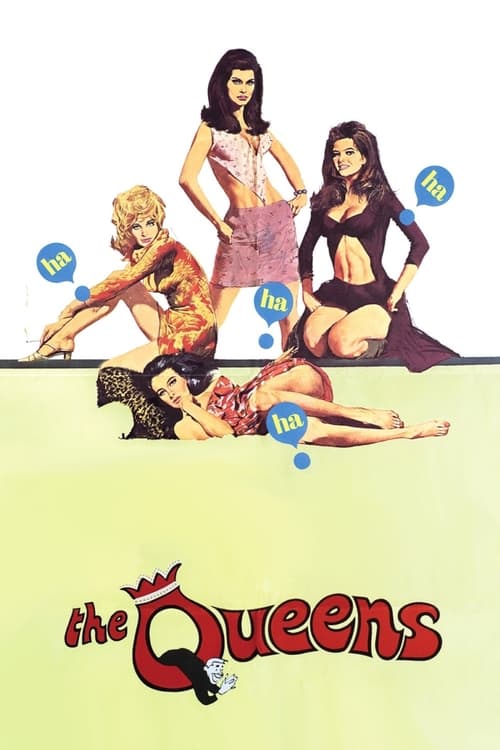
The Queens

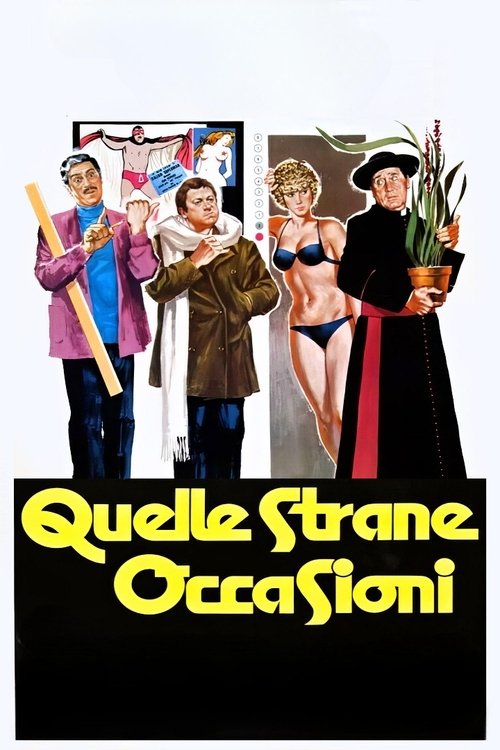
Three sexy and comic episodes.
Strange Occasion

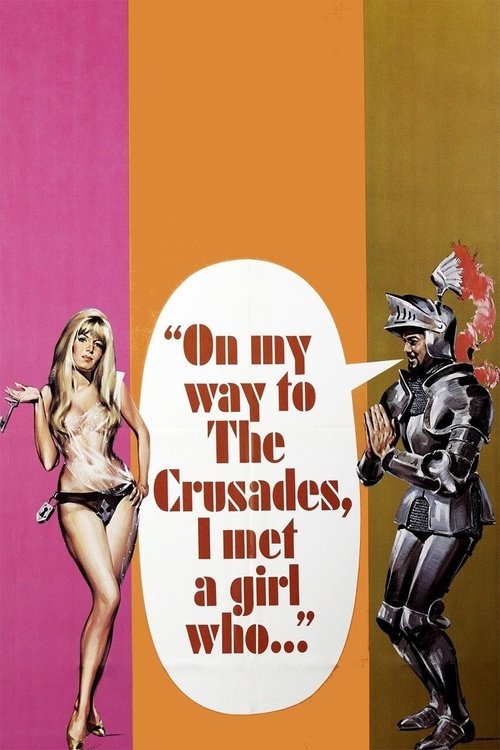
A chastity belt provides an endless amount of grief for a woman whose jealous husband has gone off to the Crusades.
On My Way to the Crusades, I Met a Girl Who...

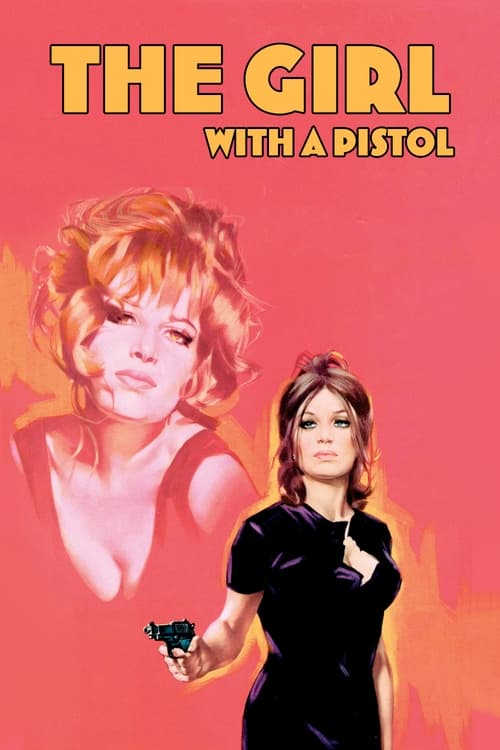
A Sicilian woman is dishonored by her lover, then goes to London with a pistol intending to murder him.
The Girl with a Pistol

One of the key factors in Italian unification was the overthrow in 1860 of Francesco, the King of Naples and the two Sicilies, who went into elegant but impoverished exile in Rome with his Queen, Maria Sofia. This seriocomic drama follows the deposed royals as they adapt to their new lives. The former king has recognized the political finality of his deposition, but his queen has taken to traveling in men's clothing all over Italy trying to foment an uprising to restore them to the throne. She is also frantic to have a baby, an heir, but the king has become celibate as a kind of homage to his beloved mother; he spends all his time lobbying the Vatican to get her declared a saint.
'o Re

Around the year 1500, the Italian priest Don Filippo Neri helps street kids and orphans in his poor little chapel.
State buoni se potete

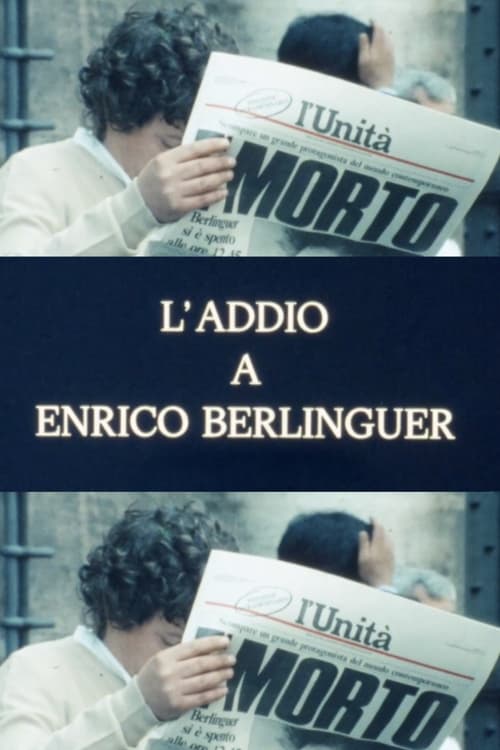
A film of Enrico Berlinguer's funeral in Rome, briefly tracing his career as leader of the Italian Communist Party.
Farewell to Enrico Berlinguer

Rome, 1800. Napoleon threatens the power of the Church and executions of Jacobins are constant. Angelotti, the most famous of them all has escaped from prison and the chief of police is on his tail. Angelotti is being helped by a painter, lover of "La Tosca", a famous singer. The police chief suspects the truth and tries to arouse the jealousy of "La Tosca" to catch the escapee.
La Tosca

Benedetto is a child who came out of an accident uninjured on his first communion's day. The people of his village attribute that to a miracle and made him undergo a strict religious upbringing. That fact will determine his life, which will be affected by inner torment caused by the confrontation between sexual desires and sacrifices of faith, sin and grace.
Between Miracles

The Posalaquaglia cousins are two small scammers and make a living of expedients: Dante receives as recognition for Tommaso a bill of one hundred thousand lire from the famous financier Bruscatelli, who ends up in prison immediately afterwards.
La cambiale

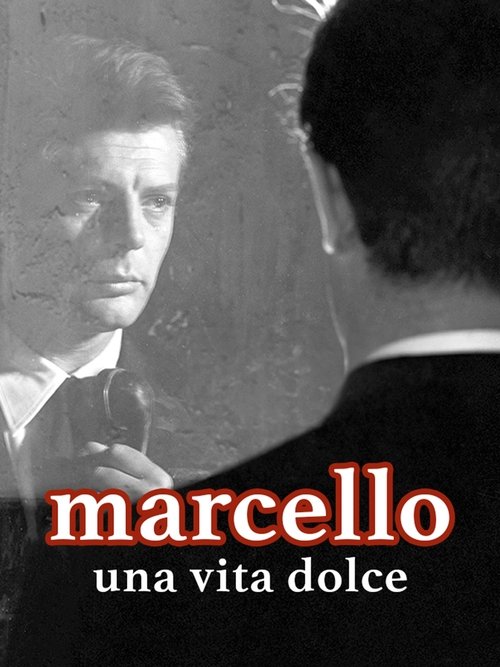
After shooting to fame with Federico Fellini’s “La Dolce Vita” (1960), actor Marcello Mastroianni (1924-1996) starred in more than 160 films in his nearly half-a-century career. Directors Mario Canale and Annarosa Morri look into the melancholic charm of one of the most famous Italian actors through interviews with his two daughters, Barbara and Chiara; directors Fellini and Luchino Visconti; actresses Claudia Cardinale and Anouk Aimee; and in archival footage of Mastroianni himself. The subject matter ranges from Mastroianni’s passion for kidney-bean pasta and his addiction to the telephone to his famous laziness, humility and talent. Shown in black-and-white, Mastroianni — elegantly holding a cigarette in between his fingers — is undeniably the dandy.
Marcello, una vita dolce

Three anthological segments about sexcapades and erotic fantasies in middle-class Italy.
Extraconiugale

Years after the Second Punic War, Scipio Africanus finds himself generally unliked, despite his defeat of Hannibal Barca. He and his brother, Scipio Asiaticus, are accused by Marcus Porcius Cato of the theft of 500 talents intended for Rome.
Scipio the African
Francesco Maselli pitched this documentary to the CGIL, CISL, and UIL trade unions as part of the 1.5 million-strong protest march on November 12, 1994 against Silvio Berlusconi's projects on social security and the reform of the pension system. A large number of directors, cinematographers, camera operators and technicians from all over the country worked for free in 22 different crews, chronicling one of largest political gatherings ever held in Italy.
Rome, November 12, 1994

Omnibus film with individual segments directed by Renato Castellani, Luigi Comencini and Franco Rossi; all of them starring the radiant Catherine Spaak as "out of place" women longing for love, in a Sicillian village, a monastery, and a modern Italian urban setting, respectively.
Three Nights of Love

Rome, 1825. Bishop Rivarola and Colonel Nardoni are in charge of suppressing the liberal revolution. Shoemaker Cornacchia got the information that the liberal Filippo Spada is a spy and is going to denounce his revolutionary companions.