Acting
No description available.
Gráci has been recently released from a reformatory school. His old gang would like to involve him in a new action, but he hesitates. His past record is bad enough already, and he would not like to get into new trouble.
While awaiting his release from the Soviet detention camp he is being held in, a half-starved refugee (Andras Ambrus) finds that an error has been made and his name is not on the to-be-released list. It is then that he is forced to assume the identity of a dead man whose name is on the list. Ambrus at first refuses, but because he was an orphan and cannot produce evidence of his true identity, he has no other choice. However, when he returns to the outer world and the community he was raised in, he is greeted with suspicion. When he tries to claim his part-ownership of a farm from his adopted uncle, he is refused and beaten by farmhands the uncle sets on him.
This satire on film depicts the micro-climate of a technical vocational school newly established at a housing estate. The construction vocational school holds a name-giving ceremony, thus calling the attention of its supervisory organ to itself. The school-master distributes as well as receives presents from the sponsoring factory, and the pupils sit for a written examination of unheard-of material. The results are devastating, which the despotic school-master attempts to conceal by a staged disciplinary procedure.
A musical farce about women in the canning factory. The pretty Brigitta tries to commit suicide, because Laci left her, pregnant, but her mates save her.
The scene is Ukraine. In 1943, after the Hungarian' defeat at the river Don, soldier Balogh decides to visit his family.
The film evokes the era of the 1831 cholera epidemic and the peasant uprising which followed it. The way of Doctor Balás, cholera commissioner, and district administrator Hunyor leads through the mountains of Zemplén and is lined by unburied corpses, peasants dying of the illness and of overdoses of bismuth, by the miserably starving population, the healthy digging mass-graves and by uncultivated lands.
The film is a ballad about the dwellers of a block-of-flats in Angyalföld.
A World War II-style "war game" setting the wealthy customers against skilled mercenaries goes awry when the simulated war gets too real.
The film is based on a true story. Jakus, managing director of a scooter-factory suddenly resigns, since he disagrees with his superiors in the ministry on several points. Disregarding the attacks of his family and friends, he returns to his original job and becomes a welder, which is not very easy because of his records.
Feature film version of the 1971 series. On the eve of the 18th century, County Vicecomes Görgey Pál broods alone in his manor while the town of Leutschau celebrates New Year’s with lead‐casting omens and a disastrous hunt that sparks a bitter feud. As Görgey fights for his honor and life, and the townspeople defend their Saxon privileges, their mutual blind ambition prevents them from seeing the rising light of Rákóczi’s coming rebellion.
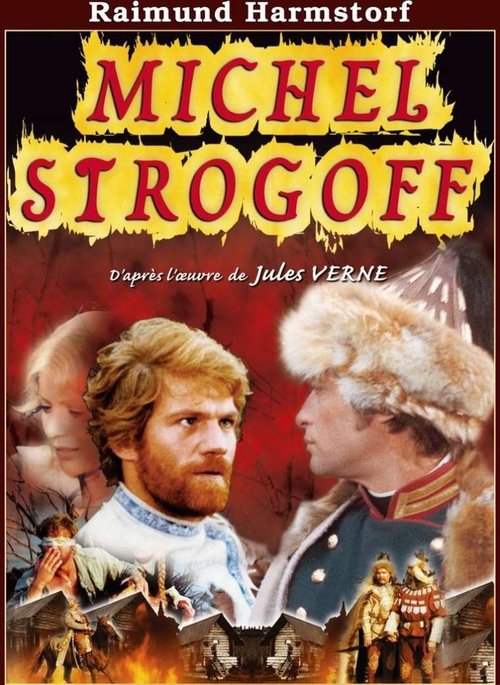
Captain Michael Strogoff is chosen in Moscow to be the courier of the Tsar, 5,523 km far to Irkutsk, to warn the governor about the traitor Ivan Ogareff, a former colonel, who was once demoted and exiled and now seeks revenge.
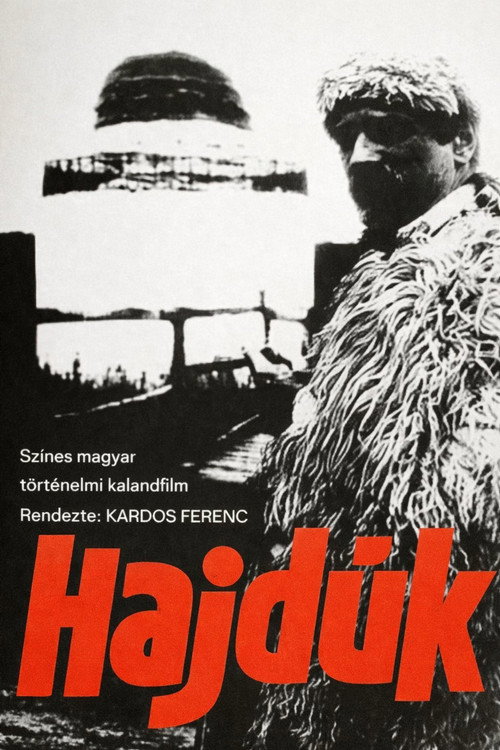
This film, set at the beginning of the 17th century, is the first East-European "Eastern". Bocskai István orders the free Heyducks to shepherd a huge herd of cattle through the country torn to three parts, to the Dalmatian coast, where he can get weapons in exchange, for fighting the Austrians.
In 1919, Hungarian Communists aid the Bolsheviks' defeat of Czarists, the Whites. Near the Volga, a monastery and a field hospital are held by one side and then the other.
An orphan girl suffers abuse from her adoptive parents.
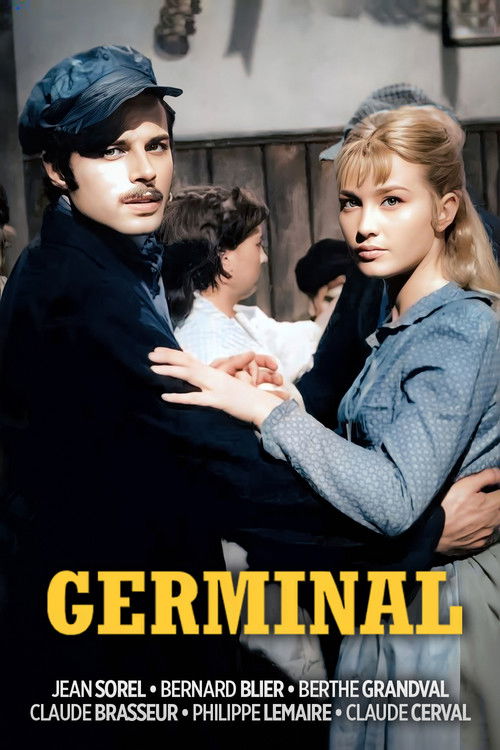
Dismissed from the railroads in 1863 for his union activities, Etienne Lantier found a job at the Voreux coal mine. But work was hard, wages were low and safety left much to be desired. Lantier tried to organize the miners into a union. When mine manager Hennebeau refused to negotiate, the workers launched a general strike, which ended with the intervention of the troops.
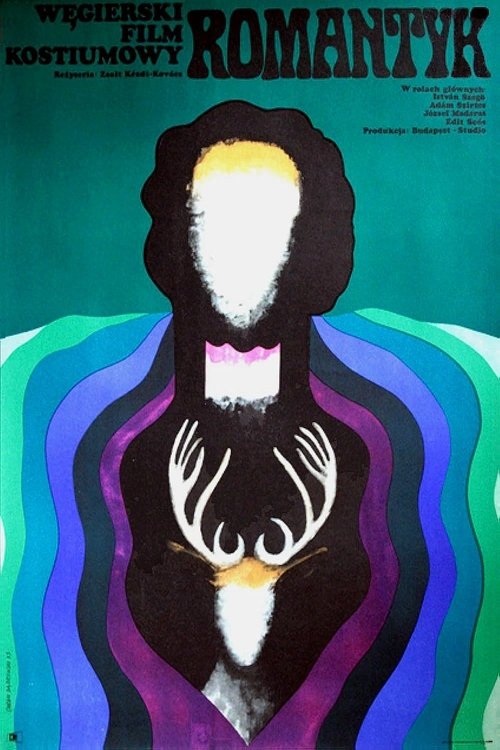
This film, set at the end of the 18th century, in a provincial and noble environment raises the question of humans forced to lead a meaningless life. The rich Transylvanian noble youth, Kálmán, absorbed the spirit of freedom and enlightened culture in Paris. Returning to his father's estate, he encounters a superstitious backwardness and an orgiastic storming of violence and instincts.
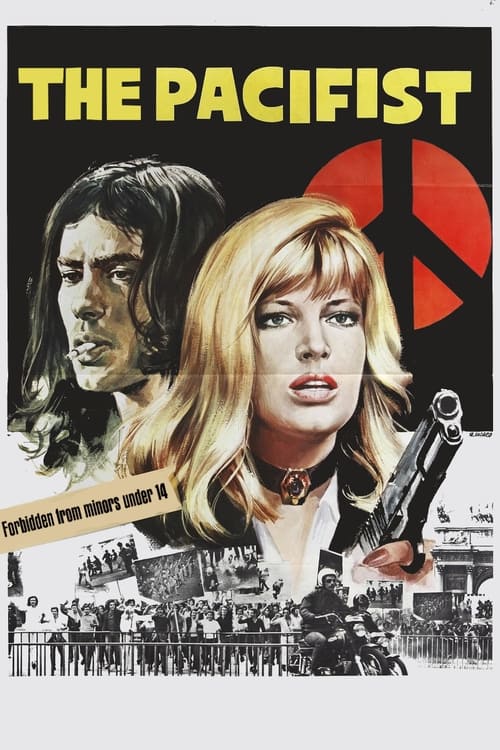
A journalist preparing a story on extremist youth falls in love with a young radical who fears being killed by his companions when he is unable to commit a political assassination.
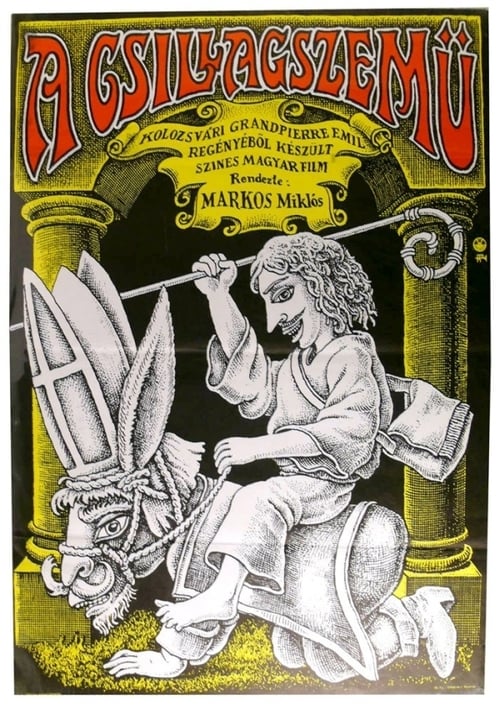
The powerful, all-powerful lord, Bishop Ambrus, keeps the unfortunate serfs of his county kingdom in fear. But one day, a young man - the youngest son of the poorest serf - stands up to him. The people of the area call him Star-Eyed.