FEEL IT.STREAM
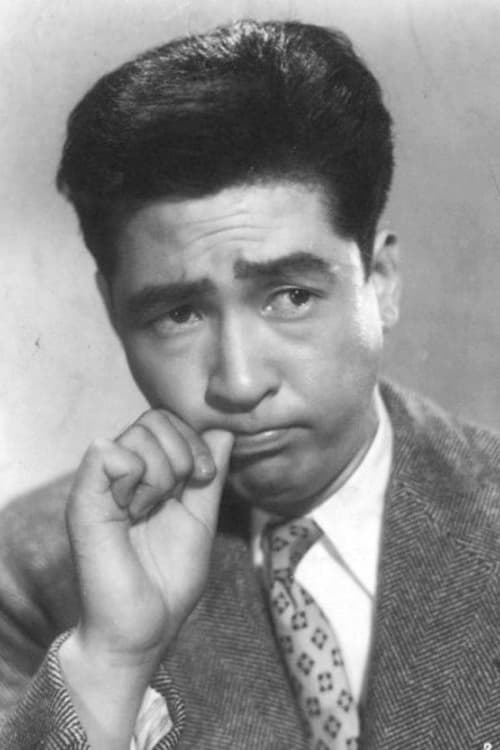
Keiju Kobayashi

Keiju Kobayashi

Acting

Biography

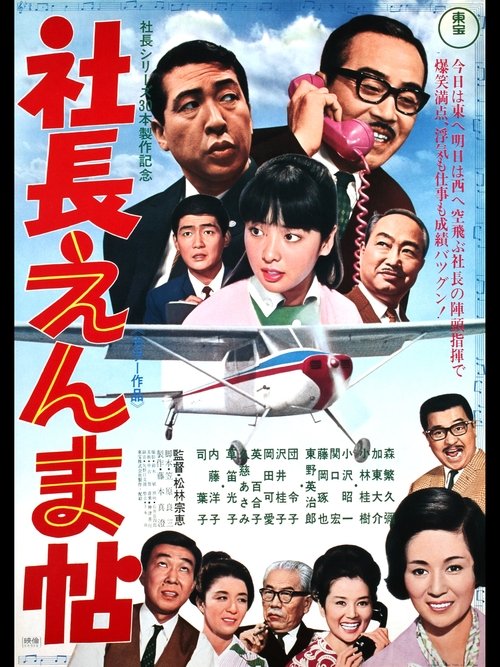
From Wikipedia, the free encyclopedia. Keiju Kobayashi (23 November 1923–16 September 2010) was a Japanese actor. Born in Gunma Prefecture, he began acting at the Nikkatsu studio after dropping out of Nihon University and made his film debut in 1942. In a career that spanned 65 years, he appeared in over 250 films, most famously in the "Company President" (Shachō) comedy films made at Toho, where he worked alongside Hisaya Morishige, Daisuke Kato, Norihei Miki, and others. There he helped define the popular image of the postwar salaryman. He also won many awards for his acting, including best actor awards at the Mainichi Film Awards for The Naked General in 1958 (where he played Kiyoshi Yamashita), for Kuroi gashū in 1960, and for The Elegant Life of Mr Everyman in 1963. Kobayashi appeared in films made by such notable directors as Akira Kurosawa, Yasujirō Ozu, Mikio Naruse, and Kihachi Okamoto. He continued to give powerful performances after largely moving to television in the late 1960s. He died on 16 September 2010 of heart failure at the age of 86. Description above from the Wikipedia article Keiju Kobayashi, licensed under CC-BY-SA, full list of contributors on Wikipedia

Known For

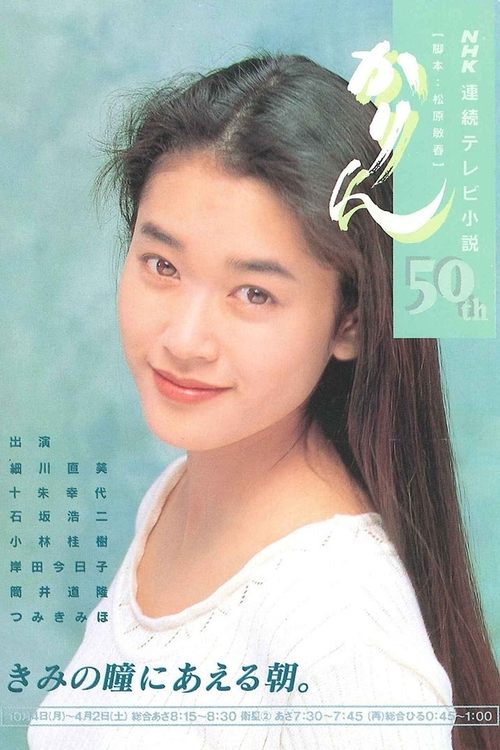
Karin
N/A

A young woman Chiaki whose family runs an old miso company in Nagano Prefecture, the only daughter of old traditional family. For generations, they were making soybean paste for living. Now she needs to take over this business and rebuild it. She lives through the hardships of postwar Japan.

Karin

1993
Whisper of the Heart
7.9

Shizuku lives a simple life, dominated by her love for stories and writing. One day she notices that all the library books she has have been previously checked out by the same person: "Seiji Amasawa."

Whisper of the Heart

1995
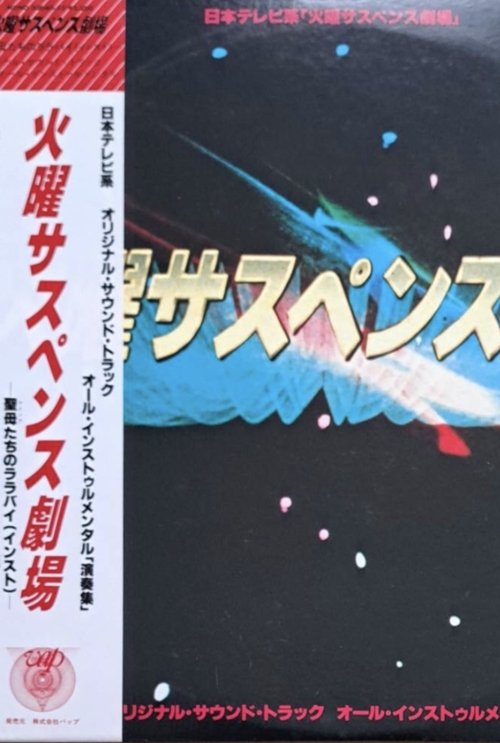
Tuesday Suspense Theater
N/A

"Tuesday Suspense Theater" was broadcast every Tuesday from 21:00 to 22:54 ( JST ) on the Nippon Television network for 24 years from September 29 , 1981 to September 27, 2005. It was a two-hour drama slot. As a general rule, suspense dramas with one complete episode (very rarely, two parts) were broadcast every week from 21:00 to 22:54 ( JST ). It is a broadcast frame. Some episodes also aired horror, historical dramas, and special effects dramas.

Tuesday Suspense Theater

1981
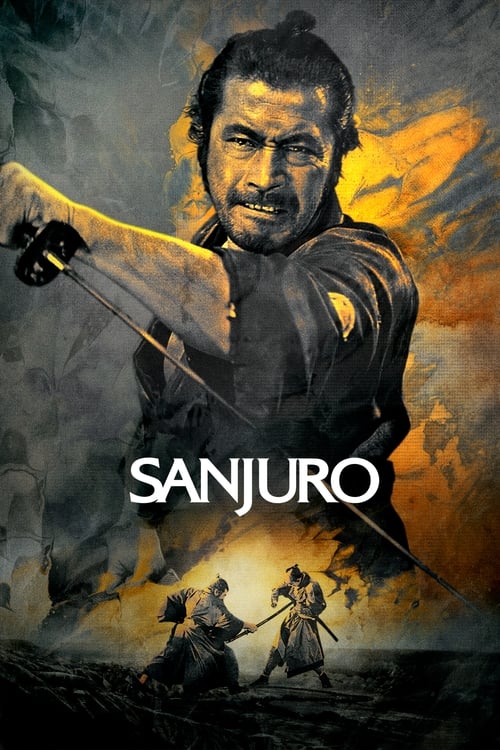
Sanjuro
8.0

In this companion piece and sequel to "Yojimbo," jaded samurai Sanjuro helps an idealistic group of young warriors weed out their clan's evil influences, and in the process turns their image of a proper samurai on its ear.

Sanjuro

1962
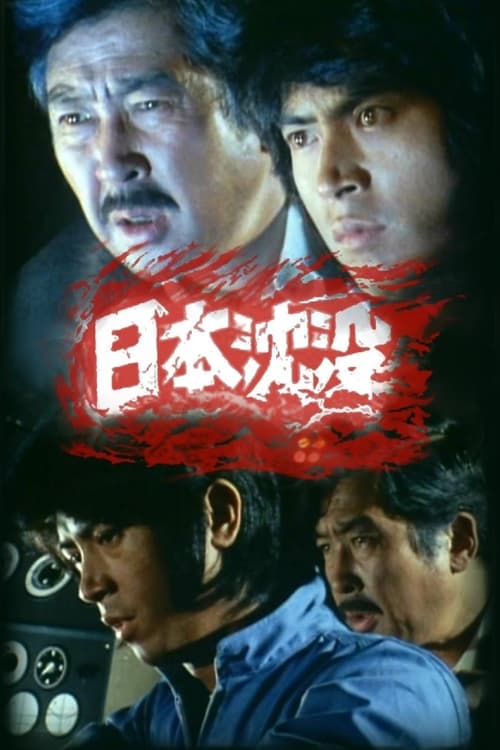
Submersion of Japan
N/A

In this TV series of the hit 1973 film, Volcanic eruptions and earthquakes shake Japan. Firestorms burn beautiful Japanese cities to the ground. A weather survey group discovers that the Japanese Archipelago is moving towards the Japanese Trench, which if left to continue on its collision course, would bring the whole island of Japan under the sea!

Submersion of Japan

1974
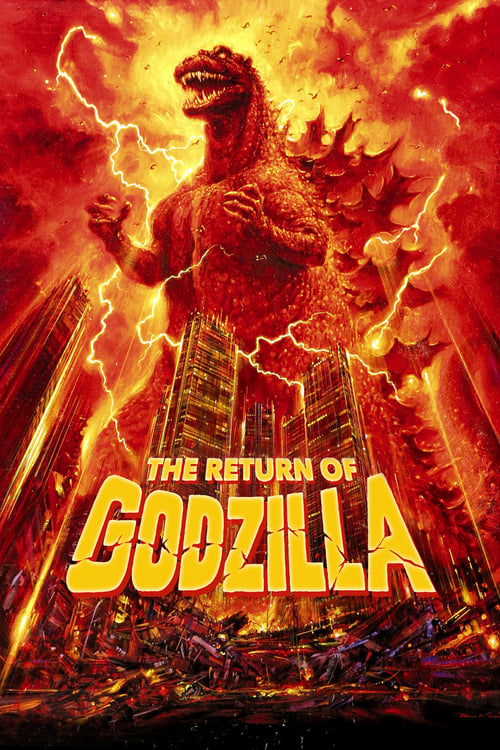
The Return of Godzilla
7.2

After a fishing boat is attacked, the sole surviving crew member realizes it is none other than a resurrected Godzilla. However, efforts to bring the story to light are suppressed by the Japanese government amid growing political tensions between the United States and the Soviet Union, who are both willing to bomb Japan to stop the monster.

The Return of Godzilla

1984
Waves of Spring
N/A

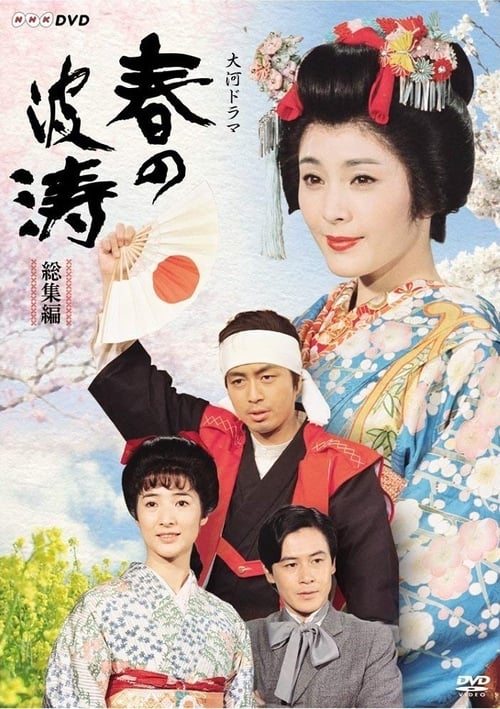
The life and times of trailblazing actress Kawakami Sadayakko (Sada Yacco) from Meiji into Taishō, her marriage to orator-actor Kawakami Otojirō, ties to Fukuzawa Yukichi and magnate Fukuzawa Momosuke, and encounters with statesman Itō Hirobumi.

Waves of Spring

1985
Wind, Clouds, and Rainbow
9.0

Kaze to kumo to Niji to deals with the Heian period in Japan. Based on Chōgorō Kaionji`s novels Taira no Masakado and Umi to Kaze to Niji to. The drama was made by Go Kato`s request. The story chronicles the life of Taira no Masakado . The story begins with Masakado′s childhood. Masakado happens to meet Fujiwara no Hidesato, and he thinks that he want to be great Samurai like Hidesato in the future.

Wind, Clouds, and Rainbow

1976
The Imperial Navy
6.6

A lavish retelling of the true story of the final voyage and ultimate destruction and sinking of the battleship Yamato, Japan's greatest flagship during the Second World War.

The Imperial Navy

1981
Japan Sinks
N/A

Long-form adaptation of previous year's movie; due to a sudden tectonic shift, the country of Japan starts sinking.

Japan Sinks

1974
Submersion of Japan
7.0

A team of geophysicists investigating seismic activity on the seafloor discover that the islands of Japan, after suffering from massive volcanic eruptions and earthquakes, will be pulled into the ocean, killing millions.

Submersion of Japan

1973
Pieces of Autumn
N/A

University student Minoru Niijima is a timid young man who gives up on his girlfriend's older brother after being threatened by him. Minoru's father, Seiichi, is a tired office worker nearing retirement, and his mother, Reiko, is an ordinary housewife who is considerate of her husband and believes her children are well-behaved. Minoru's older brother, Shigeru, works as a bed salesman. He is a nuisance to Minoru, as he is rough and always brags about his work. Minoru's younger sister, Yoko, is a second-year high school student, but to Minoru, she still has the childishness of a middle school student. One day, Minoru is persuaded by his university friend, Karaki, to commit a sexual assault on a train. Unfortunately, the girl he chooses is a female student from a delinquent group, and he ends up being beaten up by the delinquent group. However, the new member of the group who appears before Minoru is his younger sister Yoko.

Pieces of Autumn

1973
Beast Alley
7.0

Desperate to escape her grueling life caring for her paralyzed husband, Tamiko murders him and burns down their home to start anew. She is soon entangled in the dark web of an influential, elderly power broker, becoming his mistress and a pawn in his political schemes. As she descends further into a downward spiral of moral decay, Tamiko realizes that the freedom she sought is merely a new form of entrapment.

Beast Alley

1965
The Battle of Okinawa
7.8

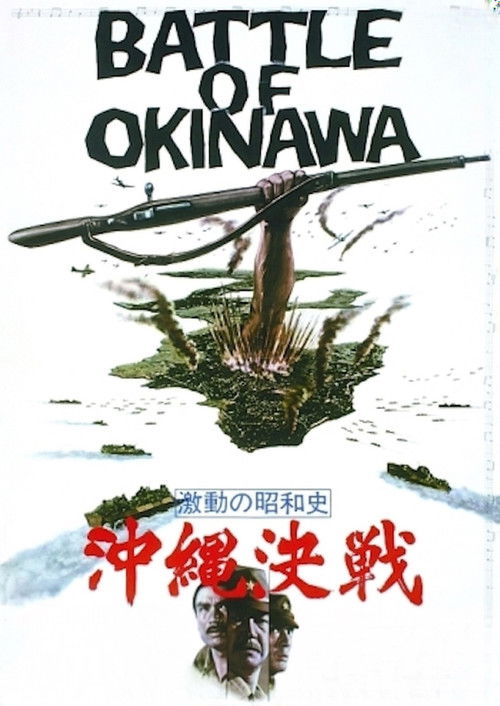
The Americans are swiftly closing on Okinawa, an island just south of the Japanese mainland. The Imperial command sends top generals and several army divisions to defend it at all costs. The mission quickly degenerates as vital resources and troops are diverted to other islands. After a civilian evacuation ends in tragedy most of non-combatants are forced to remain on the island. Many convert to soldier status. Tokyo sends mixed messages that squander time and resources, as when they order the defenders to build an airstrip for aircraft that never come. The truth soon becomes obvious: the high command decides that the island cannot be held and effectively abandons the Okinawan defenders. When the Americans land many troops are deployed in the wrong places. As the slaughter mounts, a suicidal attitude takes hold. Okinawa becomes a death trap, for civilian volunteers and non-combatants as well.

The Battle of Okinawa

1971
Mount Hakkoda
6.6

Two infantry regiments of the Imperial Japanese Army—210 men overall—tackled Mt. Hakkoda in the winter of 1902 to prepare for war with Russia.

Mount Hakkoda

1977
The End of Summer
7.5

The family of an older man who runs a small sake brewery become concerned with his finances and his health after they discover him visiting an old mistress from his youth.

The End of Summer

1961
Japan's Longest Day
7.3

Following the detonation of the atomic bombs on Hiroshima and Nagasaki, the Japanese military and the government clash over the demand from the Allies for unconditional surrender. Minister of the Army Anami leads the military officers who propose to fight on, even to the death of every Japanese citizen. Emperor Hirohito, however, joins with his ministers in asking the unthinkable, the peaceful surrender of Japan. When the military plots a coup to overthrow the Emperor's civilian government, Anami must face the choice between his desires and loyalty to his Emperor.

Japan's Longest Day

1967
The Storm of the Pacific
6.0

Lt. Koji Kitami is a navigator-bombardier in Japan's Naval Air Force. He participates in the Japanese raid on the U.S. Naval Base at Pearl Harbor in 1941 and is welcomed with pride in his hometown on his return. As Japan racks up victory after victory in the Pacific War, Kitami is caught up in the emotion of the time and fights courageously for the standard of Japanese honor. But his assuredness of his government's righteousness is shaken after the Japanese navy is defeated in the debacle of Midway.

The Storm of the Pacific

1960
Chûshingura
7.1

After their lord is tricked into committing ritual suicide, forty-seven samurai warriors await the chance to avenge their master and reclaim their honor.

Chûshingura

1962
Godzilla 1985
6.8

Originally released in Japan as "The Return of Godzilla" in 1984, this is the heavily re-edited, re-titled "Godzilla 1985". Adding in new footage of Raymond Burr, this 16th Godzilla film ignores all previous sequels and serves as a direct follow-up to the 1956 "Godzilla King of the Monsters", which also featured scenes with Burr edited into 1954's "Godzilla". This film restores the darker tone of the original, as we witness the nuclear destruction of giant lizard terrorizing Japan.

Godzilla 1985

1985