Sonny Terry
Acting
Biography
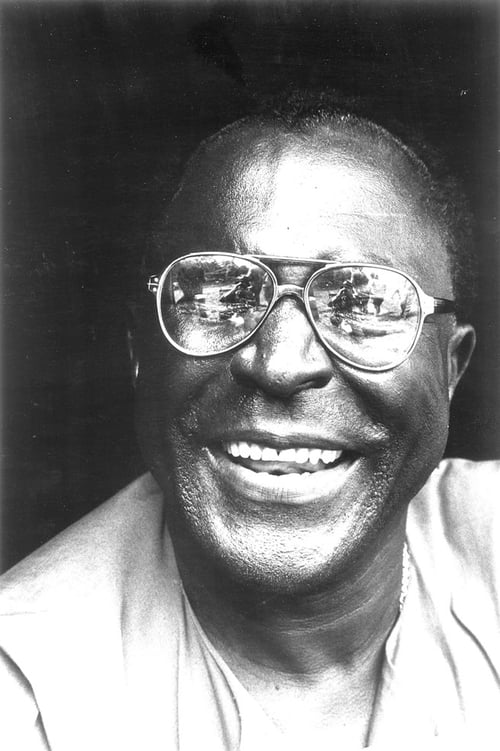
Sonny Terry was an American Piedmont blues and folk musician, who was known for his energetic blues harmonica style, which frequently included vocal whoops and hollers and occasionally imitations of trains and fox hunts.
Known For

The Midnight Special is an American late-night musical variety series that aired on NBC during the 1970s and early 1980s, created and produced by Burt Sugarman. It premiered as a special on August 19, 1972, then began its run as a regular series on February 2, 1973; its last episode was on May 1, 1981. The ninety-minute program followed the Friday night edition of The Tonight Show Starring Johnny Carson. The show typically featured guest hosts, except for a period from July 1975 through March 1976 when singer Helen Reddy served as the regular host. Wolfman Jack served as the announcer and frequent guest host. The series also occasionally aired vintage footage of older acts. As the program neared the end of its run in the early 1980s, it began to frequently use lip-synched performances rather than live. The program also featured occasional comedic performances such as Richard Pryor and Andy Kaufman.
The Midnight Special

An epic tale spanning forty years in the life of Celie, an African-American woman living in the South who survives incredible abuse and bigotry. After Celie's abusive father marries her off to the equally debasing 'Mister' Albert Johnson, things go from bad to worse, leaving Celie to find companionship anywhere she can. She perseveres, holding on to her dream of one day being reunited with her sister in Africa.
The Color Purple

After discovering he's not really black like the rest of his family, likable dimwit Navin Johnson sets off on a hilarious misadventure that takes him from rags to riches and back again. The slaphappy jerk strikes it rich, but life in the fast lane isn't all it's cracked up to be and, in the end, all that really matters to Johnson is his true love.
The Jerk

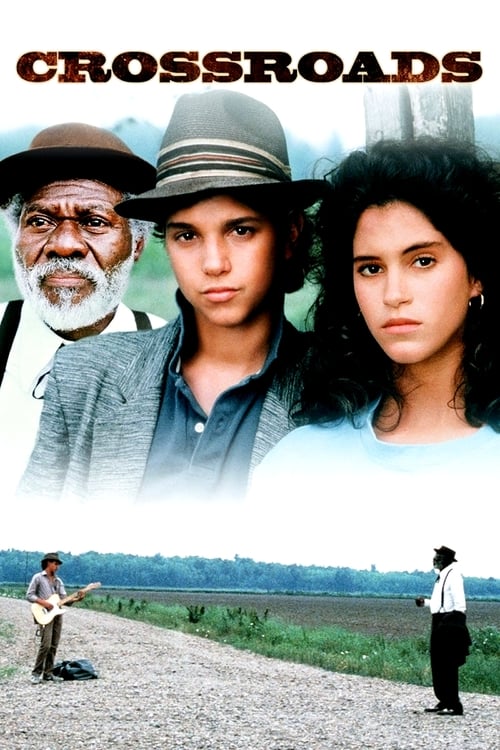
A wanna-be blues guitar virtuoso seeks a long-lost song by legendary musician, Robert Johnson.
Crossroads

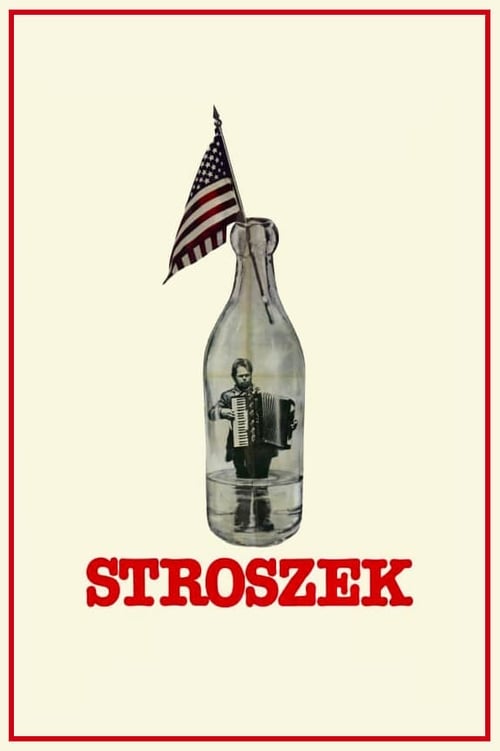
Bruno Stroszek is released from prison and warned to stop drinking. He has few skills and fewer expectations: with a glockenspiel and an accordion, he ekes out a living as a street musician. He befriends Eva, a prostitute down on her luck and they join his neighbor, Scheitz, an elderly eccentric, when he leaves Germany to live in Wisconsin.
Stroszek

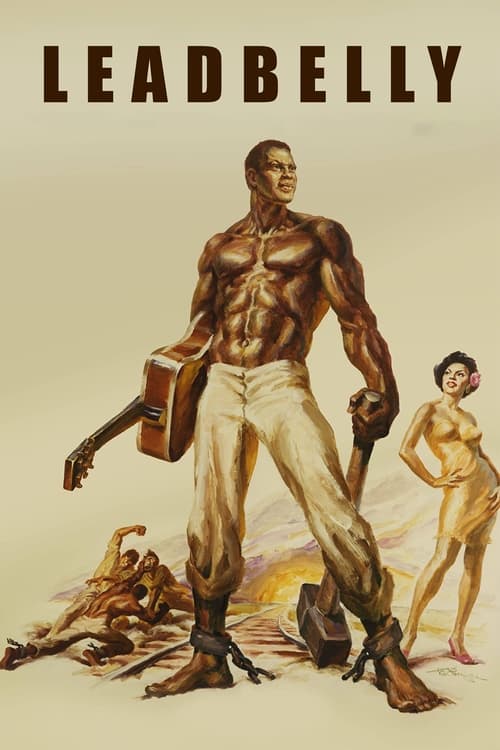
The life of Blues and folk singer Huddie Leadbetter, nicknamed Leadbelly is recounted. Covering the good times and bad from his 20s to 40s. Much of that time was spent on chain gangs in the south. Even in prison he became well known for the songs he had composed and sung during and before the time he spent there.
Leadbelly

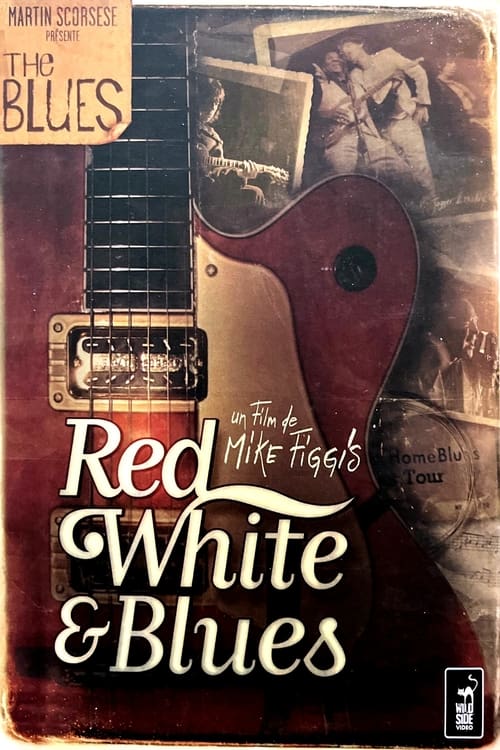
Director Mike Figgis (Stormy Monday, Leaving Las Vegas, Time Code) joins musicians such as Van Morrison, Eric Clapton, Jeff Beck, and Tom Jones, performing and talking about the music of the early sixties British invasion that reintroduced the blues sound to America.
Red, White and Blues

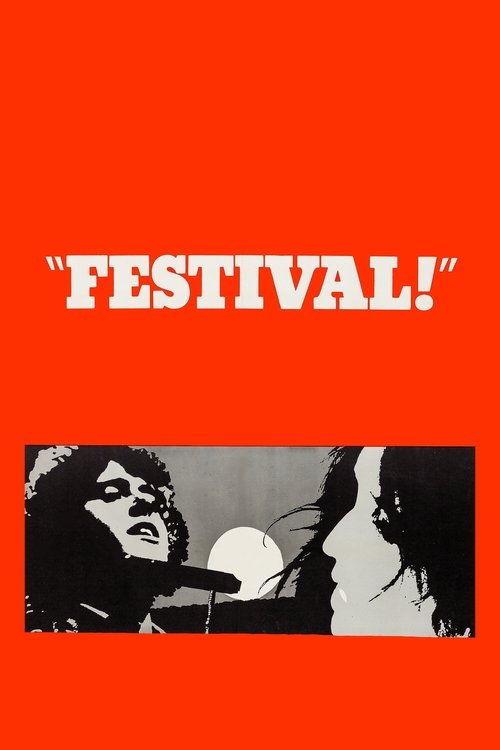
Black and white footage of performances, interviews, and conversations at the Newport Folk Festival, from 1963 to 1966. The headliners are Peter, Paul and Mary, Joan Baez, Pete Seeger, and Bob Dylan, who's acoustic and electric. Son House and Mike Bloomfield talk about the blues; John Hurt, Howlin' Wolf, and Sonny Terry and Brownie McGhee show its range. The Osborne Brothers perform bluegrass. Donovan, Johnny Cash, Judy Collins, Mimi and Dick Farina, and others less well known also perform. Several talk musical philosophy, and there's a running commentary about the nature and appeal of folk music. The crowd looks clean cut.
Festival

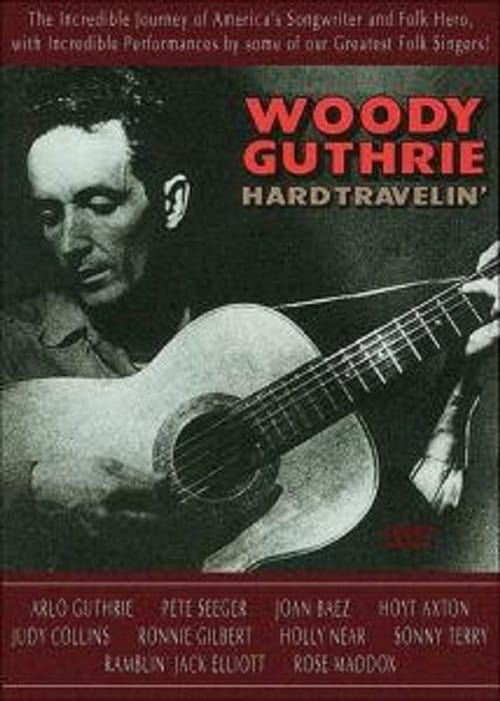
A warmhearted memorial to the folk singer whose songs galvanized organizers and guitar-pickers across the United States. Part biography, part travelogue and part hootenanny, it follows the singer's son, Arlo Guthrie, as he retraces his father's steps and collects reminiscences from his father's family, friends and musical partners.
Woody Guthrie: Hard Travelin'

Blurring the line between documentary and fiction, THE BLUES UNDER THE SKIN dramatizes the tumultuous relationship of a young couple (Onike Lee and Roland Sanchez) as they struggle to overcome the barriers of poverty and prejudice that keep them from finding happiness together.
The Blues Under the Skin

Documentary on the life of Woody Guthrie, the travelling songwriter and singer who paved the way for the likes of Bob Dylan and Bruce Springsteen.
BBC Arena: Woody Guthrie

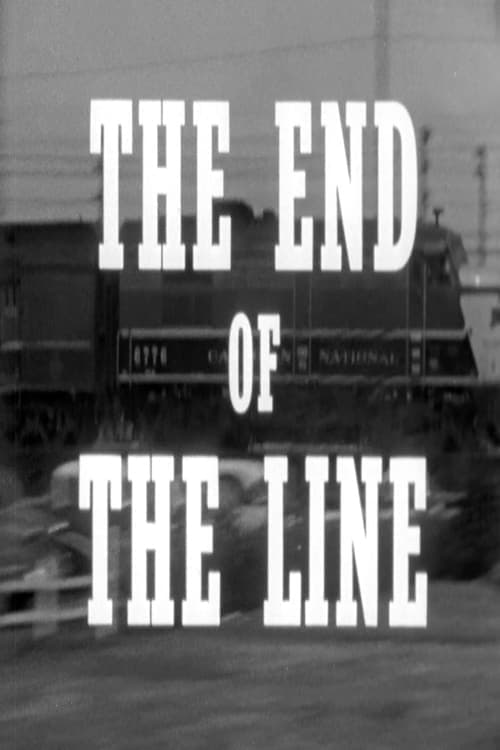
This documentary short offers a nostalgic look at the steam locomotive as it passes from reality to history. In its heyday, the big smoke-belching steam engine seemed immortal. Now, powerful and efficient diesels are pushing the old coal-burning locomotives to the sidelines, and the lonely echo of their whistles may soon be a thing of the past.
The End of the Line

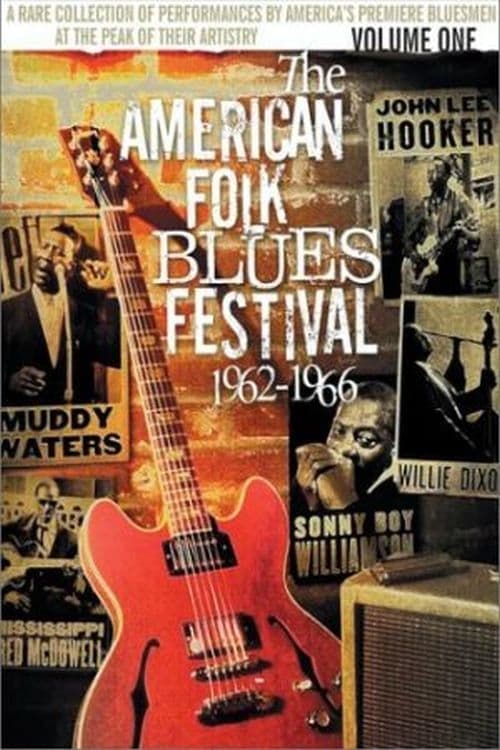
Taken from the European tours organised for American blues musicians between 1962 and 1969, this release features performances by several popular blues artists, including: T-Bone Walker, John Lee Hooker, Muddy Waters, etc.
The American Folk Blues Festival 1962-1966, Vol. 1

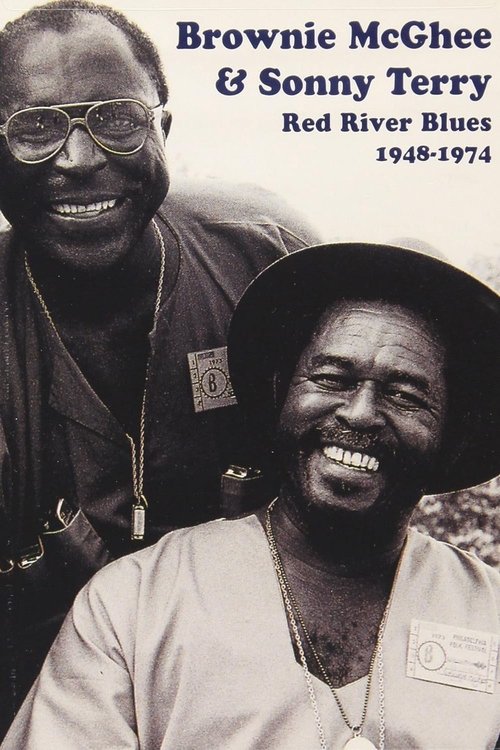
For some 30 years, they embodied "country blues" for folk music audiences around the globe. Sonny Terry and Brownie McGhee were once ubiquitous, and as such tended to be taken for granted in the halcyon days of the 1960s blues rediscoveries. But nearly two decades have passed since the perennial team parted, and the 16 performances here remind us of this superb duo's complementary strengths.
Brownie McGhee & Sonny Terry: Red River Blues 1948-1974

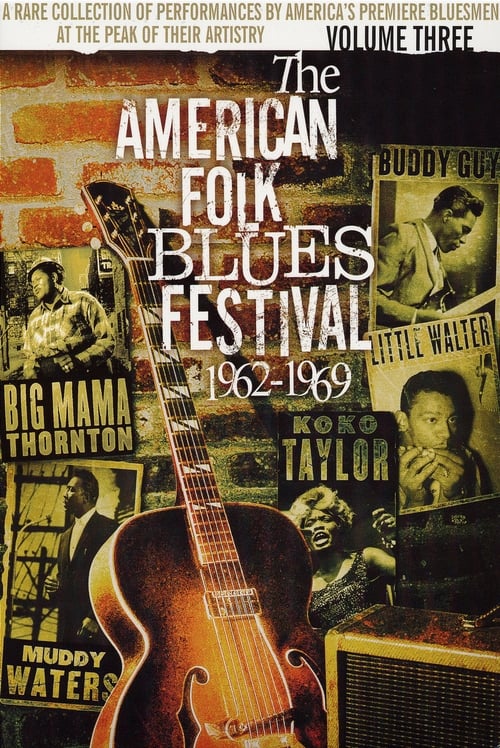
Taken from the European tours organised for American blues musicians between 1962 and 1969, this release features performances by several popular blues artists, including: Big Mama Thornton, Roosevelt Sykes, Buddy Guy, Dr. Isaiah Ross, Big Joe Turner, Skip James, Bukka White, Son House, Hound Dog Taylor and Little Walter, Koko Taylor and Little Walter, Sonny Terry and Brownie McGhee, Helen Humes, Earl Hooker, and Muddy Waters.
The American Folk Blues Festival 1962-1969, Vol. 3

A short film about Pete Seeger and the birth of banjo music throughout the Southern United States.
To Hear Your Banjo Play

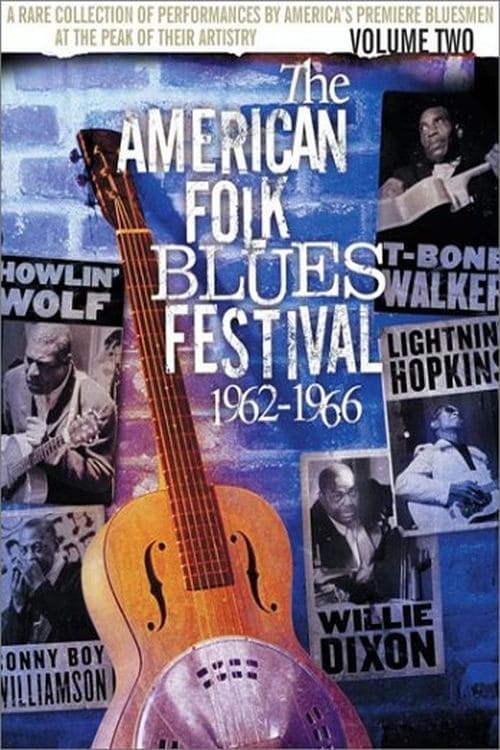
Taken from the European tours organised for American blues musicians between 1962 and 1969, this release features performances by several popular blues artists, including: T-Bone Walker, Lightnin' Hopkins, Victory Spivey, T-Bone Walker ...
The American Folk Blues Festival 1962-1966, Vol. 2
A 16 minute short comprising 2 acts of a 1964 event where an innovative group of musicians performed on a real railroad track. The audience on one side of the tracks and the musicians on the station side.
American Folk-Blues Festival: The Blues and Gospel Train
In 1944 Lye moved to New York City, initially to direct for the documentary newsreel The March of Time. He settled in the West Village, where he mixed with artists who later became the Abstract Expressionists, encouraged New York’s emerging filmmakers such as Francis Lee, taught with Hans Richter, and assisted Ian Hugo on Bells of Atlantis. Color Cry was based on a development of the “rayogram” or “shadow cast” process, using fabrics as stencils, with the images synchronized to a haunting blues song by Sonny Terry, which Lye imagined to be the anguished cry of a runaway slave. —Harvard Film Archive