Daisuke Ryū
Acting
Biography
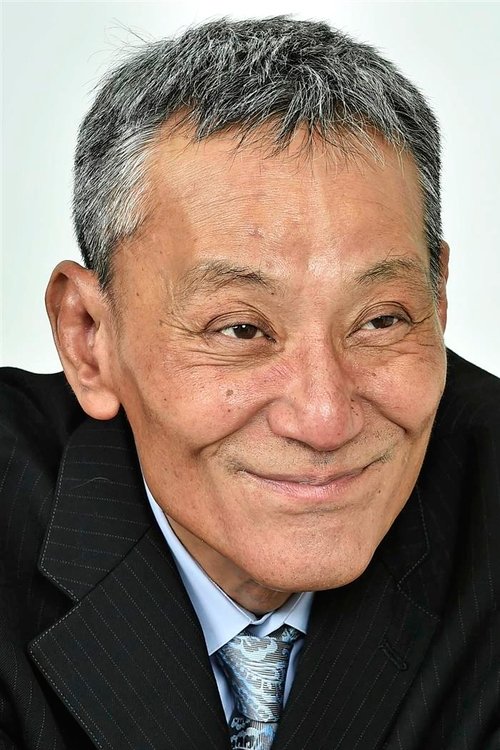
Daisuke Ryu was a Japanese actor born in Tokyo, Japan on 14 February 1957. He won the Japanese "best new actor" Blue ribbon award for his performance as the legendary warrior Oda Nobunaga in Akira Kurosawa's movie Kagemusha (The Shadow Warrior). Other notable performances include Saburo Ichimonji in the famous Kurosawa epic Ran and the legendary warrior monk Benkei in Sogo Ishii's critically acclaimed Gojoe (Gojō reisenki or The Spirit war chronicle). He starred opposite Samantha Bond in the 1989 television serial The Ginger Tree, where he played Count Kentaro Kurihama. Based on the novel by Oswald Wynd, set in Japan at the turn of the century, it spans the period 1903 to the outbreak of the Second World War. Description above from the Wikipedia article Daisuke Ryu, licensed under CC-BY-SA, full list of contributors on Wikipedia
Known For

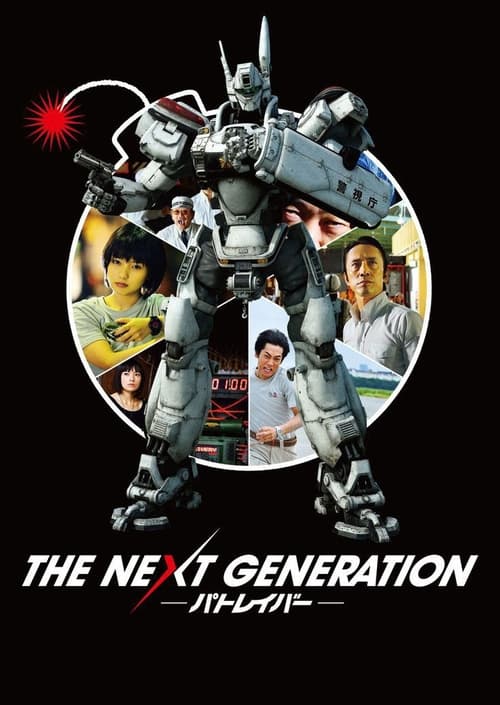
In a world where giant robots are built and used for labor, a special police force of robots is created to handle crimes relating to these machines.
The Next Generation: Patlabor

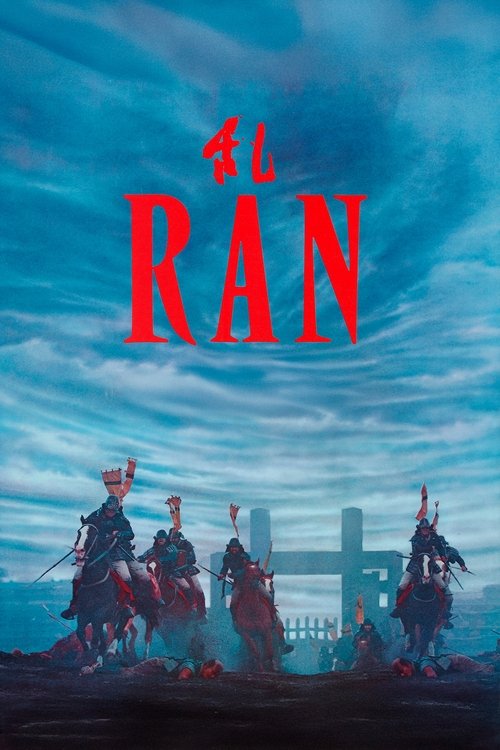
Shakespeare's King Lear is reimagined as a singular historical epic set in sixteenth-century Japan where an aging warlord divides his kingdom between his three sons.
Ran

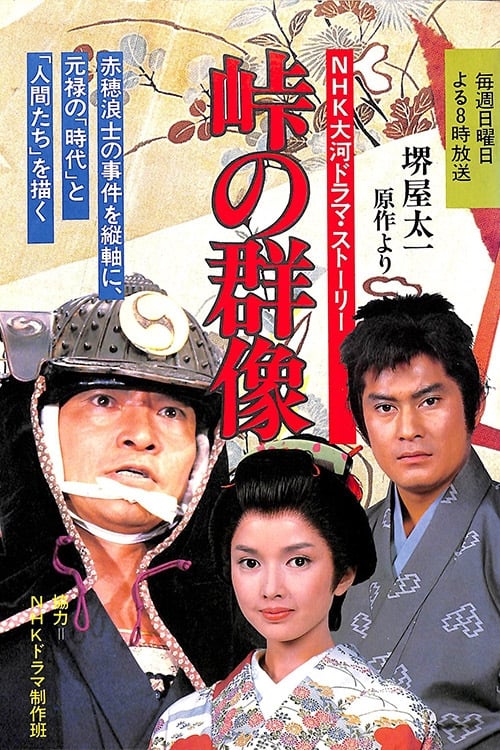
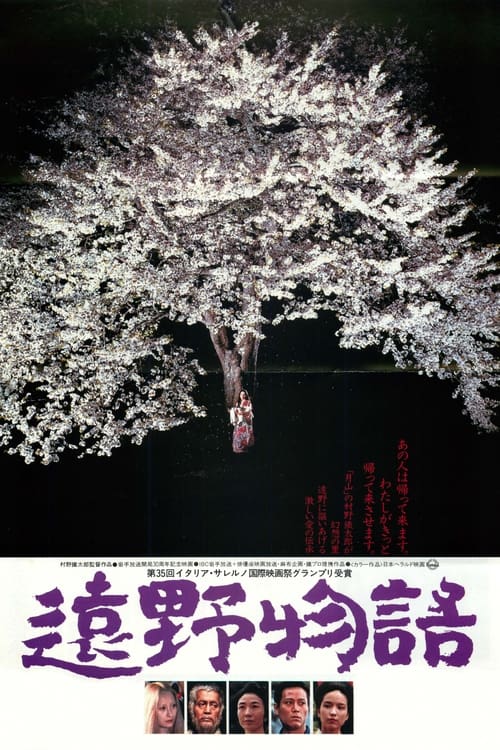
No description available.
Toge no Gunzo

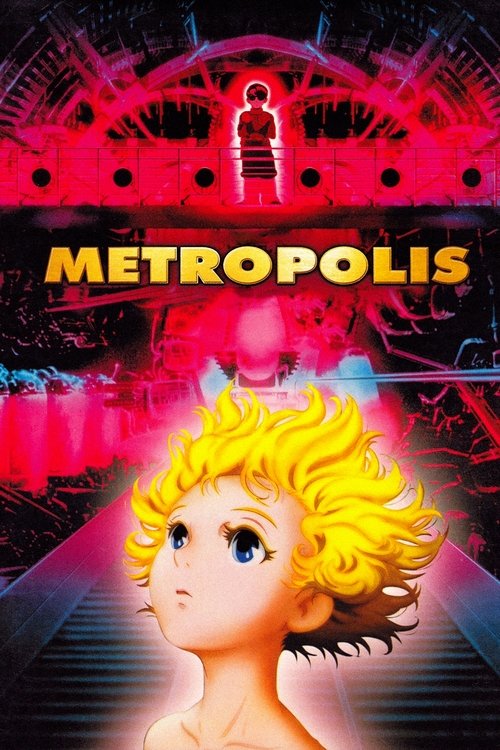
In the midst of societal conflict in the futuristic city of Metropolis, Kenichi and his uncle Shunsaku Ban set out to uncover the mystery behind the first human-like robot, Tima.
Metropolis

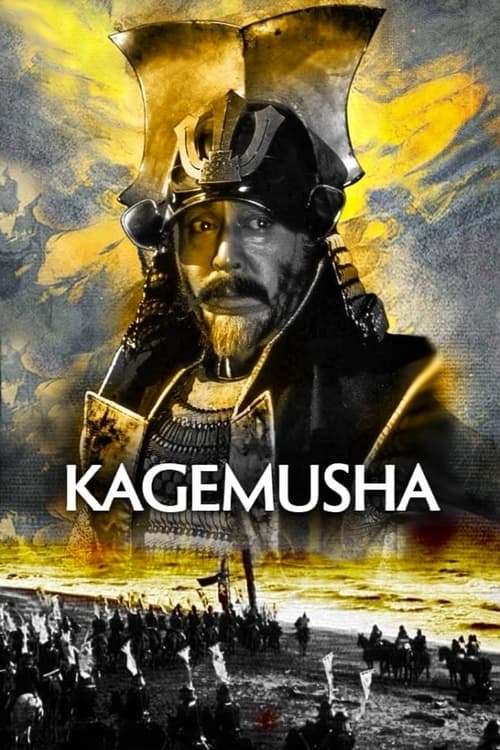
Akira Kurosawa's lauded feudal epic presents the tale of a petty thief who is recruited to impersonate Shingen, an aging warlord, in order to avoid attacks by competing clans. When Shingen dies, his generals reluctantly agree to have the impostor take over as the powerful ruler. He soon begins to appreciate life as Shingen, but his commitment to the role is tested when he must lead his troops into battle against the forces of a rival warlord.
Kagemusha

In this installment of the Zero Woman series, Rei, the number-one assassin of the Tokyo Police Department's secret Zero Division, has been assigned to take out a notorious gangster responsible for dozens of murders. At the same time, she must protect the gangster's mistress from the hitmen who want to keep her from telling the police what she knows. At first, both women are upset about the arrangement, but they eventually come to appreciate each other.
Zero Woman: Dangerous Game

Police coroner Kuraishi Yoshio and the crime lab team attempt to solve a serial murder case with a killer who seems to kill indiscriminately.
Rinjo

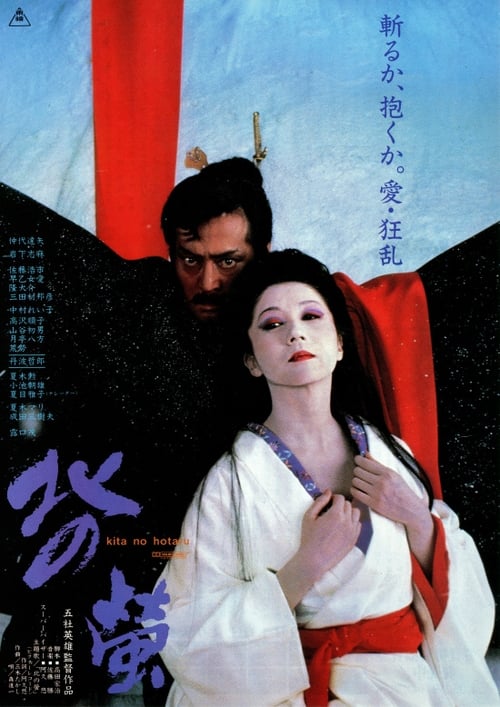
Set in the icy wilderness of Hokkaido during the early days of the Meiji era, where the brutal warden of Kabato Prison terrorizes convicts sentenced to forced labor to build the roads needed to open up the territory.
Fireflies in the North

In 1903, a young Scotswoman goes to join her diplomat fiancé in Manchuria. She marries him, and finds herself in a war zone. Disenchanted with her husband, she falls in love with a married Japanese nobleman, Count Kentaro Kurihama, and bears him a son. She carves out a life for herself in Japanese society, despite the hardships and ostracism she faces as both a Westerner and a woman.
The Ginger Tree

The president of the Japanese National Railways is found dead during a period in which train service is plagued by numerous layoffs, strikes and shutdowns. The government says that the president was murdered; the police claim it was a suicide. A quizzical reporter follows the case for years, but the basic question remains unanswered: was the victim killed by members of the burgeoning Communist movement in Japan, or was the death stage-managed by the authorities in hopes of discrediting the Communists?
Willful Murder
This drama revolves around four sisters whose father served as a warlord during the Sengoku period. It tells a tragic story of two lovers who are being held apart due to political conflicts between their clans.
Onna Furin Kazan

Based on the "2.26 Incident", an attempted coup d'état in Japan 1936, launched by radical ultra-nationalist parts of the military. Several leading politicians were killed and the center of Tokyo was briefly held by the insurgents before the coup was suppressed.
Four Days of Snow and Blood

After being carried in his mother’s womb for three years, Benkei is born with long hair and teeth and the body of a small child. It is said that he immediately laughed and commented on the brightness of the outside world, leading local people in his native Kii (modern Wakayama) to proclaim that he is a devil. Abandoned on a mountainside, he is adopted by Dainagon, a Kyoto resident who rears him until age seven when he leaves to become a monk. Thrown out of the monastery for his violent behavior, Benkei wanders Japan in search of enlightenment, though only trouble seems to find him. After accidentally causing a temple to burn down, he decides to begin a quest to defeat 1,000 of the hated Heike samurai in battle and donate their swords to a temple. Obtaining the first 999 swords proves relatively easy but the final weapon belongs to Yoshitsune, a young boy whose appearance belies his great skill as a warrior.
Musashibo Benkei

Todo, an old wealthy man, is fascinated by the appearance of Sayumi walking in the graveyard in midsummer, holding the urn of his late mother. Sayumi, who doesn't know her father, longs for Todo like her father and begins to love him as a man. One day, Sayumi, invited by Todo to visit the villa, finds a portrait of Kazumi, a girl with pigtails that looks exactly like her. And the relationship between Todo and Sayumi begins to go crazy in an unexpected direction due to an uninvited guest who arrives on a stormy night.
Anticipation

A bumbling stockbroker-turned-yakuza is tasked with ensuring that an alcoholic boss is up to the task of arbitrating his syndicate's succession ceremony.
Succession

Dr Toma, a skilled surgeon, starts work at a regional hospital in Japan. After performing an operation to remove a patient’s liver cancer, something that normally would not be done at this hospital, he quickly gains a very good reputation amongst the town’s people. Some of his colleagues become so jealous they are resentful and waiting patiently for the perfect opportunity to crucify him. Soon they get their chance as Dr Toma considers performing a controversial operation…
A Lone Scalpel

Kumokiri Nizaemon, a former samurai warrior, has abandoned his class to become the leader of a gang of thieves. He leads his outlaws in an attempt to rob the castle of his former clan.
Bandits vs. Samurai Squadron

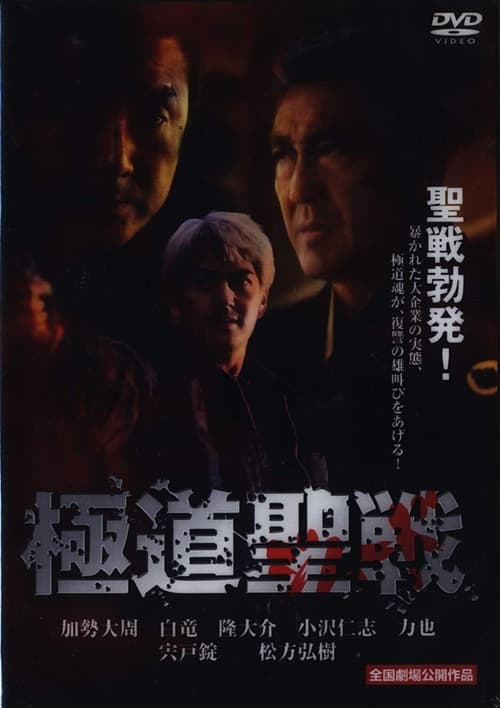
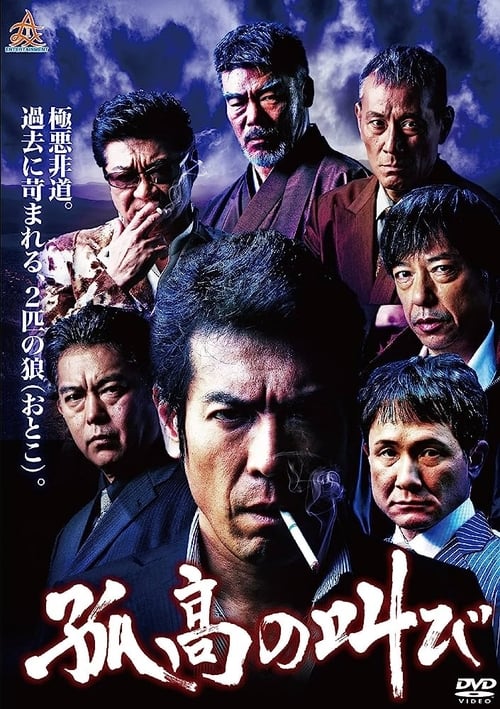
The first in the "Gokudo Seisen" series, a hard-line action OV that presents the original draft of Shigenori Takechi under the supervision of Takashi Miike of "IZO". It depicts the activities of the martial arts yakuza who challenge the major general contractors who are plotting wrongdoing. Actors such as Taishu Kase and Hiroki Matsukata performed well with the men living in Shuraba.
Yakuza Jihad

When a young Yakuza torments the customers in a rival crime family's nightclub, it is not long before his dead body is found. Soon, inter-family retaliation follows, resulting in the death for a prominent crime boss. Devastated by this turn of events, the temperamental Kenzaki vows to avenge his boss's death and, as bloody violence ensues, the body count reaches excessive proportions.
Agitator

A barkeeper saves a Yakuza boss' life and thus makes his way up in the organization. However, his fear of nothing soon causes problems.