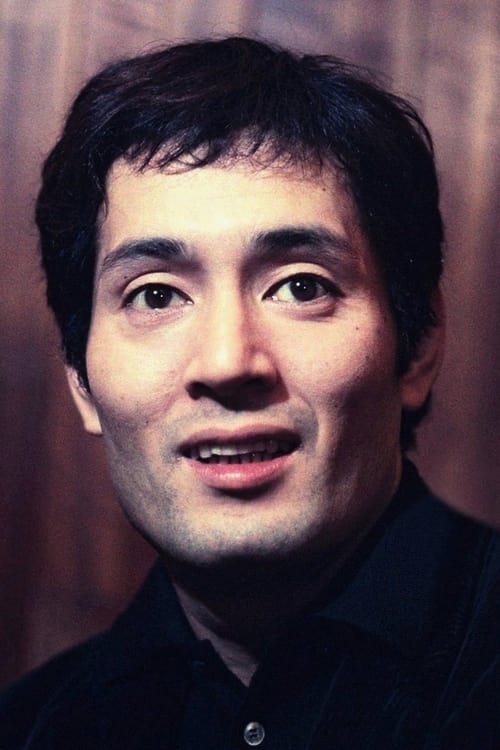
Tatsuya Nakadai
Acting
Biography
Tatsuya Nakadai (仲代 達矢, Nakadai Tatsuya; born Motohisa Nakadai; December 13, 1932 – November 8, 2025) was a Japanese actor. Widely regarded as one of the greatest actors in the history of Japanese cinema, he collaborated extensively with many of Japan's best-known and acclaimed directors. In his over seven decade career, he appeared in more than 160 films, and received numerous accolades. He was honored with a Medal with Purple Ribbon in 1996 and Japan's Order of Culture in 2015. Discovered on the streets of Tokyo by director Masaki Kobayashi, Nakadai rose to prominence starring in Kobayashi's films, with his breakthrough being the protagonist of the epic anti-war trilogy The Human Condition (1959–1961). He won the Blue Ribbon Award for Best Actor for his performance as the vengeful ronin in Harakiri (1962), a role he considered his finest. Nakadai collaborated on eleven films with Kobayashi—including Kwaidan (1964) and Samurai Rebellion (1967)—and five with Akira Kurosawa, most notably as the tragic warlord in Ran (1985), a performance that earned global acclaim. His other notable credits included Seven Samurai (1954), Yojimbo (1961), The Sword of Doom (1966), The Face of Another (1966), Goyokin (1969), Kagemusha (1980), and The Tale of the Princess Kaguya (2013). A lifelong stage actor, he founded the Gendai Nohgaku-kai troupe in 1975 and continued performing on stage into his nineties. Description above from the Wikipedia article Tatsuya Nakadai, licensed under CC-BY-SA, full list of contributors on Wikipedia.
Known For

A samurai answers a village's request for protection after he falls on hard times. The town needs protection from bandits, so the samurai gathers six others to help him teach the people how to defend themselves, and the villagers provide the soldiers with food.
Seven Samurai
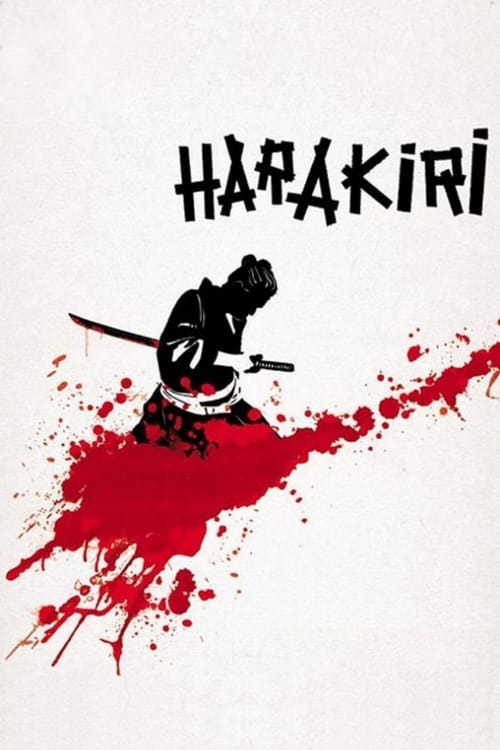
Down-on-his-luck veteran Tsugumo Hanshirō enters the courtyard of the prosperous House of Iyi. Unemployed, and with no family, he hopes to find a place to commit seppuku—and a worthy second to deliver the coup de grâce in his suicide ritual. The senior counselor for the Iyi clan questions the ronin’s resolve and integrity, suspecting Hanshirō of seeking charity rather than an honorable end. What follows is a pair of interlocking stories which lay bare the difference between honor and respect, and promises to examine the legendary foundations of the Samurai code.
Harakiri
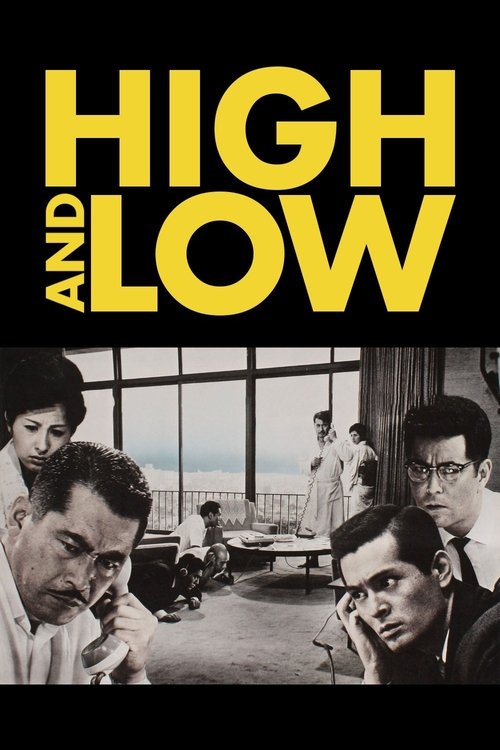
A Yokohama shoe executive faces a wrenching choice when kidnappers mistakenly seize his chauffeur’s son but demand the ransom anyway.
High and Low
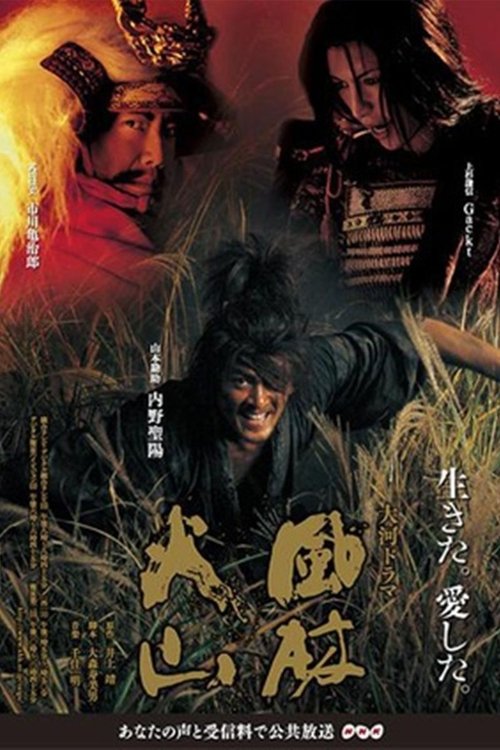
Fūrin Kazan was the 46th NHK Taiga drama beginning on January 7, 2007. It was aired throughout 2007. The four characters from left to right are wind, woods, fire, and mountain. The title is a reference to the war banner used by Takeda Shingen, which in turn was taken from Sun Tzu's The Art of War. It means "Swift as the Wind, Silent as a Forest, Fierce as Fire and Immovable as a Mountain."
Samurai Banners
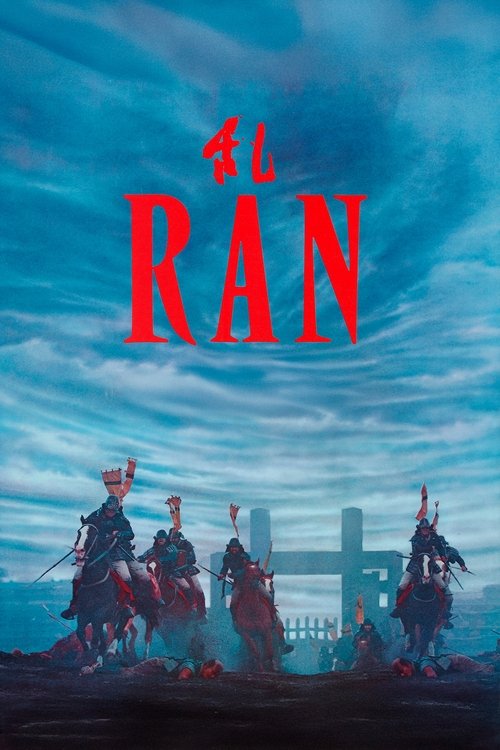
Shakespeare's King Lear is reimagined as a singular historical epic set in sixteenth-century Japan where an aging warlord divides his kingdom between his three sons.
Ran
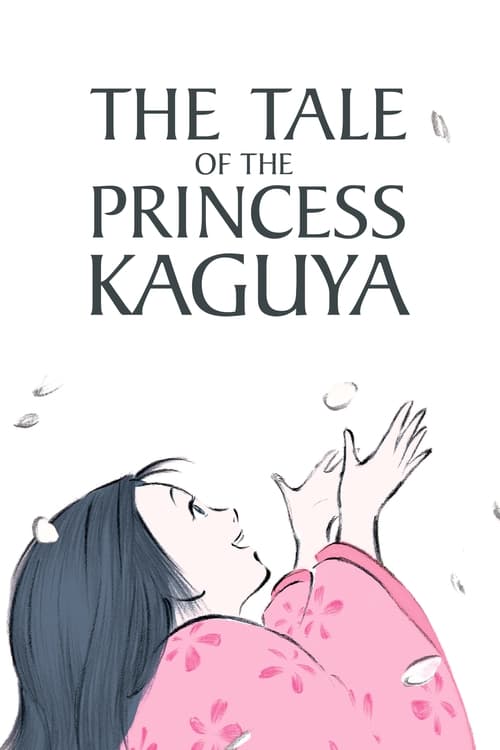
Found inside a shining stalk of bamboo by an old bamboo cutter and his wife, a tiny girl grows rapidly into an exquisite young lady. The mysterious young princess enthrals all who encounter her. But, ultimately, she must confront her fate.
The Tale of The Princess Kaguya

"I thought I might be using a lifetime's happiness in a moment. I was that happy and she was that beautiful." A young boy stands on the red earth of Australia under its blue sky. It is 17-year-old Sakutaro Matsumoto. His time with the girl comes back to him. The colored sand runs through his hands and a tear appears on his cheek. He wakes up. It's 2004 and he is 34 years old and in Japan. He thinks "I have been in a world without her for 17 years." Returning home to see his old high school for the last time before it is demolished, Saku confronts anew the loss of the love of his life, Aki, to leukemia 17 years ago. Now a medical researcher at graduate school, he has been living as if half of him died with her since then.
Crying Out Love, in the Center of the World
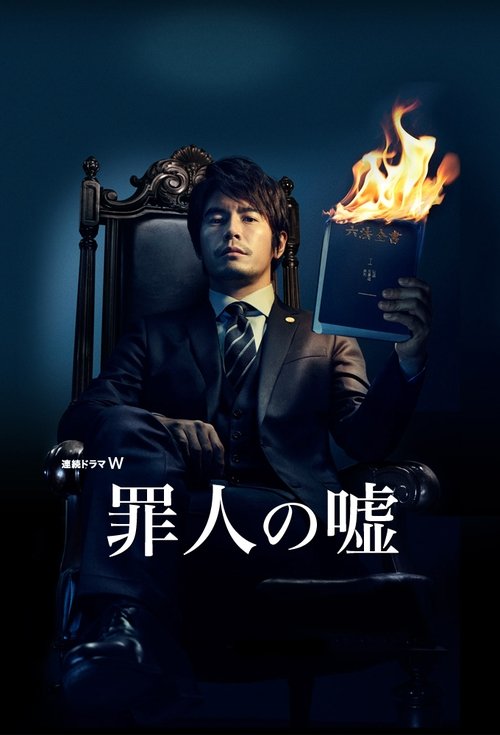
Serious legal thriller starring Hideaki Ito which depicts the glory and the darkness of an infamous and highly paid lawyer.
A Sinner's Lie
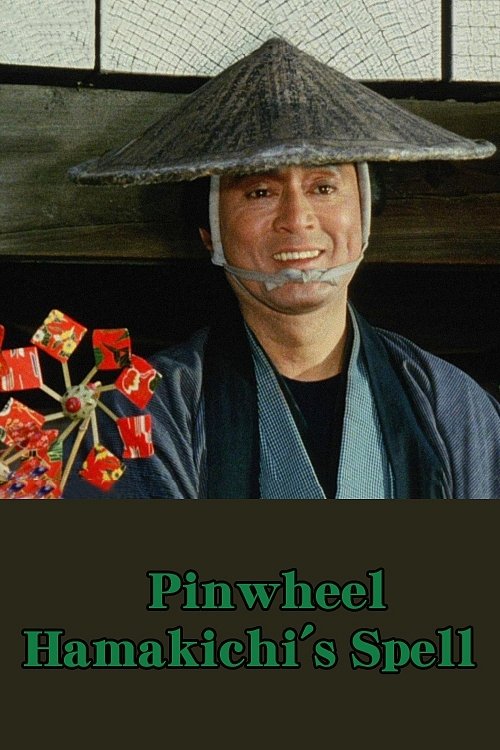
Nezu no Hamakichi used to be a renowned detective. He had lost his job and been banished from Edo after he was arrested for some reasons. Back in Edo for the first time in 5 years, he has just sold toys. This is a story that Hamakichi resolves difficult incidents.
Pinwheel Hamakichi's Spell
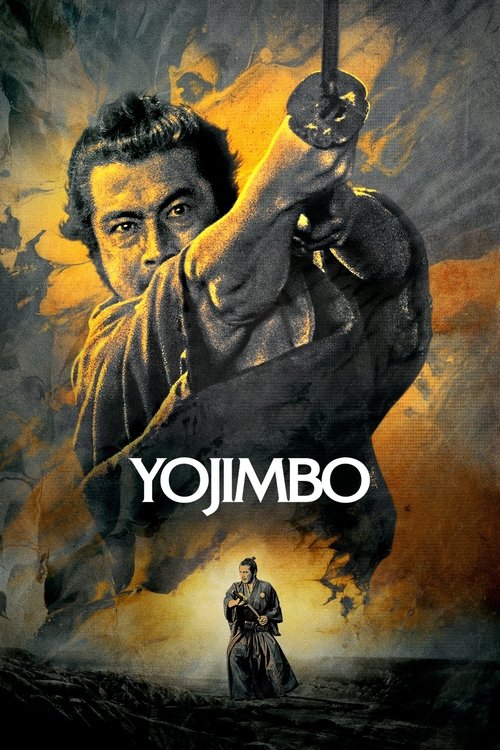
A nameless ronin, or samurai with no master, enters a small village in feudal Japan where two rival businessmen are struggling for control of the local gambling trade. Taking the name Sanjuro Kuwabatake, the ronin convinces both silk merchant Tazaemon and sake merchant Tokuemon to hire him as a personal bodyguard, then artfully sets in motion a full-scale gang war between the two ambitious and unscrupulous men.
Yojimbo
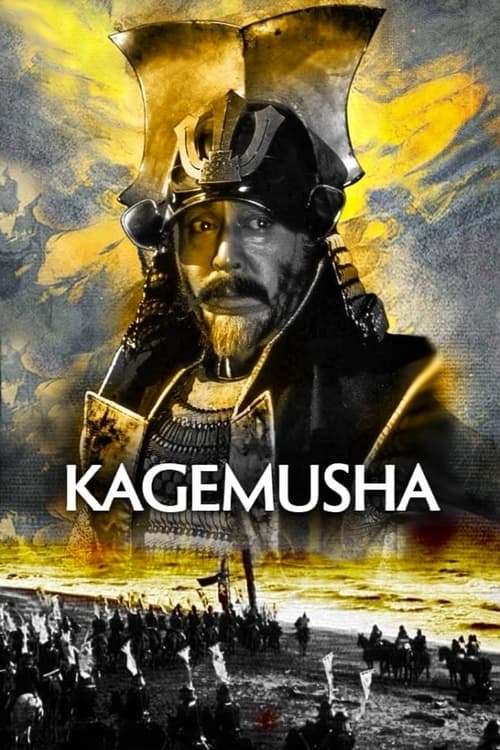
Akira Kurosawa's lauded feudal epic presents the tale of a petty thief who is recruited to impersonate Shingen, an aging warlord, in order to avoid attacks by competing clans. When Shingen dies, his generals reluctantly agree to have the impostor take over as the powerful ruler. He soon begins to appreciate life as Shingen, but his commitment to the role is tested when he must lead his troops into battle against the forces of a rival warlord.
Kagemusha
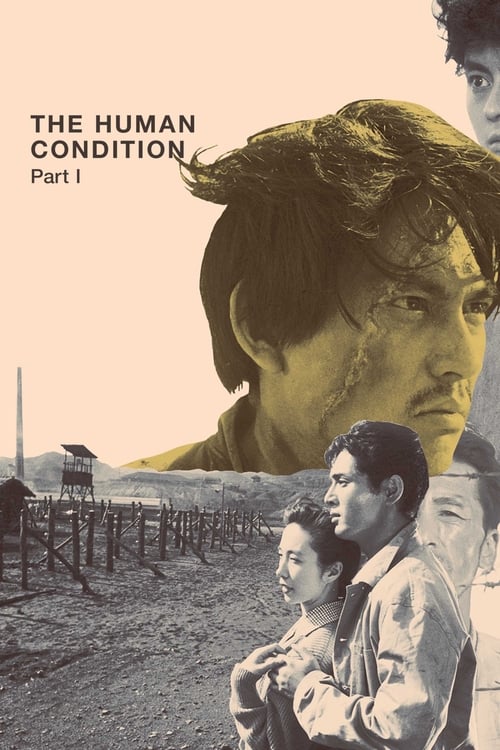
After handing in a report on the treatment of Chinese colonial labor, Kaji is offered the post of labour chief at a large mining operation in Manchuria, which also grants him exemption from military service. He accepts and moves with his newlywed wife Michiko, but when he tries to put his ideas of more humane treatment into practice, he finds himself at odds with scheming officials, cruel foremen, and the military police.
The Human Condition I: No Greater Love
Taking its title from an archaic Japanese word meaning "ghost story," this anthology adapts four folk tales. A penniless samurai marries for money with tragic results. A man stranded in a blizzard is saved by Yuki the Snow Maiden, but his rescue comes at a cost. Blind musician Hoichi is forced to perform for an audience of ghosts. An author relates the story of a samurai who sees another warrior's reflection in his teacup.
Kwaidan
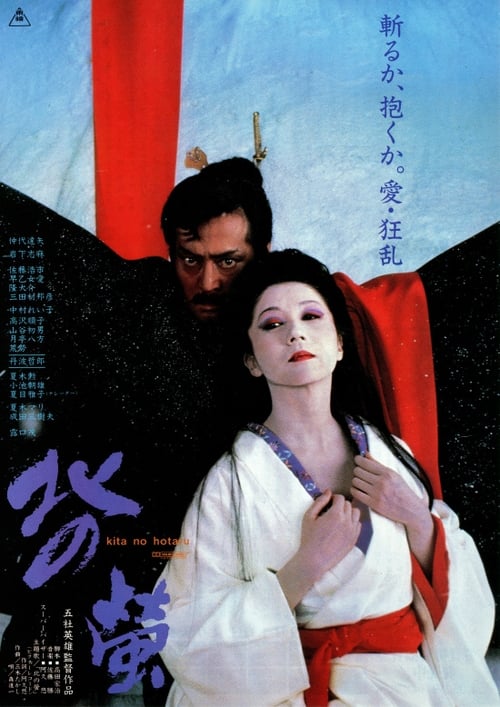
Set in the icy wilderness of Hokkaido during the early days of the Meiji era, where the brutal warden of Kabato Prison terrorizes convicts sentenced to forced labor to build the roads needed to open up the territory.
Fireflies in the North

An evil feudal lord rapes a village girl on her wedding night and proceeds to ruin her and her husband's lives. After she's eventually banished from her village, the girl makes a pact with the devil to gain magical ability and take revenge.
Belladonna of Sadness
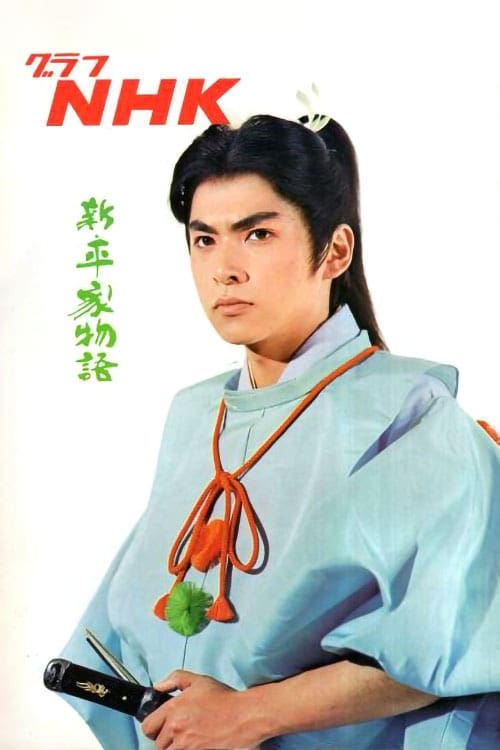
Set at the end of the 12th century when several wars for control of Japan disrupted a long era of peace, this tale of "Heike" (another name for the Taira clan) focuses on Taira Kiyomori who fights alongside other members of his clan to at first successfully overcome the Minamoto clan and their bid for power. Battles and intrigue abound, as the puppet Emperor and Buddhist monks take sides in the power struggle. At issue is Kiyomori's parentage, not an unusual problem for the nobility in that era where clandestine liaisons among courtiers and the upper classes were common.
Shin Heike Monogatari
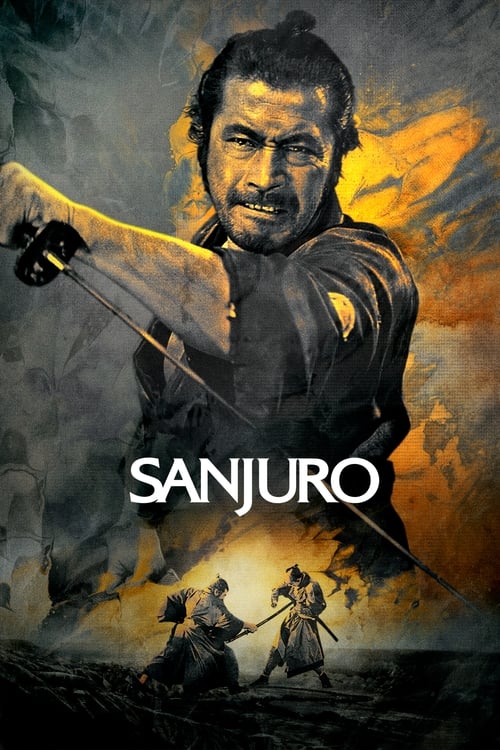
In this companion piece and sequel to "Yojimbo," jaded samurai Sanjuro helps an idealistic group of young warriors weed out their clan's evil influences, and in the process turns their image of a proper samurai on its ear.
Sanjuro

A peace treaty between the Earth and the Black World, a parallel universe of demons, is coming to an end. Two cops, Taki, a human male, and Maki, a female demon, are assigned to protect a diplomat who will help secure another treaty. A radical group of demons from the Black World are out to assassinate the diplomat and prevent the treaty; only the bond that forms between the two cops can save the Earth from destruction.
Wicked City

The tragic, true story about Hachikō, an Akita dog who was loyal to his master, Professor Ueno, even after Ueno's death.
Hachiko
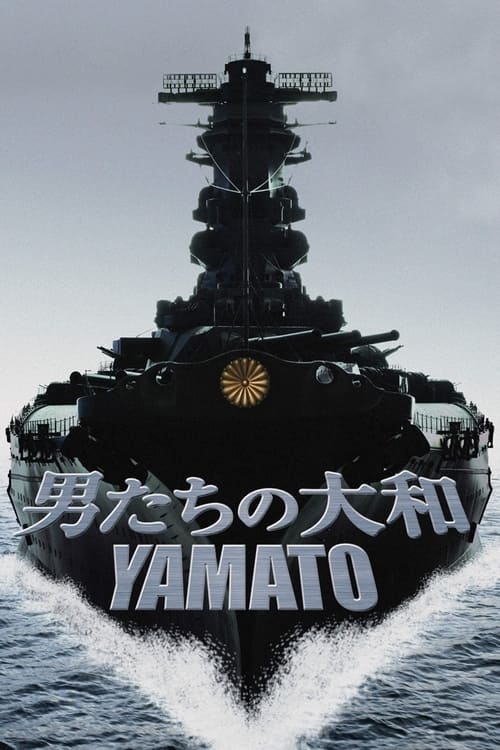
Directed by Junya Sato and based on a book by Jun Henmi, "Yamato" has a framing story set in the present day and uses flashbacks to tell the story of the crew of the World War II Japanese battleship Yamato. The film was never released in the United States, where reviewers who have seen it have compared the military epic to "Titanic" and "Saving Private Ryan."