Takao Saitō
Camera
Biography
Takao Saito (斎藤 孝雄 Saitō Takao, March 5, 1929 – December 6, 2014) was a Japanese cinematographer who frequently collaborated with filmmaker Akira Kurosawa. He was nominated for the Academy Award for Best Cinematography for his work in the film Ran (1985).
Known For

A samurai answers a village's request for protection after he falls on hard times. The town needs protection from bandits, so the samurai gathers six others to help him teach the people how to defend themselves, and the villagers provide the soldiers with food.
Seven Samurai

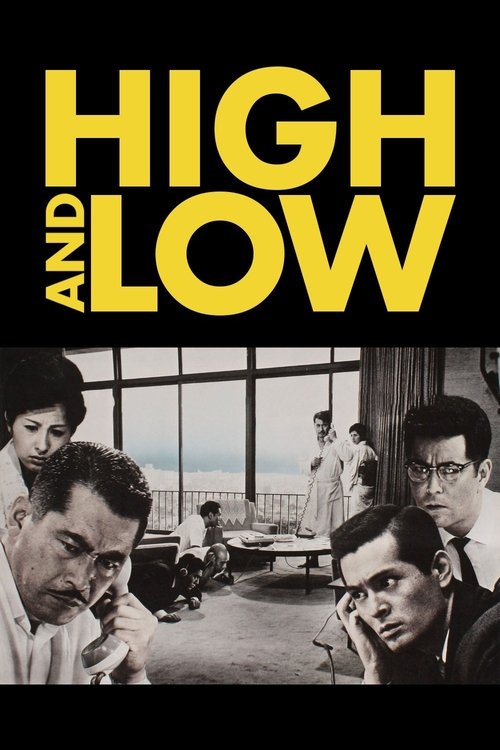
A Yokohama shoe executive faces a wrenching choice when kidnappers mistakenly seize his chauffeur’s son but demand the ransom anyway.
High and Low

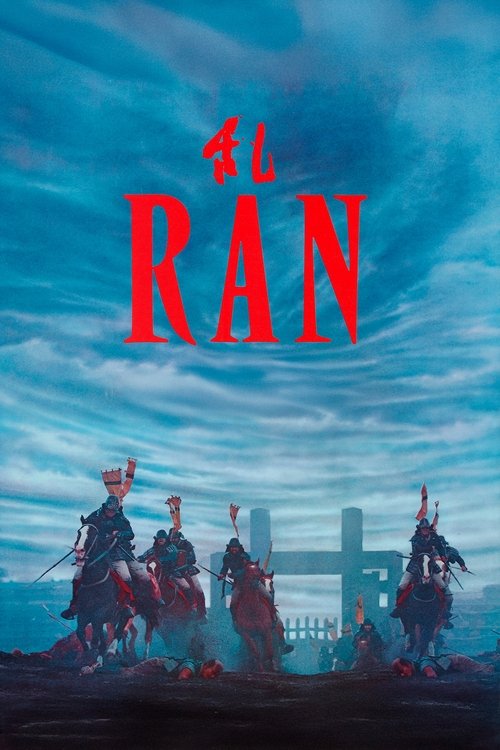
Shakespeare's King Lear is reimagined as a singular historical epic set in sixteenth-century Japan where an aging warlord divides his kingdom between his three sons.
Ran

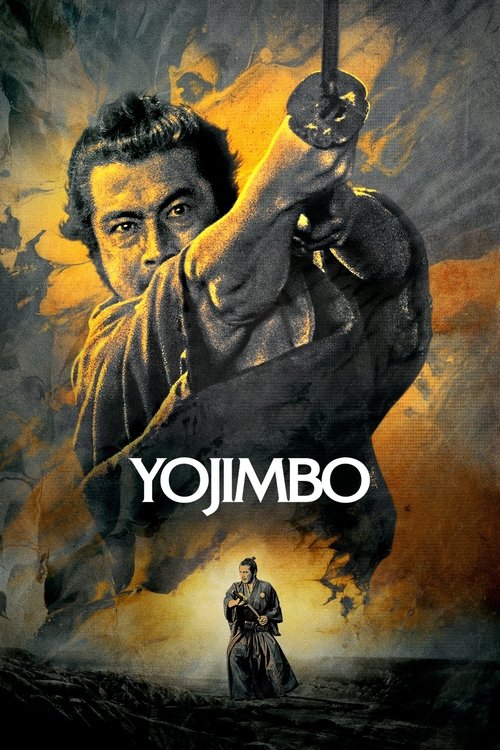
A nameless ronin, or samurai with no master, enters a small village in feudal Japan where two rival businessmen are struggling for control of the local gambling trade. Taking the name Sanjuro Kuwabatake, the ronin convinces both silk merchant Tazaemon and sake merchant Tokuemon to hire him as a personal bodyguard, then artfully sets in motion a full-scale gang war between the two ambitious and unscrupulous men.
Yojimbo

Aspiring to an easy job as personal physician to a wealthy family, Noboru Yasumoto is disappointed when his first post after medical school takes him to a small country clinic under the gruff doctor Red Beard. Yasumoto rebels in numerous ways, but Red Beard proves a wise and patient teacher. He gradually introduces his student to the unglamorous side of the profession, ultimately assigning him to care for a prostitute rescued from a local brothel.
Red Beard

Eight visually rich vignettes drawn from Kurosawa’s own dreams—fox weddings and vanished orchards, a soldier’s ghosts, a walk through Van Gogh’s canvases, nuclear nightmares, and a water-mill utopia—meditate on childhood, art, mortality, and humanity’s uneasy bond with nature.
Dreams

Akira Kurosawa's lauded feudal epic presents the tale of a petty thief who is recruited to impersonate Shingen, an aging warlord, in order to avoid attacks by competing clans. When Shingen dies, his generals reluctantly agree to have the impostor take over as the powerful ruler. He soon begins to appreciate life as Shingen, but his commitment to the role is tested when he must lead his troops into battle against the forces of a rival warlord.
Kagemusha

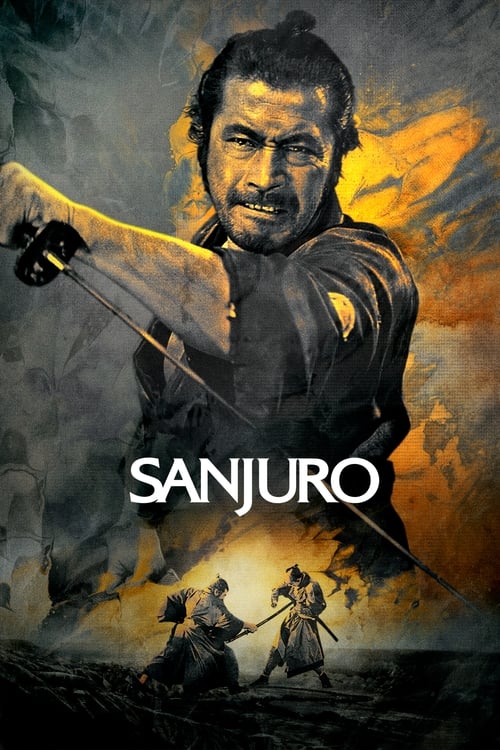
In this companion piece and sequel to "Yojimbo," jaded samurai Sanjuro helps an idealistic group of young warriors weed out their clan's evil influences, and in the process turns their image of a proper samurai on its ear.
Sanjuro

In this loose adaptation of "Hamlet," illegitimate son Kôichi Nishi climbs to a high position within a Japanese corporation and marries the crippled daughter of company vice president Iwabuchi. At the reception, the wedding cake is a replica of their corporate headquarters, but an aspect of the design reminds the party of the hushed-up death of Nishi's father. It is then that Nishi unleashes his plan to avenge his father's death.
The Bad Sleep Well

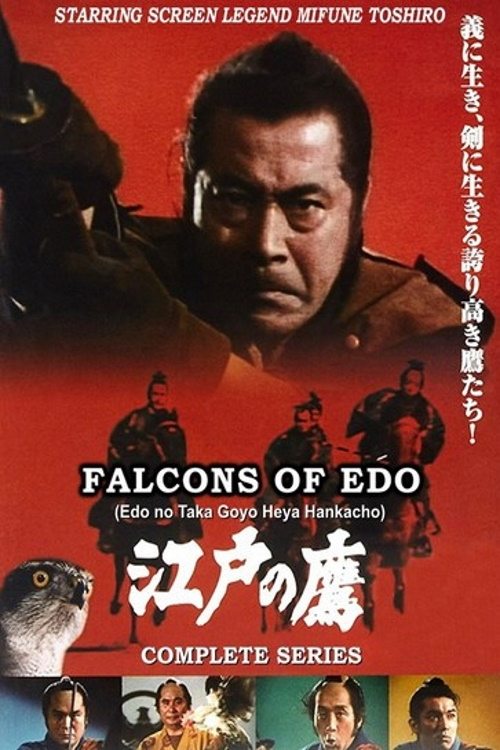
In the 1770's, the shrewdest man of the age, Tanuma Okitsugu, had abused his political power, and the corruption of government officials and moral decay of the public were prevalent. At that time, there was a box for complaints made by the general public. It was called "Meyasubako" and was placed at the front gate of the central government's Supreme Court. The appeals went directly to the shogun who assigned the “Otakagumi” (Falconers Unit) to investigate. Led by Uchiyama Kanbei (samurai superstar Mifune Toshiro) they fought injustice and helped the oppressed. Not only were they skilled swordsmen, but their trained falcons would swoop down on enemy troops, especially those using firearms. Superb fighting throughout with Mifune at the forefront in one of his finest roles. As the vile Tanuma Okitsugu continues to abuse his political power, more and more clashes with the Falcons of Edo, who stand for justice and morality are bound to occur, leading to a conclusion the likes of which has never been seen. Putting his life on the line, time and time again, Uchiyama Kanbei fights to prevent Tanuma from destroying the falconers’ group and take him to task for his vicious treatment of the Japanese people. Aided by his trusty Vice-Chief Ichiyanagi Kakuto, he wades bravely into battle in a land where “Take no prisoners” is the mantra. Brilliant fighting and a clever story line create a highly charged action series that brings out the best in samurai cinema. Can the Falcons of Edo prevail and save Japan from being crushed underfoot!
Falcons of Edo

Daichūshingura is a television dramatization of the events of the Forty-seven Ronin. The first episode aired on January 5, 1971, and the 52nd and final episode appeared on December 28 of the same year. The NET network broadcast it in the Tuesday evening 9:00–9:56 prime-time slot in Japan. The series featured an all-star cast. The central actor was Toshiro Mifune, who portrayed Ōishi Kuranosuke; Yoko Tsukasa his wife; and kabuki actor Onoe Kikugorō VII their son Chikara.
Epic Chushingura

In postwar Tokyo, beloved writer-professor Hyakken Uchida retires and is buoyed through hardship by the fierce devotion of his former students, who honor him each year with a raucous “Not yet!” birthday toast. Told in warm, gently comic vignettes, Kurosawa’s farewell celebrates aging, friendship, and the sustaining ritual of teacher and pupils refusing to say goodbye.
Madadayo

An elderly Nagasaki hibakusha spends a summer caring for her four grandchildren, whose curiosity about the 1945 bombing stirs buried memories and moral questions. When an American nephew from Hawaii visits, the family confronts grief, guilt, and the possibility of reconciliation across generations.
Rhapsody in August

On a Tokyo dump’s shantytown edge, interwoven vignettes follow residents scraping by: a boy who “drives” an imaginary trolley, a homeless father and son designing a dream house, a young woman brutalized at home, drunks, schemers, and saints of small kindnesses. Kurosawa crafts a ragged mosaic of hardship, fantasy, and flickers of grace that keep people moving forward.
Dodes'ka-den

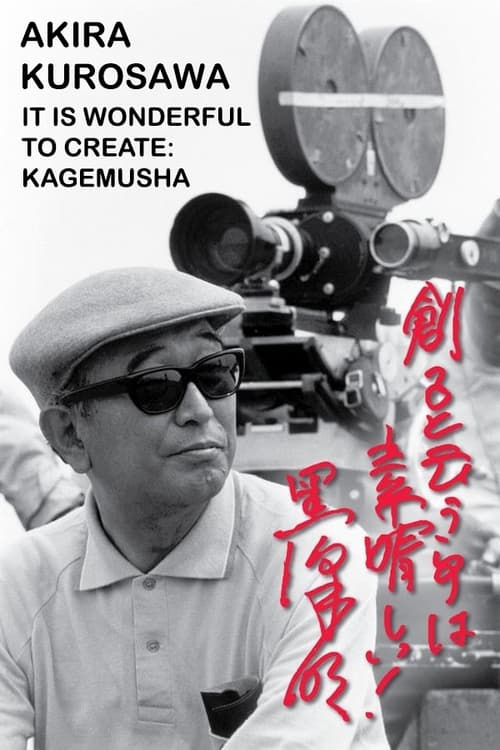
An intimate chronicle of the shooting of Ran (1985), a film directed by the legendary Japanese filmmaker Akira Kurosawa.
A. K.

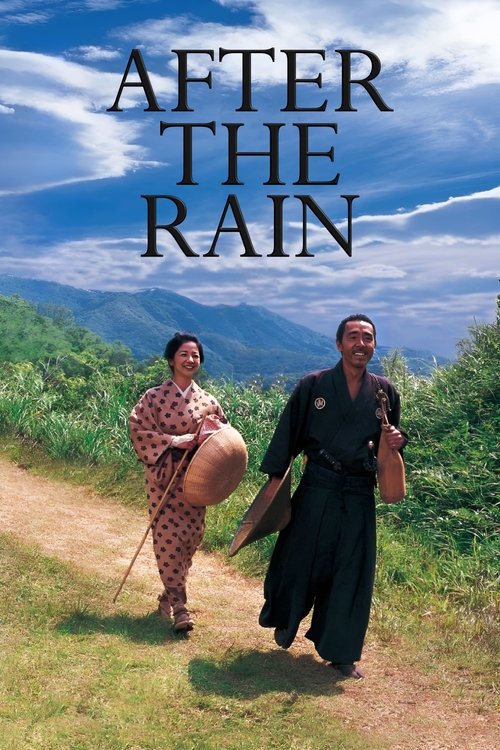
A group of travelers is stranded in a small country inn when the river floods during heavy rains. As the bad weather continues, tensions rise amongst the trapped travelers.
After the Rain

Japan, February 1868. As the Tokugawa shogunate declines and the power of Emperor Meiji grows, Gonzo, a soldier of the Restoration Army, returns to Sawando, his hometown, to announce the end of tyranny.
Red Lion

An adventurous and daring sailor sets sail to the castle of an ailing king to stop an evil premier, hungry for power and wealth, from succeeding the throne and marrying the king's beautiful daughter. Along the way, with the help of some courageous rebels and a lustful wizard, he must overcome the powers of a bewitching witch, a band of ruthless pirates, and the castle's Imperial guards. He must also free those kidnapped into slavery and restore the king's reputation.
Samurai Pirate

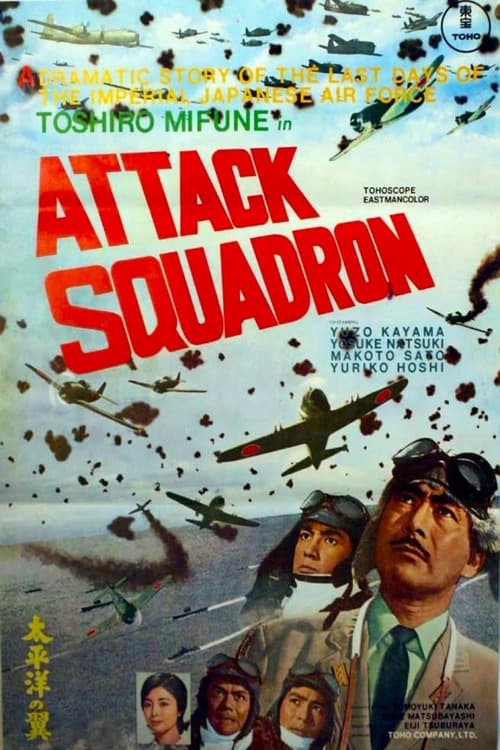
Lt. Col. Senda resists the idea of sending Japanese fighter pilots on suicide missions. He believes that what is really necessary for Japan to regain momentum in the war is for the air force to gather its most brilliant pilots into an elite squadron and use the unit to pinpoint attacks on the Americans. Disrespected by the kamikaze pilots who think the "non-suicidal" pilots are afraid, the unit redeems itself by stunning victories. But success leads the military leaders to expect too much of the unit, and new orders portend disaster.
Attack Squadron

A free-spirited girl living in a Japanese province spends her time working in a brothel and running with her dog. When her routine is shattered she gets on a path of hate and self discovery.