Huang Wen-ying
Art
Biography
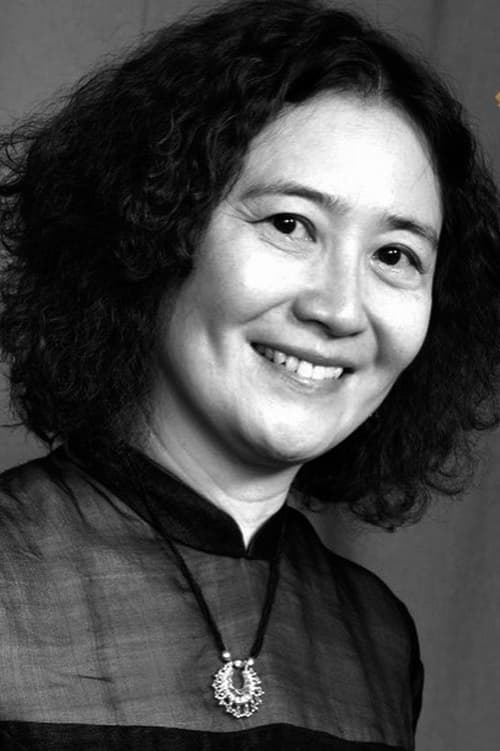
Huang Wenying is a producer and art director of Taiwan's Three Vision Films. After graduation, she worked in theater art design and television art design in New York, USA. After returning to Taiwan, he worked at Hou Hsiao-Hsien Film Studio.
Known For

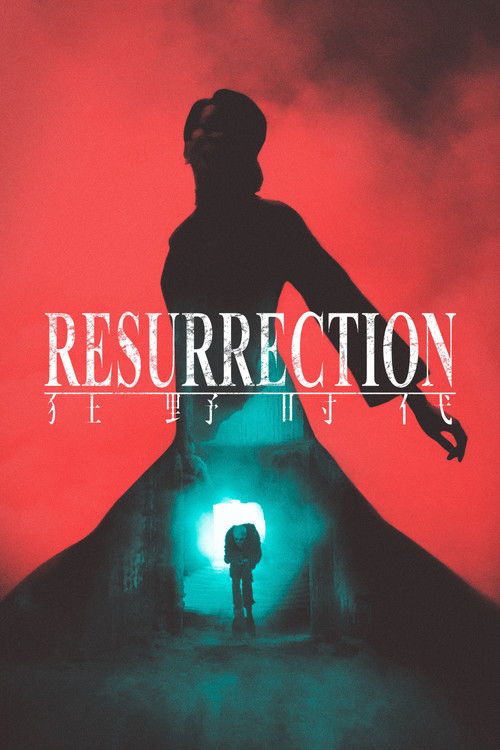
In a future where humanity has surrendered its ability to dream in exchange for immortality, an outcast finds illusion, nightmarish visions, and beauty in an intoxicating world of his own making.
Resurrection

In the 17th century, two Portuguese Jesuit priests travel to Japan in an attempt to locate their mentor, who is rumored to have committed apostasy, and to propagate Catholicism.
Silence

A squad of the Jiaolong Commando Unit - Sea Dragon, a spec ops team of the Chinese Navy, carries out a hostage rescue operation in the nation of Yewaire, on the Arabian Peninsula, and fiercely fights against local rebel groups and Zaka, a terrorist organization.
Operation Red Sea

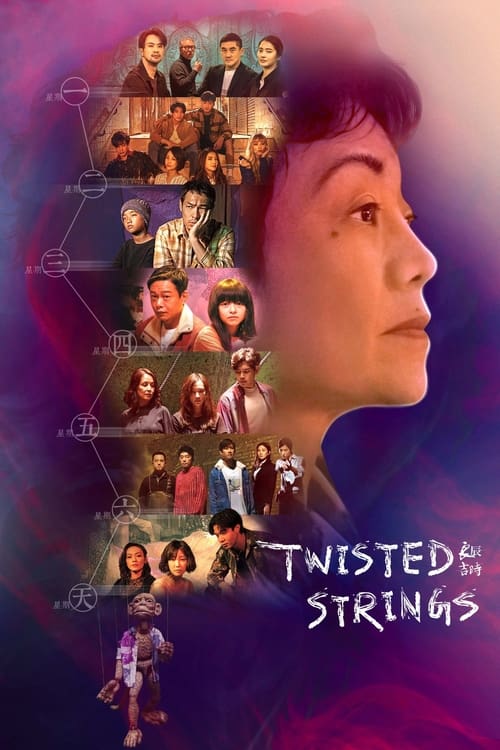
Leading Taiwan cinema names Hou Hsiao-hsien (“The Assassin,” “The Puppetmaster”) and Lee Kang-sheng (“Days,” “Goodbye, Dragon Inn”) are attached to “Twisted Strings”, a TV anthology series backed by HBO Asia and streamer Catchplay.The seven-part series is written and directed by Golden Horse-nominated director, Huang Xi (“Missing Johnny”). Hou is attached as the series executive producer. Lee, who has appeared exclusively in films over the past 30 years, notably those of famed Malaysian director Tsai Ming-liang, stars.
Twisted Strings

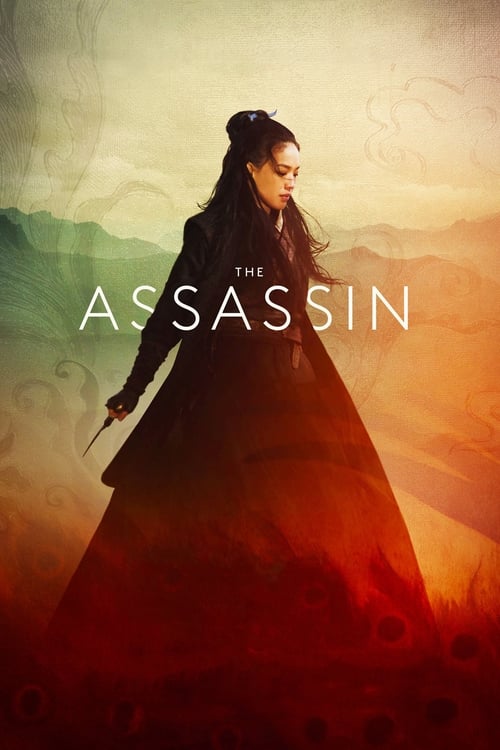
9th century China. Ten year old general’s daughter Nie Yinniang is abducted by a nun who initiates her into the martial arts, transforming her into an exceptional assassin charged with eliminating cruel and corrupt local governors. One day, having failed in a task, she is sent back by her mistress to the land of her birth, with orders to kill the man to whom she was promised – a cousin who now leads the largest military region in North China. After 13 years of exile, the young woman must confront her parents, her memories and her long-repressed feelings.
The Assassin

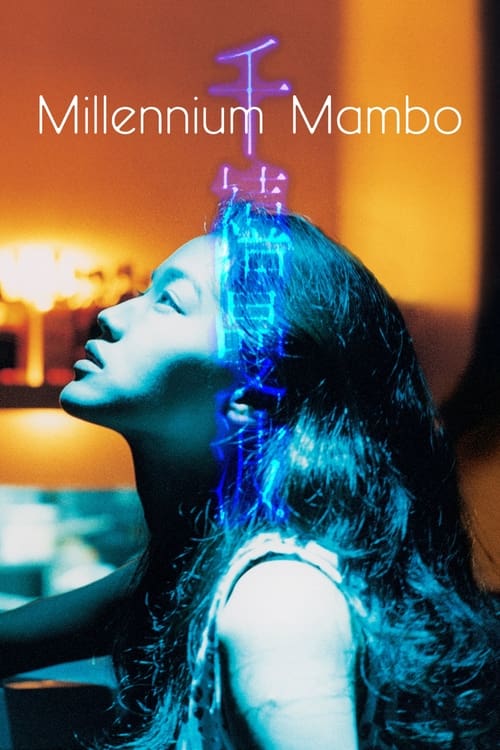
Vicky recalls her romances with her exes Hao Hao and Jack in the neon-lit clubs of Taipei.
Millennium Mambo

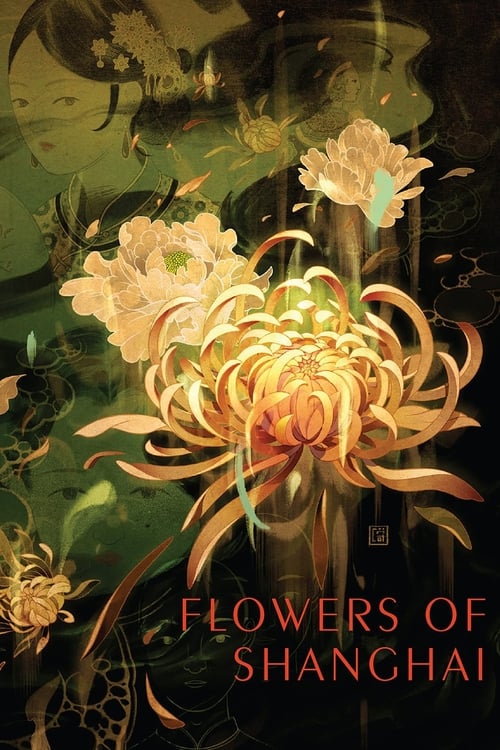
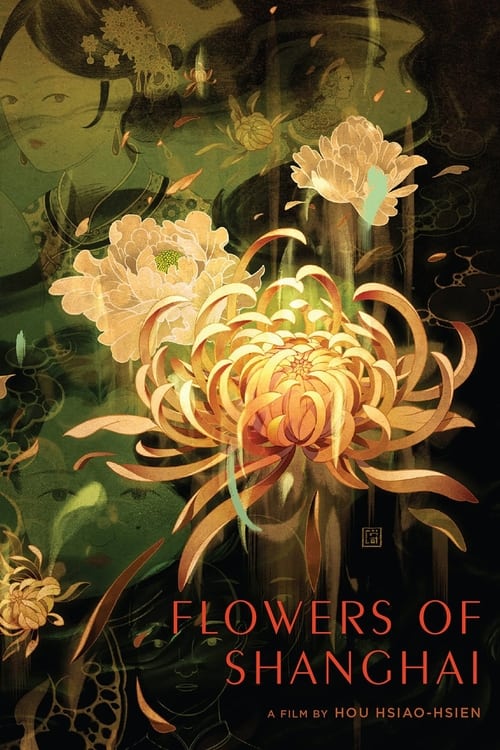
At the end of the 19th century, Shanghai is divided into several foreign concessions. In the British concession, a number of luxurious “flower houses” are reserved for the male elite of the city. Since Chinese dignitaries are not allowed to frequent brothels, these establishments are the only ones that these men can visit. They form a self-contained world, with its own rites, traditions and even its own language. The men don’t only visit the houses to frequent the courtesans but also to dine, smoke opium, play mahjong and relax. The women working there are known as the “flowers of Shanghai”.
Flowers of Shanghai

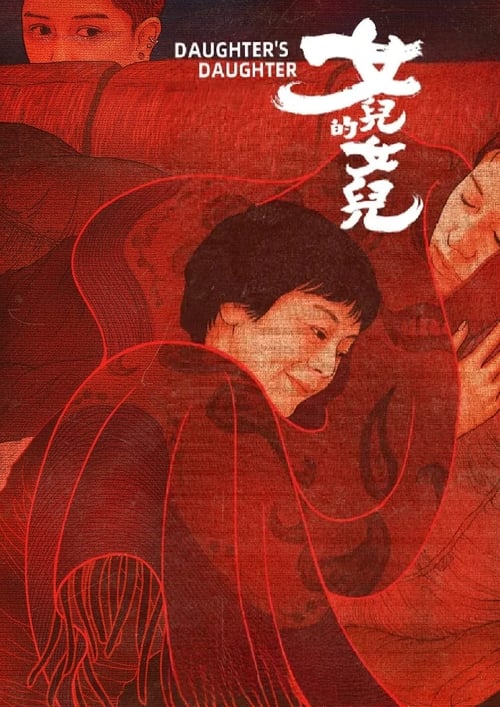
Jin is in her 60s. Her husband gone, her concern is for daughter Zuer, in New York trying out IVF with her partner Michelle. When Jin receives news that Zuer and Michelle have died in an accident, she heads for NY. There, she has another shock: she has inherited Zuer’s embryo and it’s for her to decide its fate. Meanwhile, going to NY also forces Jin to face Emma, the daughter she gave up for adoption when she was 17.
Daughter's Daughter

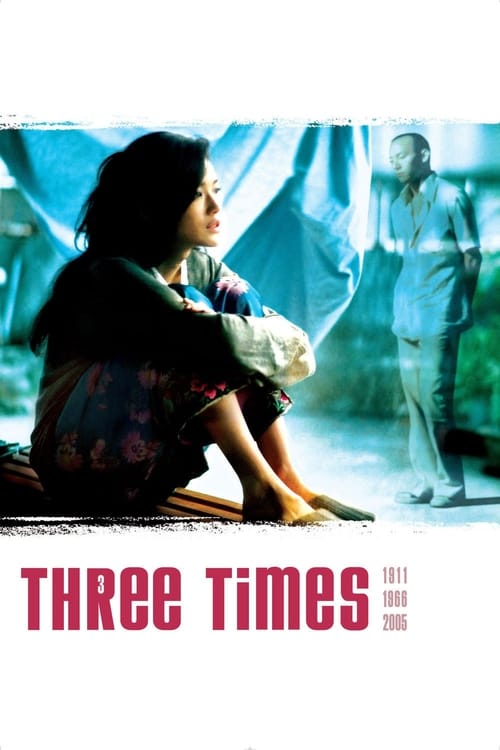
In three separate segments, set respectively in 1966, 1911, and 2005, three love stories unfold between three sets of characters, under three different periods of Taiwanese history and governance.
Three Times

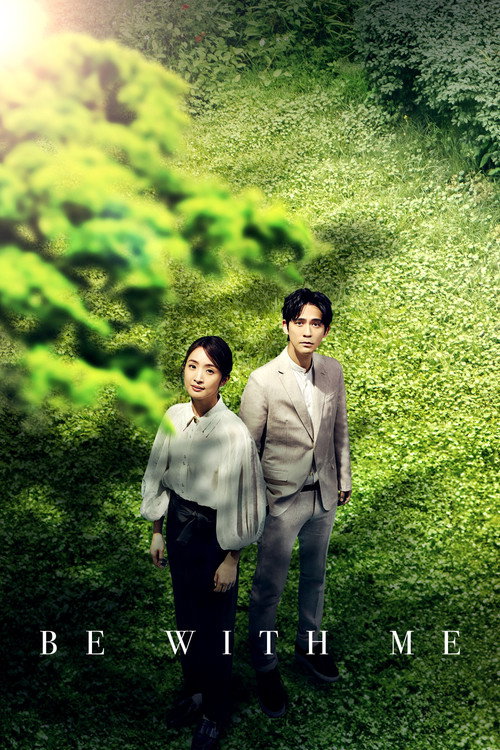
This is a story of reminiscence, remembering my long-deceased Grandpa. To remember is to transcend, therefore it’s a story of time and space, overlapped and intertwined. It’s also a quest of love and work, a spiritual and emotional journey; and through which values are re-examined and life reaffirmed.
Be with Me

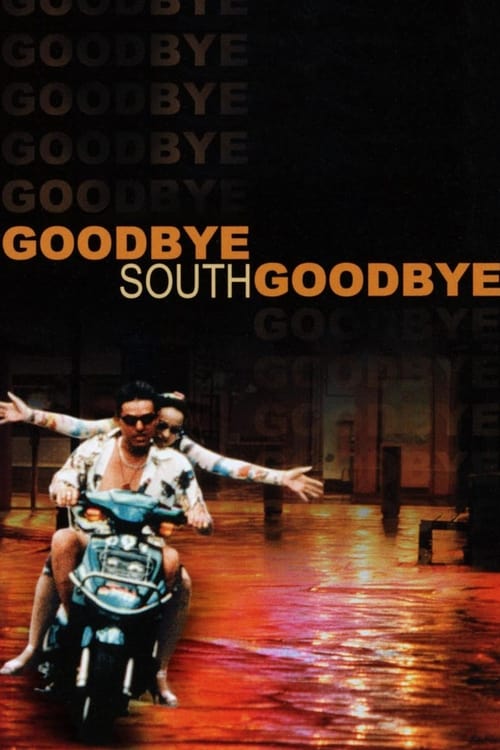
In this portrait of small-time hoods rendered in rhythm-of-life anecdotal detail, Gao is the leader of a circle of layabouts including his sidekick, Flathead, and their girlfriends, Pretzel and Ling. He is also the originator of petty crime schemes, which promise to get the gang nowhere fast.
Goodbye South, Goodbye

A new documentary by Daniel Raim and Eugene Suen on the making of "Flowers of Shanghai," featuring behind-the-scenes footage and interviews with Mark Lee Ping-bing, producer and editor Liao Ching-sung, production designer Hwarng Wern-ying, and sound recordist Tu Duu-chih.
Beautified Realism: The Making of 'Flowers of Shanghai'

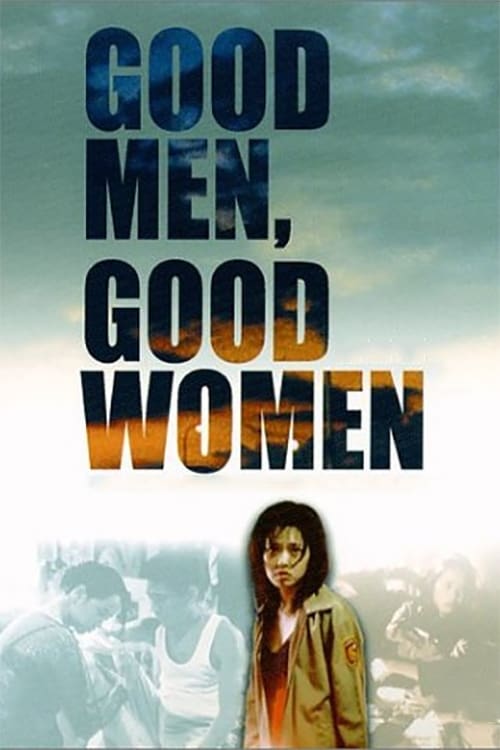
An actress preparing to play in a historical epic is terrorized by someone faxing her pages from her stolen diary; has colorful flashbacks of her affair with a now-deceased man; and imagines black-and-white film-within-a-film scenes of the movie she is about to appear in.
Good Men, Good Women

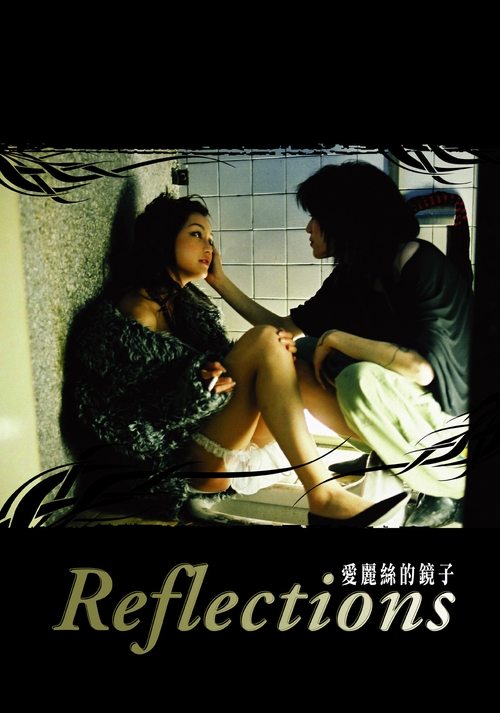
A couple is torn by conflicting emotions. Jing and Mi are two women living in Taiwan who have been lovers for some time; Jing is a singer in a rock band who suffers from severe mood swings and has been suffering from a fractured relationship with her mother, while Mi is the more sedate and level-headed of the couple.
Reflections

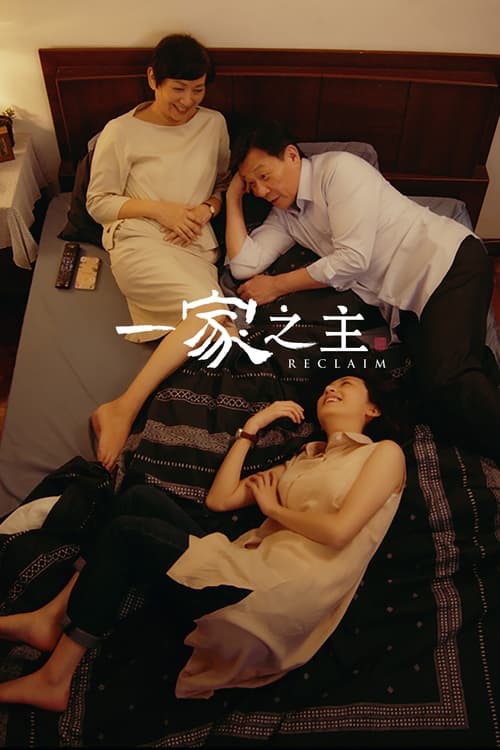
Shouldering all of her family's responsibilities, a mother scrambles to find a bigger apartment for her suddenly crowded household.
Reclaim

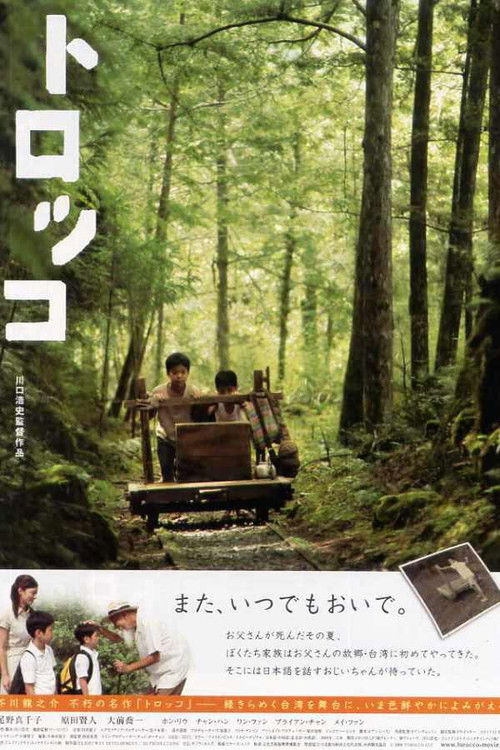
A tale of two islands and growing up as a stranger in a strange land, told with an artistry that recalls Hou Hsiao-Hsien at his best. Based on Ryunosuke Akutagawa’s short story of the same title (1922), Kawaguchi’s film moves the original early 20th-century Izu Peninsula to present-day Taiwan, where the strength of family ties is singularly put to the test. Yumiko (Machiko Ono), who married against her parents' wishes, has struggled on in stubborn determination since her husband’s death, moving her family from their Tokyo home to the verdant, rural Taiwan village of her in-laws. Her son Atsushi, strongly conscious that in ethnocentric Japan he is "different," is in a state of rebellion against both the society in which he has grown up and his mother. In their new home the family rediscovers the bonds that unite it.
Rail Truck

On his 60th birthday, Van is told that he is seriously ill. But instead of going to Taipei for treatment, his illness leads him to Japan. Together with his son, he goes in search of the father who abandoned him 50 years ago. At the same time, a young man with a mysterious connection to Van's past is travelling from Hong Kong to Taiwan.
Father to Son

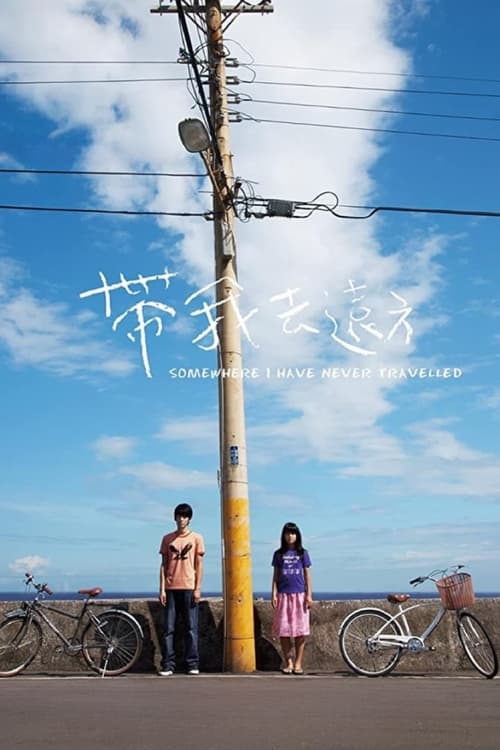
Color blind girl A-Kuei feels alienated and misunderstood. She is raised by her grandmother who would rather believe she is possessed than hear her feelings. The only person in the village who understands her is her bookworm cousin A-Hsien. He tells her that there is an island far away in the South Pacific where everyone is also color blind due to a genetic mutation.
Somewhere I Have Never Travelled

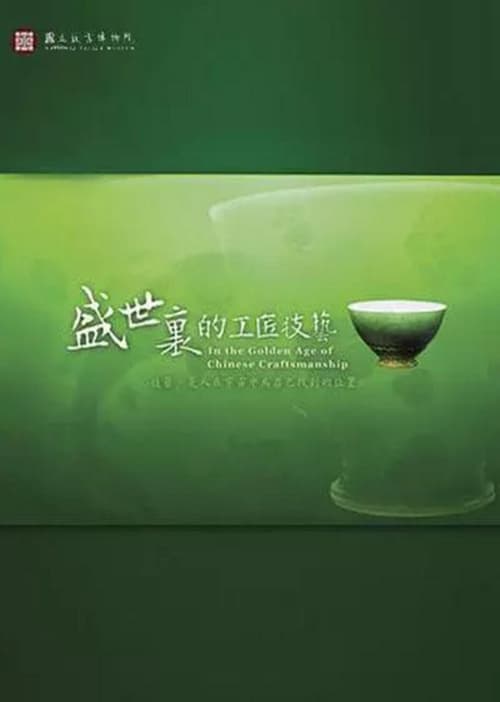
The essence of progress in civilization has always been handiwork. In traditional Chinese civilization, the emperor was supreme. Vested with the authority to enjoy the best of handiwork, all crafts used for residence, clothing, food, and travel were the most refined and splendid.