Charles de Meaux
Directing
Biography
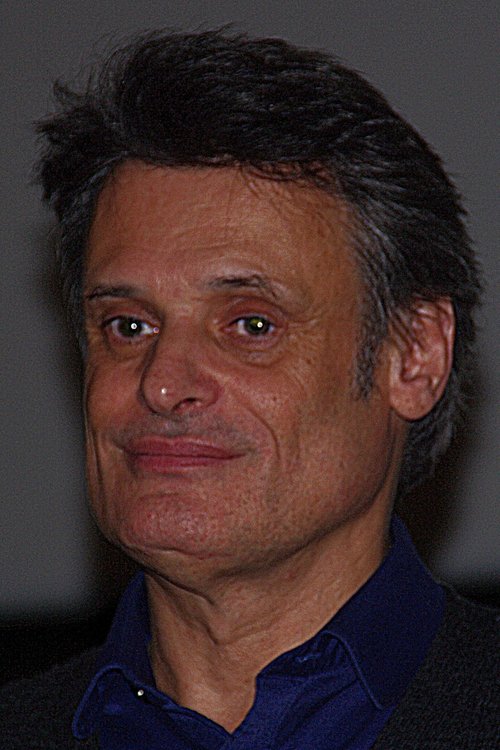
Charles de Meaux (born 1967) is a French film director and contemporary artist. His work combines fine arts and cinema. In 1997 in order to produce his first film, Le pont du Trieur (co-written with Philippe Parreno), he founded the production company Anna Sanders Films, with Philippe Parreno, Pierre Huyghe, Xavier Douroux and Franck Gautherot (both from the Consortium de Dijon), and then Dominique Gonzales-Foerster. de Meaux's 's film works make extensive use of narration to explore the relation between reality and fiction – particularly science fiction. Landscapes also play an important role in his work. Description above from the Wikipedia article Charles de Meaux, licensed under CC-BY-SA, full list of contributors on Wikipedia.
Known For

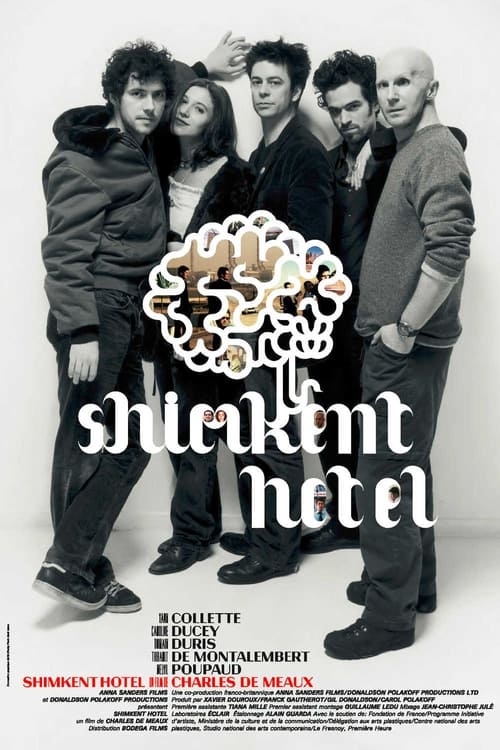
Shimkent hôtel tells the story of a young man who's experienced the failure of a business venture in the Afghan mountains, and who suffers from shock in Kazakhstan.
Shimkent Hôtel

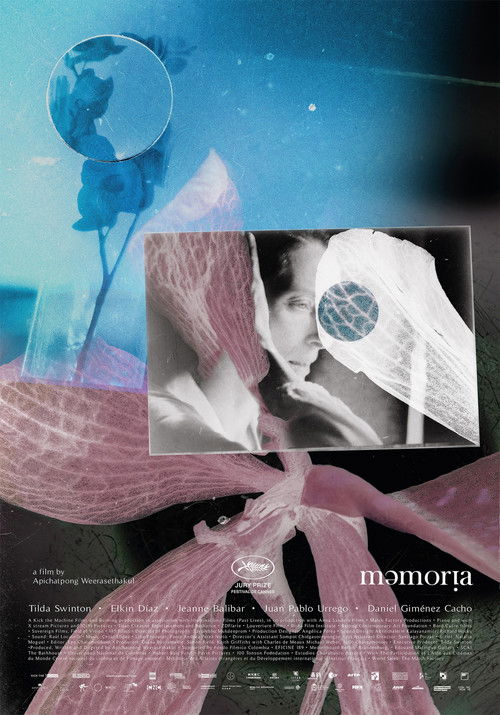
After hearing a loud ‘bang’ at daybreak, a Scottish woman begins experiencing a mysterious sensory syndrome while traversing the jungles of Colombia.
Memoria

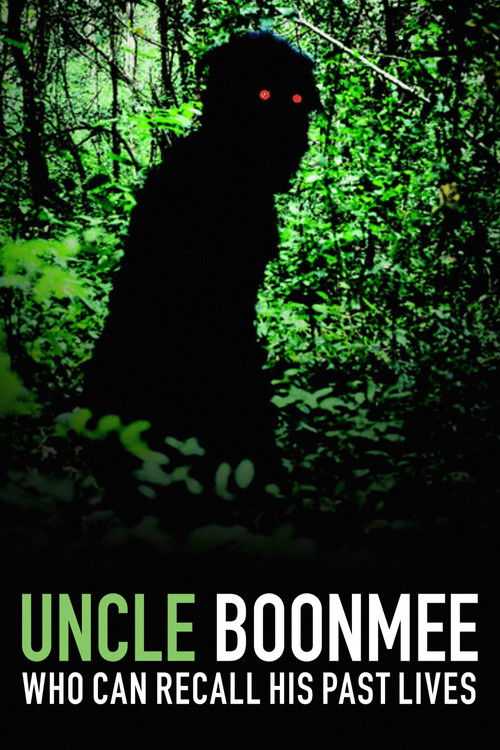
Suffering from acute kidney failure, Boonmee has chosen to spend his final days surrounded by his loved ones in the countryside. Surprisingly, the ghost of his deceased wife appears to care for him, and his long lost son returns home in a non-human form. Contemplating the reasons for his illness, Boonmee treks through the jungle with his family to a mysterious hilltop cave—the birthplace of his first life.
Uncle Boonmee Who Can Recall His Past Lives

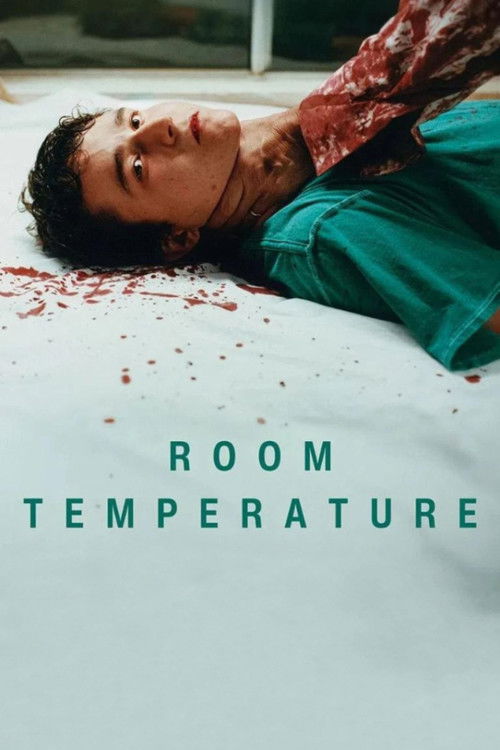
Every year, a family home is turned into a haunted house. The purpose is not only to be as terrifying as possible, but also to create a spectacular attraction to draw the neighbors in. The situation grows increasingly complicated, broken and distressed as the family’s problems intercede in their plans and as their real lives become the film’s true and overriding scary haunt.
Room Temperature

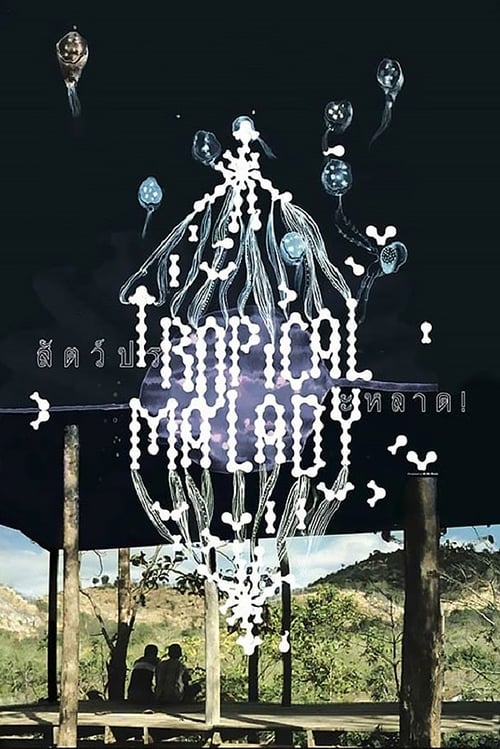
The passionate relationship between two men with unusual consequences. The film is divided in two parts. The first half charts the modest attraction between two men in the sunny, relaxing countryside and the second half charts the confusion and terror of an unknown menace lurking deep within the jungle shadows.
Tropical Malady

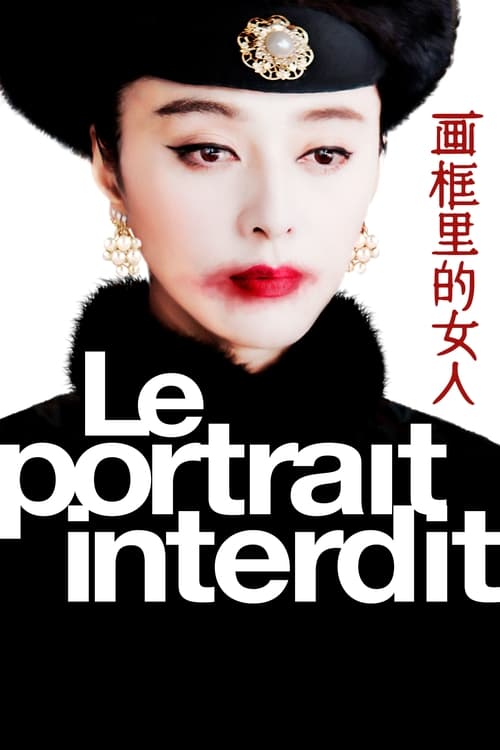
An empress commissions a painting of herself from a French outsider in hopes of stirring her husband's interest in this lavish period piece. The Lady in the Portrait is a period yarn evoking the unique rapport between a French missionary and the Manchurian Empress whose portrait he's ordered to paint.
The Lady in the Portrait

In a hospital, ten soldiers are being treated for a mysterious sleeping sickness. In a story in which dreams can be experienced by others, and in which goddesses can sit casually with mortals, a nurse learns the reason why the patients will never be cured, and forms a telepathic bond with one of them.
Cemetery of Splendor

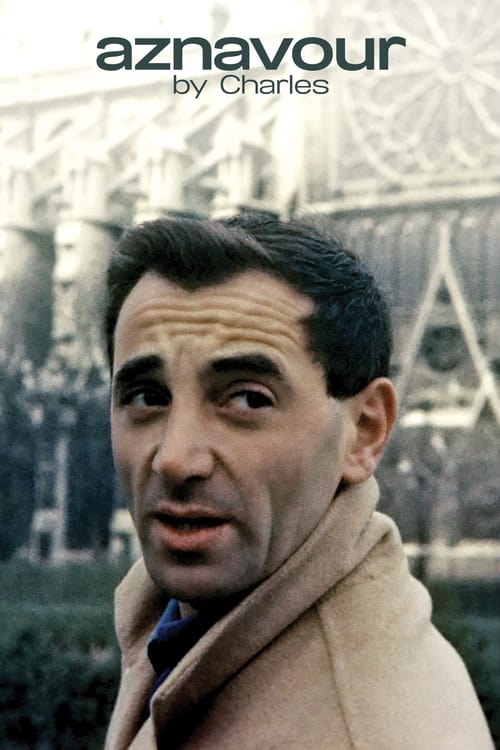
In 1948, French singer Charles Aznavour (1924-2018) receives a Paillard Bolex, his first camera. Until 1982, he will shoot hours of footage, his filmed diary. Wherever he goes, he carries his camera with him. He films his life and lives as he films: places, moments, friends, loves, misfortunes.
Aznavour by Charles

Min is an illegal Burmese immigrant living in Thailand who has contracted a mysterious painful rash covering his upper body. His girlfriend, Roong, and a middle-aged woman, Orn, take him to see a doctor. Min pretends that he cannot speak because he is not fluent in Thai and speaking would reveal him to be an illegal immigrant.
Blissfully Yours

A story about director Apichatpong Weerasethakul’s parents who were both doctors, and his memories of growing up in a hospital environment.
Syndromes and a Century

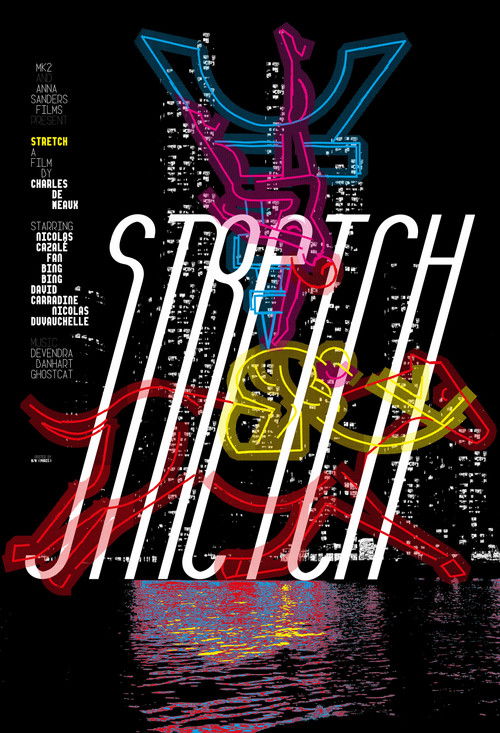
Christophe, a young horse racing jockey from Paris, is filled with hope and ambition. Yet after a race, he tests positive for illegal substances and is subsequently suspended from racing. He decides to move to Macau, in Asia. There his circumstances change very quickly: he wins one race after another, earning himself large amounts of money and success with women. But, his new life also brings him an ever-increasing sense of solitude. Macau has its own unspoken rules that Christophe thinks he can ignore. But events start to gain momentum as the net tightens around him. Motivated by love for an intriguing young Chinese woman, Christophe ends up gambling with his own destiny, but this time on the card tables.
Stretch

20 short films about human rights.
Stories on Human Rights
Glistening objects from a jewelry collection inspired by carnivorous plants are transformed into a colourful sea of garden creatures through hand-drawn animations of roots, insects and various other organisms. A loving tribute to Weerasethakul's mother's garden. Commissioned by Dior; first presented at Musée de l’Orangerie, Jardin des Tuileries, Paris, to mark the opening of a new set of jewellery designed by Victoire de Castellane, 27 February 2007.
My Mother’s Garden

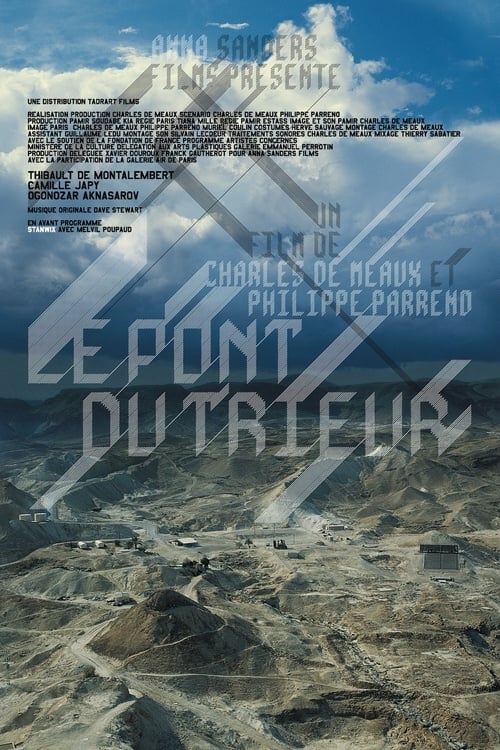
“Le Pont du Trieur”, co-written by de Meaux and Philippe Parreno, with an original score by Dave Stewart, is set in Pamir, a region situated in the highest part of Tajikistan, at the border between Afghanistan and China. This is a strategic zone controlled by various armies in the midst of a region that awaits reconstruction. The film stems from the simple question of how to tell the story of a country of which the West is deprived of images. Both fiction and documentary, it is about reality and the means of telling it.
Le pont du trieur

Pierre Huyghe's work questions how diverse languages can apply to the same reality. In his short film Blanche-Neige Lucie (Snow White Lucie), Huyghe tells the story of Lucie Dolene who sang in the French version of Disney's Snow White and the Seven Dwarfs. The film shows an aged Lucie humming the famous song while an interview with her runs as subtitles to the images. This mirroring of dubbing and translation serves as the vehicle for Huyghe's questioning of multiple identities and the ideal of translating a meaning to create a universal image.
Snow White Lucie

Between Bali, where Ioanis Nuguet lived and found refuge after the sudden death of his father in a diving accident, and Provence, where he grew up and where his mother lived before she, too, died of cancer, the director weaves together fragments of his family history: a mosaic of places and impressions where life and death, beauty and pain, love and loss are intimately intertwined.