Acting
A gifted woman's intellect brings chance to lead covert European police force. But it backfires, costing her everything. Following murder at her home and kidnapped heiress, her ex-supervisor enlists a policeman's aid to reinstate her.
La que se avecina is a Spanish television comedy created by Alberto Caballero, Laura Caballero and Daniel Deorador. The TV-series focusing around the inhabitants of Mirador de Montepinar, a fictional building located on the outskirts of a big city. Both its storylines and cast are heavily based on Aquí no hay quien viva, which ended when Telecinco bought Miramón Mendi, the series production company. The episodes debuted on the Telecinco network, and were later rerun by the same network as well as cable/satellite channels FactoríaDeFicción and Paramount Comedy. The series debuted in 22 April 2007 and became popular thanks to its funny characters, witty script, use of catchphrases and capacity to integrate and poke fun at contemporary issues; the program presents a caustic satire of many of the 'types' found in Spanish society. The name of the show involves wordplay, as "vecina" is the Spanish word for neighbour.
A soldier from the 15th century, a university student from the 19th century and a nurse from the present join the secret 'Department of Time', a secret department within the Spanish government with the ability to travel through time. Their mission is prevent changes in history.
A comedy of manners that follows the daily miseries and constant micro-humiliations suffered by José Ramón and Berta, a married couple in whom no one, not even they themselves, has much faith.
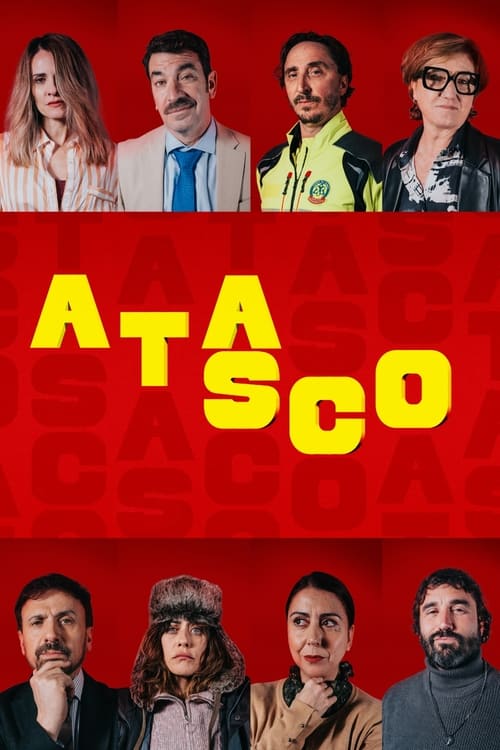
A major traffic jam throws thousands of citizens on the outskirts of Madrid into chaos, disrupting their plans. This everyday situation will be the starting point for unexpected, comical, and emotional plots.
No description available.
Malasaña neighborhood, Madrid, Spain, 1976. While political turmoil ravages the streets all over the country, the Olmedo family arrives in the big city and settles into their new apartment. They soon discover that they are not the only ones roaming its corridors.
Toñi, an eccentric grandmother, gets by between failed businesses and a carefree attitude. Her daughter Daniela, a stressed executive and single mom, wants to keep her away.
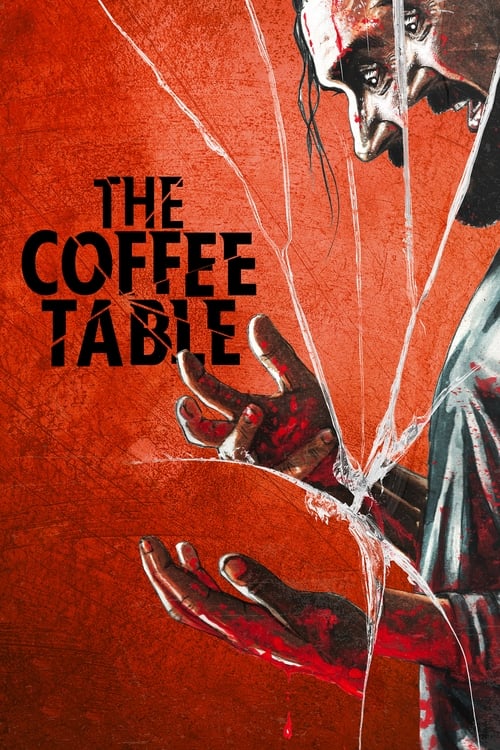
Jesus and María are a couple going through a difficult time in their relationship. Nevertheless, they have just become parents. To shape their new life, they decide to buy a new coffee table. A decision that will change their existence.
Almería, Tabernas desert, Spain, 2002. Texas Hollywood is a dilapidated and dusty town where Western movies have not been shot for decades. Julián Torralba and his partners, veteran film stuntmen, survive there, recreating pathetic action scenes for the pleasure of the few foreign tourists who visit the isolated region.
Two friends, Grullos and Antuña, reunite in a hospital where they share a room. Life goes on, and when they leave, they go their separate ways. One has unfinished business to settle, while the other wants to make up for lost time.
After her experiences in Nazi Germany, actress Macarena Granada traveled to Hollywood, where she became a star. In the 1950s, the diva returns to Francoist Spain to star a Hollywood blockbuster about Queen Isabella I of Castile. (A sequel to The Girl of Your Dreams, 1998.)
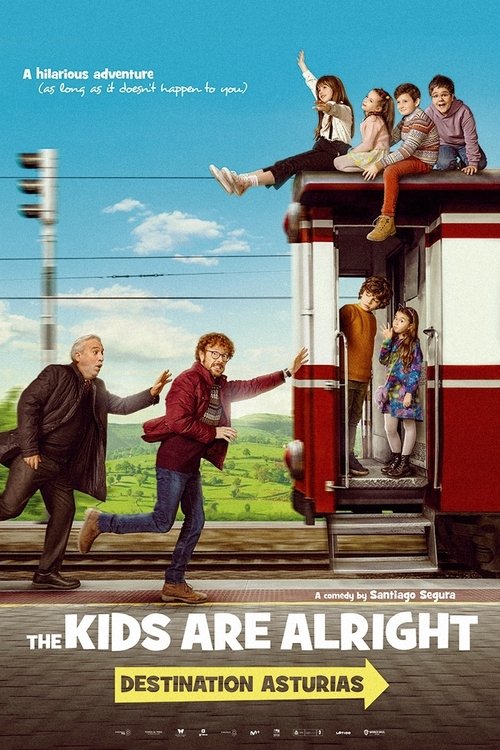
When Ricardo, a responsible father, decides to personally take his son to a camp in Asturias, other parents propose that he should also take care of their children. When the train is about to leave, Felipe, a flamboyant individual and grandfather of two of the children, shows up at the station.
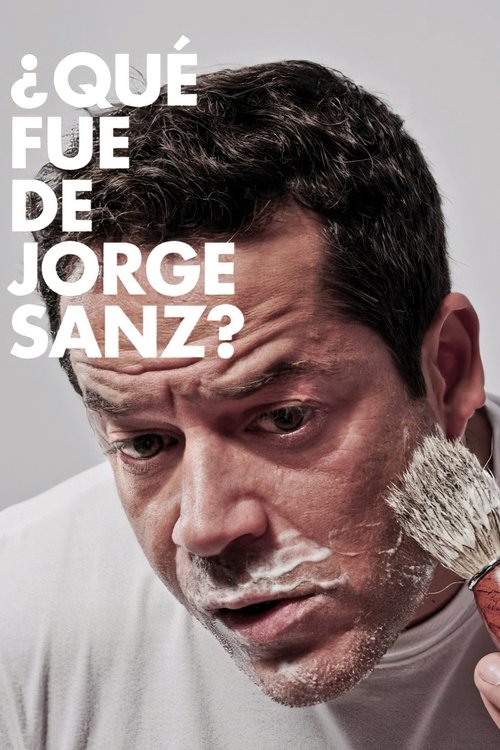
After a magical night together, Adri voluntarily turns himself into the psychiatric institution where Carla lives.
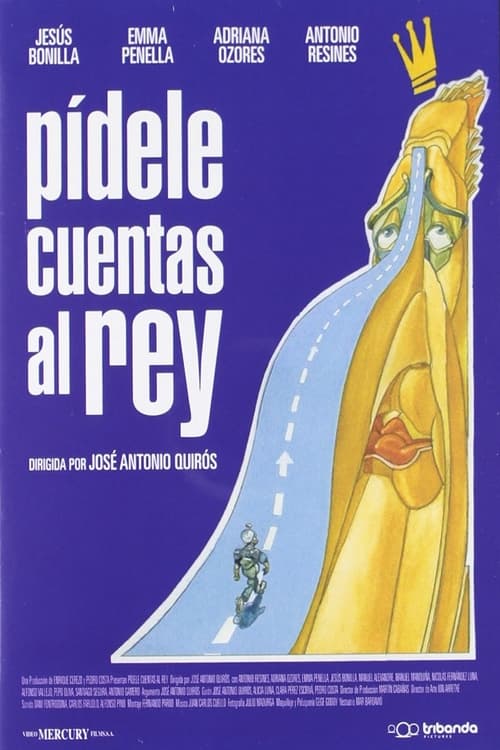
Fidel, an Asturian miner, after the closure of the mine where he works, decides to walk to Madrid with his family, to ask the king why the Constitution is not met, specifically the article that points out that all the Spanish citizens have the right to have a decent work. Will the king receive him?
After finding an enormous amount of money hidden in a dead man's apartment, real estate agent Julia must face the wrath of the very peculiar inhabitants of the apartment building, who will stop at nothing to get their hands on the money.
Palencia, Spain, late 1990s. While Gema and Toribio, who live in their own cloud of precarious happiness, always smile stupidly as if they have to apologize for something they have not actually done, their little son Martín suffers, every day at school, an unbearable ordeal, tragic but also comical, that they, a peer of daydreaming simpletons, are unaware of.
The rude, lewd and crude Spanish ex-police officer Torrente finds himself facing jail time. Can he survive a twisted irony that places him where he has put so many others, both guilty and innocent?