Camera
Since the late 18th century American legal decision that the business corporation organizational model is legally a person, it has become a dominant economic, political and social force around the globe. This film takes an in-depth psychological examination of the organization model through various case studies. What the study illustrates is that in the its behaviour, this type of "person" typically acts like a dangerously destructive psychopath without conscience. Furthermore, we see the profound threat this psychopath has for our world and our future, but also how the people with courage, intelligence and determination can do to stop it.
This feature-length documentary is a portrait of eclipse chasers, people for whom solar eclipses - among nature's more spectacular phenomena – are a veritable obsession. The film follows 4 of them as they travel incredible distances to witness the last total eclipse of the millennium as it sweeps eastward across Europe to India. At various points along the way enthusiasts Alain Cirou in France, Paul Houde in Austria, Olivier Staiger in Germany and Debasis Sarkar in India offer their impressions of the historic event.
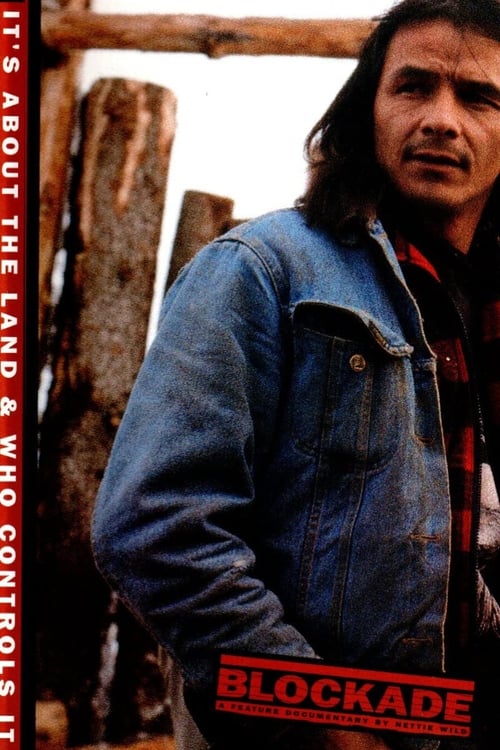
"Blockade" takes place in the mountains and valleys of northern British Columbia, at the heart of the boldest aboriginal land claims case to challenge the white history of Canada. The Gitksan and Wet'suwet'en hereditary chiefs claim that everything within 22,000 square miles, including the trees, is rightfully theirs.
Bevel Up is an educational film designed to give students and instructors access to the experience of health care practitioners who work with the drug-using population of Vancouver’s Downtown Eastside. Produced by the same street nurses who work with these users on a daily basis, the film contains invaluable knowledge that can't be found in nursing schools and teaching hospitals.
Peeling back the layers of her grandmother's life, filmmaker Linda Ohama discovers a painful, buried past in this feature-length documentary. Asayo Murakami, 103 years old, recalls life in Japan, her arrival in Canada as a "picture bride," her determination to marry a man of her choice, the bombing of Hiroshima and the forced relocation of her family during WWII. Beautifully rendered dramatic sequences are merged with an exquisite collection of memories, feelings, images and voices. Culminating in an emotional reunion with a long-lost daughter, this film is a personal reflection of Japanese-Canadian history and a testament to one woman's endurance and spirit.
In Vancouver, Alex, from the Nisga’a Nation, talks about the abuse and violence that drove him to take his first drink. Paula, a Woodland Cree woman, started shooting up at age 11; soon, the only way to support her habit was as a sex worker. As a five-year-old girl, Desirae was put into foster care; now as an adult with her own kids, she struggles to break the generational cycle of addiction.
A young immigrant arrives in Canada from France, and brings his Citroën 2CV with him. The iconic post-war car stands out on the streets of Vancouver, and before long he meets up with a group of like-minded car buffs.
A film about the noted American linguist/political dissident and his warning about corporate media's role in modern propaganda.
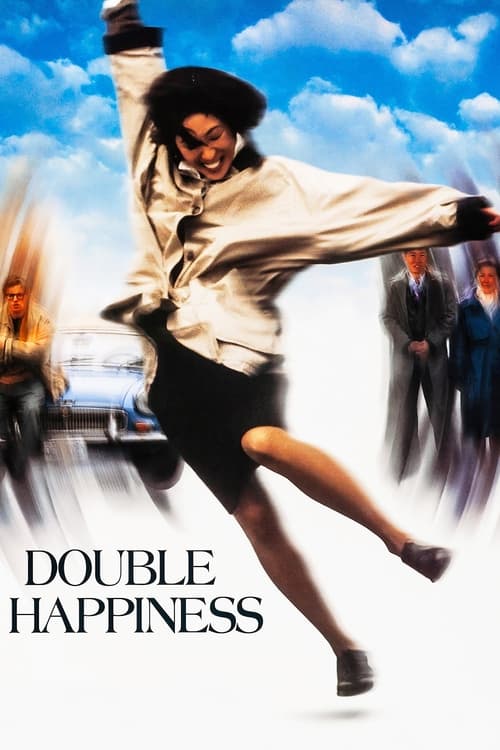
Jade Li is a feisty, 20-something Chinese Canadian, trying to achieve that happy medium between giving in to her parent's wishes and fulfilling her own needs and desires - double happiness. Naturally, something's got to give and when love beckons in the shape of Mark, a white university student, the facade of the perfect Chinese daughter begins to slip.
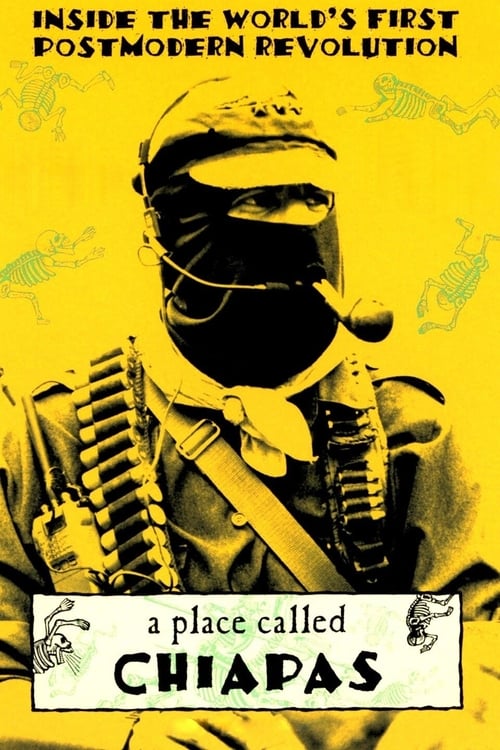
In 1994, the Zapatista National Liberation Army, made up of impoverished Mayan Indians from the state of Chiapas, took over five towns and 500 ranches in southern Mexico. The government deployed its troops and at least 145 people died in the ensuing battle. Filmmaker Nettie Wild travelled to the country's jungle canyons to film the elusive and fragile life of this uprising.
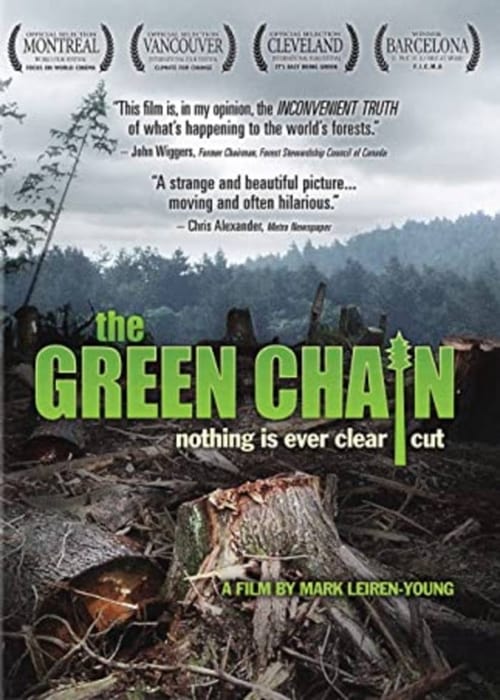
The battle between loggers and environmentalists is defining, dividing, and destroying communities in Canada and around the world. The Green Chain is a powerful, funny, and thought-provoking film about the people who love trees.
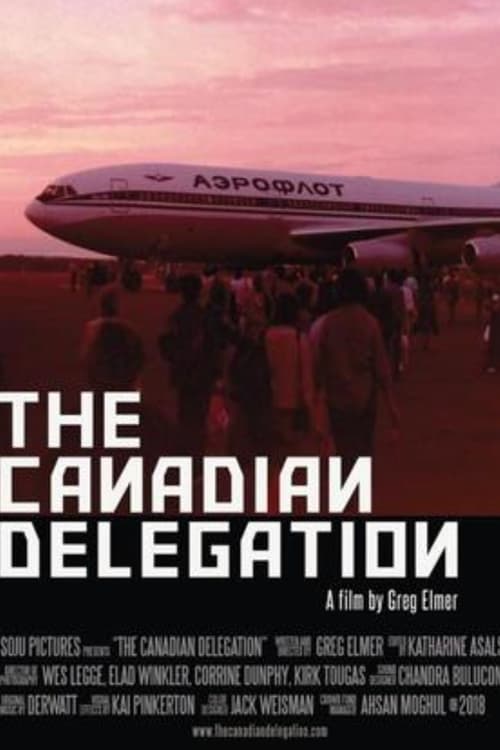
In the summer of 1989, as the Soviet bloc crumbles and China fends of a democratic revolt, the head of Canada's Young Communist League leads a delegation of youth to an international student festival in one of the most isolated and enigmatic nations in the world.
"I saw the light..." Sun, light, darkness, shadow -- from time immemorial all weighted with significance and wonder. What mastery over nature, over others, to grasp the sun, control light itself! Know its speed, its heat, its colour, its radiation, its nature - is this not the power of the gods? Cinema is messaging with light and shadow. Figure and ground. Light, onto which we project significance, now transports our information. Perception shaped by our experiences, our interpretations, our projections, our illusions. Frames of drama and comedy, journalism and documentary, propaganda and advertising, all combined daily and edited, reproduced for mass consumption. What is the message?
Thousands of Indigenous Canadians enlisted and fought alongside their countrymen and women during World War II even though they could not be conscripted. Ironically, while they fought for the freedom of others, they were denied equality in their own country and returned home to find their land seized.
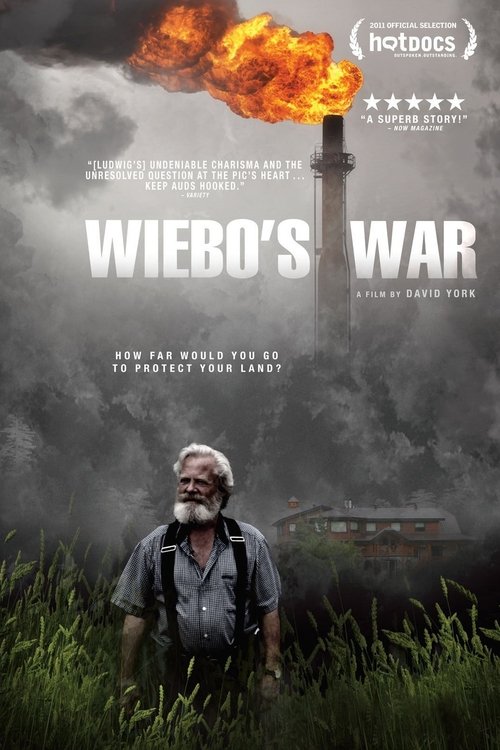
Wiebo Ludwig is the leader of a Christian group who brought his family to live in Alberta, Canada, 25 years ago in order live a life according to scripture. They built a small, self-sufficient community in a place that they did not realize was one of the largest undeveloped natural gas fields in North America. Unlike others who lived in the area, Wiebo and his family refused to sell their land and move, and now Wiebo is the prime suspect in a series of pipeline bombings and other acts of sabotage against the local oil industry.
In sixteen chapters containing four and a half hours of materials, Tracks Across Sand offers a unique chance to travel to the edge of the Kalahari, to a struggle for indigenous rights, and into the heart of contemporary South Africa. Driven from their lands, forced into a life of destitution, and denied the right even to speak their own languages, the ‡Khomani San fight for their heritage. Culled from over 130 hours of video recorded between 1996 and 2010, Tracks presents a unique record of the ‡Khomani San, bringing together the story of Africa's first Bushman claim, from preparation through to ten years after the claim was granted. Seen through the eyes and told in the words of the ‡Khomani San themselves, this film chronicles the struggle for indigenous rights by a people who are defying a history that has attempted and failed to make them disappear.
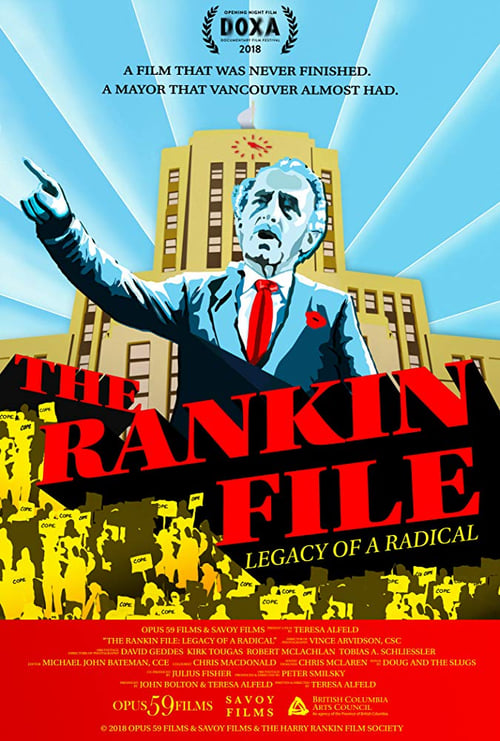
A feature documentary investigation into the colourful and sometimes controversial life of Vancouver lawyer, city councillor and socialist icon Harry Rankin.
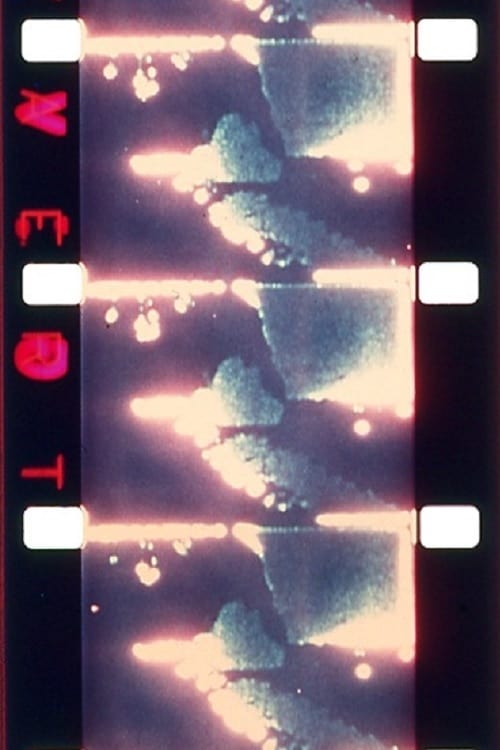
Following an introduction which establishes the social context of the film, ‘The Politics of Perception’ presents a one-minute promotional film advertising a popular Hollywood thriller. This section then repeats itself: a print is generated from the one-minute segment, then a print from the print, and so on as the image and sound slowly disintegrate with each new cycle, until the visual and sound information have completely evolved to white light and white noise. The most original film from the Northwest area. ‘The Politics of Perception’ explores conceptually the paradoxes of communication and the very nature of film itself, progressing from movie reality to its utter abstraction. A maddeningly stimulating work!
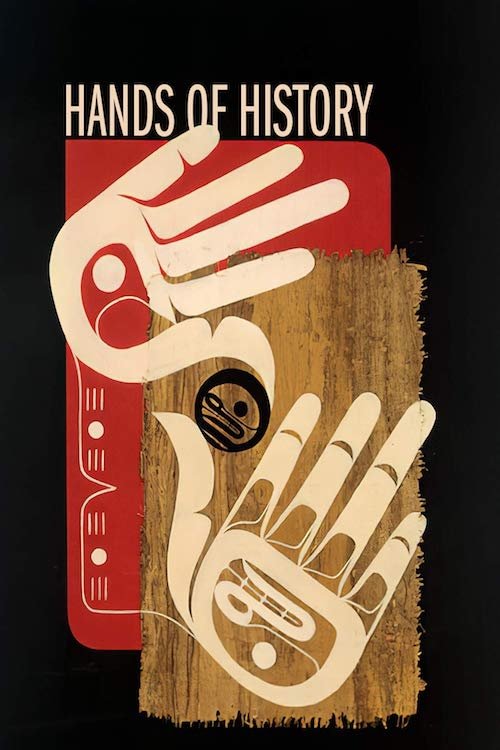
This documentary follows four female First Nations artists—Doreen Jensen, Rena Point Bolton, Jane Ash Poitras and Joane Cardinal-Schubert are First Nations artists who seek to find a continuum from traditional to contemporary forms of expression. These exceptional artists reveal their philosophies as artists, their techniques and creative styles, and the exaltation they feel when they create. A moving testimony to the role that Indigenous women artists have played in maintaining the voice of their culture.
Letters from Vancouver comprise two films, made at the same time, that share a common interest in "the medium is the message" (McLuhan), and form a reflexive, self-referential enquiry into the film medium itself. Together, "The Politics of Perception" and "The Framing of Perception" form a meditation on our audio/visual creation, bearer of information and culture, meaning and representation. It is a medium with extraordinary powers, able to evoke the deepest feelings of love and loss, anger and fear, laughter and thoughtfulness, yet of great fragility, fading with time, precarious on a perforated strip of celluloid.