Writing
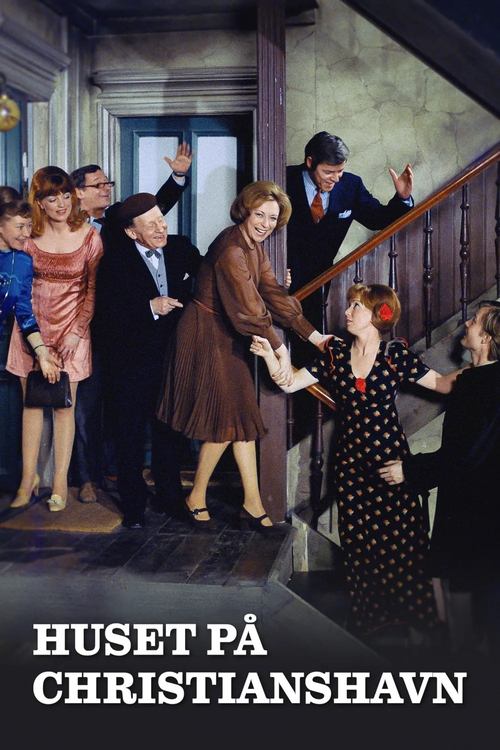
The series follows the residents of an apartment building on Copenhagen's Christianshavn, as they go about their daily lives and challenges. There is Olsen, a mover with an old fashion view of the world, Clausen who runs the local pet shop, Egon the career focused assistant, their wives who work hard to keep their spouses lives together, the young couple Tue and Rikke who recently moved in, the hard working caretaker Meyer, who never puts in to much effort, and of course Emma, the innkeeper of Rottehullet, where all the important decisions are made while running up the bar tab. The series was produced by Nordisk Film for Danmarks Radio TV station between the years 1970-77. The series' first director was Ebbe Langberg, then Erik Balling and Tom Hedegaard respectively. The series was conceived by an author team of well-known Danish authors such Leif Panduro, Benny Andersen, and Lise Nørgaard.
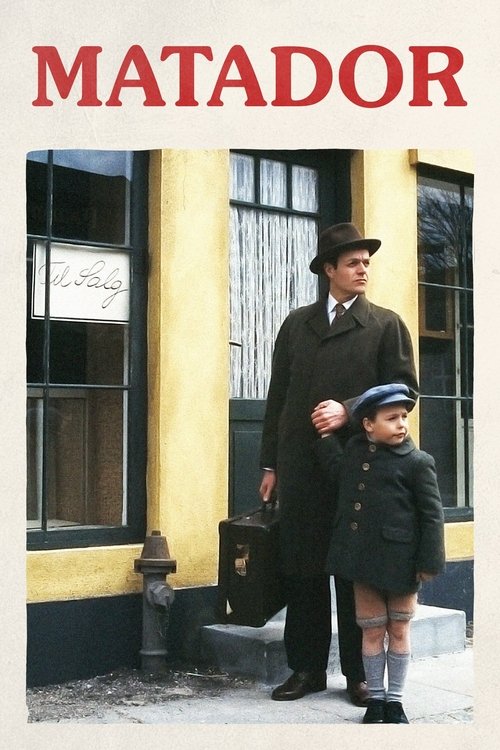
Matador is a Danish TV series produced and shown between 1978 and 1982. It is set in the fictional Danish town of Korsbæk between 1929 and 1947. It follows the lives of a range of characters from across the social spectrum, focusing specifically on the rivalry between the families of two businessmen: The banker Hans Christian Varnæs, an established local worthy, and social climber Mads Skjern, who arrives in town as the series opens. The name Matador was taken from the localised edition of the boardgame Monopoly, also the series' tentative English title. In addition, in contemporary Danish a "matador" is often used to describe a business tycoon, in the series referring to the character of Mads Skjern and his craftiness as a self-made entrepreneur. Directed by famed Danish film maker Erik Balling, Matador was the idea of author Lise Nørgaard who wrote the bulk of the episodes alongside Karen Smith, Jens Louis Petersen and Paul Hammerich. The series is one of the most well-known and popular examples of Danish television and represents the peak of longtime development of Danish TV drama by the public service channel Danmarks Radio. The series has become part of the modern self-understanding of Danes, partly because of its successful mix of melodrama and a distinct warm Danish humour in the depiction of characters, which were portrayed by a wide range of the most popular Danish actors at the time; but also not least because of its accurate portrayal of a turbulent Denmark from around the start of the Great Depression and through Nazi Germany's occupation of Denmark in World War II.
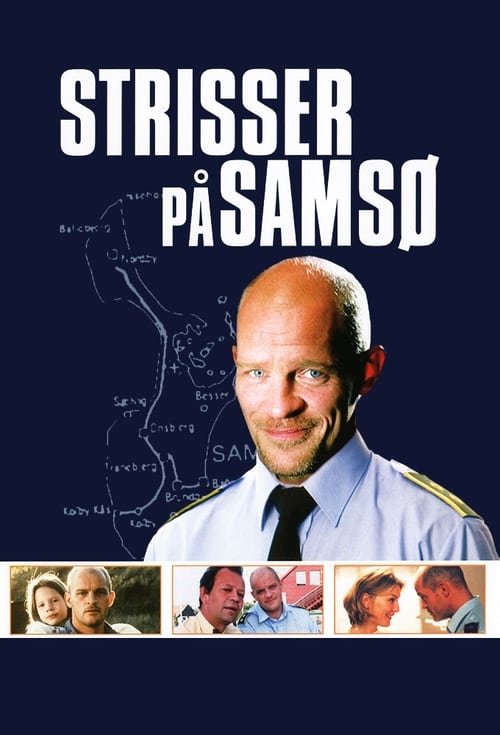
Strisser på Samsø is a Danish television series in 12 episodes, written and directed by Eddie Thomas Petersen. Produced by Per Holst Filmproduktion, it was first broadcast on TV2 in 1997-1998. The story tells how Christian Torp, a police officer who has lost his wife in an unsuccessful robbery, brings his daughter Sille to the Danish island of Samsø looking for peace and quiet. They have difficulty in integrating into a society full of problems where everyone knows everything about everybody, but they find a friend in Ulla, a secretary. Among others, it stars Lars Bom, Amalie Dollerup and Jesper Milsted. The series was entitled "Island Cop" when broadcast in subtitled form on Ireland's TG4 channel.
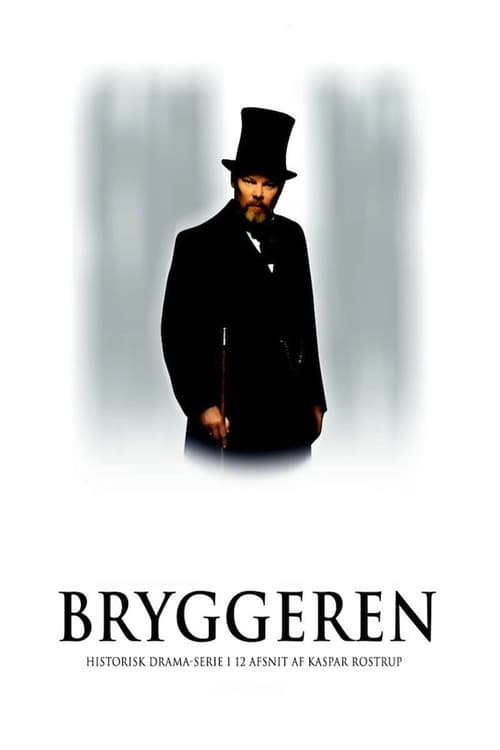
A story about Carlsberg founder JC Jacobsen, his son Carl, and their struggle to create a brewing company, and simultaneously a look at fifty years of Danish history.
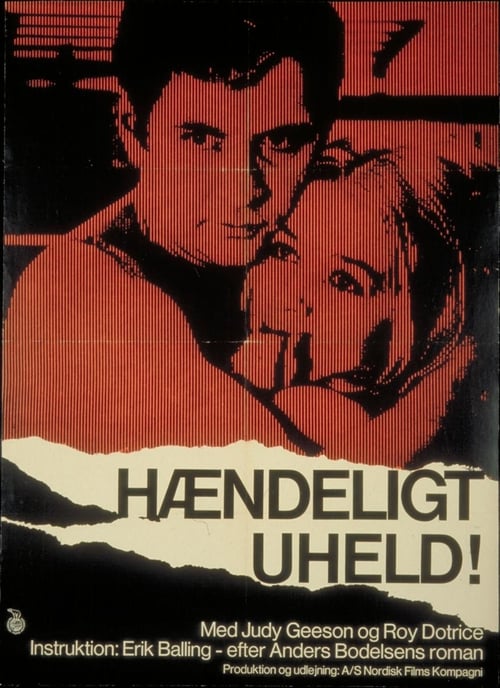
A successful auto executive Vinther becomes entwined with a young nubile girl, following an avoidable car accident, that results in the death of a man. The girl mentally blackmails our executive through manipulation leading to an affair that threatens Vinther's career and marriage.
No description available.
Just after World War II, an American takes a railway job in Germany, but finds his position politically sensitive with various people trying to use him.
When Maria's father sends her a valuable icon that he stole, she must decide whether to collect the reward or protect her father.
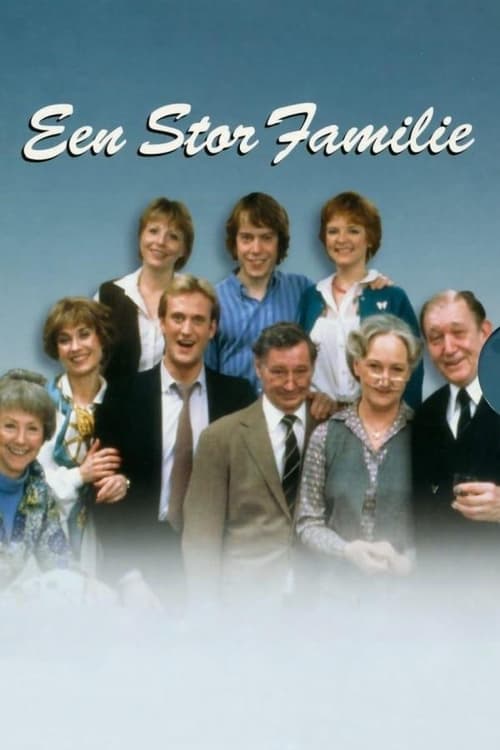
One Big Family is a Danish television series in 12 episodes, first broadcast in 1982-1983. The series was directed by Bent Mejding, while the script was written in turns by Lise Nørgaard, Paul Hammerich and Jane Aamund. The series is produced by Nordisk Film for Danmarks Radio.
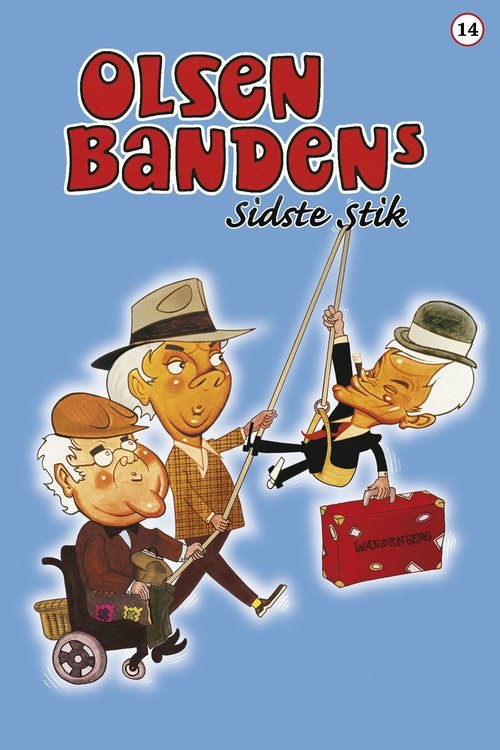
Egon Olsen is the leader of the Olsen Gang. While he was in the slammer, he planned how he would steal the fantastic golden figure Keizeroppzatsen.
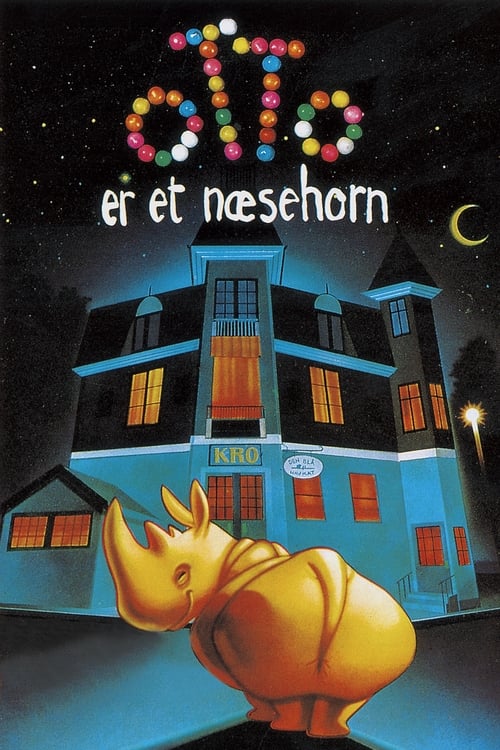
The boy Topper is bored. He finds a pencil that proves to have magical powers. Draw a rhino, and right away, you have a real rhino for a companion. A little heavy perhaps, when you live on the second floor. No matter, it's a modern fairy-tale of the baroque, and everything goes. Based on kiddie entertainment by Ole Lund Kirkegaard, but as was the case with the book, the fun is to be enjoyed by one and all.
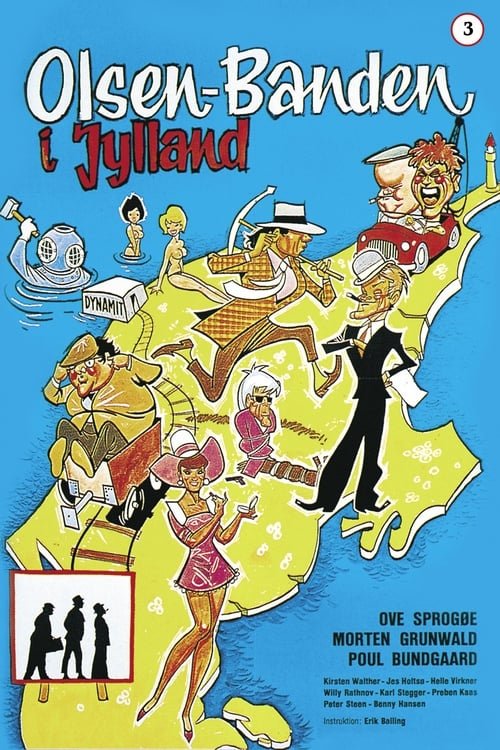
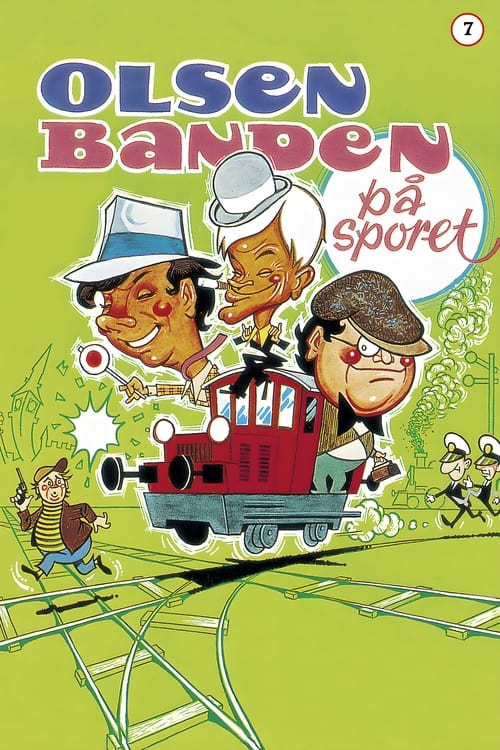
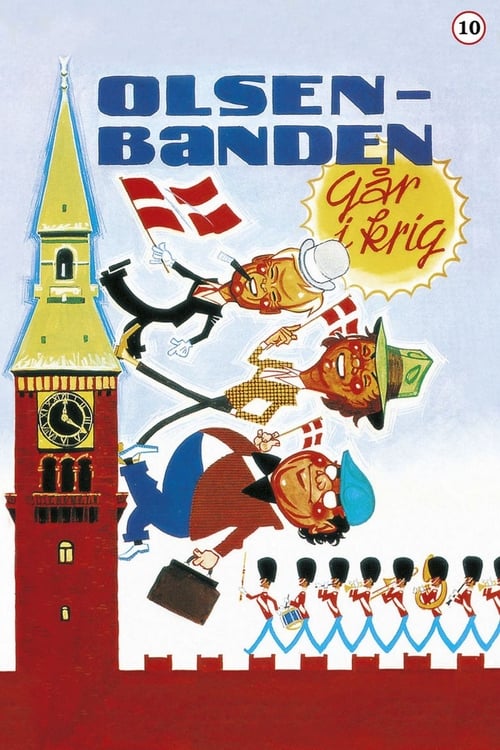
The Olsen gang in Jutland. Ones again Egon Olsen has a plan when he gets out of Vridslose State Prison. He has found out that the Germans left a large sum of money (in American dollars and gold bars) in one of their commando bunkers, when they were defeated in 1945; the only problem it's in Jutland. Egon, Benny and Kjeld "appropriate" a car and drives to Jutland along with Kjelds wife and child Yvonne and Borge. They look forward to fooling the the people in Jutland, but of course, things don't go quite as planed. It ends with Benny, Kjeld, Borge and Yvonne sitting in the train back to Copenhagen, were they are overtaken by Egon in his car on the road next to the track. This is the last time the Olsen gang goes to Jutland.
Egon and his two cronies managed to sneak a fortune with them to Spain. Here they live a life in a whirl of pleasures, but they are not truly happy. While Egon always has the money chained to him, Bøffen still manages to steal them. Egon ends up in jail once again, and when he comes out, he has a brilliant plan.
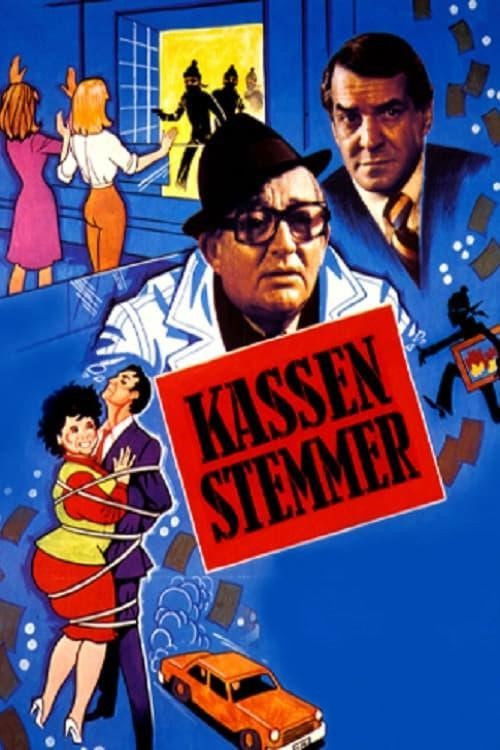
Three young men discover a scam that three somewhat older gentlemen from Aarhus' upper class have set up to avoid bankruptcy. The gentlemen directors have both accounts and safe deposit boxes at the bank branch where one of the young men works, so it seems only natural to give the swindlers a taste of their own medicine, so to speak. The situation is further complicated when a journalist gets wind of the double heist and wants his share of the pie.
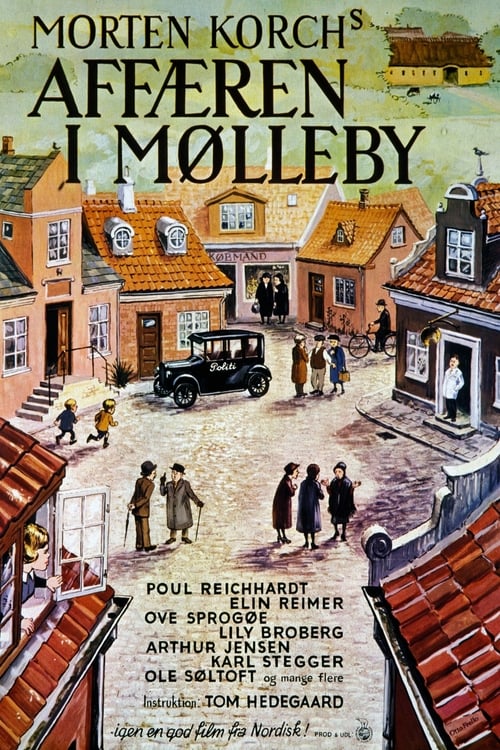
Mølleby is a small, cozy market town. The year is 1924, and the sight of a Rolls Royce from Copenhagen is a sensation. But all is not as idyllic as it seems. The town's new mayor is trying to build a new brickworks to ensure the town's growth and future, but the previous mayor is doing everything he can to thwart these ambitious plans...
Egon and the gang are hired to stage a robbery of an antique Chinese vase for an economically challenged baron. Naturally they fooled, which infuriates Egon. The gang tries to get back at the baron by switching the vase with a cheap Hong Kong copy. One attempt is made during the barons hunting party, where Egon ends up being bricked up in the catacombs. In another attempt, the gang has to coordinate breaking through several walls at The Royal Theater in Copenhagen with the "Elverhøj" overture.
The first of 14 Olsen Gang films presents us with Egon Olsen, head of the gang, and his friends Benny and Kjeld, who want to become the best known gang in Denmark and eventually Europe by stealing a famous Bavarian work of art currently displayed in a Copenhagen museum. Although Egon's plan works out fine, there is only trouble ahead for the little gang.
Some criminal EU ministers plan to turn Denmark into a gigantic fair ground and holiday paradise. Egon gets his hand at some important documents which could both make him rich and take care of Denmark's future.
Egon escapes from the psychiatric ward, where he has been incarcerated since the gang's last coup. Keld and Benny pick him up, and when Egon, as always, is planning the big heist, the Olsen Gang is once again on the move.