Directing
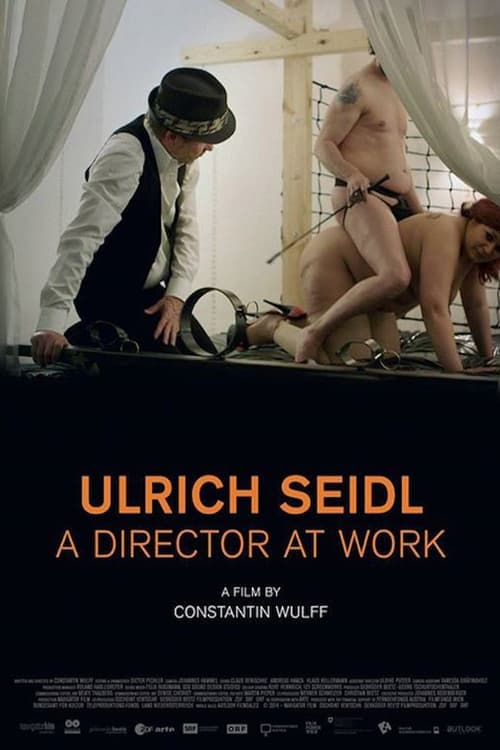
This cinematic portrait shows the Austrian filmmaker Ulrich Seidl at work. The much-discussed ‘Seidl method’ is conveyed here vividly and directly: The camera watches over Seidl’s shoulder during the filming of his new production IM KELLER, and observes him at the rehearsals for his latest theatre production ‘Böse Buben / Fiese Männer’. The film paints the picture of a fascinating and exceptional artist using a combination of extensive interviews and excerpts from earlier works.
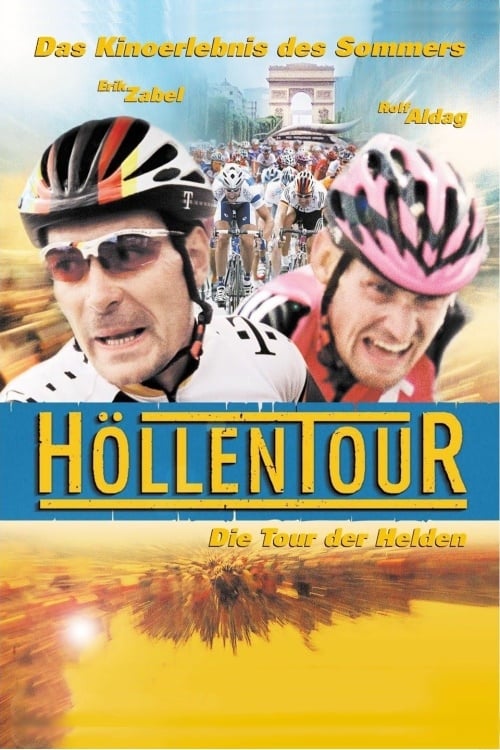
Year after year hundreds of thousands of fans line the route of the Tour de France, cheering on their heroes and willing them to victory, while millions of viewers worldwide tune in on their televisions. Academy Award-winning director Pepe Danquart, fascinated by the spectacle of the three week race, chose to focus on the courage, the pain and the fear of the riders of the Tour. Training his lens on German superstar sprinter Eric Zabel and his loyal domestique Rolf Aldag, Danquart captures the thrill of the race and the teamwork behind the stars of the peleton. He also shines light on the Tour's supporting cast - the director sportifs, masseurs, and, of course, the wildly enthusiastic fans. Reveling in the stunning landscape - from the Alps to the Pyrenees to the Massif Central to Paris - and with a nice dollop of Le Tour's history, HELL ON WHEELS transcends the sport it celebrates to reveal an astonishing human endeavor.
Outlines the history of 40 years of the skinhead subculture, beginning with the most recent versions of the culture.
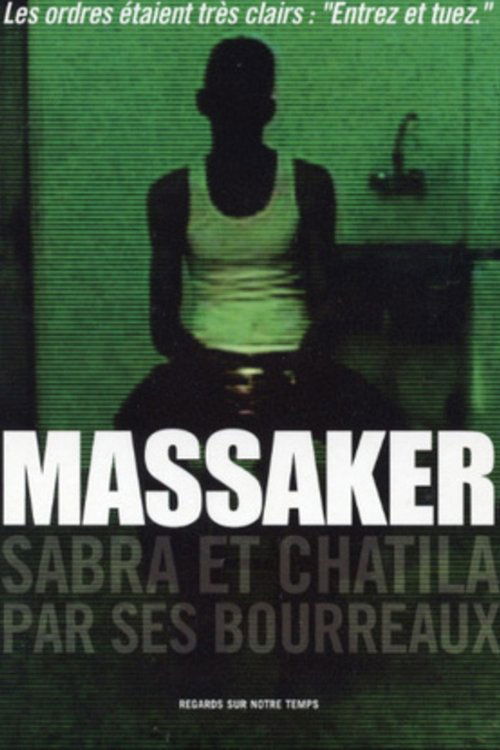
Interviews with six of the mass murderers from Sabra and Shatilla. The faces are in black and are not identifiable.
The Guler family have a dream: to take their son Jan to the pinnacle of world tennis. While his peers embark on apprenticeships or attend gymnasium classes, Jan joins the professional players' training camp. It's a huge challenge for the whole family. Over a period of five years, the film follows the Guler family on their road to success, showing first-hand how they cope with the sporting, family and social demands of a professional sports career. Little by little, Jan grows into a young man.
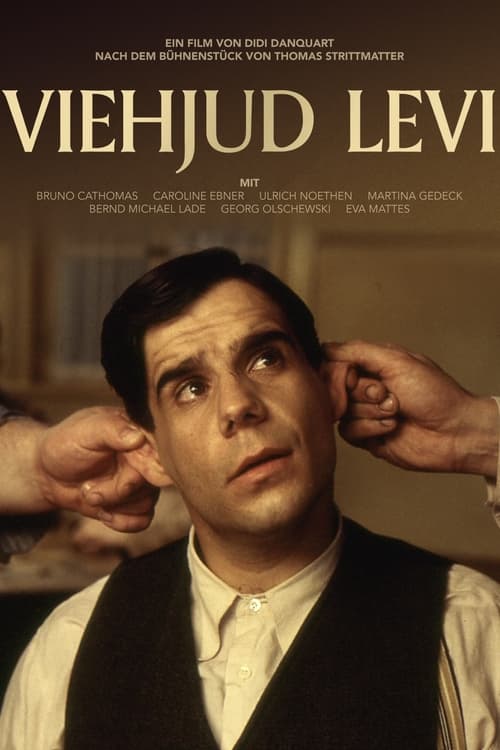
Benjamin Levi (Bruno Cathomas) is a Bavarian cattle dealer traveling to pre-World War II Germany on his annual trip to a remote farming village. Levi hopes to do some business and, more importantly, win the hand of the lovely Lisbeth (Caroline Ebner). But Nazi propaganda has gripped the small community and poisoned it forever. Now, Levi and Lisbeth are targets of hate in this provocative and shocking drama.
Odyssey of the fortune-teller Daniele von Arb who, aged sixteen, joined the revolutionary underground and made the headlines as a top Swiss terrorist.
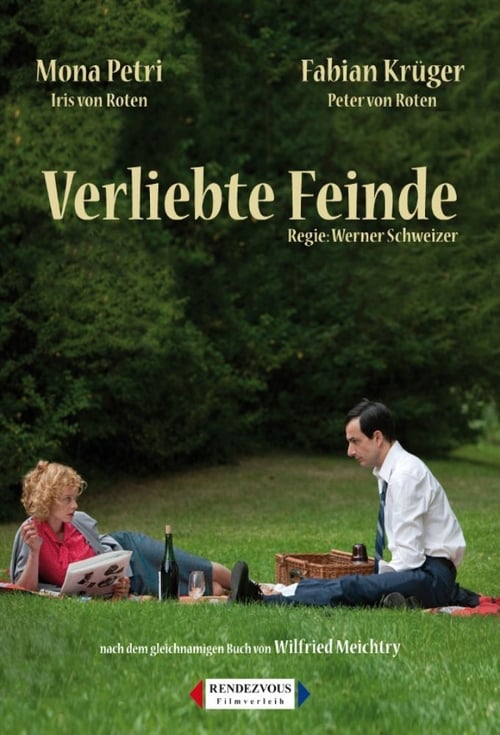
Iris and Peter von Roten - the most famous, provocative and beautiful couple in Swiss history. A love story full of political and moral oppositions.
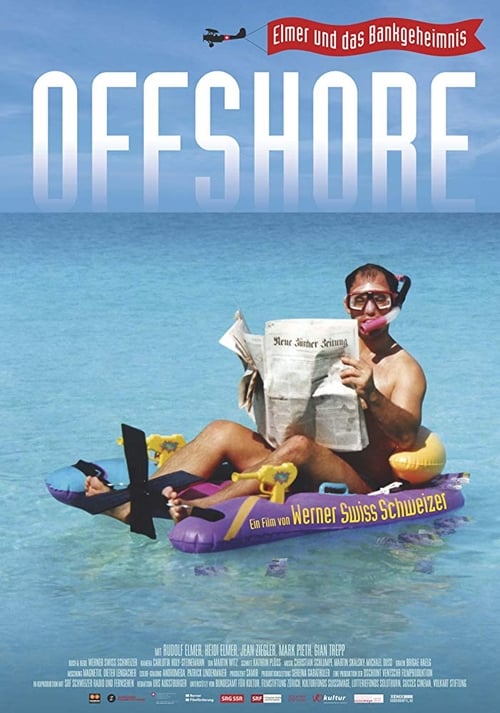
While managers of Swiss banks in the USA ruefully apologize for their tax evasions practices and customer data is disclosed to the American authorities, Rudolf Elmer, former auditor at bank Julius Bär, is indicted for violating the Swiss banking secrecy law on the Cayman Islands. Rudolf Elmer: from insider to critic.
A look at the pervasive power of dust from its tiny particles settling in unseen places to its ability to cause illnesses and create the cosmos.
Bernard Rambert, “Red Beni”, is one of Switzerland's best-known and most controversial defence lawyers. What conclusions can a person who has spent his entire life fighting for radical change through legal means draw?
Pascal, Miranda, Jeremy and Franziska are real gypsies. They're between 17 and 25, love big powerful cars and have decided to live on the move. Like many other young Yenish people. They need freedom and fight for it. They show a world closed to the sedentary. A different but very Swiss life. Today's Romanis: disenchanted, close to reality.
At an exhibition, graphic designer Stefanie is thrilled by the work of John Heartfield, the inventor of political photomontage 100 years ago. While trying to understand his life on the run, she suddenly finds herself in Heartfield's studio.
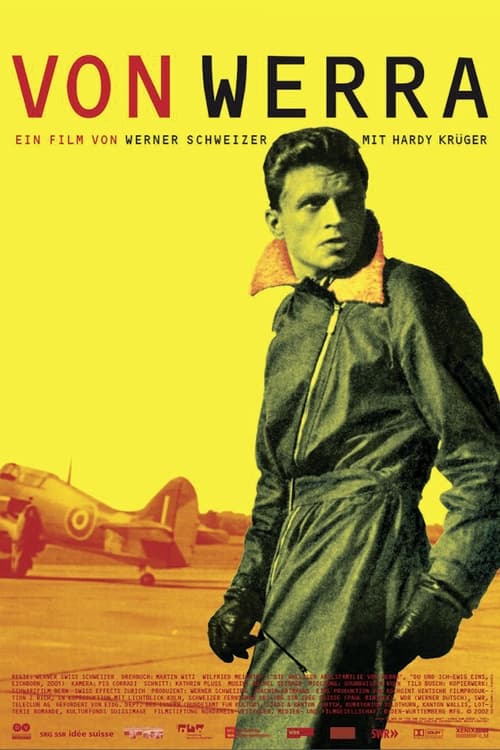
Documentary about a German Luftwaffe fighter pilot, Franz von Werra, the only German soldier of the Second World War who managed to escape from captivity as a prisoner of war and return to Germany.
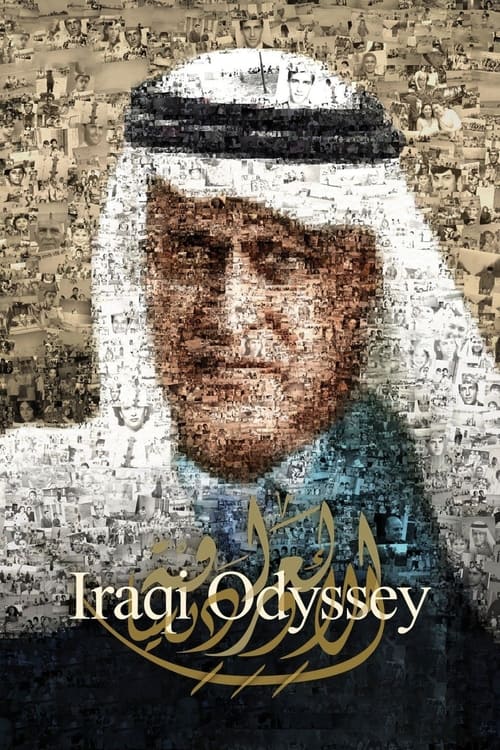
Tracing the emigrations of his family over more than half a century, this riveting documentary epic from acclaimed expatriate Iraqi filmmaker Samir pays moving homage to the frustrated democratic dreams of a people successively plagued by the horrors of dictatorship, war and foreign occupation of Iraq.
No description available.
In the 1930s and 40s, American Noel Field saved innumerable lives, and his volunteer work offered hope for refugees and immigrants. A delegate to the League of Nations, Field specialized in peacemaking policies and disarmament. During the Spanish civil war, he associated with anti-Fascists, anarchists and Communists. A colleague of Allen Dulles and close friend of Alger Hiss, Field was under scrutiny for suspicious activities.
Documentary in 7 segments whose theme is "Multicultural Switzerland". The segments are: "Raclette Curry", "Was Wie Wann Wohin Gehört", "Home Alone?", "Hopp Schwyz", "Mixed Up", "Making of a Jew" and "Train Fantôme".
For more than one hundred years, the Swiss Social Democratic Party and the trade unions shaped Swiss working-class culture. In the seventies, this culture completely collapsed. The working class of yesteryear are called foreigners. An essay by an immigrant child from a former working class stronghold.
In collaboration with a Swiss railway worker and a Swiss secret service man, Italian partisans destroyed 64 Tons of explosives in a coup on April 21, 1945 and thus protected the Simplon Tunnel, the connection to Italy, from possible destruction by German army units. In the field of tension between archive material, personal experience and oral tradition, Werner Schweizer conveys a vividly complex picture of this action and its background in an interplay of knotting and unraveling. Some that seem a bit too operetta-like "action" scenes emphasize the quality of documentary sequences even more clearly.